
access
US /ˈæksɛs/
UK /'ækses/
- Noun (Countable/Uncountable)
- Way to enter a place, e.g. a station or stadium
- The opportunity or right to use something or to see someone.
- Transitive Verb
- To be able to use or have permission to use
A2TOEICMoreanchor
US /ˈæŋkɚ/
UK /'æŋkə(r)/
- Noun (Countable/Uncountable)
- Metal hook on a rope used to stop boats moving
- Person who presents a news program on TV
- Verb (Transitive/Intransitive)
- To lower an anchor to hold a boat or ship in place
- To secure firmly or fixedly; to moor.
B2TOEICMoreaorta
US /eˈɔrtə/
UK /eɪ'ɔ:tə/
- Noun
- Large artery that carries blood from the heart
C2Moreartery
US /ˈɑrtəri/
UK /ˈɑ:təri/
- Noun (Countable/Uncountable)
- Tubes that carry blood from the heart to the body
- Important road, rail or water way
B2Moreartificial
US /ˌɑrtəˈfɪʃəl/
UK /ˌɑ:tɪ'fɪʃl/
- Adjective
- Dishonest, to seem fake, not sincere
- (Something) made by people; not created by nature
B1TOEICMoreas opposed to
US
UK
- Preposition
- In contrast to; rather than.
- Instead of; in place of.
A1Moreat least
US /æt list/
UK /æt li:st/
- Adverb
- As a minimum
- Not less than
- Phrase
- No less than; at the minimum
- Used to indicate that something is positive in a bad situation.
C2Morebenefit
US /ˈbɛnəfɪt/
UK /'benɪfɪt/
- Noun (Countable/Uncountable)
- Good result or effect, something advantageous
- A payment made by the state or an insurance policy to someone
- Verb (Transitive/Intransitive)
- To have a good effect or be helpful
- To receive an advantage; to be helped
A2TOEICMorecalculate
US /ˈkælkjəˌlet/
UK /'kælkjʊleɪt/
- Transitive Verb
- To find an answer using mathematics
- To make an educated guess about something
B2Morecandidate
US /ˈkændɪˌdet, -dɪt/
UK /ˈkændɪdət/
- Noun (Countable/Uncountable)
- Politician who is running for public office
B1Morecardiologist
US /ˌkɑ:rdiˈɑ:lədʒɪst/
UK /ˌkɑ:diˈɒlədʒɪst/
- Countable Noun
- Doctor specializing in disorders of the heart
C1Morecardiology
US
UK
- Uncountable Noun
- Branch of medicine dealing with heart disease
C1Morechamber
US /ˈtʃembɚ/
UK /'tʃeɪmbə(r)/
- Countable Noun
- Enclosed space that contains something
- Large room that is used for official meetings
B1TOEICMorechest
US /tʃɛst/
UK /tʃest/
- Noun (Countable/Uncountable)
- Strong, lidded container for storing things
- Front of the body between neck and stomach
A2Moreclassically
US /'klæsɪklɪ/
UK /'klæsɪklɪ/
- Adverb
- In the manner of Greek and Roman culture
B2Moreclose to home
US /kloʊs tə hoʊm/
UK /kləuz tə həum/
- other
- Emotionally sensitive or personally relevant to someone.
B2Morecondition
US /kənˈdɪʃən/
UK /kənˈdɪʃn/
- Transitive Verb
- To improve something to make it better
- To cause to behave automatically in a certain way
- Noun (Countable/Uncountable)
- Disease or other medical problem
- The state of living you are in, e.g. good health
A2Morecrush
US /krʌʃ/
UK /krʌʃ/
- Noun
- Strong attraction to someone
- Transitive Verb
- To break something into small pieces by pressing
- To defeat someone or something (in a game)
B1TOEICMorecure
US /kjʊr/
UK /kjʊə(r)/
- Noun
- Something that solves a problem or makes it better
- Medical treatment making a sick person healthy
- Transitive Verb
- To fix or improve a problem
- To make someone healthy or make a disease go away
B1Moredecrease
US /dɪˈkris/
UK /dɪˈkri:s/
- Verb (Transitive/Intransitive)
- To reduce the size, amount or number of something
- Uncountable Noun
- Amount by which something has been reduced
B1TOEICMoredegree
US /dɪˈɡri/
UK /dɪˈgri:/
- Noun (Countable/Uncountable)
- Amount or extent of something
- Unit for measuring temperature or angles
A2TOEICMoredetermine
US /dɪˈtɚmɪn/
UK /dɪ'tɜ:mɪn/
- Transitive Verb
- To control exactly how something will be or act
- To establish the facts about; discover
A2TOEICMorediscomfort
US /dɪsˈkʌmfərt/
UK /dɪsˈkʌmfət/
- Transitive Verb
- To cause to feel uncomfortable or not at ease
- Uncountable Noun
- Feelings of being uncomfortable or uneasy
B2Moredisease
US /dɪˈziz/
UK /dɪˈzi:z/
- Noun (Countable/Uncountable)
- Illness that affects a person, animal, or plant
- A disorder of structure or function in a plant, especially one caused by a pathogen.
- Transitive Verb
- To affect with disease; to corrupt or sicken.
A2TOEICMoreeject
US /ɪ'dʒekt/
UK /ɪ'dʒekt/
- Transitive Verb
- To make a disc or tape come out of a machine
- To throw someone out; force someone to leave
B2Moreexertion
US /ɪɡˈzə:ʃən/
UK /ɪgˈzɜ:ʃn/
- Uncountable Noun
- Use of physical or mental energy; hard work
B2TOEICMorefrail
US /frel/
UK /freɪl/
- Adjective
- (E.g. of old person) weak in health, body
B2Morefunction
US /ˈfʌŋkʃən/
UK /'fʌŋkʃn/
- Noun
- Social event, or party such as a wedding
- Mathematical operation used in calculations
- Intransitive Verb
- To serve a certain purpose or role
- To be operating, working or achieving its purpose
A2TOEICMoregroin
US /ɡrɔɪn/
UK /ɡrɔɪn/
- Noun
- Pelvic area of the human body
B2Morein condition
US /ɪn kənˈdɪʃən/
UK /in kənˈdiʃən/
- Adjective
- The state that something is in.
- Fit and healthy.
A1Morein order to
US /ɪn ˈɔrdɚ tu/
UK /in ˈɔ:də tu:/
- Preposition
- For the purpose of; with the aim of.
- Phrase
- In a specific sequence or arrangement.
- With the aim of; for the purpose of.
C1Morein time
US /ɪn taɪm/
UK /in taim/
- Adverb
- Eventually; after a period of time.
- Not late; with enough time to spare.
- Phrase
- Eventually; before it is too late.
- According to the scheduled time; punctual.
A1Moreincision
US /ɪnˈsɪʒən/
UK /ɪnˈsɪʒn/
- Noun
- Cut, as that done by a surgeon in an operation
C2Moreinstitute
US / ˈɪnstɪˌtut, -ˌtjut/
UK /'ɪnstɪtju:t/
- Noun (Countable/Uncountable)
- Organization studying science, engineering etc.
- A short intensive course of instruction, often focusing on a specific topic.
- Transitive Verb
- To start or commence doing, e.g. a business plan
- To establish or start (a system, rule, or course of action).
A2TOEICMoreintermediate
US /ˌɪntɚˈmidiɪt/
UK /ˌɪntəˈmi:diət/
- Adjective
- Between; in the middle; moderate
- Having some knowledge but not advanced
- Noun (Countable/Uncountable)
- Person with some knowledge but not advanced
- Something that comes between two things in time, place, character, etc.
B1Moreinvasive
US /ɪnˈvesɪv/
UK /ɪnˈveɪsɪv/
- Adjective
- Entering the body, etc. in a destructive way
- Tending to spread aggressively; intrusive.
C1Morelead to
US /lid tu/
UK /li:d tu:/
- Phrasal Verb
- To result in some action
- Verb (Transitive/Intransitive)
- To have something as a consequence or result.
A1Moreleak
US /lik/
UK /li:k/
- Noun (Countable/Uncountable)
- Act of (gas, liquid) escaping through a small hole
- Information released that wasn't supposed to be
- Intransitive Verb
- (Of a tire) to have air, liquid escaping; (Of air)
- (Liquid) to go out of/get in through crack/opening
B1Moreof course
US /ʌv kɔː(r)s/
UK /ɔv kɔː(r)s/
- Adverb
- Sure ; Certainly
- Phrase
- For sure; certainly
A2Moreon the market
US
UK
- Phrase
- Available for sale.
- Actively seeking employment.
A2Moreopen-heart surgery
US
UK
- Noun
- Surgery performed on the opened heart, usually involving a heart-lung bypass machine.
B2Morepatient
US /ˈpeʃənt/
UK /'peɪʃnt/
- Adjective
- Not getting annoyed when things take a long time
- Bearing or enduring pain or trials without complaint; exhibiting forbearance.
- Countable Noun
- Person who receives medical treatment or care
A2Morepoint in time
US
UK
- Noun
- A specific moment or instance when something occurs or exists.
- A significant juncture or stage in history or a sequence of events.
A1Moreprevent
US /prɪˈvɛnt/
UK /prɪ'vent/
- Transitive Verb
- To stop something from happening or existing
A2TOEICMoreprocedure
US /prəˈsidʒɚ/
UK /prəˈsi:dʒə(r)/
- Noun
- A medical operation
- Usual or standard steps taken to do something
B1TOEICMorerapid
US /ˈræpɪd/
UK /ˈræpɪd/
- Adjective
- Moving or happening very quickly
- Noun
- Rough and fast-moving part of a river
B1Morerecommend
US /ˌrɛkəˈmɛnd/
UK /ˌrekə'mend/
- Transitive Verb
- To advise or suggest that someone do something
- To endorse or support something publicly.
A2TOEICMorerefer
US /rɪˈfɚ/
UK /rɪ'fɜ:(r)/
- Verb (Transitive/Intransitive)
- To talk about or write about something
- To give information about something
A2TOEICMoresevere
US /səˈvɪr/
UK /sɪ'vɪə(r)/
- Adjective
- Very bad; harsh
- (Of clothes, etc.) plain; simple; not decorated
A2TOEICMoresqueeze
US /skwiz/
UK /skwi:z/
- Noun (Countable/Uncountable)
- Amount of liquid from firmly pressing e.g. orange
- Act of putting pressure on, as to get liquid out
- Transitive Verb
- To force or threaten someone to give you something
- To strongly compress something to get liquid out
C1Moresuperior
US /sʊˈpɪriɚ/
UK /su:'pɪərɪə(r)/
- Adjective
- Better; higher quality
- Higher in rank, status, or quality.
- Noun
- The senior person in a monastic community
- Person of higher rank than you
B1TOEICMoresurgeon
US /ˈsɜrdʒən/
UK /'sɜ:dʒən/
- Countable Noun
- A doctor who performs surgery
B2Moresurgery
US /ˈsɚdʒəri/
UK /'sɜ:dʒərɪ/
- Noun (Countable/Uncountable)
- Medical operation involving cutting into body
- A doctor's office; health clinic
B1Moreto let
US /tu lɛt/
UK /tu let/
- Preposition
- Indicates that a property is available for rent.
A2Moretreatment
US /ˈtritmənt/
UK /ˈtri:tmənt/
- Noun (Countable/Uncountable)
- Medicine or method to make someone healthier
- Way someone acts toward another
A2TOEICMoreundergo
US /ˌʌndərˈgoʊ/
UK /ˌʌndəˈgəʊ/
- Verb (Transitive/Intransitive)
- To experience or endure something (bad)
- To experience a change or transformation.
B1Morevalve
US /vælv/
UK /vælv/
- Noun
- A device along a pipe or tube to regulate flow
B1Morevascular
US /ˈvæskjəlɚ/
UK /ˈvæskjələ(r)/
- Adjective
- Of tubes through which fluids flow in body/plant
C1Moreventricle
US /ˈvɛntrɪkəl/
UK /ˈventrɪkl/
- Noun
- Chamber of the heart that pumps blood to arteries
C2Morevessel
US /ˈvɛsəl/
UK /ˈvesl/
- Countable Noun
- Container, such as a cup, for holding liquids
- A ship or boat; something that carries things
B1TOEICMore
Vocabulary
- open-heart surgery: Surgery performed on the opened heart, usually involving a heart-lung bypass machine.
- at least: As a minimum
- close to home: Emotionally sensitive or personally relevant to someone.
- lead to: To result in some action
- to let: Indicates that a property is available for rent.
- in order to: For the purpose of; with the aim of.
- point in time: A specific moment or instance when something occurs or exists.
- in time: Eventually; after a period of time.
- in condition: The state that something is in.
- on the market: Available for sale.
- of course: Sure ; Certainly
- as opposed to: In contrast to; rather than.
- access: Way to enter a place, e.g. a station or stadium
- recommend: To advise or suggest that someone do something
- determine: To control exactly how something will be or act
- severe: Very bad; harsh
- artificial: Dishonest, to seem fake, not sincere
- squeeze: Amount of liquid from firmly pressing e.g. orange
- disease: Illness that affects a person, animal, or plant
- crush: Strong attraction to someone
- prevent: To stop something from happening or existing
- contract: To become ill as a result of getting a disease
- function: Social event, or party such as a wedding
- brain: To strike someone forcefully on the head
- condition: To improve something to make it better
- vessel: Container, such as a cup, for holding liquids
- explain: To make clear or easy to understand by describing
- superior: Better; higher quality
- refer: To talk about or write about something
- candidate: Politician who is running for public office
- benefit: Good result or effect, something advantageous
- institute: Organization studying science, engineering etc.
- surgery: Medical operation involving cutting into body
- risk: To do something potentially dangerous or foolish
- chest: Strong, lidded container for storing things
- degree: Amount or extent of something
- anchor: Metal hook on a rope used to stop boats moving
- patient: Not getting annoyed when things take a long time
- chamber: Enclosed space that contains something
- cure: Something that solves a problem or makes it better
- leave: To go away from; depart
- intermediate: Between; in the middle; moderate
- treatment: Medicine or method to make someone healthier
- rapid: Moving or happening very quickly
- invasive: Entering the body, etc. in a destructive way
- place: To put someone in a particular type of situation
- pain: Strong feeling of hurt or discomfort
- decrease: To reduce the size, amount or number of something
- artery: Tubes that carry blood from the heart to the body
- procedure: A medical operation
- fill: To make something full
- undergo: To experience or endure something (bad)
- surgeon: A doctor who performs surgery
- valve: A device along a pipe or tube to regulate flow
- leak: Act of (gas, liquid) escaping through a small hole
- discomfort: To cause to feel uncomfortable or not at ease
- exertion: Use of physical or mental energy; hard work
- prosthetic: Artificial
- remove: To get rid of something completely
- feel: To be aware of or experience an emotion, sensation
- heart: A feeling of care for others; compassion
- time: Speed at which music is played; tempo
- back: Farthest from the front e.g. in a classroom
- calculate: To find an answer using mathematics
- stay: To keep trying without giving up
- frail: (E.g. of old person) weak in health, body
- eject: To make a disc or tape come out of a machine
- groin: Pelvic area of the human body
- ventricle: Chamber of the heart that pumps blood to arteries
- vascular: Of tubes through which fluids flow in body/plant
- cardiologist: Doctor specializing in disorders of the heart
- incision: Cut, as that done by a surgeon in an operation
- cardiology: Branch of medicine dealing with heart disease
- aorta: Large artery that carries blood from the heart
- classically: In the manner of Greek and Roman culture
Get the full experience in the app
Learn anywhere with detailed sentence and usage analysis
01:03
She took a brave step forward, leaving behind her comfort zone to chase her dreams.
Vocabulary
- brave
adj. Having courage
- comfort zone
phr. A familiar situation where one feels safe
Explanation
a brave step is a noun phrase, where brave is an adjective modifying the noun step, meaning "a courageous step".
forward is an adverb modifying step, meaning "ahead".
The whole phrase serves as the object, answering the "what" of took (verb) — she took a brave step forward.
Get the full experience in the app
Look up words anytime with pronunciation, part of speech, and usage
brave
US/brev/
UK/breɪv/
adj.Brave
v.t.To bravely face
A2 Elementary
Get the full experience in the app
Practice speaking anytime and get instant pronunciation feedback
Try this speaking exercise.
Try practicing with this sentence.
80
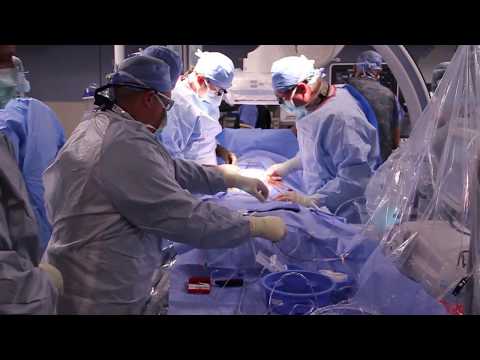
Watch a Transcatheter Aortic Valve Replacement (TAVR) Procedure at St. Luke's in Cedar Rapids, Iowa
0
hei heihei posted on 2025/03/22Ever wondered about cutting-edge heart procedures? This video gives you an inside look at a real Transcatheter Aortic Valve Replacement (TAVR) at St. Luke's, packed with advanced medical vocabulary and complex sentence structures that are perfect for boosting your B2+ English skills!
Learn this video on the APP!
The VoiceTube App has more in-depth practice for videos!