
ancestor
US /ˈænˌsɛstɚ/
UK /'ænsestə(r)/
- Noun
- A person from your family that lived in the past
B1Morebeneficial
US /ˌbɛnəˈfɪʃəl/
UK /ˌbenɪˈfɪʃl/
- Adjective
- Giving an advantage, having a helpful effect
- Promoting or contributing to physical or mental well-being.
B1TOEICMorebetter understanding
US
UK
- Uncountable Noun
- An improved level of comprehension or knowledge.
B2Moreblueprint
US /ˈbluˌprɪnt/
UK /ˈblu:prɪnt/
- Noun (Countable/Uncountable)
- Plans of how buildings will be built
- Method use to plan or organize something
B2Morebob
US /bɑ:b/
UK /bɒb/
- Intransitive Verb
- To move up and down repeatedly
- Proper Noun
- Person's name
B2Morebreak it down
US
UK
- Phrasal Verb
- To simplify something complex into smaller, more manageable parts.
- To explain something in a detailed and understandable way.
A2Morebunch
US /bʌntʃ/
UK /bʌntʃ/
- Noun (Countable/Uncountable)
- A group of things of the same kind
- A group of people.
- Transitive Verb
- To group people or things closely together
B1Morechill
US /tʃɪl/
UK /tʃɪl/
- Uncountable Noun
- State of being a little cold
- Feeling of fear or being frightened
- Transitive Verb
- To make something cold, e.g. a drink
B1Morechimp
US /tʃɪmp/
UK /tʃɪmp/
- Countable Noun
- Shortened form of 'chimpanzee'
B2Morechimpanzee
US /ˌtʃɪmpænˈzi,-pən-,tʃɪmˈpænzi/
UK /ˌtʃɪmpæn'zi:/
- Countable Noun
- Animal similar to a monkey but without a tail
B2Morechromosome
US /ˈkroʊməsoʊm/
UK /ˈkrəʊməsəʊm/
- Noun
- Cell structures that carry the genetic material
C2Morecommon ancestor
US
UK
- Noun
- An ancestor that two or more species have in common and from which they both evolved.
B1Morecomplex
US /kəmˈplɛks, ˈkɑmˌplɛks/
UK /'kɒmpleks/
- Countable Noun
- Group of buildings all used for the same purpose
- Adjective
- Not being simple; having many parts or aspects
A2Morecopyright
US /ˈkɑpiˌraɪt/
UK /'kɒpɪraɪt/
- Noun (Countable/Uncountable)
- Legal right to own and distribute a creative work
- Transitive Verb
- To obtain the legal right to own a creative work
B2Moredepend
US /dɪˈpend/
UK /dɪˈpend/
- Verb (Transitive/Intransitive)
- Be controlled or determined by (someone/something)
- To rely on someone or something for support, help, or existence.
B1TOEICMoredepending on
US
UK
- Phrasal Verb
- To rely on for support (financial or emotional)
- Influenced or determined by.
- Preposition
- Subject to; contingent on
- Relying on someone or something for support or assistance.
A2Moredisease
US /dɪˈziz/
UK /dɪˈzi:z/
- Noun (Countable/Uncountable)
- Illness that affects a person, animal, or plant
- A disorder of structure or function in a plant, especially one caused by a pathogen.
- Transitive Verb
- To affect with disease; to corrupt or sicken.
A2TOEICMoredivide
US /dɪˈvaɪd/
UK /dɪ'vaɪd/
- Verb (Transitive/Intransitive)
- To split numbers by another number, e.g. 6 / 2 = 3
- To separate something into equal pieces
- Noun
- A separation or distinction.
A2TOEICMoredna
US
UK
- Noun (Countable/Uncountable)
- Chemical in living cells with genetic information
B2Moreentire
US /ɛnˈtaɪr/
UK /ɪn'taɪə(r)/
- Adjective
- Complete or full; with no part left out; whole
- Undivided; not shared or distributed.
A2TOEICMoreevolution
US /ˌɛvəˈluʃən, ˌivə-/
UK /ˌi:və'lu:ʃn/
- Uncountable Noun
- Theory that living things change over time
- Process by which something develops over time
B1Moreevolutionary
US /ˌiːvəˈluːʃəneri/
UK /ˌi:vəˈlu:ʃənri/
- Adjective
- Concerning gradual change over time
B2Moreevolve
US /ɪˈvɑlv/
UK /ɪ'vɒlv/
- Verb (Transitive/Intransitive)
- To develop certain features
- To develop or change slowly over time
B1Moreextinct
US /ɪkˈstɪŋkt/
UK /ɪkˈstɪŋkt/
- Adjective
- (Of animal, etc.) having died out; with none left
- (E.g. of volcano) not active
B1TOEICMorefor instance
US /fɔr ˈɪnstəns/
UK /fɔ: ˈinstəns/
- Adverb
- As an example.
- Phrase
- As an example.
- As an illustration or case in point
B1Morefranchise
US /ˈfrænˌtʃaɪz/
UK /'fræntʃaɪz/
- Noun
- Right to run a business using name of a company
- A right or license granted to an individual or group to market a company's goods or services in a particular territory.
- Transitive Verb
- To sell the use of a brand to run a company
B2TOEICMorefunction
US /ˈfʌŋkʃən/
UK /'fʌŋkʃn/
- Noun
- Social event, or party such as a wedding
- Mathematical operation used in calculations
- Intransitive Verb
- To serve a certain purpose or role
- To be operating, working or achieving its purpose
A2TOEICMorefusion
US /ˈfjuʒən/
UK /ˈfju:ʒn/
- Noun (Countable/Uncountable)
- Combining various things to make something new
- The process in which light atomic nuclei combine to form a heavier nucleus, releasing large amounts of energy.
B2Moregain
US /ɡen/
UK /ɡeɪn/
- Verb (Transitive/Intransitive)
- To increase in something, such as weight
- To get something wanted, needed or valued
- Noun (Countable/Uncountable)
- An increase in something, such as weight
A2TOEICMoregene
US /dʒin/
UK /dʒi:n/
- Noun
- Part of cell controlling development of a thing
B1Moregenetic
US /dʒəˈnɛtɪk/
UK /dʒəˈnetɪk/
- Adjective
- Of, relating to, or controlled by genes
- Relating to genes or heredity.
B1Moregenome
US /ˈdʒi:noʊm/
UK /ˈdʒi:nəʊm/
- Noun
- Complete set of genetic material in an organism
B2Morehave to
US /hæv tu/
UK /ˈhæv tə/
- Auxiliary Verb
- Must do
A1Moreidentical
US /aɪˈdɛntɪkəl/
UK /aɪˈdentɪkl/
- Adjective
- The same in every way
- Satisfied by all values of the variables involved.
B1Moreidentify
US /aɪˈdɛntəˌfaɪ/
UK /aɪ'dentɪfaɪ/
- Transitive Verb
- To indicate who or what someone or something is
- To say exactly what something is
B1TOEICMorein real life
US /ɪn ˈriəl laɪf/
UK /in riəl laif/
- Phrase
- In the physical world; not online or in a fictional setting.
- Actually; genuinely; not made up or fictional.
A2Moreinstead of
US /ɪnˈstɛd ʌv/
UK /inˈsted ɔv/
- Preposition
- When one thing is replaced by another
- Adverb
- As a substitute or alternative.
A1Moreinstruction
US /ɪnˈstrʌkʃən/
UK /ɪn'strʌkʃn/
- Noun (Countable/Uncountable)
- A command for someone formally to do something
- Act of teaching or explaining to others
- Uncountable Noun
- Information about how to do or use something
A2TOEICMoreinvestigate
US /ɪnˈvɛstɪˌɡet/
UK /ɪn'vestɪɡeɪt/
- Verb (Transitive/Intransitive)
- To try to find out facts; to carry out research
A2Moreland on
US
UK
- Phrasal Verb
- To come down to the ground or another surface after flying or falling.
- To criticize someone severely.
B1Morelead to
US /lid tu/
UK /li:d tu:/
- Phrasal Verb
- To result in some action
- Verb (Transitive/Intransitive)
- To have something as a consequence or result.
A1Moremove around
US /muv əˈraʊnd/
UK /mu:v əˈraund/
- Phrasal Verb
- To change position or location; to go from place to place.
- Intransitive Verb
- To spread or circulate (e.g., information, rumors).
multiply
US /ˈmʌltəˌplaɪ/
UK /ˈmʌltɪplaɪ/
- Verb (Transitive/Intransitive)
- To increase in number by reproducing/having babies
- To increase something by a large quantity
B1Moremutate
US /ˈmjutet,mjuˈtet/
UK /mju:'teɪt/
- Intransitive Verb
- To develop into another thing; change
B2Moremutation
US /mjuˈteʃən/
UK /mju:'teɪʃn/
- Noun
- Change that changes genetic structure
B2Morenucleus
US /ˈnu:kliəs/
UK /ˈnju:kliəs/
- Noun
- Center of an atom
- Control center of a cell
B2Moreon earth
US /ɑn ɚθ/
UK /ɔn ə:θ/
- Phrase
- Used to emphasize a question expressing surprise or anger.
- Used to emphasize that something is not possible or will not happen.
A1Moreorganism
US /ˈɔrɡəˌnɪzəm/
UK /'ɔ:ɡənɪzəm/
- Noun
- Living thing, often one that is small
- System with many parts that function as a whole
B2Moreout there
US /aʊt ðɛr/
UK /aut ðɛə/
- Adverb
- In or to a place that is far away
- Existing in the universe
- Adjective
- Unconventional; strange; avant-garde
- Existing or available.
A1Morepopulation
US /ˌpɑpjəˈleʃən/
UK /ˌpɒpjuˈleɪʃn/
- Noun (Countable/Uncountable)
- Number of people who live in a country, area etc.
- A group of individuals of one species living in a particular area.
A2TOEICMorepurpose
US /ˈpɚpəs/
UK /'pɜ:pəs/
- Noun (Countable/Uncountable)
- Reason for which something is done; aim; goal
- A person's sense of resolve or determination.
- Adverb
- With clear intention or determination.
- Intentionally; deliberately.
A2TOEICMorereproduce
US /ˌriprəˈdus, -ˈdjus/
UK /ˌri:prə'dju:s/
- Verb (Transitive/Intransitive)
- To make a copy of something
- To have children/young; grow roots/new plants
B1Morerequest
US /rɪˈkwɛst/
UK /rɪ'kwest/
- Transitive Verb
- To ask for, usually politely and formally
- Noun
- Thing that has been asked for
- A signal to a computer system or program to perform a task.
A2TOEICMoreseparate
US /'sepəreɪt/
UK /'sepəreɪt/
- Adjective
- Being different from or unrelated to another
- Not connected; different.
- Transitive Verb
- To divide two things by being in between them
- To move things away from each other
A2TOEICMoreserve
US /sɚv/
UK /sɜ:v/
- Verb (Transitive/Intransitive)
- To act in a particular position or office
- To hit the first ball to an opponent in tennis etc.
A2TOEICMoreshell
US /ʃɛl/
UK /ʃel/
- Noun (Countable/Uncountable)
- Hard outer cover of an egg, fruit, nut, or seed
- Hard metal container containing a bullet
- Transitive Verb
- To remove the outer covering of peas, nuts etc.
- To fire shells (weapons) at
B1Moresuspect
US /səˈspɛkt/
UK /sə'spekt/
- Noun
- Person thought to have committed a crime
- Transitive Verb
- To consider someone is the one guilty of a crime
- To doubt or lack trust
A2TOEICMoretwist
US /twɪst/
UK /twɪst/
- Verb (Transitive/Intransitive)
- To turn something in a circular direction
- To turn in a curving direction e.g. road or path
- Noun (Countable/Uncountable)
- Turn or spiral curve in a path or road
- Bend or sudden change of direction
A2Morevastly
US /ˈvæstli/
UK /ˈvɑ:stli/
- Adverb
- To an exceedingly great extent or degree
B2More
Vocabulary
- on earth: Used to emphasize a question expressing surprise or anger.
- instead of: When one thing is replaced by another
- out there: In or to a place that is far away
- land on: To come down to the ground or another surface after flying or falling.
- break it down: To simplify something complex into smaller, more manageable parts.
- in real life: In the physical world; not online or in a fictional setting.
- have to: Must do
- depending on: To rely on for support (financial or emotional)
- lead to: To result in some action
- move around: To change position or location; to go from place to place.
- for instance: As an example.
- common ancestor: An ancestor that two or more species have in common and from which they both evolved.
- better understanding: An improved level of comprehension or knowledge.
- entire: Complete or full; with no part left out; whole
- bunch: A group of things of the same kind
- evidence: Factual proof that helps to establish the truth
- evolve: To develop certain features
- consider: To think carefully about something
- develop: To explain something in steps and in detail
- purpose: Reason for which something is done; aim; goal
- identify: To indicate who or what someone or something is
- disease: Illness that affects a person, animal, or plant
- complex: Group of buildings all used for the same purpose
- separate: Being different from or unrelated to another
- mutation: Change that changes genetic structure
- evolutionary: Concerning gradual change over time
- divide: To split numbers by another number, e.g. 6 / 2 = 3
- function: Social event, or party such as a wedding
- chill: State of being a little cold
- suspect: Person thought to have committed a crime
- wonder: Surprise caused by experiencing something amazing
- franchise: Right to run a business using name of a company
- genetic: Of, relating to, or controlled by genes
- population: Number of people who live in a country, area etc.
- ancestor: A person from your family that lived in the past
- identical: The same in every way
- evolution: Theory that living things change over time
- lead: Wire for electricity, computer, etc.; cable
- click: To work well with someone or something
- serve: To act in a particular position or office
- extinct: (Of animal, etc.) having died out; with none left
- gain: To increase in something, such as weight
- request: To ask for, usually politely and formally
- investigate: To try to find out facts; to carry out research
- noggin: A human head
- organism: Living thing, often one that is small
- instruction: A command for someone formally to do something
- twist: To turn something in a circular direction
- depend: Be controlled or determined by (someone/something)
- beneficial: Giving an advantage, having a helpful effect
- multiply: To increase in number by reproducing/having babies
- information: Collection of facts and details about something
- catch: Amount of something that has been caught
- fusion: Combining various things to make something new
- point: An item to be discussed
- great: Very good; better than before
- change: To exchange one set of clothes for another
- land: Region or country
- shell: Hard outer cover of an egg, fruit, nut, or seed
- reproduce: To make a copy of something
- chromosome: Cell structures that carry the genetic material
- nucleus: Center of an atom
- vastly: To an exceedingly great extent or degree
- understand: To know the meaning of language, what someone says
- world: All the humans, events, activities on the earth
- gene: Part of cell controlling development of a thing
- genome: Complete set of genetic material in an organism
- mutate: To develop into another thing; change
- blueprint: Plans of how buildings will be built
- bob: To move up and down repeatedly
- chimpanzee: Animal similar to a monkey but without a tail
- chimp: Shortened form of 'chimpanzee'
- copyright: Legal right to own and distribute a creative work
- dna: Chemical in living cells with genetic information
Get the full experience in the app
Learn anywhere with detailed sentence and usage analysis
01:03
She took a brave step forward, leaving behind her comfort zone to chase her dreams.
Vocabulary
- brave
adj. Having courage
- comfort zone
phr. A familiar situation where one feels safe
Explanation
a brave step is a noun phrase, where brave is an adjective modifying the noun step, meaning "a courageous step".
forward is an adverb modifying step, meaning "ahead".
The whole phrase serves as the object, answering the "what" of took (verb) — she took a brave step forward.
Get the full experience in the app
Look up words anytime with pronunciation, part of speech, and usage
brave
US/brev/
UK/breɪv/
adj.Brave
v.t.To bravely face
A2 Elementary
Get the full experience in the app
Practice speaking anytime and get instant pronunciation feedback
Try this speaking exercise.
Try practicing with this sentence.
80
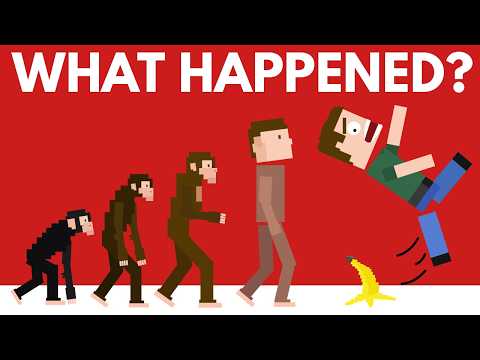
Why Did Humans Evolve Like That? ?
0
jessica12345551 posted on 2025/03/09Ever wondered why humans are the way they are? This fun video dives into human evolution, DNA, and even touches on why crabs are everywhere, using simple sentences and packed with advanced vocabulary you'll want to learn! You'll pick up tons of new terms while exploring fascinating science concepts.
Learn this video on the APP!
The VoiceTube App has more in-depth practice for videos!