
circuit
US /ˈsɜ:rkɪt/
UK /ˈsɜ:kɪt/
- Noun
- An area where cars race in a circle
- Route for journey all the way around a place
- Intransitive Verb
- To complete a journey all the way round an area
B1Morecognitive
US /ˈkɑɡnɪtɪv/
UK /ˈkɒgnətɪv/
- Adjective
- The process of knowing and remembering
- Relating to the ability to think and reason.
C1Morecombine
US /kəmˈbaɪn/
UK /kəmˈbaɪn/
- Verb (Transitive/Intransitive)
- To mix several things together to form one thing
- To harvest by means of a combine.
- Noun (Countable/Uncountable)
- A harvesting machine for cutting, threshing, and cleaning grain.
- A mixture of different things.
A2Morecomplexity
US /kəmˈplɛksɪti/
UK /kəm'pleksətɪ/
- Uncountable Noun
- State of having many parts and not being simple
- A factor or element that makes something complicated.
B1Morecomplicate
US /ˈkɑ:mplɪkeɪt/
UK /ˈkɒmplɪkeɪt/
- Transitive Verb
- To make more difficult to do, understand or use
B1Moreconnect
US /kəˈnɛkt/
UK /kə'nekt/
- Transitive Verb
- To associate a thing with something else
- To join or attach things together
A2Moreconsciousness
US /ˈkɑnʃəsnɪs/
UK /'kɒnʃəsnəs/
- Uncountable Noun
- Process by which thoughts, ideas are processed
- A person's awareness or perception of something.
A2Morecortex
US /ˈkɔrˌteks/
UK /'kɔ:teks/
- Noun (Countable/Uncountable)
- The outer part of an organ/structure, e.g. brain
- The outer layer of the cerebrum (the cerebral cortex), other organs, or a plant.
C1Moredepressive
US /dɪˈprɛsɪv/
UK /dɪˈpresɪv/
- Adjective
- Suffering a psychological lack of happiness
B2Moredistant
US /ˈdɪstənt/
UK /'dɪstənt/
- Adjective
- Unfriendly; cold
- Existing or happening far away in place or time
B1Moredive
US /daɪv/
UK /daɪv/
- Noun (Countable/Uncountable)
- Restaurant, bar or club with a bad reputation
- Rapid fall through air
- Intransitive Verb
- To swim deep under water with an air supply
- To rapid fall through air
B1Moredive in
US
UK
- Phrasal Verb
- To start doing something with a lot of enthusiasm.
- Intransitive Verb
- To jump into water headfirst.
A1Moredye
US /daɪ/
UK /daɪ/
- Noun
- A liquid that colors hair, cloth etc.
- Transitive Verb
- To make (hair, leather) colored by using chemicals
B1Moreenvelope
US /ˈenvəloʊp/
UK /ˈenvələʊp/
- Countable Noun
- Paper cover you put around a letter to mail it
- A container for data in computing.
B1Morefor instance
US /fɔr ˈɪnstəns/
UK /fɔ: ˈinstəns/
- Adverb
- As an example.
- Phrase
- As an example.
- As an illustration or case in point
B1Morefunction
US /ˈfʌŋkʃən/
UK /'fʌŋkʃn/
- Noun
- Social event, or party such as a wedding
- Mathematical operation used in calculations
- Intransitive Verb
- To serve a certain purpose or role
- To be operating, working or achieving its purpose
A2TOEICMoregenerate
US /ˈdʒɛnəˌret/
UK /ˈdʒenəreɪt/
- Transitive Verb
- To create or be produced or bring into existence
- To create electricity, heat, energy and power
A2TOEICMoregenetic
US /dʒəˈnɛtɪk/
UK /dʒəˈnetɪk/
- Adjective
- Of, relating to, or controlled by genes
- Relating to genes or heredity.
B1Morein green
US /ɪn ɡrin/
UK /ɪn ɡri:n/
- other
- Located in or surrounded by green plants or fields.
B2Moreincredible
US /ɪnˈkrɛdəbəl/
UK /ɪnˈkredəbl/
- Adjective
- Very good; amazing
- Really good; amazing; great
A2TOEICMoreindividual
US /ˌɪndəˈvɪdʒuəl/
UK /ˌɪndɪˈvɪdʒuəl/
- Countable Noun
- Single person, looked at separately from others
- A single thing or item, especially when part of a set or group.
- Adjective
- Made for use by one single person
- Having a distinct manner different from others
A2Moreinstance
US /ˈɪnstəns/
UK /'ɪnstəns/
- Noun (Countable/Uncountable)
- An example of something; case
- An occurrence of something.
- Transitive Verb
- To give as an example of something else
A2TOEICMoreintricate
US /ˈɪntrɪkɪt/
UK /ˈɪntrɪkət/
- Adjective
- Very detailed or difficult to untangle
B2TOEICMoreisolate
US /ˈaɪsəˌlet/
UK /ˈaɪsəleɪt/
- Transitive Verb
- To identify, consider, or deal with separately
- To keep in a place or situation apart from others
B1Morelayout
US /ˈleˌaʊt/
UK /ˈleɪaʊt/
- Noun (Countable/Uncountable)
- Plan or design of something, e.g. of book page
- The way in which something is arranged.
B1TOEICMorelead to
US /lid tu/
UK /li:d tu:/
- Phrasal Verb
- To result in some action
- Verb (Transitive/Intransitive)
- To have something as a consequence or result.
A1Moremalnutrition
US /ˌmælnu:ˈtrɪʃn/
UK /ˌmælnju:ˈtrɪʃn/
- Uncountable Noun
- Not having enough to eat, or having a poor diet
C1Moremassive
US /ˈmæsɪv/
UK /ˈmæsɪv/
- Adjective
- Very big; large; too big
- Large or imposing in scale or scope.
B1Moremicroscopic
US /ˌmaɪkrəˈskɑ:pɪk/
UK /ˌmaɪkrəˈskɒpɪk/
- Adjective
- Too small to be seen with the eyes
- Relating to or involving the use of a microscope.
B1Moremuch about
US /mʌtʃ əˈbaʊt/
UK /mʌtʃ əˈbaut/
- Phrase
- A lot of information or knowledge concerning something.
- To a great extent or degree regarding something; caring.
A1Moreneural
US /ˈnʊrəl, ˈnjʊr-/
UK /ˈnjuərəl/
- Adjective
- About the nerves or nervous system
B2Moreneuron
US /ˈnʊrˌɑn, ˈnjʊr-/
UK /ˈnʊərˌɔn, ˈnjʊər-/
- Noun
- A nerve cell
B2Moreongoing
US /ˈɑ:ngoʊɪŋ/
UK /ˈɒngəʊɪŋ/
- Adjective
- Continuing to exist or be in progress
- Noun (Countable/Uncountable)
- A situation or process that is currently taking place or is in progress.
- A problem or difficulty that continues to exist or happen.
B1Moreprogressive
US /prəˈɡrɛsɪv/
UK /prəˈgresɪv/
- Adjective
- Believing in modern ideas about social change
- Increasing in extent or severity; occurring in gradual stages.
- Noun (Countable/Uncountable)
- People believing in bringing about social change
- A person advocating or implementing social reform or new, liberal ideas.
A2Morerange
US /rendʒ/
UK /reɪndʒ/
- Noun (Countable/Uncountable)
- Cooking stove with multiple burners
- Given distance from a point; how far plane can fly
- Verb (Transitive/Intransitive)
- To cover an area from one point to another
- To extend to or vary within given limits
A2TOEICMoreregion
US /ˈridʒən/
UK /'ri:dʒən/
- Noun (Countable/Uncountable)
- Part of a country, of the world, area, etc.
- A part of the body
A2TOEICMoreresponsible
US / rɪˈspɑnsəbəl/
UK /rɪ'spɒnsəbl/
- Adjective
- Being the cause of something that has occurred
- Having the duty of dealing with something
A2TOEICMorescience
US /ˈsaɪəns/
UK /'saɪəns/
- Uncountable Noun
- Study of the physical world, based on facts
A2TOEICMoresegment
US /ˈsɛɡmənt/
UK /ˈsegmənt/
- Noun
- Part divided from the other parts of something
- Transitive Verb
- To separate something into different parts
B1TOEICMorestress
US / strɛs/
UK /stres/
- Transitive Verb
- To emphasize one or more parts of a word, sentence
- To put pressure on something or someone
- Noun (Countable/Uncountable)
- Emphasis on part of a word or sentence
- Pressure on something or someone
A2TOEICMoretackle
US /ˈtækəl/
UK /'tækl/
- Transitive Verb
- To start working on a difficult problem
- To grab and throw a person to the ground
- Noun (Countable/Uncountable)
- Equipment used in fishing
- Arrangement of ropes and wheels used for lifting
B1TOEICMoretissue
US /ˈtɪʃu/
UK /ˈtɪʃu:/
- Noun (Countable/Uncountable)
- Substance formed by cells of living thing; flesh
- Kind of thin, light paper used to pack objects
A2More
Vocabulary
- lead to: To result in some action
- dive in: To start doing something with a lot of enthusiasm.
- in green: Located in or surrounded by green plants or fields.
- much about: A lot of information or knowledge concerning something.
- for instance: As an example.
- cognitive: The process of knowing and remembering
- individual: Single person, looked at separately from others
- incredible: Very good; amazing
- massive: Very big; large; too big
- tackle: To start working on a difficult problem
- instance: An example of something; case
- cortex: The outer part of an organ/structure, e.g. brain
- general: Widespread, normal or usual
- develop: To explain something in steps and in detail
- fear: Unpleasant feeling caused by being aware of danger
- stress: To emphasize one or more parts of a word, sentence
- measure: Plan to achieve a desired result
- intricate: Very detailed or difficult to untangle
- function: Social event, or party such as a wedding
- brain: To strike someone forcefully on the head
- prefrontal: Anterior to a frontal structure
- neural: About the nerves or nervous system
- consciousness: Process by which thoughts, ideas are processed
- genetic: Of, relating to, or controlled by genes
- region: Part of a country, of the world, area, etc.
- generate: To create or be produced or bring into existence
- responsible: Being the cause of something that has occurred
- segment: Part divided from the other parts of something
- neuron: A nerve cell
- lead: Wire for electricity, computer, etc.; cable
- dive: Restaurant, bar or club with a bad reputation
- progressive: Believing in modern ideas about social change
- tissue: Substance formed by cells of living thing; flesh
- amygdala: Almond-shaped structure in the brain's anterior
- project: To predict what will happen in the future
- shape: The outer form of something, what it looks like
- distant: Unfriendly; cold
- combine: To mix several things together to form one thing
- complicate: To make more difficult to do, understand or use
- important: Having power or authority
- science: Study of the physical world, based on facts
- ongoing: Continuing to exist or be in progress
- learn: To get knowledge or skills by study or experience
- control: A device designed to operate a machine
- complexity: State of having many parts and not being simple
- malnutrition: Not having enough to eat, or having a poor diet
- connect: To associate a thing with something else
- microscopic: Too small to be seen with the eyes
- circuit: An area where cars race in a circle
- range: Cooking stove with multiple burners
- neuroscience: Scientific study of the nervous system
- change: To exchange one set of clothes for another
- isolate: To identify, consider, or deal with separately
- dye: A liquid that colors hair, cloth etc.
- layout: Plan or design of something, e.g. of book page
- envelope: Paper cover you put around a letter to mail it
- depressive: Suffering a psychological lack of happiness
Get the full experience in the app
Learn anywhere with detailed sentence and usage analysis
01:03
She took a brave step forward, leaving behind her comfort zone to chase her dreams.
Vocabulary
- brave
adj. Having courage
- comfort zone
phr. A familiar situation where one feels safe
Explanation
a brave step is a noun phrase, where brave is an adjective modifying the noun step, meaning "a courageous step".
forward is an adverb modifying step, meaning "ahead".
The whole phrase serves as the object, answering the "what" of took (verb) — she took a brave step forward.
Get the full experience in the app
Look up words anytime with pronunciation, part of speech, and usage
brave
US/brev/
UK/breɪv/
adj.Brave
v.t.To bravely face
A2 Elementary
Get the full experience in the app
Practice speaking anytime and get instant pronunciation feedback
Try this speaking exercise.
Try practicing with this sentence.
80
0
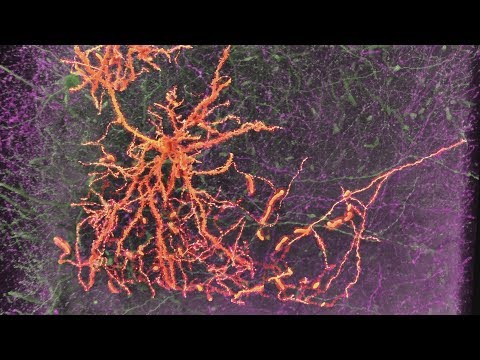
高鏡融 posted on 2025/03/04Ever wondered how your brain processes emotions? This video dives deep into the fascinating world of neurons and synapses, showing you the incredible 3D reconstruction techniques used in neuroscience! You'll pick up advanced vocabulary related to neural circuits and the amygdala, perfect for boosting your knowledge and language skills.
Learn this video on the APP!
The VoiceTube App has more in-depth practice for videos!