
affect
US /əˈfɛkt/
UK /ə'fekt/
- Transitive Verb
- To cause a change in something else
- To pretend to have or feel (something).
- Noun
- (Psychology) Emotion or feeling.
A2TOEICMorealert
US /əˈlɚt/
UK /ə'lɜ:t/
- Adjective
- Being aware and able to respond quickly
- Transitive Verb
- To warn someone so they can respond to it
B1TOEICMoreanxiety
US /æŋˈzaɪɪti/
UK /æŋ'zaɪətɪ/
- Uncountable Noun
- A feeling of worry, nervousness, or unease about something that might happen, especially when the outcome is uncertain.
B1Moreat least
US /æt list/
UK /æt li:st/
- Adverb
- As a minimum
- Not less than
- Phrase
- No less than; at the minimum
- Used to indicate that something is positive in a bad situation.
C2Moreavoid
US /əˈvɔɪd/
UK /ə'vɔɪd/
- Transitive Verb
- To prevent from happening
- To stay away from
A2TOEICMorebagel
US
UK
- Countable Noun
- Glazed yeast-raised doughnut-shaped roll
B2Morebedtime
US /ˈbɛdˌtaɪm/
UK /ˈbedtaɪm/
- Noun
- Time you go to bed
C1Morebob
US /bɑ:b/
UK /bɒb/
- Intransitive Verb
- To move up and down repeatedly
- Proper Noun
- Person's name
B2Morebreast
US /brɛst/
UK /brest/
- Countable Noun
- Fleshy part of a woman's body for feeding babies
- (Poetic) upper front part of the body; the heart
B1Morecalm
US /kɑm/
UK /kɑ:m/
- Adjective
- Without wind or storm; quiet; peaceful
- Relaxed and not worried or angry
- Verb (Transitive/Intransitive)
- To make or become relaxed and not worried or angry
A2Morecancer
US /ˈkænsɚ/
UK /'kænsə(r)/
- Noun
- Any growth caused by abnormal cell division
B1Morecertain foods
US
UK
- Phrase
- Specific types of food, often referring to those with particular characteristics or effects.
B1Morechronic
US /ˈkrɑnɪk/
UK /'krɒnɪk/
- Adjective
- Always or often doing something, e.g. lying
- (Of disease) over a long time; serious
B1Morecolon
US /ˈkolən/
UK /'kəʊlən/
- Noun
- Lower part of intestine turning food into waste
- Symbol: used in writing e.g. before lists
B2Moredecrease
US /dɪˈkris/
UK /dɪˈkri:s/
- Verb (Transitive/Intransitive)
- To reduce the size, amount or number of something
- Uncountable Noun
- Amount by which something has been reduced
B1TOEICMoredementia
US /dɪˈmɛnʃə/
UK /dɪˈmenʃə/
- Uncountable Noun
- Illness characterized by loss of memory
B2Moredepress
US /dɪˈprɛs/
UK /dɪ'pres/
- Transitive Verb
- To make someone feel sad or miserable
- To push something down
B2Morediabetes
US /ˌdaɪəˈbitɪs, -tiz/
UK /ˌdaɪəˈbi:ti:z/
- Noun (Countable/Uncountable)
- Illness where there is too much sugar in the blood
- A form of diabetes, usually diagnosed in children and young adults, in which the body does not produce insulin.
B2Moredisease
US /dɪˈziz/
UK /dɪˈzi:z/
- Noun (Countable/Uncountable)
- Illness that affects a person, animal, or plant
- A disorder of structure or function in a plant, especially one caused by a pathogen.
- Transitive Verb
- To affect with disease; to corrupt or sicken.
A2TOEICMoredisorder
US /dɪsˈɔrdɚ/
UK /dɪs'ɔ:də(r)/
- Uncountable Noun
- State of confusion or a lack of organization
- Illness when the body is not functioning well
- Transitive Verb
- To disrupt the order or arrangement of something.
B2Moredragonfly
US /ˈdræɡənˌflaɪ/
UK /ˈdrægənflaɪ/
- Countable Noun
- Large insect with four wings and a long body
B2Moreestablish
US /ɪˈstæblɪʃ/
UK /ɪˈstæblɪʃ/
- Transitive Verb
- To set or create something to last for a long time
- To use facts, evidence to show truth or clarity
A2TOEICMoreexacerbate
US /ɪɡˈzæsɚˌbet/
UK /ɪɡ'zæsəbeɪt/
- Transitive Verb
- To increase the severity or bitterness of
B2Morefairy
US /ˈfɛri/
UK /'feərɪ/
- Noun
- Small imaginary being that can do magic
B1Morefrog
US /frɔ:g/
UK /frɒg/
- Noun
- Small hopping amphibian
B1Morehormone
US /ˈhɔrˌmon/
UK /'hɔ:məʊn/
- Noun
- Chemical produced by the body to control functions
B2Morein addition to
US /ɪn əˈdɪʃən tu/
UK /in əˈdiʃən tu:/
- Preposition
- Besides; as well as
- Phrase
- Besides; as well as.
- Furthermore; moreover.
B1Morein love with
US //ɪn lʌv wɪð//
UK
- Adjective
- Feeling romantic love for someone.
- Extremely enthusiastic about or fond of something.
A1Moreinsomnia
US /ɪnˈsɑ:mniə/
UK /ɪnˈsɒmniə/
- Uncountable Noun
- Inability to sleep for many nights
- A specific instance or occurrence of sleeplessness.
C1Moreinstead of
US /ɪnˈstɛd ʌv/
UK /inˈsted ɔv/
- Preposition
- When one thing is replaced by another
- Adverb
- As a substitute or alternative.
A1Morelikelihood
US /ˈlaɪkliˌhʊd/
UK /ˈlaɪklihʊd/
- Uncountable Noun
- Chance that something might happen
B1TOEICMoremelatonin
US //mel.əˈtoʊ.nɪn//
UK //mel.əˈtəʊ.nɪn//
- Uncountable Noun
- Hormone secreted by the pineal gland
- A synthetic form of the hormone melatonin, often taken as a dietary supplement to promote sleep.
B1Moremental
US /ˈmɛntl/
UK /ˈmentl/
- Adjective
- Concerning the mind
A2TOEICMoremess up
US /mɛs ʌp/
UK /mes ʌp/
- Phrasal Verb
- To make a mistake
- To make something untidy or dirty.
- Verb (Transitive/Intransitive)
- To make something untidy or dirty.
- To spoil or ruin something.
A2Morenegative
US /ˈnɛɡətɪv/
UK /'neɡətɪv/
- Noun
- The opposite to a positive electrical charge
- In grammar, containing words such as 'no' or 'not'
- Adjective
- Being harmful, unwanted or unhelpful
- In mathematics, being less than zero
A2Moreobesity
US /oˈbisɪti/
UK /əʊ'bi:sətɪ/
- Uncountable Noun
- State of being so fat it can harm your health
- The state of being far too heavy; corpulence.
B2Moreovarian
US /oˈvɛriən/
UK /əʊ'veərɪən/
- Adjective
- Concerning or involving the ovaries
C1Moreoverwhelmed
US /ˌoʊ.vɚˈwɛlmd/
UK /ˌəʊ.vəˈwɛlmd/
- Transitive Verb
- To defeat something or someone completely
- To affect someone emotionally in a strong way
- Adjective
- Feeling like you have so much to do that you can't even get started.
- Feeling like you are unable to cope with something
B2Morepeaceful
US /ˈpisfəl/
UK /ˈpi:sfl/
- Adjective
- In a calm and quiet state
- Being unlikely or unwilling to act violently
B1Morepractice
US /ˈpræktɪs/
UK /'præktɪs/
- Noun
- The office and place for legal or medical work
- Doing something many times to become better at it
- Verb (Transitive/Intransitive)
- To work as a doctor or lawyer
- To live according to the teachings of a religion
A2TOEICMoreprocess
US /ˈprɑsˌɛs, ˈproˌsɛs/
UK /prə'ses/
- Transitive Verb
- To organize and use data in a computer
- To deal with official forms in the way required
- Noun (Countable/Uncountable)
- Dealing with official forms in the way required
- Set of changes that occur slowly and naturally
A2TOEICMoreprostate
US /ˈprɑsˌtet/
UK /ˈprɒsteɪt/
- Noun
- Male gland important in the creation of semen
B2Moreregulate
US /ˈrɛɡjəˌlet/
UK /ˈregjuleɪt/
- Transitive Verb
- To control something with rules or laws
- To set/adjust (a clock, etc.); restrict motion in
A2TOEICMoreresult
US /rɪˈzʌlt/
UK /rɪ'zʌlt/
- Noun
- Something produced through tests or experiments
- Final score of a competition, election or game
- Intransitive Verb
- To be the outcome of other causes and effects
- To happen or exist as a consequence of something.
A2Moreseek out
US /sik aʊt/
UK /si:k aut/
- Phrasal Verb
- To look for and find someone or something, especially when it is not easy to find.
B2Moreserotonin
US /ˌserəˈtoʊnɪn/
UK /ˌserəˈtəʊnɪn/
- Uncountable Noun
- A neurotransmitter in the brain that helps regulate mood, sleep, appetite, and emotional well-being; often referred to as the "feel-good" hormone.
C2Moreslumber
US /ˈslʌmbɚ/
UK /'slʌmbə(r)/
- Uncountable Noun
- Act of sleeping; sleep
- Intransitive Verb
- To sleep
C1Morestare
US /stɛr/
UK /steə(r)/
- Verb (Transitive/Intransitive)
- To look at someone or something for a long time
- Noun
- A long look at something or someone for a reason
A2Morestress
US / strɛs/
UK /stres/
- Transitive Verb
- To emphasize one or more parts of a word, sentence
- To put pressure on something or someone
- Noun (Countable/Uncountable)
- Emphasis on part of a word or sentence
- Pressure on something or someone
A2TOEICMorestruggle
US /ˈstrʌɡəl/
UK /'strʌɡl/
- Verb (Transitive/Intransitive)
- To try very hard to do something difficult
- To fight or struggle violently
- Noun (Countable/Uncountable)
- Strong efforts made to do something difficult
- A difficult or challenging situation or task
A2Moresuch as
US /sʌtʃ æz/
UK /sʌtʃ æz/
- Preposition
- For example; like
A1Moresuffer
US / ˈsʌfɚ/
UK /'sʌfə(r)/
- Verb (Transitive/Intransitive)
- To experience pain, illness, or injury
- To allow or permit something, especially something unpleasant.
A2Moresuffer from
US /ˈsʌfɚ frʌm/
UK /ˈsʌfə frɔm/
- Intransitive Verb
- To experience pain or distress; to be badly affected by.
A1Moretalk about it
US /tɔk əˈbaʊt ɪt/
UK /tɔ:k əˈbaut it/
- Verb (Transitive/Intransitive)
- To discuss a particular subject.
A1Moretalking about
US
UK
- Phrasal Verb
- To discuss a particular topic.
- To be constantly mentioning or bringing up a subject.
A1Moretired
US /ˈtaɪərd/
UK /ˈtaɪəd/
- Adjective
- Without energy so you want to rest or fall asleep
- Transitive Verb
- To lose, cause to lose energy so you want to rest
B1Moretriangle
US /ˈtraɪˌæŋɡəl/
UK /ˈtraɪæŋgl/
- Noun
- Three people connected with each in a relationship
- A three-sided piece of metal used in orchestras
B1TOEICMoreturn into
US /tɚn ˈɪntu/
UK /tə:n ˈɪntuː/
- Phrasal Verb
- To change to become something else
- To change your direction to go into a place
A1Moreturned out
US
UK
- Phrasal Verb
- To arrive for a public event or entertainment
- To happen to be in the end
- Transitive Verb
- To extinguish or switch off lights.
A1Morewith it
US /wɪð ɪt/
UK /wið it/
- Adjective
- Intelligent, alert, and up-to-date.
- Understanding and knowledgeable about current trends or information.
A1Morewrite down
US /raɪt daʊn/
UK /rait daun/
- Phrasal Verb
- To record in writing
A1More
Vocabulary
- such as: For example; like
- in love with: Feeling romantic love for someone.
- turned out: To arrive for a public event or entertainment
- talking about: To discuss a particular topic.
- at least: As a minimum
- instead of: When one thing is replaced by another
- mess up: To make a mistake
- in addition to: Besides; as well as
- turn into: To change to become something else
- suffer from: To experience pain or distress; to be badly affected by.
- certain foods: Specific types of food, often referring to those with particular characteristics or effects.
- write down: To record in writing
- seek out: To look for and find someone or something, especially when it is not easy to find.
- talk about it: To discuss a particular subject.
- with it: Intelligent, alert, and up-to-date.
- anxiety: A feeling of worry, nervousness, or unease about something that might happen, especially when the outcome is uncertain.
- chronic: Always or often doing something, e.g. lying
- overwhelmed: To defeat something or someone completely
- struggle: To try very hard to do something difficult
- process: To organize and use data in a computer
- mental: Concerning the mind
- diabetes: Illness where there is too much sugar in the blood
- practice: The office and place for legal or medical work
- obesity: State of being so fat it can harm your health
- disorder: State of confusion or a lack of organization
- negative: The opposite to a positive electrical charge
- insomnia: Inability to sleep for many nights
- anxious: Afraid of what may happen; worried and nervous
- develop: To explain something in steps and in detail
- disease: Illness that affects a person, animal, or plant
- stress: To emphasize one or more parts of a word, sentence
- hormone: Chemical produced by the body to control functions
- stare: To look at someone or something for a long time
- increase: To make or become larger in size or amount
- calm: Without wind or storm; quiet; peaceful
- dementia: Illness characterized by loss of memory
- alert: Being aware and able to respond quickly
- establish: To set or create something to last for a long time
- avoid: To prevent from happening
- affect: To cause a change in something else
- brain: To strike someone forcefully on the head
- suffer: To experience pain, illness, or injury
- regulate: To control something with rules or laws
- serotonin: A neurotransmitter in the brain that helps regulate mood, sleep, appetite, and emotional well-being; often referred to as the "feel-good" hormone.
- cortisol: Adrenal-cortex hormone (trade names Hydrocortone or Cortef) that is active in carbohydrate and protein metabolism
- result: Something produced through tests or experiments
- melatonin: Hormone secreted by the pineal gland
- mood: Emotion or a state of mind; how you feel
- break: To create a new record e.g. running the 100m dash
- likelihood: Chance that something might happen
- amygdala: Almond-shaped structure in the brain's anterior
- mind: To be bothered or upset by something
- mindfulness: Paying attention to your responsibilities
- fall: Season after summer and before winter; Autumn
- noggin: A human head
- slumber: Act of sleeping; sleep
- breast: Fleshy part of a woman's body for feeding babies
- decrease: To reduce the size, amount or number of something
- continue: To do something without stopping, or after pausing
- exacerbate: To increase the severity or bitterness of
- fairy: Small imaginary being that can do magic
- last: Final; with nothing following; after all others
- make: To arrange or prepare something e.g. dinner
- prostate: Male gland important in the creation of semen
- colon: Lower part of intestine turning food into waste
- cancer: Any growth caused by abnormal cell division
- bob: To move up and down repeatedly
- depress: To make someone feel sad or miserable
- peaceful: In a calm and quiet state
- ovarian: Concerning or involving the ovaries
- tired: Without energy so you want to rest or fall asleep
- triangle: Three people connected with each in a relationship
- bedtime: Time you go to bed
- frog: Small hopping amphibian
- bagel: Glazed yeast-raised doughnut-shaped roll
- dragonfly: Large insect with four wings and a long body
Get the full experience in the app
Learn anywhere with detailed sentence and usage analysis
01:03
She took a brave step forward, leaving behind her comfort zone to chase her dreams.
Vocabulary
- brave
adj. Having courage
- comfort zone
phr. A familiar situation where one feels safe
Explanation
a brave step is a noun phrase, where brave is an adjective modifying the noun step, meaning "a courageous step".
forward is an adverb modifying step, meaning "ahead".
The whole phrase serves as the object, answering the "what" of took (verb) — she took a brave step forward.
Get the full experience in the app
Look up words anytime with pronunciation, part of speech, and usage
brave
US/brev/
UK/breɪv/
adj.Brave
v.t.To bravely face
A2 Elementary
Get the full experience in the app
Practice speaking anytime and get instant pronunciation feedback
Try this speaking exercise.
Try practicing with this sentence.
80
0
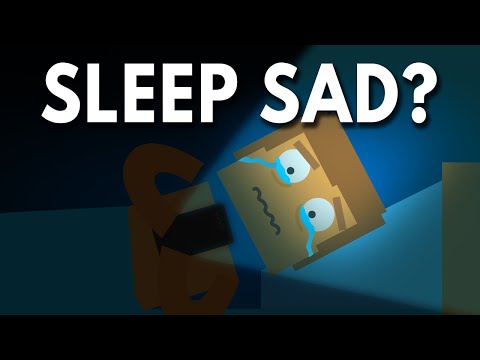
VoiceTube posted on 2025/01/29Ever wondered why you can't shake off the blues before bed? This fun video from Life Noggin explains the science behind bedtime sadness and how it affects your sleep, plus gives you practical tips for a more peaceful night. You'll even pick up some advanced vocabulary related to mental health and sleep!
Learn this video on the APP!
The VoiceTube App has more in-depth practice for videos!