
adorable
US /əˈdɔrəbəl,əˈdor-/
UK /əˈdɔ:rəbl/
- Adjective
- Lovable or appealing, e.g. like a cute child
B2Moreaerial
US /ˈɛriəl, eˈɪriəl/
UK /'eərɪəl/
- Adjective
- Being done, living or seen in the air
- Noun
- Antenna; device for receiving radio/ TV signal
B1Moreahead of the curve
US /əˈhɛd əv ðə kɜrv/
UK /əˈhed əv ðə kɜ:v/
- other
- Being more advanced or knowledgeable than others.
B2Morealgae
US /ˈældʒi/
UK /ˈældʒi:/
- Noun (Countable/Uncountable)
- Green organisms that live in still water
B2Moreas we know it
US /əz wi no ɪt/
UK /əz wi nəu ɪt/
- other
- In the form or way commonly understood or accepted.
B2Moreat a time
US /æt e taɪm/
UK /æt ə taim/
- Phrase
- Separately; one by one
- Simultaneously; together
A1Moreattract
US /əˈtrækt/
UK /ə'trækt/
- Transitive Verb
- To make something move closer using magnetic force
- To make someone notice and become interested in
A2TOEICMorebadge
US /bædʒ/
UK /bædʒ/
- Countable Noun
- Material with a pin to show membership in a group
- Transitive Verb
- To provide or mark with a badge.
B1TOEICMorebased on
US
UK
- Phrasal Verb
- To use something as the foundation or starting point for something else.
- Preposition
- Using something as the main idea or foundation.
- Relying on something as evidence or justification.
A1Morebeneath the surface
US /bɪˈniθ ðɚ ˈsɝfəs/
UK /bɪˈni:θ ðə ˈsɜ:rfəs/
- other
- In or under the outer layer of something, often physically below.
- Hidden aspects or feelings not immediately visible or obvious.
B2Morebull
US /bʊl/
UK /bʊl/
- Countable Noun
- Large male animal such as a cow or elephant
- Uncountable Noun
- Nonsense; untrue or foolish statements
B1Moreby day
US /baɪ de/
UK /bai dei/
- Phrase
- During the daytime; not at night.
A2Morecascade
US /kæˈsked/
UK /kæˈskeɪd/
- Countable Noun
- Body of water falling from something tall
- A series of things that happen quickly one after the other.
- Intransitive Verb
- To fall, flow, or hang down in a large amount
B1Morecoast
US /kost/
UK /kəʊst/
- Noun
- Land near the sea or ocean
- Intransitive Verb
- To progress in something without trying hard
- (Of a vehicle) to move forward without power
A2TOEICMorecoastline
US /ˈkoʊstlaɪn/
UK /ˈkəʊstlaɪn/
- Noun
- Area of sea alongside the land in an area
C1Morecute
US /kjut/
UK /kju:t/
- Adjective
- Attractive in a pretty or endearing way
B2Moredecimate
US /ˈdɛsəˌmet/
UK /'desɪmeɪt/
- Transitive Verb
- to kill a large number of something, or to reduce something severely
C1Moredominant
US /ˈdɑmənənt/
UK /ˈdɒmɪnənt/
- Adjective
- The strongest; most powerful
- Being the most common, significant or important
- Noun
- (Music) The fifth note of a scale.
B1Moreeat up
US /it ʌp/
UK /i:t ʌp/
- Phrasal Verb
- To eat all of something
- To use a large amount of something, especially money or time.
A1Moreecosystem
US /ˈɛkoˌsɪstəm, ˈiko-/
UK /ˈi:kəʊsɪstəm/
- Noun (Countable/Uncountable)
- Types of plants and animals in an specific area
- A network of interconnected companies, technologies, and services that interact to create value.
B1Moreepic
US /ˈɛpɪk/
UK /'epɪk/
- Adjective
- Going on for a long time; awe-inspiring
- Noun
- A long story, often about many people and events
B2Moreexpand
US /ɪkˈspænd/
UK /ɪk'spænd/
- Verb (Transitive/Intransitive)
- To make something larger in size, number, amount
A2TOEICMorefur
US /fɚ/
UK /fɜ:(r)/
- Noun (Countable/Uncountable)
- Hairy coat of an animal
- Clothing item made with animal fur
- Transitive Verb
- To apply strips of wood or metal to a wall or ceiling to create a level surface.
B1Moregrow up
US /ɡro ʌp/
UK /ɡrəu ʌp/
- Phrasal Verb
- To develop from a child into an adult
A1Morehabitat
US /ˈhæbɪˌtæt/
UK /'hæbɪtæt/
- Noun (Countable/Uncountable)
- Natural place where a plant or animal lives
B1Morehave to
US /hæv tu/
UK /ˈhæv tə/
- Auxiliary Verb
- Must do
A1Morehungry
US /ˈhʌŋɡri/
UK /ˈhʌŋgri/
- Adjective
- Feeling a need or want to eat food
- Feeling a need or want to eat food
B2Moreimagery
US /ˈɪmɪdʒri/
UK /'ɪmɪdʒərɪ/
- Uncountable Noun
- Use of symbolism to help imagine something
- Visually descriptive or figurative language, especially in a literary work.
A2Morein danger
US /ɪn ˈdendʒɚ/
UK /in ˈdeindʒə/
- Phrase
- Exposed to the risk of harm, injury, or loss.
- At risk of experiencing something negative or harmful.
A1Morein part
US /ɪn pɑrt/
UK /in pɑ:t/
- Adverb
- To some extent; partially.
A1Morein the past
US
UK
- Phrase
- During a former period of time; previously.
A1Moreinstead of
US /ɪnˈstɛd ʌv/
UK /inˈsted ɔv/
- Preposition
- When one thing is replaced by another
- Adverb
- As a substitute or alternative.
A1Morekelp
US /kɛlp/
UK /kelp/
- Uncountable Noun
- Large brown seaweed with fluted leathery fronds
C2Morekeystone
US /ˈkiˌston/
UK /'ki:stəʊn/
- Noun
- Central building block at the top of an arch
C2Morekeystone species
US
UK
- Noun
- A species on which other species in an ecosystem largely depend, such that if it were removed the ecosystem would change drastically.
- A plant or animal that plays a unique and crucial role in the way an ecosystem functions.
B2Morelab
US /læb/
UK /læb/
- Noun (Countable/Uncountable)
- Short for 'laboratory'
B1Moreleverage
US /ˈlɛvərɪdʒ, ˈlivə-/
UK /'li:vərɪdʒ/
- Noun (Countable/Uncountable)
- An advantage which gives you influence or power
- An advantage gained through the use of resources or a strategic position
- Transitive Verb
- To use an advantage which gives you influence
B2TOEICMoremammal
US /ˈmæməl/
UK /'mæml/
- Noun
- Animal which drinks milk from its mother
B1Moremarine
US /məˈrin/
UK /mə'ri:n/
- Countable Noun
- Soldier trained to serve on land and sea
- Adjective
- Of the ocean or ocean plants and animals
- Concerning sailing or doing business by sea
B1Moremitigate
US /ˈmɪtˌɪɡet/
UK /'mɪtɪɡeɪt/
- Transitive Verb
- To make less severe or serious
B2TOEICMorenorthern
US
UK
- Adjective
- In or toward the north
- Coming from the north.
- Noun
- A person who comes from the north.
- The Aurora Borealis.
B1Moreon a daily basis
US
UK
- Phrase
- Happening every day.
A1Moreon earth
US /ɑn ɚθ/
UK /ɔn ə:θ/
- Phrase
- Used to emphasize a question expressing surprise or anger.
- Used to emphasize that something is not possible or will not happen.
A1Moreotter
US /ˈɑtɚ/
UK /'ɒtə(r)/
- Noun (Countable/Uncountable)
- Aquatic, carnivorous mammal of the weasel family
- The fur of an otter, used for clothing.
C1Moreout there
US /aʊt ðɛr/
UK /aut ðɛə/
- Adverb
- In or to a place that is far away
- Existing in the universe
- Adjective
- Unconventional; strange; avant-garde
- Existing or available.
A1Morepersistent
US /pərˈsɪstənt/
UK /pəˈsɪstənt/
- Adjective
- Continuing to do something despite challenges
- Continuing to exist or occur for a long time.
C1TOEICMorepopulation
US /ˌpɑpjəˈleʃən/
UK /ˌpɒpjuˈleɪʃn/
- Noun (Countable/Uncountable)
- Number of people who live in a country, area etc.
- A group of individuals of one species living in a particular area.
A2TOEICMorepredator
US /ˈprɛdətɚ, -ˌtɔr/
UK /'predətə(r)/
- Countable Noun
- An animal that hunts and kills other animals
- Person preying on the weak to gain advantage
B1Moreput out
US /pʊt aʊt/
UK /put aut/
- Phrasal Verb
- To publish, e.g. a book
- To cause someone to be troubled or inconvenienced
A1Morerange
US /rendʒ/
UK /reɪndʒ/
- Noun (Countable/Uncountable)
- Cooking stove with multiple burners
- Given distance from a point; how far plane can fly
- Verb (Transitive/Intransitive)
- To cover an area from one point to another
- To extend to or vary within given limits
A2TOEICMorereef
US /rif/
UK /ri:f/
- Noun (Countable/Uncountable)
- Line of rocks or sand at the surface of the ocean
- Rolling up sail to make it smaller in strong winds
- Transitive Verb
- To roll up sail to make it smaller in strong winds
B2Moreregion
US /ˈridʒən/
UK /'ri:dʒən/
- Noun (Countable/Uncountable)
- Part of a country, of the world, area, etc.
- A part of the body
A2TOEICMorerelease
US /rɪ'li:s/
UK /rɪ'li:s/
- Transitive Verb
- To free someone from a responsibility or burden
- To allow a film, music etc. to be sold/distributed
- Noun
- Act of freeing someone from a duty or burden
- Introduction of a new product, film, book, etc.
A2TOEICMoreremain
US /rɪˈmen/
UK /rɪˈmeɪn/
- Intransitive Verb
- To be left behind; to continue to exist
- To stay in a place when other people have gone
A2TOEICMorerescue
US /ˈrɛskju/
UK /'reskju:/
- Transitive Verb
- To save someone who is in danger or in trouble
- To provide financial assistance to save a company or economy from collapse.
- Noun (Countable/Uncountable)
- Act of saving someone in danger or in trouble
- An act of saving someone or something from a dangerous or difficult situation.
A2TOEICMorerestore
US /rɪˈstɔr, -ˈstor/
UK /rɪˈstɔ:(r)/
- Transitive Verb
- To return a thing to its original condition
B1Moreseafood
US /ˈsiˌfud/
UK /'si:fu:d/
- Noun (Countable/Uncountable)
- Fish, shellfish, etc. that can be eaten
B2Moreshelter
US /ˈʃɛltɚ/
UK /'ʃeltə(r)/
- Noun (Countable/Uncountable)
- Place to protect people/animals from abuse
- Structure that covers or protects things
- Transitive Verb
- To give animals, people a place away from abuse
- To find protection from danger/bad weather
B1Moresignal
US /ˈsɪɡnəl/
UK /'sɪɡnəl/
- Verb (Transitive/Intransitive)
- To be evidence/an indication something will happen
- To make a noise or motion to tell someone to start
- Noun (Countable/Uncountable)
- Evidence or an indication something will happen
- Movement of a hand or other means to send messages
A2Morespiky
US /ˈspaɪki/
UK /ˈspaɪki/
- Adjective
- Having a long sharp point
B2Morestart in
US /stɑrt ɪn/
UK /stɑ:t in/
- Phrasal Verb
- To begin a job or activity.
A1Morestructure
US /ˈstrʌk.tʃɚ/
UK /ˈstrʌk.tʃə/
- Noun (Countable/Uncountable)
- The way in which the parts of a system or object are arranged or organized, or a system arranged in this way
- A building or other man-made object.
- Transitive Verb
- To plan, organize, or arrange the parts of something
A2TOEICMoresunflower
US /ˈsʌnˌflaʊɚ/
UK /'sʌnflaʊə(r)/
- Noun
- Very tall plant with large, bright yellow flowers
C1Moresurface
US /ˈsɚfəs/
UK /'sɜ:fɪs/
- Transitive Verb
- To give (road) a top layer
- Intransitive Verb
- To appear after being hidden, unseen, or unknown
- To come to the top of something; emerge
A2TOEICMoresurvive
US /sɚˈvaɪv/
UK /sə'vaɪv/
- Intransitive Verb
- To continue to live despite illness or trouble
A2TOEICMorethrive
US /θraɪv/
UK /θraɪv/
- Intransitive Verb
- To be or become healthy or successful
- To grow or develop well; to flourish.
B2TOEICMoreunderwater
US /ˈʌndɚˌwɔtɚ, -ˌwɑtɚ/
UK /ˌʌndəˈwɔ:tə(r)/
- Adjective
- (Moving or existing) beneath the surface of water
C2Moreurchin
US /ˈə:tʃɪn/
UK /ˈɜ:tʃɪn/
- Noun
- Small sea animal with stiff parts like needles
C1Moreused to
US /juzd tu/
UK /ˈju:st tə/
- Adjective
- Did regularly before, but don't do now
- Auxiliary Verb
- Have done before, but do not do now
A1Morevery much so
US
UK
- Phrase
- To a great extent; indeed
- Used to emphasize a previous statement
A2Morewild
US /waɪld/
UK /waɪld/
- Adverb
- In a manner which lacks control
- Adjective
- Living in nature; not tame
- (Of land) not developed by people
A2Morework on
US /wɚk ɑn/
UK /wə:k ɔn/
- Phrasal Verb
- To devote effort to improve or develop something
- To try to persuade or influence someone.
A1More
Vocabulary
- on earth: Used to emphasize a question expressing surprise or anger.
- at a time: Separately; one by one
- keystone species: A species on which other species in an ecosystem largely depend, such that if it were removed the ecosystem would change drastically.
- instead of: When one thing is replaced by another
- in danger: Exposed to the risk of harm, injury, or loss.
- as we know it: In the form or way commonly understood or accepted.
- in part: To some extent; partially.
- eat up: To eat all of something
- used to: Did regularly before, but don't do now
- on a daily basis: Happening every day.
- in the past: During a former period of time; previously.
- work on: To devote effort to improve or develop something
- start in: To begin a job or activity.
- ahead of the curve: Being more advanced or knowledgeable than others.
- grow up: To develop from a child into an adult
- put out: To publish, e.g. a book
- based on: To use something as the foundation or starting point for something else.
- by day: During the daytime; not at night.
- very much so: To a great extent; indeed
- beneath the surface: In or under the outer layer of something, often physically below.
- out there: In or to a place that is far away
- have to: Must do
- thrive: To be or become healthy or successful
- adorable: Lovable or appealing, e.g. like a cute child
- structure: The way in which the parts of a system or object are arranged or organized, or a system arranged in this way
- environment: Natural world in which plants and animals live
- epic: Going on for a long time; awe-inspiring
- leverage: An advantage which gives you influence or power
- predator: An animal that hunts and kills other animals
- shelter: Place to protect people/animals from abuse
- remain: To be left behind; to continue to exist
- persistent: Continuing to do something despite challenges
- dominant: The strongest; most powerful
- surface: To give (road) a top layer
- region: Part of a country, of the world, area, etc.
- population: Number of people who live in a country, area etc.
- release: To free someone from a responsibility or burden
- raise: To increase a bet above another when playing cards
- expand: To make something larger in size, number, amount
- survive: To continue to live despite illness or trouble
- create: To make, cause, or bring into existence
- ecosystem: Types of plants and animals in an specific area
- fall: Season after summer and before winter; Autumn
- habitat: Natural place where a plant or animal lives
- mitigate: To make less severe or serious
- mammal: Animal which drinks milk from its mother
- rescue: To save someone who is in danger or in trouble
- marine: Soldier trained to serve on land and sea
- wild: In a manner which lacks control
- signal: To be evidence/an indication something will happen
- algae: Green organisms that live in still water
- coast: Land near the sea or ocean
- restore: To return a thing to its original condition
- attract: To make something move closer using magnetic force
- support: To give assistance or advice to someone
- fur: Hairy coat of an animal
- bring: To take or go with someone to a place
- fill: To make something full
- protect: To defend someone or something from harm or danger
- badge: Material with a pin to show membership in a group
- range: Cooking stove with multiple burners
- pick: Sharp tool used for breaking the ground
- turn: To become (a particular age)
- grow: To get bigger and more mature; make plants do this
- hard: Difficult to do; difficult to understand
- imagery: Use of symbolism to help imagine something
- cascade: Body of water falling from something tall
- spiky: Having a long sharp point
- part: Division of a book
- healthy: In good condition physically, or financially; well
- disappear: To no longer see because it's not there any more
- reef: Line of rocks or sand at the surface of the ocean
- aerial: Being done, living or seen in the air
- coastline: Area of sea alongside the land in an area
- lab: Short for 'laboratory'
- northern: In or toward the north
- bull: Large male animal such as a cow or elephant
- decimate: to kill a large number of something, or to reduce something severely
- otter: Aquatic, carnivorous mammal of the weasel family
- hungry: Feeling a need or want to eat food
- cute: Attractive in a pretty or endearing way
- kelp: Large brown seaweed with fluted leathery fronds
- urchin: Small sea animal with stiff parts like needles
- underwater: (Moving or existing) beneath the surface of water
- keystone: Central building block at the top of an arch
- seafood: Fish, shellfish, etc. that can be eaten
- sunflower: Very tall plant with large, bright yellow flowers
Get the full experience in the app
Learn anywhere with detailed sentence and usage analysis
01:03
She took a brave step forward, leaving behind her comfort zone to chase her dreams.
Vocabulary
- brave
adj. Having courage
- comfort zone
phr. A familiar situation where one feels safe
Explanation
a brave step is a noun phrase, where brave is an adjective modifying the noun step, meaning "a courageous step".
forward is an adverb modifying step, meaning "ahead".
The whole phrase serves as the object, answering the "what" of took (verb) — she took a brave step forward.
Get the full experience in the app
Look up words anytime with pronunciation, part of speech, and usage
brave
US/brev/
UK/breɪv/
adj.Brave
v.t.To bravely face
A2 Elementary
Get the full experience in the app
Practice speaking anytime and get instant pronunciation feedback
Try this speaking exercise.
Try practicing with this sentence.
80
0
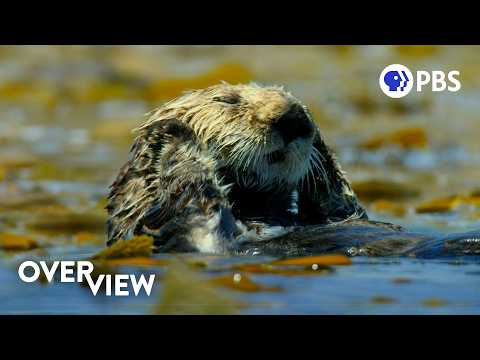
rakko posted on 2025/01/16Did you know otters are crucial for saving underwater forests? Dive into this fascinating conservation story to discover how these amazing creatures help kelp forests thrive, and pick up some advanced vocabulary along the way! You'll learn about trophic cascades and the importance of kelp restoration in places like Monterey Bay.
Learn this video on the APP!
The VoiceTube App has more in-depth practice for videos!