
alcohol
US /ˈælkəˌhɔl,-ˌhɑl/
UK /'ælkəhɒl/
- Uncountable Noun
- A colorless liquid that can catch fire (C2H5OH)
- Drinks such as wine, whiskey, beer
B1Moreall the things
US
UK
- Pronoun
- Everything; all items or aspects
- Determiner
- Every item or object being considered or discussed.
A1Moreaneurysm
US
UK
- Noun
- Dangerous swelling of blood vessel in brain/heart
C1Moreaorta
US /eˈɔrtə/
UK /eɪ'ɔ:tə/
- Noun
- Large artery that carries blood from the heart
C2Moreapparently
US /əˈpærəntlɪ/
UK /əˈpærəntli/
- Adverb
- According to what you heard; from what can be seen
A2TOEICMorearterial
US /ɑrˈtɪriəl/
UK /ɑ:'tɪərɪəl/
- Adjective
- Concerning, involving or contained in the arteries
B2Moreartery
US /ˈɑrtəri/
UK /ˈɑ:təri/
- Noun (Countable/Uncountable)
- Tubes that carry blood from the heart to the body
- Important road, rail or water way
B2Moreavoid
US /əˈvɔɪd/
UK /ə'vɔɪd/
- Transitive Verb
- To prevent from happening
- To stay away from
A2TOEICMorebacteria
US /bækˈtɪriə/
UK /bæk'tɪərɪə/
- Noun (plural)
- The very small creatures that can cause disease
B2Morebarrier
US /ˈbæriɚ/
UK /'bærɪə(r)/
- Noun
- Difficult situation preventing something happening
- Structure or object that stops free movement
B1TOEICMorebreak down
US /brek daʊn/
UK /breik daun/
- Phrasal Verb
- To forcibly break, destroy or make collapse
- (Machine) to stop working or become weaker
A1Morebulge
US /bʌldʒ/
UK /bʌldʒ/
- Intransitive Verb
- To curve outward from the surface, as when full
- Noun (Countable/Uncountable)
- Rounded full or fat lump on the surface of a thing
- Rapid increase in size
B2Morecarbon
US /ˈkɑrbən/
UK /'kɑ:bən/
- Uncountable Noun
- Chemical element with an atomic number of 6
B1Morechronic
US /ˈkrɑnɪk/
UK /'krɒnɪk/
- Adjective
- Always or often doing something, e.g. lying
- (Of disease) over a long time; serious
B1Morecod
US /kɑ:d/
UK /kɒd/
- Noun (Countable/Uncountable)
- Type of large fish that is often eaten
B2Moreconcern
US /kənˈsɚn/
UK /kənˈsɜ:n/
- Verb (Transitive/Intransitive)
- To be about a particular topic
- To have a direct impact on someone
- Noun (Countable/Uncountable)
- Company, firm or business
- Feeling of worry or anxiety
A2TOEICMoreconsume
US /kənˈsum/
UK /kən'sju:m/
- Transitive Verb
- To eat, drink, buy or use up something
- To take all your energy; focus the attention
A2TOEICMorecopper
US /ˈkɑpɚ/
UK /'kɒpə(r)/
- Uncountable Noun
- Reddish-brown metal used in cables or wires
B1Morecorrelation
US /ˌkɔrəˈleʃən, ˌkɑr-/
UK /ˌkɒrəˈleɪʃn/
- Noun (Countable/Uncountable)
- The relationship between two variables
- A statistical measure that expresses the extent to which two variables are linearly related (meaning they change together at a constant rate).
B1Morecounteract
US /ˌkaʊntɚˈækt/
UK /ˌkaʊntərˈækt/
- Transitive Verb
- To reduce the impact doing something opposite
C1Morecurious
US /ˈkjʊriəs/
UK /ˈkjʊəriəs/
- Adjective
- Wanting to know more about something
- Attracting interest by being strange or unusual
A2Moredeficiency
US /dɪˈfɪʃənsi/
UK /dɪˈfɪʃnsi/
- Noun
- Lack of something that is necessary
B2Moredeficient
US /dɪˈfɪʃənt/
UK /dɪˈfɪʃnt/
- Adjective
- Lacking something necessary
B2Moredilation
US /daɪ'leɪʃn/
UK /daɪ'leɪʃn/
- Noun
- Act of making (eyes) more open or expanded
C1Moredioxide
US /daɪˈɑksaɪd/
UK /daɪˈɒksaɪd/
- Noun
- An oxide containing two oxides per molecule
B2Moreelastic
US /ɪˈlæstɪk/
UK /ɪˈlæstɪk/
- Adjective
- Able to return to original shape after stretching
- Uncountable Noun
- Material that can stretch and return to shape
B1Moreemergency
US /ɪˈmɚdʒənsi/
UK /ɪ'mɜ:dʒənsɪ/
- Noun (Countable/Uncountable)
- Sudden event needing an immediate action
- A medical condition manifesting itself by acute symptoms of sufficient severity such that the absence of immediate medical attention could reasonably be expected to result in placing the patient's health in serious jeopardy.
- Adjective
- Used in an emergency; for use when something dangerous happens.
- Designed for use in an emergency.
A2TOEICMoreexercise
US /ˈɛksɚˌsaɪz/
UK /'eksəsaɪz/
- Verb (Transitive/Intransitive)
- To work out to become stronger and healthier
- To retain your ability or practice your skills
- Noun (Countable/Uncountable)
- Physical activity to increase health and strength
- Set of questions in a text book
A2Moreexpose
US /ɪkˈspoʊz/
UK /ɪk'spəʊz/
- Transitive Verb
- To make visible, without covering or protection
- To allow light through a cameras lens onto film
A2TOEICMorefor example
US
UK
- Phrase
- As an illustration or instance.
going on
US /ˈɡoɪŋ ɑn/
UK /ˈgəʊɪŋ ɔn/
- Phrasal Verb
- To continue doing something
- To happen (usually negative)
A1Morehave to
US /hæv tu/
UK /ˈhæv tə/
- Auxiliary Verb
- Must do
A1Morein fact
US /ɪn fækt/
UK /in fækt/
- Adverb
- Used to emphasize the truth of a statement, especially one that contrasts with or contradicts something else.
- Used to introduce a more detailed or surprising piece of information.
- Phrase
- Used to emphasize the truth of a statement, especially one that is surprising or contrary to what might be expected.
C1Morein general
US /ɪn ˈdʒɛnərəl/
UK /in ˈdʒenərəl/
- Phrase
- Typically; usually; on the whole.
- Not specific or detailed; broadly.
- Adjective
- Not detailed or specific; overall.
C2Moreinfection
US /ɪnˈfɛkʃən/
UK /ɪnˈfekʃn/
- Noun
- (Computers) Having a computer virus
- Making or becoming sick with a bacteria/virus
A2Moreinflammation
US /ˌɪnfləˈmeʃən/
UK /ˌɪnfləˈmeɪʃn/
- Noun (Countable/Uncountable)
- Painful swelling in the body due to illness
- A condition in which a part of the body becomes reddened, swollen, hot, and often painful, especially as a reaction to injury or infection.
B2Moreinflammatory
US /ɪnˈflæməˌtɔri, -ˌtori/
UK /ɪnˈflæmətri/
- Adjective
- Making or intended to make someone angry
B2TOEICMoreinside of
US /ɪnˈsaɪd ʌv/
UK /inˈsaid ɔv/
- Preposition
- Within; in the inner part of.
- Within a certain period of time.
A1Moreinvolve
US /ɪnˈvɑlv/
UK /ɪn'vɒlv/
- Transitive Verb
- To have or be included as a part of something
- To cause (a person or group) to take part in an event or activity.
A2TOEICMorelayer
US /ˈleɚ/
UK /ˈleiə/
- Noun (Countable/Uncountable)
- One of several sheets of a material or object
- A covering of something spread over a surface.
- Transitive Verb
- To put things one on top of another
B1TOEICMoreleak out
US
UK
- Phrasal Verb
- If secret information leaks out, it becomes known to the public.
- To escape or be lost through a crack or hole.
B2Moreliver
US /ˈlɪvɚ/
UK /ˈlɪvə(r)/
- Noun (Countable/Uncountable)
- Organ from animals served as food
- Organ that absorbs food and cleans the blood
B1Morelook at
US /lʊk æt/
UK /luk æt/
- Phrasal Verb
- To use your eyes to focus on something
- To focus your eyes on something carefully
A1Moremagnesium
US /mæɡˈniziəm,-ʒəm/
UK /mægˈni:ziəm/
- Uncountable Noun
- Silver, white metal burning with a white flame
C2Moreoccasionally
US /əˈkeɪʒən(ə)li/
UK /əˈkeɪʒnəli/
- Adverb
- Not very often; sometimes; seldom
- Happening or appearing irregularly.
A2Moreof course
US /ʌv kɔː(r)s/
UK /ɔv kɔː(r)s/
- Adverb
- Sure ; Certainly
- Phrase
- For sure; certainly
A2Moreomega
US /oʊ'meɡə/
UK /'əʊmɪɡə/
- Noun
- Last letter in the greek alphabet
B2Moreon a regular basis
US //ɑn ə ˈrɛgjələr ˈbeɪsəs//
UK
- Phrase
- Happening frequently or at regular intervals.
B1Moreon top of that
US
UK
- Phrase
- In addition to something already mentioned; furthermore.
A1Moreover time
US /ˈovɚ taɪm/
UK /ˈəuvə taim/
- Phrase
- Gradually; as time passes.
- During a long period.
- Adverb
- Gradually; as time passes.
B1Moreoxidation
US /ˌɑksɪˈdeʃən/
UK /ˌɒksɪ'deɪʃn/
- Uncountable Noun
- Process of combining with oxygen
C1Moreoxygen
US /ˈɑksɪdʒən/
UK /'ɒksɪdʒən/
- Uncountable Noun
- A gas in the air that we need to breathe
- Oxygen administered as a medical treatment.
B1Morepalm
US /pɑ:m/
UK /pɑ:m/
- Noun (Countable/Uncountable)
- Inner area of a person's hand
- Tropical tree with large leaves only at its top
- Transitive Verb
- To hide something in your hand
- To push someone way with your hand
B1Moreplaque
US /plæk/
UK /plæk/
- Noun (Countable/Uncountable)
- Sign on building as a reminder of an event/person
- Hard matter that can build up on your teeth
B2TOEICMorepotassium
US /pəˈtæsiəm/
UK /pəˈtæsiəm/
- Uncountable Noun
- A common, soft, silvery white metal with many uses
- Potassium as a nutrient found in food.
B2Morepotentially
US /pəˈtɛnʃəlɪ/
UK /pə'tenʃəlɪ/
- Adverb
- That could happen or become reality
B1Morepressure
US /ˈprɛʃɚ/
UK /'preʃə(r)/
- Noun (Countable/Uncountable)
- Anxiety caused by difficult problems
- Force, weight when pressing against a thing
- Transitive Verb
- To apply force to something
- To persuade or force someone to do something
A2TOEICMoreprevent
US /prɪˈvɛnt/
UK /prɪ'vent/
- Transitive Verb
- To stop something from happening or existing
A2TOEICMoreratio
US /ˈreɪʃioʊ/
UK /ˈreɪʃiəʊ/
- Noun (Countable/Uncountable)
- The relationship in relative size, etc.
- The quantitative relation between two amounts showing the number of times one value contains or is contained within the other.
C2Moreregular
US /ˈrɛɡjəlɚ/
UK /ˈregjələ(r)/
- Adjective
- Having an equal amount of space or time in between
- Occurring or being done frequently
- Noun (Countable/Uncountable)
- Customers who frequently visit a place
- Soldier who has a permanent job in the army
A2TOEICMorestarch
US /stɑ:rtʃ/
UK /stɑ:tʃ/
- Uncountable Noun
- Substance in food changed to energy in the body
- Substance used to make clothes stiff when ironing
- Transitive Verb
- To make clothing stiff using a special substance
B2Morestroke
US /strok/
UK /strəʊk/
- Noun (Countable/Uncountable)
- When blood cannot get to brain, causing damage
- Mark made by a pen, pencil or brush
- Transitive Verb
- To rub your hand in a caring way on something
B1Moresymptom
US /ˈsɪmtəm, ˈsɪmp-/
UK /'sɪmptəm/
- Noun
- Sign that suggests that there is a problem
B1Moretalking about
US
UK
- Phrasal Verb
- To discuss a particular topic.
- To be constantly mentioning or bringing up a subject.
A1Morethumb
US /θʌm/
UK /θʌm/
- Intransitive Verb
- To use your thumb to request a ride in a car
- Countable Noun
- Part of a glove that goes over the thumb
- The short, thick finger on the side of your hand
B1Moretissue
US /ˈtɪʃu/
UK /ˈtɪʃu:/
- Noun (Countable/Uncountable)
- Substance formed by cells of living thing; flesh
- Kind of thin, light paper used to pack objects
A2Moreto the point
US /tu ði pɔɪnt/
UK /tu: ðə pɔint/
- Adjective
- Expressing something directly and without unnecessary detail.
- Phrase
- Relevant and pertinent to the matter at hand.
A2Morevascular
US /ˈvæskjəlɚ/
UK /ˈvæskjələ(r)/
- Adjective
- Of tubes through which fluids flow in body/plant
C1Morezinc
US /zɪŋk/
UK /zɪŋk/
- Noun (Countable/Uncountable)
- Bluish white metal used in making brass
B2More
Vocabulary
- of course: Sure ; Certainly
- look at: To use your eyes to focus on something
- in fact: Used to emphasize the truth of a statement, especially one that contrasts with or contradicts something else.
- for example: As an illustration or instance.
- going on: To continue doing something
- talking about: To discuss a particular topic.
- inside of: Within; in the inner part of.
- on a regular basis: Happening frequently or at regular intervals.
- leak out: If secret information leaks out, it becomes known to the public.
- on top of that: In addition to something already mentioned; furthermore.
- to the point: Expressing something directly and without unnecessary detail.
- break down: To forcibly break, destroy or make collapse
- have to: Must do
- all the things: Everything; all items or aspects
- over time: Gradually; as time passes.
- in general: Typically; usually; on the whole.
- chronic: Always or often doing something, e.g. lying
- apparently: According to what you heard; from what can be seen
- potentially: That could happen or become reality
- consume: To eat, drink, buy or use up something
- curious: Wanting to know more about something
- bacteria: The very small creatures that can cause disease
- barrier: Difficult situation preventing something happening
- symptom: Sign that suggests that there is a problem
- inflammation: Painful swelling in the body due to illness
- pressure: Anxiety caused by difficult problems
- correlation: The relationship between two variables
- prevent: To stop something from happening or existing
- exercise: To work out to become stronger and healthier
- stroke: When blood cannot get to brain, causing damage
- avoid: To prevent from happening
- brain: To strike someone forcefully on the head
- regular: Having an equal amount of space or time in between
- concern: To be about a particular topic
- wonder: Surprise caused by experiencing something amazing
- occasionally: Not very often; sometimes; seldom
- form: Sports team or person's current winning record
- inflammatory: Making or intended to make someone angry
- involve: To have or be included as a part of something
- create: To make, cause, or bring into existence
- starch: Substance in food changed to energy in the body
- elastic: Able to return to original shape after stretching
- counteract: To reduce the impact doing something opposite
- thumb: To use your thumb to request a ride in a car
- alcohol: A colorless liquid that can catch fire (C2H5OH)
- oxygen: A gas in the air that we need to breathe
- tissue: Substance formed by cells of living thing; flesh
- emergency: Sudden event needing an immediate action
- infection: (Computers) Having a computer virus
- palm: Inner area of a person's hand
- layer: One of several sheets of a material or object
- expose: To make visible, without covering or protection
- ratio: The relationship in relative size, etc.
- dioxide: An oxide containing two oxides per molecule
- lot: What happens to a person in life from chance; fate
- carbon: Chemical element with an atomic number of 6
- important: Having power or authority
- deficiency: Lack of something that is necessary
- copper: Reddish-brown metal used in cables or wires
- system: Set of organized, planned ideas that work together
- fact: Something that is known or proved to be true
- artery: Tubes that carry blood from the heart to the body
- liver: Organ from animals served as food
- potassium: A common, soft, silvery white metal with many uses
- plaque: Sign on building as a reminder of an event/person
- collagen: Type of protein that is often used in skin cream and in plastic surgery because it makes skin look younger
- start: First time or place that a thing exists; beginning
- interesting: Taking your attention; making you want to know
- burn: To destroy with fire
- bulge: To curve outward from the surface, as when full
- weak: Not having a strong character
- magnesium: Silver, white metal burning with a white flame
- heart: A feeling of care for others; compassion
- time: Speed at which music is played; tempo
- deficient: Lacking something necessary
- aneurysm: Dangerous swelling of blood vessel in brain/heart
- oxidation: Process of combining with oxygen
- dilation: Act of making (eyes) more open or expanded
- zinc: Bluish white metal used in making brass
- cod: Type of large fish that is often eaten
- vascular: Of tubes through which fluids flow in body/plant
- arterial: Concerning, involving or contained in the arteries
- aorta: Large artery that carries blood from the heart
- omega: Last letter in the greek alphabet
Get the full experience in the app
Learn anywhere with detailed sentence and usage analysis
01:03
She took a brave step forward, leaving behind her comfort zone to chase her dreams.
Vocabulary
- brave
adj. Having courage
- comfort zone
phr. A familiar situation where one feels safe
Explanation
a brave step is a noun phrase, where brave is an adjective modifying the noun step, meaning "a courageous step".
forward is an adverb modifying step, meaning "ahead".
The whole phrase serves as the object, answering the "what" of took (verb) — she took a brave step forward.
Get the full experience in the app
Look up words anytime with pronunciation, part of speech, and usage
brave
US/brev/
UK/breɪv/
adj.Brave
v.t.To bravely face
A2 Elementary
Get the full experience in the app
Practice speaking anytime and get instant pronunciation feedback
Try this speaking exercise.
Try practicing with this sentence.
80
0
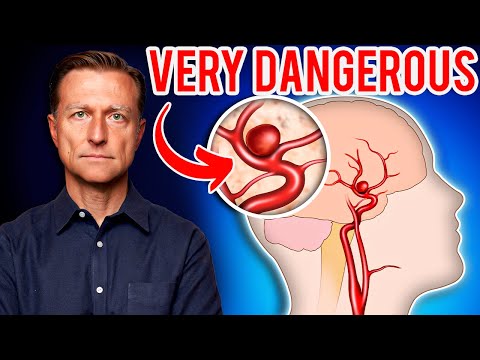
VoiceTube posted on 2024/06/27Did you know aneurysms are often called 'silent killers'? This video dives into how to prevent them, covering everything from hypertension and the thumb-to-palm test to the surprising links with dental bacteria and copper deficiency! You'll pick up tons of useful vocabulary while learning practical health tips you can use every day.
Learn this video on the APP!
The VoiceTube App has more in-depth practice for videos!