
advance
US /ædˈvæns/
UK /əd'vɑ:ns/
- Noun
- Forward movement by an army
- An attempt to seduce someone
- Verb (Transitive/Intransitive)
- (Of an army) to move forward
- To change or improve
A2TOEICMoreadvantage
US /ædˈvæntɪdʒ/
UK /əd'vɑ:ntɪdʒ/
- Noun (Countable/Uncountable)
- Thing making the chance of success higher
- A positive point about something
- Transitive Verb
- To make use of something, especially to further one's own position; exploit.
A2TOEICMoreappeal
US /əˈpil/
UK /ə'pi:l/
- Uncountable Noun
- Ability to attract interest, attention, or desire
- Verb (Transitive/Intransitive)
- To attract interest, attention, or desire
- To request a judge or others to change a decision
A2TOEICMorearound the world
US /əˈraʊnd ði wɜrld/
UK /əˈraund ðə wɜː(r)ld/
- Phrase
- In or to many countries.
- In various places throughout the world.
A2Moreattempt
US /əˈtɛmpt/
UK /ə'tempt/
- Verb (Transitive/Intransitive)
- To try to do something challenging or difficult
- Noun
- Effort made to try to do or accomplish something
A2TOEICMorebudget
US /ˈbʌdʒɪt/
UK /'bʌdʒɪt/
- Noun (Countable/Uncountable)
- Amount of money planned to be spent
- Verb (Transitive/Intransitive)
- To make a plan for how to spend your money
A2TOEICMorechildcare
US /ˈtʃaɪldker/
UK /ˈtʃaɪldkeə(r)/
- Uncountable Noun
- Looking after children and babies
- Adjective
- Looking after children and babies
C1Morecompetency
US /ˈkɑ:mpɪtənsi/
UK /ˈkɒmpɪtənsi/
- Noun (Countable/Uncountable)
- Ability to do in a fully satisfactory way
- The legal capacity to perform a specific act.
B2Moredecline
US /dɪˈklaɪn/
UK /dɪ'klaɪn/
- Intransitive Verb
- To bend towards the ground
- To slope downward.
- Verb (Transitive/Intransitive)
- To lessen in quality or value
A2TOEICMorededicate
US /ˈdɛdɪˌket/
UK /'dedɪkeɪt/
- Transitive Verb
- To state a person's name in book, song, in respect
- To give your energy, time, etc. completely
B1TOEICMoredisproportionately
US /ˌdɪsprə'pɔ:ʃənətlɪ/
UK /ˌdɪsprə'pɔ:ʃənətlɪ/
- Adverb
- To too great a degree when compared to something
- To an excessive degree; in a way that is not properly balanced.
B2Moreelect
US /ɪˈlɛkt/
UK /ɪ'lekt/
- Transitive Verb
- To select someone for a position by voting
B1TOEICMoreelection
US /ɪˈlɛkʃən/
UK /ɪ'lekʃn/
- Noun
- Process of choosing someone by voting
B1TOEICMoreengagement
US /ɛnˈɡedʒmənt/
UK /ɪnˈgeɪdʒmənt/
- Noun (Countable/Uncountable)
- Something you must do at a set time; appointment
- Fight between opposing military forces in a war
A2TOEICMoreface off
US
UK
- Phrasal Verb
- To oppose one another (often in sports)
- Verb (Transitive/Intransitive)
- To confront or compete against someone in a direct contest.
- To participate in a faceoff in ice hockey.
A1Morefamiliarity
US /fəˌmɪlˈjærɪti, -ˌmɪliˈær-/
UK /fəˌmɪliˈærəti/
- Uncountable Noun
- Manner of talking or behaving
- Close acquaintance with or knowledge of something.
B1Morefavor
US /ˈfevɚ/
UK /'feɪvə/
- Noun
- Support or approval from people
- Small gift given out at a party
- Transitive Verb
- To prefer or promote over another
A2Morefeel like
US
UK
- Intransitive Verb
- To have a desire or inclination for something.
- To have a particular quality or sensation; resemble.
A1Morefunniest
US
UK
- Adjective
- Causing the most laughter or amusement
B1Moregain access
US
UK
- Verb (Transitive/Intransitive)
- To obtain the ability or right to enter or use something.
B1Moreglobally
US /'ɡloʊbəlɪ/
UK /'ɡləʊbəlɪ/
- Adverb
- Throughout the world
B1Moreglobe
US /gloʊb/
UK /gləʊb/
- Noun (Countable/Uncountable)
- A round object, e.g. like the earth; sphere
B1TOEICMorego back to
US /ɡo bæk tu/
UK /ɡəu bæk tu:/
- Phrasal Verb
- To return to a starting point
A1Moregrandpa
US /ˈɡrændˌpɑ, ˈɡræn-, ˈɡræmˌpɑ, ˈɡræmpə/
UK /ˈgrænpɑ:/
- Countable Noun
- Your mother or father's father
B2Morehave to
US /hæv tu/
UK /ˈhæv tə/
- Auxiliary Verb
- Must do
A1Moreignore
US /ɪɡˈnɔr, -ˈnor/
UK /ɪɡ'nɔ:(r)/
- Transitive Verb
- To not listen to, look at, or pay attention to
A2TOEICMorein particular
US /ɪn pɚˈtɪkjəlɚ/
UK /in pəˈtikjulə/
- Phrase
- Specifically; especially.
- Detailed or precise.
A1Morein power
US /ɪn ˈpaʊɚ/
UK /in ˈpauə/
- Adjective
- Having control of a country or organization.
- Phrase
- During a period of holding authority or control.
B1Morein the house
US
UK
- Phrase
- Located inside a building used as a dwelling.
- Within a legislative body, such as a parliament or congress.
A1Morein the past
US
UK
- Phrase
- During a former period of time; previously.
A1Morein the world
US /ɪn ði wɜrld/
UK /in ðə wɜː(r)ld/
- Phrase
- Used to emphasize a question expressing surprise, confusion, disbelief
- Used to indicate the extent or degree of something, often in a superlative sense
A1Moreincumbent
US /ɪnˈkʌmbənt/
UK /ɪn'kʌmbənt/
- Countable Noun
- A person who holds a particular office or position
C1TOEICMorejig
US /dʒɪɡ/
UK /dʒɪɡ/
- Noun
- Lively dance
C1Morelead to
US /lid tu/
UK /li:d tu:/
- Phrasal Verb
- To result in some action
- Verb (Transitive/Intransitive)
- To have something as a consequence or result.
A1Morelegitimacy
US /ləˈdʒɪtəməsi/
UK /lɪ'dʒɪtɪməsɪ/
- Uncountable Noun
- Legally allowed act; undisputed credibility
B2Moremedian
US /ˈmidiən/
UK /ˈmi:diən/
- Adjective
- Being in the middle or average
- Noun
- Middle of an ordered set of numbers
B2Moremental
US /ˈmɛntl/
UK /ˈmentl/
- Adjective
- Concerning the mind
A2TOEICMorenarrator
US /ner.eɪ.tɚ/
UK /nəˈreɪtə(r)/
- Noun
- Person or character who tells a story
- A person who provides commentary or narration, especially for a broadcast or performance.
B1Moreof course
US /ʌv kɔː(r)s/
UK /ɔv kɔː(r)s/
- Adverb
- Sure ; Certainly
- Phrase
- For sure; certainly
A2Moreon average
US /ɑn ˈævərɪdʒ/
UK /ɔn ˈævəridʒ/
- Phrase
- Typically; usually; based on an average calculation.
B1Moreon fire
US /ɑn faɪr/
UK /ɔn ˈfaiə/
- Adjective
- Very successful or popular
- Burning
A2Moreon record
US /ɑn rɪˈkɚd/
UK /ɔn riˈkɔ:d/
- Adverb
- Formally and publicly stated
- Adjective
- Officially documented or registered.
A1Morepicked it up
US
UK
- Phrasal Verb
- To acquire or obtain something.
- To learn something, often without formal instruction.
A1Morepolitical
US /pəˈlɪtɪkəl/
UK /pəˈlɪtɪkl/
- Adjective
- Being active or interested in government matters
- Diplomatic
A2Morepopulation
US /ˌpɑpjəˈleʃən/
UK /ˌpɒpjuˈleɪʃn/
- Noun (Countable/Uncountable)
- Number of people who live in a country, area etc.
- A group of individuals of one species living in a particular area.
A2TOEICMorerapidly
US /ˈræpɪdlɪ/
UK /'ræpɪdlɪ/
- Adverb
- With great speed; quickly
B1TOEICMorerecruit
US /rɪˈkrut/
UK /rɪ'kru:t/
- Countable Noun
- Person who has just joined the military
- Person who has just begun a new activity or job
- Transitive Verb
- To convince and help people to join the military
- To find new employees, volunteers or members
B1TOEICMorereelection
US
UK
- Noun
- Act of election or being elected again
B2Morereflect
US /rɪˈflɛkt/
UK /rɪ'flekt/
- Verb (Transitive/Intransitive)
- To indicate or be a sign of something
- To bounce back light, heat, sound from a surface
A2TOEICMorerepresent
US /ˌrɛprɪˈzɛnt/
UK /ˌreprɪ'zent/
- Transitive Verb
- To depict art objects, figures, scenes; to portray
- To show or describe something in a particular way
A2TOEICMorerun in
US /rʌn ɪn/
UK /rʌn in/
- Phrasal Verb
- To arrest person and take them to police station
- To drive engine slowly until ready for normal use
A1Moreshow up
US /ʃo ʌp/
UK /ʃəu ʌp/
- Phrasal Verb
- To arrive or be seen at a place, e.g. a party
- To be noticeably better than (someone else)
A1Moretend
US /tɛnd/
UK /tend/
- Intransitive Verb
- To move or act in a certain manner
- Transitive Verb
- To take care of
A2Moreunemployment
US /ˌʌnɛmˈplɔɪmənt,-ɪm-/
UK /ˌʌnɪmˈplɔɪmənt/
- Uncountable Noun
- Number of people without jobs in a country
- State of not having a job
B1Morevaluable
US /ˈvæljuəbəl, ˈvæljə-/
UK /ˈvæljuəbl/
- Adjective
- Being useful or important
- Being worth a lot of money
B1TOEICMorevicious
US /ˈvɪʃəs/
UK /'vɪʃəs/
- Adjective
- Very dangerous, e.g. an animal or dog
- Being very mean or violent
B1Morevoter
US /ˈvotɚ/
UK /ˈvəʊtə(r)/
- Countable Noun
- Person who can vote in an election
B1Morewith it
US /wɪð ɪt/
UK /wið it/
- Adjective
- Intelligent, alert, and up-to-date.
- Understanding and knowledgeable about current trends or information.
A1Moreworldwide
US /ˈwɚldˈwaɪd/
UK /ˈwɜ:ldwaɪd/
- Adjective
- Spanning or extending throughout the entire world
- Adverb
- Extending or reaching throughout the whole world.
B1More
Vocabulary
- around the world: In or to many countries.
- in the house: Located inside a building used as a dwelling.
- in the world: Used to emphasize a question expressing surprise, confusion, disbelief
- lead to: To result in some action
- with it: Intelligent, alert, and up-to-date.
- have to: Must do
- feel like: To have a desire or inclination for something.
- on average: Typically; usually; based on an average calculation.
- in power: Having control of a country or organization.
- face off: To oppose one another (often in sports)
- on record: Formally and publicly stated
- in the past: During a former period of time; previously.
- of course: Sure ; Certainly
- run in: To arrest person and take them to police station
- gain access: To obtain the ability or right to enter or use something.
- in particular: Specifically; especially.
- go back to: To return to a starting point
- picked it up: To acquire or obtain something.
- on fire: Very successful or popular
- show up: To arrive or be seen at a place, e.g. a party
- sort: To organize things by putting them into groups
- mental: Concerning the mind
- tend: To move or act in a certain manner
- advantage: Thing making the chance of success higher
- attempt: To try to do something challenging or difficult
- dedicate: To state a person's name in book, song, in respect
- represent: To depict art objects, figures, scenes; to portray
- decline: To bend towards the ground
- reflect: To indicate or be a sign of something
- political: Being active or interested in government matters
- ignore: To not listen to, look at, or pay attention to
- appeal: Ability to attract interest, attention, or desire
- valuable: Being useful or important
- population: Number of people who live in a country, area etc.
- rapidly: With great speed; quickly
- advance: Forward movement by an army
- budget: Amount of money planned to be spent
- drop: Distance between a higher and a lower level
- engagement: Something you must do at a set time; appointment
- favor: Support or approval from people
- vicious: Very dangerous, e.g. an animal or dog
- lead: Wire for electricity, computer, etc.; cable
- record: Highest or most extreme level achieved
- social: Involving activity with people, e.g. in free time
- recruit: Person who has just joined the military
- important: Having power or authority
- narrator: Person or character who tells a story
- system: Set of organized, planned ideas that work together
- election: Process of choosing someone by voting
- government: Group of people and system that rule a nation
- worldwide: Spanning or extending throughout the entire world
- great: Very good; better than before
- change: To exchange one set of clothes for another
- familiarity: Manner of talking or behaving
- legitimacy: Legally allowed act; undisputed credibility
- world: All the humans, events, activities on the earth
- interested: Having had your attention taken; curious
- disproportionately: To too great a degree when compared to something
- globe: A round object, e.g. like the earth; sphere
- case: Container used to carry things, e.g. clothes
- unemployment: Number of people without jobs in a country
- feel: To be aware of or experience an emotion, sensation
- country: An area of land that is controlled by a government
- incumbent: A person who holds a particular office or position
- competency: Ability to do in a fully satisfactory way
- median: Being in the middle or average
- globally: Throughout the world
- elect: To select someone for a position by voting
- childcare: Looking after children and babies
- voter: Person who can vote in an election
- reelection: Act of election or being elected again
- funniest: Causing the most laughter or amusement
- jig: Lively dance
- grandpa: Your mother or father's father
Get the full experience in the app
Learn anywhere with detailed sentence and usage analysis
01:03
She took a brave step forward, leaving behind her comfort zone to chase her dreams.
Vocabulary
- brave
adj. Having courage
- comfort zone
phr. A familiar situation where one feels safe
Explanation
a brave step is a noun phrase, where brave is an adjective modifying the noun step, meaning "a courageous step".
forward is an adverb modifying step, meaning "ahead".
The whole phrase serves as the object, answering the "what" of took (verb) — she took a brave step forward.
Get the full experience in the app
Look up words anytime with pronunciation, part of speech, and usage
brave
US/brev/
UK/breɪv/
adj.Brave
v.t.To bravely face
A2 Elementary
Get the full experience in the app
Practice speaking anytime and get instant pronunciation feedback
Try this speaking exercise.
Try practicing with this sentence.
80
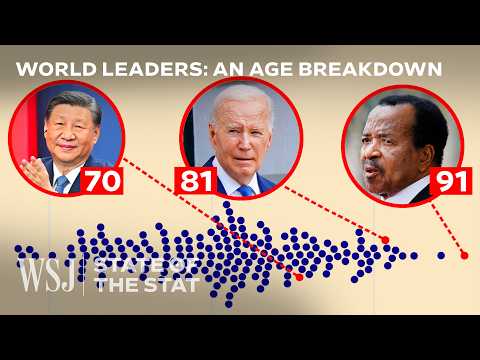
It’s Not Just the U.S. Why Are World Leaders So Old Now? | WSJ State of the Stat
0
林宜悉 posted on 2024/04/03Ever wonder why world leaders seem to be getting older and older? This video dives into the fascinating reasons behind the global political age gap, exploring everything from youth voter turnout to incumbency advantage. You'll pick up advanced vocabulary and complex sentence structures while learning about this intriguing trend!
Learn this video on the APP!
The VoiceTube App has more in-depth practice for videos!