
architecture
US /ˈɑrkɪˌtɛktʃɚ/
UK /ˈɑ:kɪtektʃə(r)/
- Uncountable Noun
- Design and construction of buildings
- The style or design of a building or buildings.
A2Morebridge
US /brɪdʒ/
UK /brɪdʒ/
- Noun
- Structure built over river, road so you can cross
- Transitive Verb
- To make a link between; bring together
A2Morecare of
US /kɛr ʌv/
UK /kɛə ɔv/
- Preposition
- Used in an address to indicate the person who will receive the mail for someone else.
A2Morecareful
US /ˈkerfl/
UK /ˈkeəfl/
- Adjective
- Trying not to make mistakes; working slowly
- Cautious and attentive to potential dangers or problems.
A2Moredelicate
US /ˈdɛlɪkɪt/
UK /'delɪkət/
- Adjective
- Easily broken or damaged
- Finely made, with great care
B1Moredistrict
US /ˈdɪstrɪkt/
UK /'dɪstrɪkt/
- Noun (Countable/Uncountable)
- Area of a country, city, or town
- A region or area known for a particular activity, industry, or feature.
A2Moredivide
US /dɪˈvaɪd/
UK /dɪ'vaɪd/
- Verb (Transitive/Intransitive)
- To split numbers by another number, e.g. 6 / 2 = 3
- To separate something into equal pieces
- Noun
- A separation or distinction.
A2TOEICMoreenforce
US /ɪnˈfɔ:rs/
UK /ɪnˈfɔ:s/
- Transitive Verb
- To force something to be done or accepted
- To make (a rule) active or effective
A2Moreexceed
US /ɪkˈsid/
UK /ɪk'si:d/
- Transitive Verb
- To be greater in number, degree than something
- To go above or beyond a limit or rule
B1TOEICMoreforeign
US /ˈfɔ:rən/
UK /ˈfɒrən/
- Adjective
- Being of a different place or country
- Strange; different from ones found at home
A2TOEICMoregeisha
US /ˈɡeʃə, ˈɡi-/
UK /'ɡeɪʃə/
- Noun
- Japanese female entertainer, dancer and singer
C2Moregenerous
US /ˈdʒɛnərəs/
UK /ˈdʒenərəs/
- Adjective
- Giving or ready to give freely
- (Of an amount) larger than usual; lavish
A2TOEICMoreharass
US /ˈhærəs, həˈræs/
UK /'hærəs/
- Transitive Verb
- To bother repeatedly with harmful words or actions
B1Morehave to
US /hæv tu/
UK /ˈhæv tə/
- Auxiliary Verb
- Must do
A1Moreheritage
US /ˈhɛrɪtɪdʒ/
UK /'herɪtɪdʒ/
- Noun (Countable/Uncountable)
- Traditional beliefs or customs of a culture
B1Morehospitality
US /ˌhɑspɪˈtælɪti/
UK /ˌhɒspɪ'tælətɪ/
- Uncountable Noun
- Welcoming treatment of visitors or guests
- The business of providing services to guests in hotels, restaurants, etc.
B1Moreopinion
US /əˈpɪnjən/
UK /əˈpɪnjən/
- Noun
- Court judge's statement why a decision was made
- A person's thoughts on a topic
A2TOEICMorepandemic
US /pænˈdɛmɪk/
UK /pæn'demɪk/
- Adjective
- (of a disease) existing in almost all of an area or in almost all of a group of people, animals, or plants
- Noun
- a pandemic disease
C2Morepass through
US /pæs θru/
UK /pɑ:s θru:/
- Phrasal Verb
- To experience something, often unpleasant or difficult.
- To go through something; to move from one side to the other of something.
A2Moreprivacy
US /ˈpraɪvəsi/
UK /ˈprɪvəsi/
- Uncountable Noun
- State of being hidden from the presence of others
B2TOEICMoresight
US /saɪt/
UK /saɪt/
- Transitive Verb
- To aim (a gun) at something to get your range
- To see something rare or unusual
- Noun (Countable/Uncountable)
- Things or people that one can see
- Range or distance that someone can see
A2TOEICMoretake over
US /tek ˈovɚ/
UK /teik ˈəuvə/
- Phrasal Verb
- To gain control of (a company) from someone else
- To assume control or possession of something.
A1Moretourism
US /ˈtʊrɪzəm/
UK /ˈtʊərɪzəm/
- Uncountable Noun
- Visiting to new places, e.g. abroad, for vacations
A2Moretourist
US /ˈtʊrɪst/
UK /ˈtʊərɪst/
- Countable Noun
- Someone who travels to a place for pleasure
A2Moretraditional
US /trəˈdɪʃənəl/
UK /trəˈdɪʃənl/
- Adjective
- Involved in a custom or event common to a people
A2TOEICMoreunique
US /juˈnik/
UK /jʊ'ni:k/
- Adjective
- Unlike other things; being the only one like it
- Remarkably special or unusual.
A2TOEICMorewooden
US /ˈwʊdn/
UK /ˈwʊdn/
- Adjective
- (Of acting) without natural emotion; unconvincing
- Made of wood
A2More
Vocabulary
- pass through: To experience something, often unpleasant or difficult.
- care of: Used in an address to indicate the person who will receive the mail for someone else.
- have to: Must do
- take over: To gain control of (a company) from someone else
- present: Being in attendance; being there; having turned up
- pandemic: (of a disease) existing in almost all of an area or in almost all of a group of people, animals, or plants
- delicate: Easily broken or damaged
- expect: To believe something is probably going to happen
- unique: Unlike other things; being the only one like it
- opinion: Court judge's statement why a decision was made
- increase: To make or become larger in size or amount
- divide: To split numbers by another number, e.g. 6 / 2 = 3
- heritage: Traditional beliefs or customs of a culture
- private: Being away from others and quiet
- perform: To carry out an action well or successfully
- architecture: Design and construction of buildings
- drop: Distance between a higher and a lower level
- generous: Giving or ready to give freely
- guess: To give an answer without knowing if it is correct
- district: Area of a country, city, or town
- privacy: State of being hidden from the presence of others
- record: Highest or most extreme level achieved
- foreign: Being of a different place or country
- sight: To aim (a gun) at something to get your range
- allow: To admit the validity or truth of something
- hospitality: Welcoming treatment of visitors or guests
- exceed: To be greater in number, degree than something
- traditional: Involved in a custom or event common to a people
- enforce: To force something to be done or accepted
- find: To become aware of something that is happening
- start: First time or place that a thing exists; beginning
- area: Amount of measured space
- tourist: Someone who travels to a place for pleasure
- problem: Something difficult to deal with or causes trouble
- harass: To bother repeatedly with harmful words or actions
- country: An area of land that is controlled by a government
- touch: To affect feelings, especially by causing sympathy
- tourism: Visiting to new places, e.g. abroad, for vacations
- bridge: Structure built over river, road so you can cross
- wooden: (Of acting) without natural emotion; unconvincing
- careful: Trying not to make mistakes; working slowly
- geisha: Japanese female entertainer, dancer and singer
Get the full experience in the app
Learn anywhere with detailed sentence and usage analysis
01:03
She took a brave step forward, leaving behind her comfort zone to chase her dreams.
Vocabulary
- brave
adj. Having courage
- comfort zone
phr. A familiar situation where one feels safe
Explanation
a brave step is a noun phrase, where brave is an adjective modifying the noun step, meaning "a courageous step".
forward is an adverb modifying step, meaning "ahead".
The whole phrase serves as the object, answering the "what" of took (verb) — she took a brave step forward.
Get the full experience in the app
Look up words anytime with pronunciation, part of speech, and usage
brave
US/brev/
UK/breɪv/
adj.Brave
v.t.To bravely face
A2 Elementary
Get the full experience in the app
Practice speaking anytime and get instant pronunciation feedback
Try this speaking exercise.
Try practicing with this sentence.
80
0
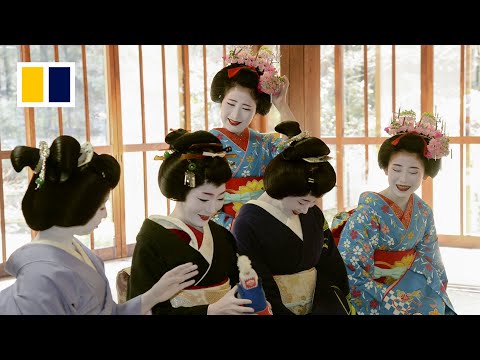
林宜悉 posted on 2024/03/17Planning a trip to Kyoto? You'll want to see this video before you go, especially if you're interested in the Gion district and its famous geisha! It covers essential tourist etiquette and explains the new photo ban, helping you navigate this beautiful cultural heritage site respectfully and learn some practical phrases along the way.
Learn this video on the APP!
The VoiceTube App has more in-depth practice for videos!