
afford
US /əˈfɔrd, əˈford/
UK /ə'fɔ:d/
- Transitive Verb
- To make available, to provide
- To have enough money to pay for something
A2TOEICMoreafter all
US /ˈæftɚ ɔl/
UK /ˈɑ:ftə ɔ:l/
- Adverb
- In spite of what was expected; used to introduce a statement that supports a previous statement or explains why it was made
- Considering everything; used to indicate that something is happening or is true despite some difficulty or obstacle
- Phrase
- Despite what was expected or thought; in spite of everything.
- Taking everything into consideration; considering that.
B1Moreancient
US /ˈenʃənt/
UK /'eɪnʃənt/
- Adjective
- Very old; having lived a very long time ago
- Relating to a period in history, especially in the distant past.
- Noun
- A person who lived in ancient times.
A2Moreas we know it
US /əz wi no ɪt/
UK /əz wi nəu ɪt/
- other
- In the form or way commonly understood or accepted.
B2Moreat least
US /æt list/
UK /æt li:st/
- Adverb
- As a minimum
- Not less than
- Phrase
- No less than; at the minimum
- Used to indicate that something is positive in a bad situation.
C2Moreat the same time
US
UK
- Phrase
- Simultaneously; at the identical moment.
- Nevertheless; however; used to introduce a contrasting or qualifying statement.
A1Moreby contrast
US /baɪ ˈkɑntræst/
UK /bai ˈkɔntræst/
- Phrase
- Used to introduce an idea or situation that is very different from one you have just mentioned.
B2Morecarriage
US /ˈkærɪdʒ/
UK /ˈkærɪdʒ/
- Noun (Countable/Uncountable)
- Vehicle on wheels, usually pulled by a horse
- A separate section of a train for passengers.
B1Moreconstraint
US /kənˈstrent/
UK /kənˈstreɪnt/
- Noun (Countable/Uncountable)
- Thing preventing you moving or acting; restriction
B1Morecontrast
US /ˈkɑ:ntræst/
UK /'kɒntrɑ:st/
- Verb (Transitive/Intransitive)
- To compare; to show clear, obvious differences
- Noun (Countable/Uncountable)
- Comparison that shows obvious differences
- Difference in light and dark in photos, etc.
A2Morecorrelate
US /ˈkɔ:rəleɪt/
UK /ˈkɒrəleɪt/
- Verb (Transitive/Intransitive)
- To have/show the relationship between two things
- To have a mutual relationship or connection; to establish a systematic connection.
- Noun
- Something that is mutually related to or associated with something else.
B1TOEICMoredecline
US /dɪˈklaɪn/
UK /dɪ'klaɪn/
- Intransitive Verb
- To bend towards the ground
- To slope downward.
- Verb (Transitive/Intransitive)
- To lessen in quality or value
A2TOEICMoredemographic
US /ˌdemə'ɡræfɪk/
UK /ˌdemə'ɡræfɪk/
- Noun
- Group of people with similar characteristics
- A particular sector of a population.
- Adjective
- Characterizing human populations
C2Moreeconomically
US /ˌikəˈnɑmɪklɪ/
UK /ˌi:kəˈnɒmɪkli/
- Adverb
- In an efficient manner
- In an efficient manner; without using much effort
B1Moreextent
US /ɪkˈstɛnt/
UK /ɪkˈstent/
- Noun (Countable/Uncountable)
- Point, level or limit to which something reaches
- Range or space included in something
A2TOEICMorefinancial
US /faɪˈnænʃ(ə)l/
UK /faɪˈnænʃl/
- Adjective
- Involving money
- Relating to investments.
- Countable Noun
- A person who provides advice on financial matters.
A2TOEICMorefor example
US
UK
- Phrase
- As an illustration or instance.
go ahead
US /ɡo əˈhɛd/
UK /ɡəu əˈhed/
- Phrasal Verb
- To start an activity; start doing, working etc.
- To give permission to do something
- Intransitive Verb
- To start or proceed with something
- To proceed despite potential obstacles or doubts.
A1Morehave to
US /hæv tu/
UK /ˈhæv tə/
- Auxiliary Verb
- Must do
A1Moreiceberg
US /ˈaɪsˌbə:ɡ/
UK /'aɪsbɜ:ɡ/
- Noun (Countable/Uncountable)
- Very large mass of floating ice in the sea
B1Moreimpact
US /ˈɪmˌpækt/
UK /'ɪmpækt/
- Noun
- A striking effect or result to hit with force
- Act or force of one thing hitting something else
- Verb (Transitive/Intransitive)
- To hit or strike someone or something with force
- To have a strong effect on someone or something.
A2TOEICMorein a nutshell
US
UK
- Phrase
- As a summary; including the main points concisely
C2Morein part
US /ɪn pɑrt/
UK /in pɑ:t/
- Adverb
- To some extent; partially.
A1Morein play
US
UK
- Adjective
- In a state of being actively involved in a game or activity.
- Available or under consideration.
A1Morein terms of
US
UK
- Phrase
- With regard to; concerning a particular aspect.
A1Morein the first place
US
UK
- Phrase
- To begin with; as the first point or consideration.
- From the beginning; initially.
A1Moreintentional
US /ɪnˈtɛnʃənəl/
UK /ɪnˈtenʃənl/
- Adjective
- Done with a deliberate plan to do or achieve
B1Morenecessarily
US /ˌnɛsɪˈsɛrəli, -ˈsɛr-/
UK /ˌnesəˈserəli/
- Adverb
- In a way that is needed/required/is unavoidable
A2TOEICMoreneighbor
US /ˈnebɚ/
UK /'neɪbə/
- Noun (Countable/Uncountable)
- Person who lives, or is near, you
- A country or area next to another.
- Adjective
- Situated near or next to something.
B1Morenutshell
US /ˈnʌtˌʃɛl/
UK /ˈnʌtʃel/
- Countable Noun
- Shell that surrounds the kernel of a nut
C2Moreof course
US /ʌv kɔː(r)s/
UK /ɔv kɔː(r)s/
- Adverb
- Sure ; Certainly
- Phrase
- For sure; certainly
A2Moreoutside of
US /aʊtˈsaɪd ʌv/
UK /ˌautˈsaid ɔv/
- Preposition
- Located or situated beyond the boundaries or confines of something.
- Beyond the scope, range, or limits of something.
A1Morephenomenon
US /fɪˈnɑməˌnɑn, -nən/
UK /fə'nɒmɪnən/
- Noun (Countable/Uncountable)
- Unusual event, fact that can be studied
- Interesting or unusual person, group
B1Morepopulation
US /ˌpɑpjəˈleʃən/
UK /ˌpɒpjuˈleɪʃn/
- Noun (Countable/Uncountable)
- Number of people who live in a country, area etc.
- A group of individuals of one species living in a particular area.
A2TOEICMorepronounce
US /prəˈnaʊns/
UK /prə'naʊns/
- Transitive Verb
- To state something in a legal or official way
- To give your opinion or decision about something
B1Moreregister
US /ˈrɛdʒɪstɚ/
UK /'redʒɪstə(r)/
- Transitive Verb
- To record your name on an official list; sign up
- To show an amount on a measurement device
- Noun
- Till; machine used add up things you buy
- Range of notes of a person's (singing) voice
A2Moresame time
US
UK
- Phrase
- Occurring simultaneously or at the same point in time.
- At the identical time as before; recurring at a fixed hour.
- Noun
- An equal duration or period.
A1Moresecularism
US /ˈsɛkjələˌrɪzəm/
UK /ˈsekjələrɪzəm/
- Uncountable Noun
- Rejection of religion or religious control
B2Moresequence
US /ˈsikwəns, -ˌkwɛns/
UK /'si:kwəns/
- Noun
- Part of a movie showing one part of the story
- A particular order in which related events, movements, or things follow each other.
- Transitive Verb
- To arrange things in an order they should happen
A2TOEICMoreset up
US /sɛt ʌp/
UK /set ʌp/
- Phrasal Verb
- To make arrangements for something; establish
- Verb (Transitive/Intransitive)
- To arrange or prepare something for use.
- To start a business, organization, etc.
A1Moresignificantly
US /sɪɡˈnɪfəkəntlɪ/
UK /sɪgˈnɪfɪkəntli/
- Adverb
- In a way that is important or noticeable
- In a way that is meaningful
A2Moresociety
US /səˈsaɪɪti/
UK /sə'saɪətɪ/
- Noun (Countable/Uncountable)
- A group who meet to share values or interests
- Group of people living together
A2TOEICMoretend
US /tɛnd/
UK /tend/
- Intransitive Verb
- To move or act in a certain manner
- Transitive Verb
- To take care of
A2Moretip of the iceberg
US /ˈtɪp əv ði ˈaɪsbɚg/
UK /ˈtip əv ðə ˈaɪsbə:g/
- other
- A small visible part of a much larger problem.
B2Moretuxedo
US /tʌkˈsi:doʊ/
UK /tʌkˈsi:dəʊ/
- Noun
- (Formal) jacket trousers, often worn with bow tie
C1Moreunmarried
US /ʌnˈmærid/
UK /ˌʌnˈmærid/
- Adjective
- Not being married
B1Morevariety
US /vəˈraɪɪti/
UK /və'raɪətɪ/
- Noun
- Particular type of thing or person
- The quality or state of being different or diverse; the absence of uniformity, sameness, or monotony.
A2TOEICMoreworkplace
US /ˈwɚkˌples/
UK /ˈwɜ:kpleɪs/
- Noun (Countable/Uncountable)
- Place where work is done
B2More
Vocabulary
- outside of: Located or situated beyond the boundaries or confines of something.
- as we know it: In the form or way commonly understood or accepted.
- in terms of
- after all: In spite of what was expected; used to introduce a statement that supports a previous statement or explains why it was made
- go ahead: To start an activity; start doing, working etc.
- at least: As a minimum
- have to: Must do
- tip of the iceberg: A small visible part of a much larger problem.
- in a nutshell: As a summary; including the main points concisely
- in play: In a state of being actively involved in a game or activity.
- of course: Sure ; Certainly
- by contrast: Used to introduce an idea or situation that is very different from one you have just mentioned.
- in part: To some extent; partially.
- in the first place: To begin with; as the first point or consideration.
- for example: As an illustration or instance.
- set up
- at the same time: Simultaneously; at the identical moment.
- same time: Occurring simultaneously or at the same point in time.
- sort: To organize things by putting them into groups
- phenomenon: Unusual event, fact that can be studied
- ancient: Very old; having lived a very long time ago
- impact: A striking effect or result to hit with force
- tend: To move or act in a certain manner
- force: Group of persons trained for military action; army
- necessarily: In a way that is needed/required/is unavoidable
- variety: Particular type of thing or person
- decline: To bend towards the ground
- extent: Point, level or limit to which something reaches
- significantly: In a way that is important or noticeable
- pronounce: To state something in a legal or official way
- financial: Involving money
- afford: To make available, to provide
- similar: Nearly the same; alike
- society: A group who meet to share values or interests
- contrast: To compare; to show clear, obvious differences
- sequence: Part of a movie showing one part of the story
- register: To record your name on an official list; sign up
- population: Number of people who live in a country, area etc.
- introduce: To open an essay to set the scene
- rate: To assess something or consider its qualities
- ground: To break (coffee, etc.) into tiny bits with machine
- economy: Using money, resources in a careful, effective way
- fall: Season after summer and before winter; Autumn
- nutshell: Shell that surrounds the kernel of a nut
- demographic: Group of people with similar characteristics
- place: To put someone in a particular type of situation
- kind: In a caring and helpful manner
- intentional: Done with a deliberate plan to do or achieve
- fully: Completely or entirely
- continue: To do something without stopping, or after pausing
- support: To give assistance or advice to someone
- government: Group of people and system that rule a nation
- middle: Place that is halfway between two things
- carriage: Vehicle on wheels, usually pulled by a horse
- correlate: To have/show the relationship between two things
- constraint: Thing preventing you moving or acting; restriction
- iceberg: Very large mass of floating ice in the sea
- neighbor: Person who lives, or is near, you
- economically: In an efficient manner
- workplace: Place where work is done
- tuxedo: (Formal) jacket trousers, often worn with bow tie
- secularism: Rejection of religion or religious control
- unmarried: Not being married
Get the full experience in the app
Learn anywhere with detailed sentence and usage analysis
01:03
She took a brave step forward, leaving behind her comfort zone to chase her dreams.
Vocabulary
- brave
adj. Having courage
- comfort zone
phr. A familiar situation where one feels safe
Explanation
a brave step is a noun phrase, where brave is an adjective modifying the noun step, meaning "a courageous step".
forward is an adverb modifying step, meaning "ahead".
The whole phrase serves as the object, answering the "what" of took (verb) — she took a brave step forward.
Get the full experience in the app
Look up words anytime with pronunciation, part of speech, and usage
brave
US/brev/
UK/breɪv/
adj.Brave
v.t.To bravely face
A2 Elementary
Get the full experience in the app
Practice speaking anytime and get instant pronunciation feedback
Try this speaking exercise.
Try practicing with this sentence.
80
0
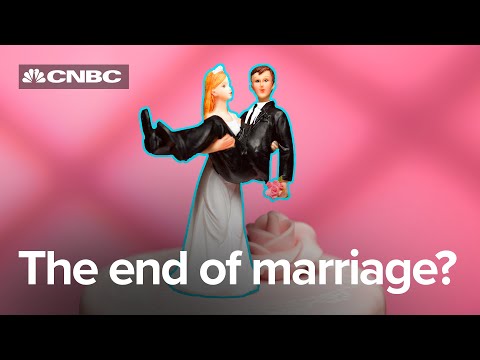
林宜悉 posted on 2023/09/22Ever wondered why fewer people are tying the knot these days? This video dives into the fascinating trends behind the decline in marriage and the rise of cohabitation, packed with vocabulary about economics and societal shifts. You'll gain a deeper understanding of these global changes while boosting your knowledge and vocabulary!
Learn this video on the APP!
The VoiceTube App has more in-depth practice for videos!