
acne
US /ˈækni/
UK /ˈækni/
- Uncountable Noun
- Red spots or pimples on your face
B2Moreall the things
US
UK
- Pronoun
- Everything; all items or aspects
- Determiner
- Every item or object being considered or discussed.
A1Morearound the clock
US /əˈraʊnd ði klɑk/
UK /əˈraund ðə klɔk/
- Phrase
- All day and all night; continuously.
A1Morearthritis
US /ɑrˈθraɪtɪs/
UK /ɑ:ˈθraɪtɪs/
- Noun
- Diseases of the joints often with painful swelling
B2Moreauthor
US /ˈɔθɚ/
UK /'ɔ:θə(r)/
- Noun (Countable/Uncountable)
- Person who writes books, plays, poems etc.
- Transitive Verb
- To write book or articles
B1Moreavoid
US /əˈvɔɪd/
UK /ə'vɔɪd/
- Transitive Verb
- To prevent from happening
- To stay away from
A2TOEICMorecancer
US /ˈkænsɚ/
UK /'kænsə(r)/
- Noun
- Any growth caused by abnormal cell division
B1Morecellular
US /ˈsɛljəlɚ/
UK /'seljələ(r)/
- Adjective
- Concerning a cell of a living thing
- (Of radio signals) functioning without wires
B2Morechannel
US /ˈtʃænəl/
UK /'tʃænl/
- Noun (Countable/Uncountable)
- Long hole dug in the ground, e.g. to move water
- TV or radio station or its programs
- Transitive Verb
- To dig a long hole for carrying water
- To send (e.g. money) to a certain place or person
B1Morecharge
US /tʃɑrdʒ/
UK /tʃɑ:dʒ/
- Verb (Transitive/Intransitive)
- To run quickly toward someone to attack them
- To ask for money as a price for a service or goods
- Noun (Countable/Uncountable)
- An attack by running quickly toward someone
- A price for a service or goods
A2Morecheck out
US /tʃɛk aʊt/
UK /tʃek aut/
- Phrase
- Phrasal Verb
- To find out information about something
- To take books out of a library
A1Morecognitive
US /ˈkɑɡnɪtɪv/
UK /ˈkɒgnətɪv/
- Adjective
- The process of knowing and remembering
- Relating to the ability to think and reason.
C1Morecollaboration
US /kəˌlæbəˈreɪʃn/
UK /kəˌlæbəˈreɪʃn/
- Uncountable Noun
- Act of working with someone to complete a task
B1Morecondition
US /kənˈdɪʃən/
UK /kənˈdɪʃn/
- Transitive Verb
- To improve something to make it better
- To cause to behave automatically in a certain way
- Noun (Countable/Uncountable)
- Disease or other medical problem
- The state of living you are in, e.g. good health
A2Moredecline
US /dɪˈklaɪn/
UK /dɪ'klaɪn/
- Intransitive Verb
- To bend towards the ground
- To slope downward.
- Verb (Transitive/Intransitive)
- To lessen in quality or value
A2TOEICMoredefective
US /dɪˈfɛktɪv/
UK /dɪˈfektɪv/
- Adjective
- Having a defect; faulty
- Noun
- A person with a mental or physical disability (offensive, archaic).
B1Moredepend
US /dɪˈpend/
UK /dɪˈpend/
- Verb (Transitive/Intransitive)
- Be controlled or determined by (someone/something)
- To rely on someone or something for support, help, or existence.
B1TOEICMoredepending on
US
UK
- Phrasal Verb
- To rely on for support (financial or emotional)
- Influenced or determined by.
- Preposition
- Subject to; contingent on
- Relying on someone or something for support or assistance.
A2Moredepression
US /dɪˈprɛʃən/
UK /dɪ'preʃn/
- Noun (Countable/Uncountable)
- Medical condition of a lack of vitality
- Period of unemployment and low economic activity
B2Moredescription
US /dɪˈskrɪpʃən/
UK /dɪˈskrɪpʃn/
- Noun
- Explanation of what something is like, looks like
- The type or nature of someone or something.
A2TOEICMorediabetes
US /ˌdaɪəˈbitɪs, -tiz/
UK /ˌdaɪəˈbi:ti:z/
- Noun (Countable/Uncountable)
- Illness where there is too much sugar in the blood
- A form of diabetes, usually diagnosed in children and young adults, in which the body does not produce insulin.
B2Morediagnose
US /ˌdaɪəgˈnoʊs/
UK /ˈdaɪəgnəʊz/
- Transitive Verb
- To determine the cause of an illness or problem
B1Moredisease
US /dɪˈziz/
UK /dɪˈzi:z/
- Noun (Countable/Uncountable)
- Illness that affects a person, animal, or plant
- A disorder of structure or function in a plant, especially one caused by a pathogen.
- Transitive Verb
- To affect with disease; to corrupt or sicken.
A2TOEICMoredysfunction
US /dɪsˈfʌŋkʃən/
UK /dɪs'fʌŋkʃn/
- Noun (Countable/Uncountable)
- Failure to act as expected, as in a social context
- Impairment of normal physiological function.
B2Moreglobe
US /gloʊb/
UK /gləʊb/
- Noun (Countable/Uncountable)
- A round object, e.g. like the earth; sphere
B1TOEICMorehave to
US /hæv tu/
UK /ˈhæv tə/
- Auxiliary Verb
- Must do
A1Moreimmune
US /ɪˈmjoon/
UK /ɪˈmju:n/
- Adjective
- Having a special protection from, e.g. the law
- Protected against a particular disease or condition because of antibodies or vaccination.
B1Morein fact
US /ɪn fækt/
UK /in fækt/
- Adverb
- Used to emphasize the truth of a statement, especially one that contrasts with or contradicts something else.
- Used to introduce a more detailed or surprising piece of information.
- Phrase
- Used to emphasize the truth of a statement, especially one that is surprising or contrary to what might be expected.
C1Morein the game
US /ɪn ðə ˈɡeɪm/
UK /in ðə ˈɡeɪm/
- other
- Still involved or active in a competition or situation.
B2Moreinstitute
US / ˈɪnstɪˌtut, -ˌtjut/
UK /'ɪnstɪtju:t/
- Noun (Countable/Uncountable)
- Organization studying science, engineering etc.
- A short intensive course of instruction, often focusing on a specific topic.
- Transitive Verb
- To start or commence doing, e.g. a business plan
- To establish or start (a system, rule, or course of action).
A2TOEICMorelyric
US /ˈlɪrɪk/
UK /ˈlɪrɪk/
- Adjective
- In a tone, or style similar to an emotional song
- Noun
- The words of a song
B2Moremass
US /mæs/
UK /mæs/
- Noun (Countable/Uncountable)
- Religious ceremony in some Christian churches
- Large amount or number of something
- Transitive Verb
- To gather people or things into a large group
B1Moremenopause
US /ˈmɛnəˌpɔz/
UK /ˈmenəpɔ:z/
- Noun
- Mid-life period when women's periods stop
B2Moremetabolism
US /mɪˈtæbəˌlɪzəm/
UK /məˈtæbəlɪzəm/
- Uncountable Noun
- Chemical processes to convert food to energy
- The rate at which the body uses energy.
B2Moremitochondrial
US /ˌmaɪtoʊ'kɒndrɪrl/
UK /ˌmaɪtəʊ'kɒndrɪəl/
- Adjective
- Referring to mitochondria
C1Moreoccur
US /əˈkɚ/
UK /əˈkɜ:(r)/
- Intransitive Verb
- To come to pass or to happen
- To be found to exist; to be present.
A2TOEICMoreon the market
US
UK
- Phrase
- Available for sale.
- Actively seeking employment.
A2Morepat
US /pæt/
UK /pæt/
- Proper Noun
- Person's name
- Transitive Verb
- To hit or touch lightly
B1Morepopulation
US /ˌpɑpjəˈleʃən/
UK /ˌpɒpjuˈleɪʃn/
- Noun (Countable/Uncountable)
- Number of people who live in a country, area etc.
- A group of individuals of one species living in a particular area.
A2TOEICMorereach
US /ritʃ/
UK /ri:tʃ/
- Verb (Transitive/Intransitive)
- To come to or arrive at a goal or destination
- To be long enough to get to a certain place
- Uncountable Noun
- Power or control someone has over something
A2TOEICMorerecommend
US /ˌrɛkəˈmɛnd/
UK /ˌrekə'mend/
- Transitive Verb
- To advise or suggest that someone do something
- To endorse or support something publicly.
A2TOEICMoreresearch
US /rɪˈsɚtʃ, ˈriˌsɚtʃ/
UK /rɪ'sɜ:tʃ/
- Verb (Transitive/Intransitive)
- To study in order to discover new ideas and facts
- To study the market relating to marketing products and services.
- Noun (Countable/Uncountable)
- Study done to discover new ideas and facts
- A particular area or topic of study.
A2TOEICMorerole
US /rol/
UK /rəʊl/
- Noun
- Character played by an actor
- Part you play in an activity; job; responsibility
A2Moreroutine
US /ruˈtin/
UK /ru:ˈti:n/
- Adjective
- Happening or done regularly or habitually
- Always the same; boring through lack of variety
- Noun (Countable/Uncountable)
- Regular or habitual way of behaving or doing
- Series of actions that make up a performance
A2TOEICMoreslow down
US /slo daʊn/
UK /sləu daun/
- Phrasal Verb
- To reduce the speed
- To become less active or busy.
A1Moresusceptible
US /səˈsɛptəbəl/
UK /səˈseptəbl/
- Adjective
- Likely to fall prey to, be drawn to or influenced
- At risk of developing a certain illness or problem
B2TOEICMorethings change
US
UK
- Phrase
- Circumstances or situations do not remain constant; they evolve or transform over time.
- An acknowledgement of the need to adapt to new realities or developments.
A1Morethink of
US /θɪŋk ʌv/
UK /θiŋk ɔv/
- Phrasal Verb
- To look on as (being something specific); consider
- To consider or remember something.
- Verb (Transitive/Intransitive)
- To imagine or call something to mind
A1Moretopic
US /ˈtɑpɪk/
UK /'tɒpɪk/
- Noun (Countable/Uncountable)
- Subject or issue people talk or write about
A2TOEICMoretypically
US /ˈtɪpɪklɪ/
UK /ˈtɪpɪkli/
- Adverb
- In a normal or usual way
B1Moreweird
US /wɪrd/
UK /wɪəd/
- Adjective
- Odd or unusual; surprising; strange
- Eerily strange or disturbing.
B1Moreworkshop
US /ˈwɜ:rkʃɑ:p/
UK /ˈwɜ:kʃɒp/
- Noun
- A brief intensive course for a small group
B1TOEICMoreworsen
US /ˈwə:sən/
UK /'wɜ:sn/
- Verb (Transitive/Intransitive)
- To make or become worse
B2More
Vocabulary
- have to: Must do
- check out
- things change: Circumstances or situations do not remain constant; they evolve or transform over time.
- in fact: Used to emphasize the truth of a statement, especially one that contrasts with or contradicts something else.
- slow down: To reduce the speed
- depending on: To rely on for support (financial or emotional)
- around the clock: All day and all night; continuously.
- on the market: Available for sale.
- in the game: Still involved or active in a competition or situation.
- think of: To look on as (being something specific); consider
- all the things: Everything; all items or aspects
- weird: Odd or unusual; surprising; strange
- cognitive: The process of knowing and remembering
- susceptible: Likely to fall prey to, be drawn to or influenced
- immune: Having a special protection from, e.g. the law
- depression: Medical condition of a lack of vitality
- metabolism: Chemical processes to convert food to energy
- recommend: To advise or suggest that someone do something
- routine: Happening or done regularly or habitually
- diabetes: Illness where there is too much sugar in the blood
- description: Explanation of what something is like, looks like
- typically: In a normal or usual way
- develop: To explain something in steps and in detail
- disease: Illness that affects a person, animal, or plant
- decline: To bend towards the ground
- research: To study in order to discover new ideas and facts
- avoid: To prevent from happening
- brain: To strike someone forcefully on the head
- occur: To come to pass or to happen
- condition: To improve something to make it better
- reach: To come to or arrive at a goal or destination
- collaboration: Act of working with someone to complete a task
- charge: To run quickly toward someone to attack them
- population: Number of people who live in a country, area etc.
- compare: To consider how similar and different things are
- mass: Religious ceremony in some Christian churches
- institute: Organization studying science, engineering etc.
- throw: To use your arm to make something fly in the air
- risk: To do something potentially dangerous or foolish
- click: To work well with someone or something
- topic: Subject or issue people talk or write about
- role: Character played by an actor
- author: Person who writes books, plays, poems etc.
- noggin: A human head
- acne: Red spots or pimples on your face
- diagnose: To determine the cause of an illness or problem
- depend: Be controlled or determined by (someone/something)
- channel: Long hole dug in the ground, e.g. to move water
- system: Set of organized, planned ideas that work together
- arthritis: Diseases of the joints often with painful swelling
- chance: The way something happens without planning
- middle: Place that is halfway between two things
- turn: To become (a particular age)
- remember: To give someone a gift, e.g. birthday, wedding
- pat: Person's name
- cellular: Concerning a cell of a living thing
- make: To arrange or prepare something e.g. dinner
- part: Division of a book
- start: First time or place that a thing exists; beginning
- defective: Having a defect; faulty
- globe: A round object, e.g. like the earth; sphere
- dysfunction: Failure to act as expected, as in a social context
- cancer: Any growth caused by abnormal cell division
- lyric: In a tone, or style similar to an emotional song
- menopause: Mid-life period when women's periods stop
- workshop: A brief intensive course for a small group
- worsen: To make or become worse
- mitochondrial: Referring to mitochondria
Get the full experience in the app
Learn anywhere with detailed sentence and usage analysis
01:03
She took a brave step forward, leaving behind her comfort zone to chase her dreams.
Vocabulary
- brave
adj. Having courage
- comfort zone
phr. A familiar situation where one feels safe
Explanation
a brave step is a noun phrase, where brave is an adjective modifying the noun step, meaning "a courageous step".
forward is an adverb modifying step, meaning "ahead".
The whole phrase serves as the object, answering the "what" of took (verb) — she took a brave step forward.
Get the full experience in the app
Look up words anytime with pronunciation, part of speech, and usage
brave
US/brev/
UK/breɪv/
adj.Brave
v.t.To bravely face
A2 Elementary
Get the full experience in the app
Practice speaking anytime and get instant pronunciation feedback
Try this speaking exercise.
Try practicing with this sentence.
80
What Happens to Your Body at Different Ages?
0
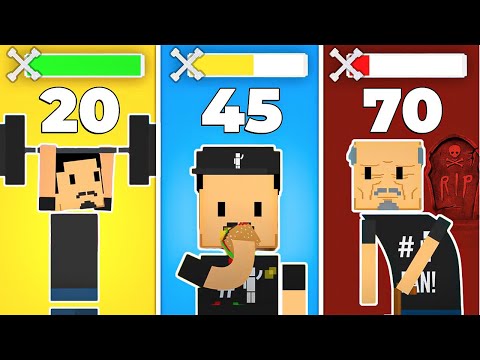
Susan posted on 2023/04/22Ever wondered what's happening inside your body as you age? This video dives into the fascinating science of human aging, from cellular changes to midlife health, and even touches on longevity tips! You'll pick up some advanced vocabulary related to health and aging, making it a great way to boost your English knowledge and your understanding of your own body.
Learn this video on the APP!
The VoiceTube App has more in-depth practice for videos!