
after all
US /ˈæftɚ ɔl/
UK /ˈɑ:ftə ɔ:l/
- Adverb
- In spite of what was expected; used to introduce a statement that supports a previous statement or explains why it was made
- Considering everything; used to indicate that something is happening or is true despite some difficulty or obstacle
- Phrase
- Despite what was expected or thought; in spite of everything.
- Taking everything into consideration; considering that.
B1Moreat large
US /æt lɑrdʒ/
UK /æt lɑ:dʒ/
- Adjective
- (of a person or animal, especially one that is dangerous) not captured; free.
A2Morebarrier
US /ˈbæriɚ/
UK /'bærɪə(r)/
- Noun
- Difficult situation preventing something happening
- Structure or object that stops free movement
B1TOEICMorebased on
US
UK
- Phrasal Verb
- To use something as the foundation or starting point for something else.
- Preposition
- Using something as the main idea or foundation.
- Relying on something as evidence or justification.
A1Morebear
US /bɛr/
UK /bɛː/
- Transitive Verb
- To accept (responsibilities or duties)
- To give birth to a child; to produce fruit
- Countable Noun
- Large brown animal with fur that lives in forests
- Someone who expects stock market to fall
A2Moreborder
US /ˈbɔrdɚ/
UK /'bɔ:də(r)/
- Verb (Transitive/Intransitive)
- To be right next to another country or state
- To form the edge of something
- Noun
- Outer part or edge of something
- Line separating one country, state from another
A2TOEICMorecarnivore
US /ˈkɑrnəˌvɔr, -ˌvor/
UK /ˈkɑ:nɪvɔ:(r)/
- Countable Noun
- Any creature that consumes meat
C1Morecarnivorous
US /kɑrˈnɪvərəs/
UK /kɑ:'nɪvərəs/
- Adjective
- Concerning or characteristic of eating meat
C1Morecomp
US /kɑ:mp/
UK /kɒmp/
- Noun
- Intensive examination of specialized information
B2Morecompete
US /kəmˈpit/
UK /kəmˈpi:t/
- Intransitive Verb
- To try to beat others at something, e.g. a race
- To try to gain something by defeating or establishing superiority over others.
A2Morecontain
US /kənˈten/
UK /kənˈteɪn/
- Transitive Verb
- To keep something from spreading
- To hold something inside something else
A2Morecreepy
US /'kri:pɪ/
UK /'kri:pɪ/
- Adjective
- Scary; annoying or unpleasant
B1Moredescription
US /dɪˈskrɪpʃən/
UK /dɪˈskrɪpʃn/
- Noun
- Explanation of what something is like, looks like
- The type or nature of someone or something.
A2TOEICMorediet
US /ˈdaɪɪt/
UK /'daɪət/
- Intransitive Verb
- To eat special or less food, as to lose weight
- Noun (Countable/Uncountable)
- Plan of eating to reduce weight or improve health
- The usual food and drink consumed by an organism (person or animal)
A2TOEICMoredinosaur
US /ˈdaɪnəˌsɔr/
UK /'daɪnəsɔ:(r)/
- Noun
- Reptile that lived millions of years ago
- A person who is outdated or resistant to change.
B2Moredistribute
US /dɪˈstrɪbjut/
UK /dɪˈstrɪbju:t/
- Transitive Verb
- To hand out or give to people
- To send products to stores to sell
A2Morediversity
US /dɪˈvə:sɪti, daɪ-/
UK /daɪ'vɜ:sətɪ/
- Noun (Countable/Uncountable)
- Having a range of different races, ideas etc.
- A range of different things.
B1TOEICMoredraft
US /dræft/
UK /drɑ:ft/
- Noun (Countable/Uncountable)
- Withdrawal of money from the bank
- System for selecting people to join the military
- Transitive Verb
- To order people to join the army in time of war
- To select people for a task or team
B1TOEICMoreecosystem
US /ˈɛkoˌsɪstəm, ˈiko-/
UK /ˈi:kəʊsɪstəm/
- Noun (Countable/Uncountable)
- Types of plants and animals in an specific area
- A network of interconnected companies, technologies, and services that interact to create value.
B1Moreevenly
US /ˈivənlɪ/
UK /ˈi:vnli/
- Adverb
- Equally; with advantage to both sides
- In a smooth, level or regular way
B2Morefoliage
US /ˈfoʊliɪdʒ/
UK /ˈfəʊliɪdʒ/
- Uncountable Noun
- Leaves of a plant
B2Morefor example
US
UK
- Phrase
- As an illustration or instance.
formation
US /fɔ:rˈmeɪʃn/
UK /fɔ:ˈmeɪʃn/
- Noun
- Process of creating; making a particular shape
B1Morego nuts
US
UK
- Intransitive Verb
- To become crazy, angry, or very excited.
- To become very enthusiastic or excited.
B2Moregradient
US /ˈɡrediənt/
UK /ˈgreɪdiənt/
- Noun
- A measure of how steep something is
B2Moregrow up
US /ɡro ʌp/
UK /ɡrəu ʌp/
- Phrasal Verb
- To develop from a child into an adult
A1Morehave to
US /hæv tu/
UK /ˈhæv tə/
- Auxiliary Verb
- Must do
A1Morehuge
US /hjudʒ/
UK /hju:dʒ/
- Adjective
- Very very large
A2Moreimmensely
US /ɪˈmensli/
UK /ɪˈmensli/
- Adverb
- Very much; greatly; a lot
B1Moreimpact
US /ˈɪmˌpækt/
UK /'ɪmpækt/
- Noun
- A striking effect or result to hit with force
- Act or force of one thing hitting something else
- Verb (Transitive/Intransitive)
- To hit or strike someone or something with force
- To have a strong effect on someone or something.
A2TOEICMorein fact
US /ɪn fækt/
UK /in fækt/
- Adverb
- Used to emphasize the truth of a statement, especially one that contrasts with or contradicts something else.
- Used to introduce a more detailed or surprising piece of information.
- Phrase
- Used to emphasize the truth of a statement, especially one that is surprising or contrary to what might be expected.
C1Morein part
US /ɪn pɑrt/
UK /in pɑ:t/
- Adverb
- To some extent; partially.
A1Morein the way
US /ɪn ði we/
UK /in ðə wei/
- Phrase
- Obstructing someone or something; hindering progress.
- Stored or placed so as to be available or ready when needed.
A1Moreinspire
US /ɪnˈspaɪr/
UK /ɪn'spaɪə(r)/
- Transitive Verb
- To give someone an idea to do or make something
- To make someone feel a certain emotion
- Intransitive Verb
- To breathe in
- To draw (air, etc.) into the lungs.
B1TOEICMorelimit
US /ˈlɪmɪt/
UK /'lɪmɪt/
- Noun (Countable/Uncountable)
- Point beyond which it is not possible to go
- A line or edge marking the boundary of an area.
- Transitive Verb
- To stop or prevent an increase past a point
A2TOEICMorelook at
US /lʊk æt/
UK /luk æt/
- Phrasal Verb
- To use your eyes to focus on something
- To focus your eyes on something carefully
A1Moremammal
US /ˈmæməl/
UK /'mæml/
- Noun
- Animal which drinks milk from its mother
B1Moremassive
US /ˈmæsɪv/
UK /ˈmæsɪv/
- Adjective
- Very big; large; too big
- Large or imposing in scale or scope.
B1Moremedium
US /ˈmidiəm/
UK /'mi:dɪəm/
- Noun
- Method of expressing ideas or feelings
- Something available in a middle size or condition
A2TOEICMoremega
US /'meɡə/
UK /ˈmegə/
- Noun
- Big; great; large; impressive
B2Moremove up
US /muv ʌp/
UK /mu:v ʌp/
- Phrasal Verb
- To advance to a higher rank or position.
- To advance in a line or queue.
B1Moreniche
US /ni:ʃ/
UK /nɪtʃ/
- Noun
- Small part of a market representing an opportunity
- Area with all specific plant/animal needs to live
- Intransitive Verb
- To specialize in a particular market segment or area.
B2Moreof course
US /ʌv kɔː(r)s/
UK /ɔv kɔː(r)s/
- Adverb
- Sure ; Certainly
- Phrase
- For sure; certainly
A2Moreorganism
US /ˈɔrɡəˌnɪzəm/
UK /'ɔ:ɡənɪzəm/
- Noun
- Living thing, often one that is small
- System with many parts that function as a whole
B2Moreout there
US /aʊt ðɛr/
UK /aut ðɛə/
- Adverb
- In or to a place that is far away
- Existing in the universe
- Adjective
- Unconventional; strange; avant-garde
- Existing or available.
A1Morepark in
US /ˈpɑrk ɪn/
UK /ˈpɑ:k ɪn/
- other
- To drive a vehicle into a parking spot or area.
A2Morepartition
US /pɑrˈtɪʃən/
UK /pɑ:'tɪʃn/
- Noun
- A wall, screen, etc. used to separate areas
- Transitive Verb
- To separate areas by adding borders, walls etc.
B2Moreplatform
US /ˈplætˌfɔrm/
UK /'plætfɔ:m/
- Noun (Countable/Uncountable)
- Flat, raised structure that people stand on
- Area from which you board a train at a station
B1Morepod
US /pɑ:d/
UK /pɒd/
- Countable Noun
- Seed container that grows on plants
B2Morepremium
US /ˈprimiəm/
UK /ˈpri:miəm/
- Adjective
- Having a higher than normal quality
- Relating to or denoting a higher quality or more expensive product.
- Noun
- Money paid as a fee for insurance
- An additional sum of money paid above the usual price.
B1TOEICMorescale
US /skel/
UK /skeɪl/
- Noun (Countable/Uncountable)
- Size, level, or amount when compared
- Small hard plates that cover the body of fish
- Verb (Transitive/Intransitive)
- To change the size of but keep the proportions
- To climb something large (e.g. a mountain)
A2TOEICMorescript
US /skrɪpt/
UK /skrɪpt/
- Noun (Countable/Uncountable)
- Written text of a book, play, film, or speech
- Set of letters or characters of a written language
- Transitive Verb
- To write a text for a movie, play or speech
B1Moresee in
US /si ɪn/
UK /si: in/
- Phrasal Verb
- To accompany someone to the entrance of a building or room.
A1Morespot
US /spɑt/
UK /spɒt/
- Noun
- A certain place or area
- A difficult time; awkward situation
- Transitive Verb
- To see someone or something by chance
A2TOEICMorestay away
US /ste əˈwe/
UK /stei əˈwei/
- Phrasal Verb
- To keep a distance from something or someone; to avoid approaching.
- To remain absent from a place or event.
C2Moretake down
US /tek daʊn/
UK /teik daun/
- Phrasal Verb
- To capture physically
- To break something into pieces, e.g. a radio
A1Moretake on
US /tek ɑn/
UK /teik ɔn/
- Phrasal Verb
- To acquire a new characteristic
- To accept a new responsibility, role
A1Moreteeny
US /ˈtini/
UK /'ti:nɪ/
- Adjective
- Very small
C2Moretheory
US /ˈθiəri, ˈθɪri/
UK /ˈθiəri/
- Noun (Countable/Uncountable)
- Ideas or principles that explain facts or events
- An idea or belief about something
A2TOEICMoreto do with
US
UK
- Phrasal Verb
- To be about something; concern
A1Moretrial
US /ˈtraɪəl, traɪl/
UK /ˈtraɪəl/
- Noun (Countable/Uncountable)
- Hearing and judgment of a case in court
- Act or process of testing or experimenting
- Transitive Verb
- To be made or done as a test or experiment
A2TOEICMoreultimately
US /ˈʌltəmɪtli/
UK /ˈʌltɪmətli/
- Adverb
- Done or considered as the final and most important
- Fundamentally; at the most basic level.
B1TOEICMorevital
US /'vaɪtl/
UK /'vaɪtl/
- Adjective
- Needed to support life; essential
- Full of life; energetic
B1TOEICMore
Vocabulary
- look at: To use your eyes to focus on something
- have to: Must do
- go nuts: To become crazy, angry, or very excited.
- stay away: To keep a distance from something or someone; to avoid approaching.
- park in: To drive a vehicle into a parking spot or area.
- see in: To accompany someone to the entrance of a building or room.
- based on: To use something as the foundation or starting point for something else.
- out there: In or to a place that is far away
- to do with: To be about something; concern
- for example: As an illustration or instance.
- take on: To acquire a new characteristic
- of course: Sure ; Certainly
- grow up: To develop from a child into an adult
- at large: (of a person or animal, especially one that is dangerous) not captured; free.
- after all: In spite of what was expected; used to introduce a statement that supports a previous statement or explains why it was made
- take down: To capture physically
- move up: To advance to a higher rank or position.
- in the way: Obstructing someone or something; hindering progress.
- in part: To some extent; partially.
- in fact: Used to emphasize the truth of a statement, especially one that contrasts with or contradicts something else.
- ultimately: Done or considered as the final and most important
- massive: Very big; large; too big
- vital: Needed to support life; essential
- description: Explanation of what something is like, looks like
- scale: Size, level, or amount when compared
- impact: A striking effect or result to hit with force
- spot: A certain place or area
- creepy: Scary; annoying or unpleasant
- script: Written text of a book, play, film, or speech
- barrier: Difficult situation preventing something happening
- trial: Hearing and judgment of a case in court
- theory: Ideas or principles that explain facts or events
- inspire: To give someone an idea to do or make something
- diversity: Having a range of different races, ideas etc.
- explain: To make clear or easy to understand by describing
- simply: In an easy or clear manner
- huge: Very very large
- premium: Having a higher than normal quality
- compare: To consider how similar and different things are
- immensely: Very much; greatly; a lot
- contain: To keep something from spreading
- diet: To eat special or less food, as to lose weight
- click: To work well with someone or something
- ecosystem: Types of plants and animals in an specific area
- suggest: To mention something that could be done; propose
- platform: Flat, raised structure that people stand on
- mammal: Animal which drinks milk from its mother
- organism: Living thing, often one that is small
- bear: To accept (responsibilities or duties)
- medium: Method of expressing ideas or feelings
- compete: To try to beat others at something, e.g. a race
- niche: Small part of a market representing an opportunity
- border: To be right next to another country or state
- formation: Process of creating; making a particular shape
- limit: Point beyond which it is not possible to go
- distribute: To hand out or give to people
- fact: Something that is known or proved to be true
- support: To give assistance or advice to someone
- modern: Of the present time; up to date; contemporary
- stand: To be a candidate in an election
- draft: Withdrawal of money from the bank
- rise: To wake up and get out of bed after sleeping
- land: Region or country
- grow: To get bigger and more mature; make plants do this
- carnivorous: Concerning or characteristic of eating meat
- part: Division of a book
- evenly: Equally; with advantage to both sides
- disappear: To no longer see because it's not there any more
- teeny: Very small
- add: To include as well
- foliage: Leaves of a plant
- dinosaur: Reptile that lived millions of years ago
- pod: Seed container that grows on plants
- mega: Big; great; large; impressive
- carnivore: Any creature that consumes meat
- gradient: A measure of how steep something is
- partition: A wall, screen, etc. used to separate areas
- comp: Intensive examination of specialized information
Get the full experience in the app
Learn anywhere with detailed sentence and usage analysis
01:03
She took a brave step forward, leaving behind her comfort zone to chase her dreams.
Vocabulary
- brave
adj. Having courage
- comfort zone
phr. A familiar situation where one feels safe
Explanation
a brave step is a noun phrase, where brave is an adjective modifying the noun step, meaning "a courageous step".
forward is an adverb modifying step, meaning "ahead".
The whole phrase serves as the object, answering the "what" of took (verb) — she took a brave step forward.
Get the full experience in the app
Look up words anytime with pronunciation, part of speech, and usage
brave
US/brev/
UK/breɪv/
adj.Brave
v.t.To bravely face
A2 Elementary
Get the full experience in the app
Practice speaking anytime and get instant pronunciation feedback
Try this speaking exercise.
Try practicing with this sentence.
80
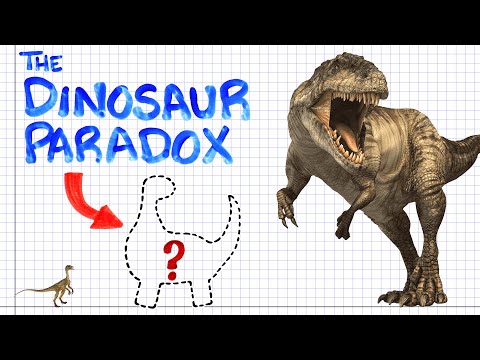
The Biggest Paradox on Earth Was Just Solved
0
林宜悉 posted on 2021/08/20Ever wondered how dinosaurs got so HUGE? This video dives into the fascinating science behind dinosaur size and ecology, even touching on why Jurassic Park got some things right (and wrong!). You'll pick up some awesome advanced vocabulary related to paleontology and juvenile ecology that will make your English sound positively prehistoric!
Learn this video on the APP!
The VoiceTube App has more in-depth practice for videos!