
ability
US /əˈbɪlɪti/
UK /ə'bɪlətɪ/
- Noun (Countable/Uncountable)
- The power, resources or skill to do something
- A particular skill or talent.
A2TOEICMoreaccordion
US /əˈkɔ:rdiən/
UK /əˈkɔ:diən/
- Noun
- Musical instrument you squeeze with your hands
- Adjective
- Having folds or pleats resembling those of an accordion.
C1Moreadult
US / əˈdʌlt, ˈædʌlt/
UK /ˈædʌlt/
- Noun (Countable/Uncountable)
- Person or animal that is fully grown
- A fully grown animal.
- Adjective
- Being fully grown; mature; no longer a teenager
- Containing sexually explicit material.
A2TOEICMoreaggravate
US /ˈæɡrəˌvet/
UK /'æɡrəveɪt/
- Transitive Verb
- To make a negative situation even worse
B2TOEICMoreapparent
US /əˈpærənt, əˈpɛr-/
UK /ə'pærənt/
- Adjective
- Easy to see or clearly understand
- Seeming to exist or be true, but may not be
A2TOEICMoreaverage
US /ˈævərɪdʒ, ˈævrɪdʒ/
UK /'ævərɪdʒ/
- Noun (Countable/Uncountable)
- Total of numbers divided by the number of items
- Transitive Verb
- To add numbers then divide by the number of items
A2TOEICMorebasically
US /ˈbesɪkəli,-kli/
UK /ˈbeɪsɪkli/
- Adverb
- Used before you explain something simply, clearly
- In essence; when you consider the most important aspects of something.
A2Morebizarre
US /bɪˈzɑr/
UK /bɪˈzɑ:(r)/
- Adjective
- Odd or strange
B2Morecircumference
US /sərˈkʌmfərəns/
UK /səˈkʌmfərəns/
- Noun
- Length around an outer boundary, e.g. a circle
C1Morecontrary
US /ˈkɑnˌtrɛri/
UK /'kɒntrərɪ/
- Adjective
- (Of weather) difficult; likely to cause trouble
- Going against authority, a parent, or the rules
- Adverb
- In opposition to.
B1Morecontrary to
US /ˈkɑnˌtrɛri tu/
UK /ˈkɔntrəri tu:/
- Preposition
- In opposition to; against.
- Differing from; not in agreement with.
A1Morecouple
US /ˈkʌpəl/
UK /'kʌpl/
- Transitive Verb
- To join something to something else
- (Two animals) to engage in sexual relations
- Noun (Countable/Uncountable)
- Two people in a romantic relationship
- Two of something; two people; a pair
A2Moredefense
US /dɪˈfɛns/
UK /dɪ'fens/
- Noun (Countable/Uncountable)
- Argument in support of something
- The process of protecting something from attack
B1TOEICMoredelicacy
US /ˈdɛlɪkəsi/
UK /ˈdelɪkəsi/
- Noun (Countable/Uncountable)
- Something pleasing because of its good taste
- State of being easily damaged
B2TOEICMoredigest
US /daɪˈdʒest/
UK /daɪˈdʒest/
- Verb (Transitive/Intransitive)
- To convert food into energy in your stomach
- To think over facts, news etc.; take in information
- Noun
- A summary, as of the news
B2Moredigestion
US /daɪˈdʒɛstʃən, dɪ-/
UK /daɪˈdʒestʃən/
- Uncountable Noun
- Process of changing eaten food for use in the body
- The process of understanding new information
B2Moredrain
US /dren/
UK /dreɪn/
- Noun (Countable/Uncountable)
- Hole or pipe that water, waste etc. flows into
- Something that depletes resources or energy.
- Transitive Verb
- To empty or remove liquid from
- To use up the energy/ money/power of something
B1Moredrawback
US /ˈdrɔˌbæk/
UK /ˈdrɔ:bæk/
- Noun
- A disadvantage or problem
B2Moreessentially
US /ɪˈsenʃəli/
UK /ɪˈsenʃəli/
- Adverb
- Basically; (said when stating the basic facts)
- Used to emphasize the basic truth or fact of a situation.
A2Moreevolve
US /ɪˈvɑlv/
UK /ɪ'vɒlv/
- Verb (Transitive/Intransitive)
- To develop certain features
- To develop or change slowly over time
B1Moreexpand
US /ɪkˈspænd/
UK /ɪk'spænd/
- Verb (Transitive/Intransitive)
- To make something larger in size, number, amount
A2TOEICMoreexpert
US /ˈɛkˌspɚt/
UK /'ekspɜ:t/
- Countable Noun
- Skillful person with special knowledge
- Adjective
- Having special knowledge or skill
A2TOEICMorefor example
US
UK
- Phrase
- As an illustration or instance.
have to
US /hæv tu/
UK /ˈhæv tə/
- Auxiliary Verb
- Must do
A1Morein fact
US /ɪn fækt/
UK /in fækt/
- Adverb
- Used to emphasize the truth of a statement, especially one that contrasts with or contradicts something else.
- Used to introduce a more detailed or surprising piece of information.
- Phrase
- Used to emphasize the truth of a statement, especially one that is surprising or contrary to what might be expected.
C1Morein other words
US
UK
- Phrase
- Stating something in a different way, often to make it clearer or more understandable.
in the first place
US
UK
- Phrase
- To begin with; as the first point or consideration.
- From the beginning; initially.
A1Morein the way
US /ɪn ði we/
UK /in ðə wei/
- Phrase
- Obstructing someone or something; hindering progress.
- Stored or placed so as to be available or ready when needed.
A1Morein the world
US /ɪn ði wɜrld/
UK /in ðə wɜː(r)ld/
- Phrase
- Used to emphasize a question expressing surprise, confusion, disbelief
- Used to indicate the extent or degree of something, often in a superlative sense
A1Moreinflate
US /ɪnˈflet/
UK /ɪnˈfleɪt/
- Verb (Transitive/Intransitive)
- To fill/be filled with air and make/become bigger
- To make a thing seem bigger/greater than it is
- Transitive Verb
- To make a thing seem bigger/greater than it is
B1Moreinflation
US /ɪnˈfleʃən/
UK /ɪn'fleɪʃn/
- Noun (Countable/Uncountable)
- Act of filling something with air or gas
- Continual rise in the prices of products
B1TOEICMoreknow about
US /noʊ əˈbaʊt/
UK /nəʊ əˈbaut/
- Phrasal Verb
- To have information or understanding of a subject or situation.
mechanism
US /ˈmɛkəˌnɪzəm/
UK /'mekənɪzəm/
- Noun (Countable/Uncountable)
- Part of a machine that performs a certain function
- System or process for achieving a certain result
B1Morenarrator
US /ner.eɪ.tɚ/
UK /nəˈreɪtə(r)/
- Noun
- Person or character who tells a story
- A person who provides commentary or narration, especially for a broadcast or performance.
B1Moreout of control
US /aʊt ʌv kənˈtrol/
UK /aut ɔv kənˈtrəul/
- Adjective
- Impossible to manage or control.
- Not able to be directed or steered.
A1Morepeer
US /pɪr/
UK /pɪə(r)/
- Noun (Countable/Uncountable)
- A noble, but not royal, person, e.g. lord or duke
- Person of the same age, class or situation
- Intransitive Verb
- To look closely and carefully, as if hard to see
B2Morepelvis
US /ˈpɛlvɪs/
UK /'pelvɪs/
- Noun
- Bone joining the hip to Back and legs
B2Moreplug
US /plʌɡ/
UK /plʌg/
- Noun
- Wood, rubber or metal used to block a hole
- Thing on a wire to connect to electricity supply
- Transitive Verb
- To use an object to block a hole
- To promote or advertise a product
B1TOEICMoreporcupine
US /ˈpɔrkjəˌpaɪn/
UK /'pɔ:kjʊpaɪn/
- Countable Noun
- Large rodents with sharp bristles
B2Morepotent
US /ˈpotnt/
UK /'pəʊtnt/
- Adjective
- (Of men) being able to make a woman pregnant
- Having a powerful effect, e.g. on the body or mind
B2Morepredator
US /ˈprɛdətɚ, -ˌtɔr/
UK /'predətə(r)/
- Countable Noun
- An animal that hunts and kills other animals
- Person preying on the weak to gain advantage
B1Morepuff up
US
UK
- Phrasal Verb
- To cause something to get larger than normal
B1Morepuffer
US /'pʌfər/
UK /ˈpʌfə(r)/
- Noun
- Poisonous fish that inhales air when threatened
C2Morepump
US /pʌmp/
UK /pʌmp/
- Verb (Transitive/Intransitive)
- To make liquid or gas flow in a particular direction
- To make water/other liquid move using a machine
- Noun
- A device more moving liquids
- Light woman's shoe
B1Morerequire
US /rɪˈkwaɪr/
UK /rɪ'kwaɪə(r)/
- Transitive Verb
- To demand that someone does something
- To need to do something, to make it necessary
A2TOEICMoreseal
US /sil/
UK /si:l/
- Transitive Verb
- To close tightly to protect it from leaking
- To close an envelop or package
- Noun
- Large fish-eating animal that lives on sea or land
- Official mark made in hot wax to close a document
B1Moreseal off
US /sil ɔf/
UK /si:l ɔf/
- Phrasal Verb
- To close an entrance to a place
B1Moreseemingly
US /ˈsiːmɪŋli/
UK /ˈsi:mɪŋli/
- Adverb
- Appearing to be but may not actually be; probably
B1Moreserve
US /sɚv/
UK /sɜ:v/
- Verb (Transitive/Intransitive)
- To act in a particular position or office
- To hit the first ball to an opponent in tennis etc.
A2TOEICMoreshame
US /ʃem/
UK /ʃeɪm/
- Uncountable Noun
- Feeling of guilt because you did something wrong
- Transitive Verb
- To make someone feel ashamed
A2Moresophisticated
US /səˈfɪstɪˌketɪd/
UK /səˈfɪstɪkeɪtɪd/
- Adjective
- Making a good sounding but misleading argument
- Wise in the way of the world; having refined taste
- Transitive Verb
- To make someone more worldly and experienced
B1TOEICMorespike
US /spaɪk/
UK /spaɪk/
- Noun
- The top point in a graph
- Long, thin metal rod that ends in a point
- Intransitive Verb
- To go up to a point on a graph
B2Moresqueeze
US /skwiz/
UK /skwi:z/
- Noun (Countable/Uncountable)
- Amount of liquid from firmly pressing e.g. orange
- Act of putting pressure on, as to get liquid out
- Transitive Verb
- To force or threaten someone to give you something
- To strongly compress something to get liquid out
C1Moresqueeze out
US /skwiz aʊt/
UK /skwi:z aut/
- Phrasal Verb
- To remove an object by pressing something firmly
C1Morestomach
US /ˈstʌmək/
UK /'stʌmək/
- Noun
- Place in the body where food is processed
- Verb (Transitive/Intransitive)
- to be able to accept something unpleasant
A2Morethreaten
US /ˈθrɛtn/
UK /ˈθretn/
- Transitive Verb
- To cause something potential harm, or put at risk
- To say you may harm or hurt someone
A2Moretiny
US /ˈtaɪni/
UK /'taɪnɪ/
- Adjective
- Very, very small
A2Moretrait
US /tret/
UK /treɪt/
- Noun (Countable/Uncountable)
- A particular characteristic that can produce a particular type of behavior
- A genetically determined characteristic or condition.
C2Morewaist
US /west/
UK /weɪst/
- Noun (Countable/Uncountable)
- Narrower part of your body between hips and chest
- The top part of trousers or a skirt
B1More
Vocabulary
- puff up: To cause something to get larger than normal
- know about: To have information or understanding of a subject or situation.
- out of control: Impossible to manage or control.
- contrary to: In opposition to; against.
- have to: Must do
- for example: As an illustration or instance.
- seal off: To close an entrance to a place
- squeeze out: To remove an object by pressing something firmly
- in other words: Stating something in a different way, often to make it clearer or more understandable.
- in the way: Obstructing someone or something; hindering progress.
- in fact: Used to emphasize the truth of a statement, especially one that contrasts with or contradicts something else.
- in the first place: To begin with; as the first point or consideration.
- in the world: Used to emphasize a question expressing surprise, confusion, disbelief
- essentially: Basically; (said when stating the basic facts)
- sophisticated: Making a good sounding but misleading argument
- trait: A particular characteristic that can produce a particular type of behavior
- basically: Used before you explain something simply, clearly
- average: Total of numbers divided by the number of items
- completely: In every way or as much as possible
- evolve: To develop certain features
- bizarre: Odd or strange
- expect: To believe something is probably going to happen
- squeeze: Amount of liquid from firmly pressing e.g. orange
- ability: The power, resources or skill to do something
- drain: Hole or pipe that water, waste etc. flows into
- contract: To become ill as a result of getting a disease
- spike: The top point in a graph
- expert: Skillful person with special knowledge
- predator: An animal that hunts and kills other animals
- mechanism: Part of a machine that performs a certain function
- tiny: Very, very small
- inflation: Act of filling something with air or gas
- seemingly: Appearing to be but may not actually be; probably
- require: To demand that someone does something
- contrary: (Of weather) difficult; likely to cause trouble
- digestion: Process of changing eaten food for use in the body
- digest: To convert food into energy in your stomach
- expand: To make something larger in size, number, amount
- pretty: Being attractive to the eye in a simple way
- drop: Distance between a higher and a lower level
- seal: To close tightly to protect it from leaking
- couple: To join something to something else
- empty: Containing nothing; with no contents
- shame: Feeling of guilt because you did something wrong
- serve: To act in a particular position or office
- peer: A noble, but not royal, person, e.g. lord or duke
- potent: (Of men) being able to make a woman pregnant
- apparent: Easy to see or clearly understand
- delicacy: Something pleasing because of its good taste
- leave: To go away from; depart
- plug: Wood, rubber or metal used to block a hole
- stomach: Place in the body where food is processed
- defense: Argument in support of something
- important: Having power or authority
- place: To put someone in a particular type of situation
- narrator: Person or character who tells a story
- kind: In a caring and helpful manner
- learn: To get knowledge or skills by study or experience
- control: A device designed to operate a machine
- drawback: A disadvantage or problem
- fact: Something that is known or proved to be true
- waist: Narrower part of your body between hips and chest
- catch: Amount of something that has been caught
- threaten: To cause something potential harm, or put at risk
- adult: Person or animal that is fully grown
- fill: To make something full
- inflate: To fill/be filled with air and make/become bigger
- pump: To make liquid or gas flow in a particular direction
- aggravate: To make a negative situation even worse
- porcupine: Large rodents with sharp bristles
- circumference: Length around an outer boundary, e.g. a circle
- pelvis: Bone joining the hip to Back and legs
- accordion: Musical instrument you squeeze with your hands
- puffer: Poisonous fish that inhales air when threatened
Get the full experience in the app
Learn anywhere with detailed sentence and usage analysis
01:03
She took a brave step forward, leaving behind her comfort zone to chase her dreams.
Vocabulary
- brave
adj. Having courage
- comfort zone
phr. A familiar situation where one feels safe
Explanation
a brave step is a noun phrase, where brave is an adjective modifying the noun step, meaning "a courageous step".
forward is an adverb modifying step, meaning "ahead".
The whole phrase serves as the object, answering the "what" of took (verb) — she took a brave step forward.
Get the full experience in the app
Look up words anytime with pronunciation, part of speech, and usage
brave
US/brev/
UK/breɪv/
adj.Brave
v.t.To bravely face
A2 Elementary
Get the full experience in the app
Practice speaking anytime and get instant pronunciation feedback
Try this speaking exercise.
Try practicing with this sentence.
80
0
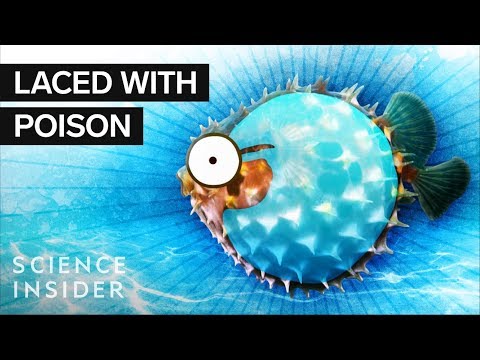
林宜悉 posted on 2023/11/27Ever wondered how a puffer fish turns into a spiky ball? This video dives deep into their amazing inflation mechanism and the science behind their famous toxin, tetrodotoxin! You'll pick up some seriously advanced vocabulary related to marine biology and even learn about the cultural significance of 'fugu' in Japan.
Learn this video on the APP!
The VoiceTube App has more in-depth practice for videos!