
ability
US /əˈbɪlɪti/
UK /ə'bɪlətɪ/
- Noun (Countable/Uncountable)
- The power, resources or skill to do something
- A particular skill or talent.
A2TOEICMoreadulthood
US /'ædʌlthʊd/
UK /'ædʌlthʊd/
- Uncountable Noun
- Time of life when a person is fully grown
- The time when someone has the rights and responsibilities of an adult.
B1Moreadvice
US /əd'vaɪs/
UK /ədˈvaɪs/
- Uncountable Noun
- Suggestion about what would help someone
- Professional guidance from a lawyer or legal expert.
A2TOEICMoreaggressive
US /əˈɡrɛsɪv/
UK /əˈgresɪv/
- Adjective
- Using energy and determination to achieve a goal
- Behaving in a hostile and threatening way
B1Moreanswer to
US
UK
- Phrasal Verb
- To be responsible to someone and have to explain your actions to them.
- To correspond to or match a description or requirement.
A1Moreas well as
US /æz wɛl æz/
UK /æz wel æz/
- Adverb
- Also; in addition to
- Preposition
- In addition to; and also.
A1Moreat the same time
US
UK
- Phrase
- Simultaneously; at the identical moment.
- Nevertheless; however; used to introduce a contrasting or qualifying statement.
A1Moreavoid
US /əˈvɔɪd/
UK /ə'vɔɪd/
- Transitive Verb
- To prevent from happening
- To stay away from
A2TOEICMorecalm
US /kɑm/
UK /kɑ:m/
- Adjective
- Without wind or storm; quiet; peaceful
- Relaxed and not worried or angry
- Verb (Transitive/Intransitive)
- To make or become relaxed and not worried or angry
A2Morecompetitive
US /kəmˈpɛtɪtɪv/
UK /kəmˈpetətɪv/
- Adjective
- Being strongly driven to win or be better than
- As good as or better than others.
B1Moreconflict
US /ˈkɑnˌflɪkt/
UK /'kɒnflɪkt/
- Noun (Countable/Uncountable)
- Argument or struggle between two or more parties
- A serious disagreement or argument.
- Verb (Transitive/Intransitive)
- To have opposite ideas; to disagree; To not match
A2Moreconversely
US /ˈkɑːnvɜːrsli/
UK /ˈkɒnvɜ:sli/
- Adverb
- In the opposite way; on the other hand
B1Moredetermine
US /dɪˈtɚmɪn/
UK /dɪ'tɜ:mɪn/
- Transitive Verb
- To control exactly how something will be or act
- To establish the facts about; discover
A2TOEICMoreembryonic
US /ˌembriˈɑ:nɪk/
UK /ˌembriˈɒnɪk/
- Adjective
- Undeveloped, as if in an early stage
C1Moreengage
US /ɪn'gedʒ/
UK /ɪn'ɡeɪdʒ/
- Transitive Verb
- To start to fight with an enemy
- To hire someone for a task or job
A2TOEICMoreequivalent
US /ɪˈkwɪvələnt/
UK /ɪˈkwɪvələnt/
- Adjective
- Equal to something in value, use or meaning
- Having the same meaning or significance.
- Noun
- Thing like another in quality, quantity or degree
B1TOEICMorefaithful
US /ˈfeθfəl/
UK /'feɪθfl/
- Noun
- (Religious) people who believe in a god or gods
- Adjective
- Showing constant support for someone or something
- Worthy of trust
B1Morefascinating
US /ˈfæsəˌnetɪŋ/
UK /ˈfæsɪneɪtɪŋ/
- Transitive Verb
- To attract or interest greatly
- To hold someone captive with a gaze or other means.
- Adjective
- Having your attention fixated as though by a spell
B1Morefeminine
US /ˈfɛmənɪn/
UK /ˈfemənɪn/
- Adjective
- Concerning or relating to females
- Having qualities or appearance traditionally associated with women.
- Noun
- A woman or girl.
- Qualities or characteristics considered typical of women.
B2Morefertility
US /fɚˈtɪlɪti/
UK /fəˈtɪləti/
- Uncountable Noun
- The state of a female being able to produce young
- State of soil being able to produce many plants
B1Morefit into
US /fɪt ˈɪntu/
UK /fit ˈɪntuː/
- Phrasal Verb
- To be small enough to go inside something.
- To feel like you belong to a group.
A2Morefor example
US
UK
- Phrase
- As an illustration or instance.
hormonal
US /hɔ:'moʊnl/
UK /hɔ:'məʊnl/
- Adjective
- Concerning or caused by hormones in the body
B2Morein fact
US /ɪn fækt/
UK /in fækt/
- Adverb
- Used to emphasize the truth of a statement, especially one that contrasts with or contradicts something else.
- Used to introduce a more detailed or surprising piece of information.
- Phrase
- Used to emphasize the truth of a statement, especially one that is surprising or contrary to what might be expected.
C1Morein need
US /ɪn nid/
UK /in ni:d/
- Phrase
- Not having the necessary things, such as food
A1Moreinitially
US /ɪˈnɪʃəli/
UK /ɪˈnɪʃəli/
- Adverb
- At first; originally
- In the first stage of a process or development.
A2TOEICMoreirritated
US
UK
- Transitive Verb
- To disturb, anger, or upset someone
- To make part of the body feel soreness and pain
- Adjective
- Annoyed, angered or upset
B1TOEICMoreissue
US /ˈɪʃu/
UK /'ɪʃu:/
- Transitive Verb
- To make something available to be used or sold
- To deliver a statement, etc. in an official manner
- Noun (Countable/Uncountable)
- Important topic discussed, debated or argued over
- Single edition of a magazine
A2TOEICMorekeep the peace
US /kip ði pis/
UK /ki:p ðə pi:s/
- Verb (Transitive/Intransitive)
- To maintain order and prevent conflict or disturbance.
- Phrase
- To avoid causing trouble or arguments; maintain order.
A2Morelikelihood
US /ˈlaɪkliˌhʊd/
UK /ˈlaɪklihʊd/
- Uncountable Noun
- Chance that something might happen
B1TOEICMoremasculine
US /ˈmæskjəlɪn/
UK /ˈmæskjəlɪn/
- Adjective
- Having the characteristics associated with males
B2Moreopinion
US /əˈpɪnjən/
UK /əˈpɪnjən/
- Noun
- Court judge's statement why a decision was made
- A person's thoughts on a topic
A2TOEICMorepersonality
US /ˌpɚsəˈnælɪti/
UK /ˌpɜ:səˈnæləti/
- Noun (Countable/Uncountable)
- Way someone is or reacts to life or other people
- Person who is famous; celebrity
A2Morereference
US /ˈrɛfərəns, ˈrɛfrəns/
UK /'refrəns/
- Noun
- A letter of recommendation, e.g. for a job
- Note in a book, etc. giving source of information
- Transitive Verb
- To cite a piece of research in speech or writing
- Mention or refer to.
A2TOEICMorereveal
US /rɪˈvil/
UK /rɪ'vi:l/
- Transitive Verb
- To show something that was hidden before
A2TOEICMorerun of the mill
US /rʌn əv ðə mɪl/
UK /rʌn əv ðə mɪl/
- other
- Ordinary, average, or common; not special or unique.
B1Moresame time
US
UK
- Phrase
- Occurring simultaneously or at the same point in time.
- At the identical time as before; recurring at a fixed hour.
- Noun
- An equal duration or period.
A1Moresensitive
US /ˈsɛnsɪtɪv/
UK /'sensətɪv/
- Adjective
- Taking offense easily; easily upset or hurt
- (Private information) needing careful treatment
A2TOEICMoretease
US /tiz/
UK /ti:z/
- Transitive Verb
- To purposefully bother an animal
- To playfully embarrass or make fun of
- Noun
- Something said or done as a joke
B1Moretend
US /tɛnd/
UK /tend/
- Intransitive Verb
- To move or act in a certain manner
- Transitive Verb
- To take care of
A2Moretestosterone
US /tɛsˈtɑstəˌron/
UK /tesˈtɔstərəun/
- Uncountable Noun
- Natural chemical responsible for the male sex
- A steroid hormone that stimulates development of male secondary sexual characteristics, and is produced mainly in the testes, but also in the ovaries and adrenal cortex.
C1Morethink of
US /θɪŋk ʌv/
UK /θiŋk ɔv/
- Phrasal Verb
- To look on as (being something specific); consider
- To consider or remember something.
- Verb (Transitive/Intransitive)
- To imagine or call something to mind
A1Morethumbs up
US
UK
- Noun
- A gesture of approval or agreement, indicated by holding a fist with the thumb extended upwards.
- A positive rating or vote on social media or online platforms.
- Noun (plural)
- Multiple gestures of approval or agreement made by extending the thumbs upward.
A1Moreto do with
US
UK
- Phrasal Verb
- To be about something; concern
A1Moreversa
US /'vɜ:sə/
UK /'vɜ:sə/
- Adverb
- used to say that what you have just said is also true in the opposite order
C1Morevice
US /ˌvaɪ.sə/
UK /ˌvaɪs/
- Noun
- used as part of the title of particular positions. The person who holds one of these positions is next below in authority to the person who holds the full position and can act for them
- Noun (Countable/Uncountable)
- a moral fault or weakness in someone's character
- illegal and immoral activities, especially involving illegal sex, drugs, etc.
B2More
Vocabulary
- answer to: To be responsible to someone and have to explain your actions to them.
- run of the mill: Ordinary, average, or common; not special or unique.
- in fact: Used to emphasize the truth of a statement, especially one that contrasts with or contradicts something else.
- to do with: To be about something; concern
- as well as: Also; in addition to
- for example: As an illustration or instance.
- fit into: To be small enough to go inside something.
- at the same time: Simultaneously; at the identical moment.
- in need: Not having the necessary things, such as food
- same time: Occurring simultaneously or at the same point in time.
- keep the peace: To maintain order and prevent conflict or disturbance.
- think of: To look on as (being something specific); consider
- thumbs up: A gesture of approval or agreement, indicated by holding a fist with the thumb extended upwards.
- equivalent: Equal to something in value, use or meaning
- engage: To start to fight with an enemy
- reveal: To show something that was hidden before
- fascinating: To attract or interest greatly
- determine: To control exactly how something will be or act
- conflict: Argument or struggle between two or more parties
- tend: To move or act in a certain manner
- aggressive: Using energy and determination to achieve a goal
- initially: At first; originally
- opinion: Court judge's statement why a decision was made
- fertility: The state of a female being able to produce young
- ability: The power, resources or skill to do something
- increase: To make or become larger in size or amount
- bit: Device put in a horse's mouth to control it
- calm: Without wind or storm; quiet; peaceful
- contract: To become ill as a result of getting a disease
- avoid: To prevent from happening
- personality: Way someone is or reacts to life or other people
- issue: To make something available to be used or sold
- vice: used as part of the title of particular positions. The person who holds one of these positions is next below in authority to the person who holds the full position and can act for them
- advice: Suggestion about what would help someone
- sensitive: Taking offense easily; easily upset or hurt
- reference: A letter of recommendation, e.g. for a job
- explain: To make clear or easy to understand by describing
- compare: To consider how similar and different things are
- subject: The person, thing, or idea that is being discussed, described, or studied.
- competitive: Being strongly driven to win or be better than
- likelihood: Chance that something might happen
- tease: To purposefully bother an animal
- leave: To go away from; depart
- testosterone: Natural chemical responsible for the male sex
- organize: To arrange and plan things, e.g. a party
- appear: To be seen, become visible; come into sight
- stage: To organize an event to gain public interest
- masculine: Having the characteristics associated with males
- important: Having power or authority
- irritated: To disturb, anger, or upset someone
- learn: To get knowledge or skills by study or experience
- fact: Something that is known or proved to be true
- simple: Not hard to understand or do; not complex
- conversely: In the opposite way; on the other hand
- point: An item to be discussed
- versa: used to say that what you have just said is also true in the opposite order
- feminine: Concerning or relating to females
- adulthood: Time of life when a person is fully grown
- faithful: (Religious) people who believe in a god or gods
- hormonal: Concerning or caused by hormones in the body
- embryonic: Undeveloped, as if in an early stage
Get the full experience in the app
Learn anywhere with detailed sentence and usage analysis
01:03
She took a brave step forward, leaving behind her comfort zone to chase her dreams.
Vocabulary
- brave
adj. Having courage
- comfort zone
phr. A familiar situation where one feels safe
Explanation
a brave step is a noun phrase, where brave is an adjective modifying the noun step, meaning "a courageous step".
forward is an adverb modifying step, meaning "ahead".
The whole phrase serves as the object, answering the "what" of took (verb) — she took a brave step forward.
Get the full experience in the app
Look up words anytime with pronunciation, part of speech, and usage
brave
US/brev/
UK/breɪv/
adj.Brave
v.t.To bravely face
A2 Elementary
Get the full experience in the app
Practice speaking anytime and get instant pronunciation feedback
Try this speaking exercise.
Try practicing with this sentence.
80
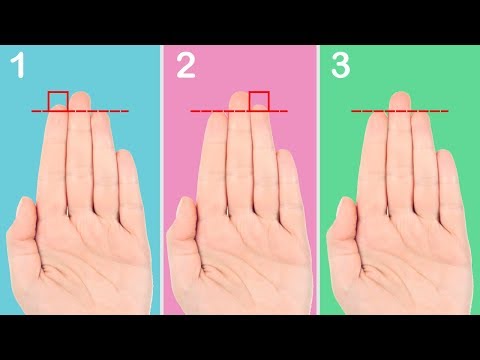
Find Out What Your Finger Length Reveals About Your Personality
0
Mahiro Kitauchi posted on 2020/06/16Ever wondered what your finger length says about you? This fun video explores the fascinating link between your digit ratio, prenatal hormones like testosterone, and personality traits, from aggression to being a peacekeeper! You'll pick up some cool new vocabulary while discovering surprising facts about yourself.
Learn this video on the APP!
The VoiceTube App has more in-depth practice for videos!