
administration
US / ædˌmɪnɪˈstreʃən/
UK /ədˌmɪnɪˈstreɪʃn/
- Uncountable Noun
- Act of giving e.g. medicine to a patient
- The work of running something, e.g. a business
B1TOEICMoreagriculture
US /ˈæɡrɪˌkʌltʃɚ/
UK /ˈægrɪkʌltʃə(r)/
- Uncountable Noun
- The science of farming
- The study of farming and related sciences.
A2Moreas long as
US /æz lɔŋ æz/
UK /æz lɔŋ æz/
- Conjunction
- For the period that; provided that.
- For the length of time that
- Preposition
- On the condition that; providing that.
- Having the same length as.
A1Moreas soon as
US /æz sun æz/
UK /æz su:n æz/
- Phrase
- In a short time after (something happens)
- Without any delay; immediately
- Conjunction
- At the moment that, or immediately after.
A1Moreat least
US /æt list/
UK /æt li:st/
- Adverb
- As a minimum
- Not less than
- Phrase
- No less than; at the minimum
- Used to indicate that something is positive in a bad situation.
C2Morebleach
US /blitʃ/
UK /bli:tʃ/
- Uncountable Noun
- Chemical that disinfects and whitens
- Transitive Verb
- To use a chemical that disinfects and whitens
- To make (e.g. hair) lighter in color; lighten
B2Moreby all means
US
UK
- Adverb
- Certainly; of course
- Phrase
- In every possible way; using every method possible
- Certainly; of course
A2Morecardboard
US /ˈkɑ:rdbɔ:rd/
UK /ˈkɑ:dbɔ:d/
- Uncountable Noun
- Lightweight paper board
B1Morecart
US /kɑrt/
UK /kɑ:t/
- Noun (Countable/Uncountable)
- Vehicle on wheels for carry things; trolley
- A vehicle with two or four wheels, typically pulled by a horse or other animal, used for carrying goods or people.
- Transitive Verb
- To move things on a wheeled trolley
- To move something with effort
B1Morecereal
US /ˈsɪriəl/
UK /'sɪərɪəl/
- Noun (Countable/Uncountable)
- Breakfast food eaten with milk
- Grain that can be eaten
B1Moreconcern
US /kənˈsɚn/
UK /kənˈsɜ:n/
- Verb (Transitive/Intransitive)
- To be about a particular topic
- To have a direct impact on someone
- Noun (Countable/Uncountable)
- Company, firm or business
- Feeling of worry or anxiety
A2TOEICMorecontact
US /ˈkɑnˌtækt/
UK /'kɒntækt/
- Adjective
- Touching or feeling something
- Noun (Countable/Uncountable)
- Touching or feeling something
- Object that allows electricity to run through it
A2Morecontaminate
US /kənˈtæməˌnet/
UK /kənˈtæmɪneɪt/
- Transitive Verb
- To make impure by adding a harmful element
B2Morecontamination
US /kənˌtæməˈneʃən/
UK /kənˌtæmɪ'neɪʃən/
- Uncountable Noun
- Being impure because of a harmful agent
B2Morecrowd
US /kraʊd/
UK /kraʊd/
- Verb (Transitive/Intransitive)
- To force too many things, people into
- (Lots of people) to meet together in one place
- Noun (Countable/Uncountable)
- Large group of people together in one place
A2Moredefense
US /dɪˈfɛns/
UK /dɪ'fens/
- Noun (Countable/Uncountable)
- Argument in support of something
- The process of protecting something from attack
B1TOEICMoredeliver
US /dɪˈlɪvɚ/
UK /dɪ'lɪvə(r)/
- Transitive Verb
- To give birth to a child; help a woman give birth
- To save someone from a problem or crisis
A2TOEICMoredisease
US /dɪˈziz/
UK /dɪˈzi:z/
- Noun (Countable/Uncountable)
- Illness that affects a person, animal, or plant
- A disorder of structure or function in a plant, especially one caused by a pathogen.
- Transitive Verb
- To affect with disease; to corrupt or sicken.
A2TOEICMoredisinfect
US /ˌdɪsɪnˈfɛkt/
UK /ˌdɪsɪn'fekt/
- Transitive Verb
- To remove bacteria by cleaning
C1Moredisinfectant
US /ˌdɪsɪnˈfɛktənt/
UK /ˌdɪsɪnˈfektənt/
- Noun
- Chemical preventing infection by killing bugs
B1Moredistance
US /ˈdɪstəns/
UK /'dɪstəns/
- Uncountable Noun
- Lack of friendliness toward another person
- Noun (Countable/Uncountable)
- Amount of space between two places or things
- A point or place that is far away.
A2Moreevidence of
US
UK
- Phrase
- Facts, objects, or signs that make you believe that something is true.
- Something that shows that something else exists or is true.
A1Morefor now
US /fɔr naʊ/
UK /fɔ: nau/
- Phrase
- Temporarily; for the present time.
- In the short term; for the immediate future.
A1Moregetting home
US
UK
- Noun
- The act of arriving at one's residence.
A1Moregrocery
US /'ɡroʊsərɪ/
UK /'ɡrəʊsərɪ/
- Uncountable Noun
- Daily foods such as flour, sugar, and tinned foods
- Countable Noun
- A store that sells food and household supplies.
B2TOEICMoreguardian
US /ˈɡɑrdiən/
UK /'ɡɑ:dɪən/
- Noun
- Person who guards, protects, or preserves
B1Morehabit
US /ˈhæbɪt/
UK /'hæbɪt/
- Noun
- Loose clothing like a cloak, worn by monks, nuns
- Usual way of behaving; something often repeated
A2TOEICMorehome in
US /ˈhoʊm ɪn/
UK /ˈhəum ɪn/
- other
- Move or direct toward a specific target or goal.
B2Morehousehold
US /ˈhaʊsˌhold/
UK /'haʊshəʊld/
- Adjective
- Being in everyday use; common
- Relating to a house or home.
- Noun (Countable/Uncountable)
- Concerning a home
- Family or other group living together in a house
B1Morein one piece
US /ɪn wʌn pis/
UK /in wʌn pi:s/
- Phrase
- Undamaged; whole; not broken or harmed.
- Safe and unharmed, especially after a dangerous situation.
A1Moreinfect
US /ɪnˈfɛkt/
UK /ɪn'fekt/
- Transitive Verb
- To introduce a computer virus to
- To give a disease, bacteria or virus to
B1Moreinfection
US /ɪnˈfɛkʃən/
UK /ɪnˈfekʃn/
- Noun
- (Computers) Having a computer virus
- Making or becoming sick with a bacteria/virus
A2Moreingest
US /ɪn'dʒest/
UK /ɪnˈdʒest/
- Transitive Verb
- To eat, drink, or swallow something
C1TOEICMorelive on
US /lɪv ɒn/
UK /lɪv ɒn/
- Phrasal Verb
- To continue to exist or be remembered.
- To eat a particular type of food as the main thing.
B2Moreout and about
US /aʊt ənd əˈbaʊt/
UK /aut ænd əˈbaut/
- Phrase
- Having returned to your usual activities after an illness.
- Traveling to different places.
pandemic
US /pænˈdɛmɪk/
UK /pæn'demɪk/
- Adjective
- (of a disease) existing in almost all of an area or in almost all of a group of people, animals, or plants
- Noun
- a pandemic disease
C2Moreplastic
US /ˈplæstɪk/
UK /'plæstɪk/
- Uncountable Noun
- Stiff but usually flexible man-made material
- Adjective
- Being easily formed or shaped
A2Morepotentially
US /pəˈtɛnʃəlɪ/
UK /pə'tenʃəlɪ/
- Adverb
- That could happen or become reality
B1Moreprimary
US /ˈpraɪˌmɛri, -məri/
UK /'praɪmərɪ/
- Adjective
- Most important, most basic or essential
- Happening first; earliest
B2Moreproximity
US /prɑkˈsɪmɪti/
UK /prɒk'sɪmətɪ/
- Uncountable Noun
- State of being near or close to something
B2TOEICMorerather than
US
UK
- Adverb
- More exactly; more correctly
- Preferably; instead
- Preposition
- Instead of
A1Morerecommend
US /ˌrɛkəˈmɛnd/
UK /ˌrekə'mend/
- Transitive Verb
- To advise or suggest that someone do something
- To endorse or support something publicly.
A2TOEICMoreremain
US /rɪˈmen/
UK /rɪˈmeɪn/
- Intransitive Verb
- To be left behind; to continue to exist
- To stay in a place when other people have gone
A2TOEICMoresanitizer
US /ˈsæn.ə.taɪ.zɚ/
UK /ˈsæn.ɪ.taɪ.zə/
- Noun
- (also hand sanitizer) A liquid for washing your hands in order to get rid of harmful bacteria from them
C1Moresneeze
US /sniz/
UK /sni:z/
- Noun
- Act of air suddenly being forced out of nose/mouth
- Intransitive Verb
- To suddenly force air out of nose/mouth
B1Morespread
US /sprɛd/
UK /spred/
- Noun (Countable/Uncountable)
- A big meal, often laid out as a buffet
- The distance between two things
- Verb (Transitive/Intransitive)
- To place over a large area; to cover a large area
- (Of ideas, gossip) to pass to and affect others
A2TOEICMorestainless
US /ˈstenlɪs/
UK /'steɪnlɪs/
- Adjective
- Being perfect and without damage or soil
- Made of steel that does not stain or spot
B1Morestress
US / strɛs/
UK /stres/
- Transitive Verb
- To emphasize one or more parts of a word, sentence
- To put pressure on something or someone
- Noun (Countable/Uncountable)
- Emphasis on part of a word or sentence
- Pressure on something or someone
A2TOEICMoresurface
US /ˈsɚfəs/
UK /'sɜ:fɪs/
- Transitive Verb
- To give (road) a top layer
- Intransitive Verb
- To appear after being hidden, unseen, or unknown
- To come to the top of something; emerge
A2TOEICMorethanks to
US /θæŋks tu/
UK /θæŋks tu:/
- Preposition
- Because of; as a result of.
A1Moretheoretically
US /ˌθiəˈretɪkli/
UK /ˌθɪə'retɪklɪ/
- Adverb
- As regards ideas that could be true
B2Moreto do with
US
UK
- Phrasal Verb
- To be about something; concern
A1Moretransmission
US /trænsˈmɪʃən, trænz-/
UK /trænsˈmɪʃn/
- Noun
- Part of car including gears affecting speed of car
- Electronic signal sent by radio waves; broadcast
B1Moretransmit
US /trænsˈmɪt, trænz-/
UK /trænsˈmɪt/
- Transitive Verb
- To broadcast by using signals to a radio/TV
- To broadcast by using signals to a radio/TV
B1Morevirus
US /ˈvaɪrəs/
UK /'vaɪrəs/
- Noun
- File secretly put on computers to cause harm
- Living organism that causes disease or sickness
B1Morewipe down
US
UK
- Phrasal Verb
- To clean a surface by wiping it with a cloth.
A1More
Vocabulary
- live on: To continue to exist or be remembered.
- as soon as: In a short time after (something happens)
- at least: As a minimum
- thanks to: Because of; as a result of.
- for now: Temporarily; for the present time.
- as long as: For the period that; provided that.
- wipe down: To clean a surface by wiping it with a cloth.
- out and about: Having returned to your usual activities after an illness.
- getting home: The act of arriving at one's residence.
- to do with: To be about something; concern
- home in: Move or direct toward a specific target or goal.
- in one piece: Undamaged; whole; not broken or harmed.
- evidence of: Facts, objects, or signs that make you believe that something is true.
- by all means: Certainly; of course
- rather than: More exactly; more correctly
- pandemic: (of a disease) existing in almost all of an area or in almost all of a group of people, animals, or plants
- recommend: To advise or suggest that someone do something
- evidence: Factual proof that helps to establish the truth
- grocery: Daily foods such as flour, sugar, and tinned foods
- potentially: That could happen or become reality
- develop: To explain something in steps and in detail
- express: To send something by fast mail
- disease: Illness that affects a person, animal, or plant
- stress: To emphasize one or more parts of a word, sentence
- spread: A big meal, often laid out as a buffet
- concern: To be about a particular topic
- proximity: State of being near or close to something
- crowd: To force too many things, people into
- remain: To be left behind; to continue to exist
- surface: To give (road) a top layer
- primary: Most important, most basic or essential
- contact: Touching or feeling something
- administration: Act of giving e.g. medicine to a patient
- household: Being in everyday use; common
- deliver: To give birth to a child; help a woman give birth
- distance: Lack of friendliness toward another person
- agriculture: The science of farming
- theoretically: As regards ideas that could be true
- infection: (Computers) Having a computer virus
- ingest: To eat, drink, or swallow something
- coronavirus: Any of a group of RNA viruses that cause a variety of diseases in humans and other animals.
- plastic: Stiff but usually flexible man-made material
- cereal: Breakfast food eaten with milk
- defense: Argument in support of something
- habit: Loose clothing like a cloak, worn by monks, nuns
- bleach: Chemical that disinfects and whitens
- contaminate: To make impure by adding a harmful element
- transmit: To broadcast by using signals to a radio/TV
- virus: File secretly put on computers to cause harm
- pick: Sharp tool used for breaking the ground
- disinfect: To remove bacteria by cleaning
- person: Man, woman or child
- contamination: Being impure because of a harmful agent
- sneeze: Act of air suddenly being forced out of nose/mouth
- guardian: Person who guards, protects, or preserves
- transmission: Part of car including gears affecting speed of car
- sanitizer: (also hand sanitizer) A liquid for washing your hands in order to get rid of harmful bacteria from them
- choose: To select; decide between several possibilities
- cart: Vehicle on wheels for carry things; trolley
- dangerous: Involving the chance of hurt or damage; risky
- live: To be alive
- touch: To affect feelings, especially by causing sympathy
- cardboard: Lightweight paper board
- tell: To (strongly) advise a person to do something
- long: Person's name
- infect: To introduce a computer virus to
- health: (Person, company) being in a good condition; well
- hand: Cards given to a player in a card game
- disinfectant: Chemical preventing infection by killing bugs
- stainless: Being perfect and without damage or soil
- pass: Act of giving a ball to another player in a sport
Get the full experience in the app
Learn anywhere with detailed sentence and usage analysis
01:03
She took a brave step forward, leaving behind her comfort zone to chase her dreams.
Vocabulary
- brave
adj. Having courage
- comfort zone
phr. A familiar situation where one feels safe
Explanation
a brave step is a noun phrase, where brave is an adjective modifying the noun step, meaning "a courageous step".
forward is an adverb modifying step, meaning "ahead".
The whole phrase serves as the object, answering the "what" of took (verb) — she took a brave step forward.
Get the full experience in the app
Look up words anytime with pronunciation, part of speech, and usage
brave
US/brev/
UK/breɪv/
adj.Brave
v.t.To bravely face
A2 Elementary
Get the full experience in the app
Practice speaking anytime and get instant pronunciation feedback
Try this speaking exercise.
Try practicing with this sentence.
80
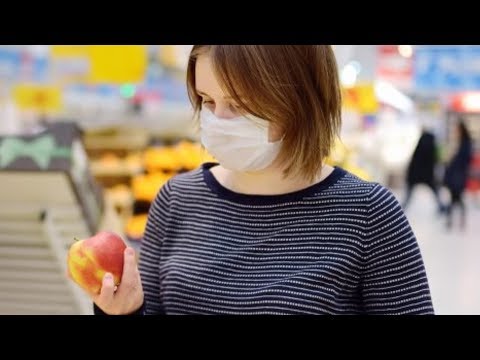
What You Should Know Before Sanitizing Your Groceries
0
Annie Huang posted on 2020/05/15Ever wondered if you really need to sanitize your groceries? This video dives into the science behind surface transmission and food packaging safety, giving you expert advice from Yale Medicine on proper hand hygiene. You'll pick up advanced vocabulary and practical disinfecting tips to feel more confident next time you shop!
Learn this video on the APP!
The VoiceTube App has more in-depth practice for videos!