verb
US /vɚb/
・UK /və:b/
A1
n.NounWord that expresses an action or state
He used a new verb to tell me what he does at work
v.t.Transitive VerbTo convert a word into a verb.
Let's verb this document to make it more active.
Video subtitles
Improve your Vocabulary: 50 adjectives to describe what you see, hear, feel, smell, and taste
- "He chuckled." So, there it's a noun: "a chuckle",
but you can also use it as a verb: "to chuckle".
"He chuckled." So, there it's a noun: "a chuckle", but you can also use it as a verb: "to chuckle".
- So, there - it's a noun, a chuckle, but you can also use it as a verb.
So, there - it's a noun, a chuckle, but you can also use it as a verb.
Knight
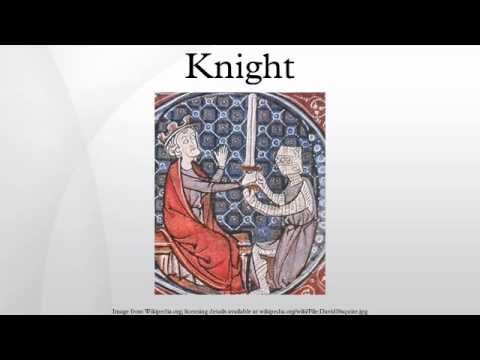
- The verb to knight appears around 1300,
The verb to knight appears around 1300,
- in the heavy cavalry emerges only in the Hundred Years' War. The verb \"to knight\" appears around
in the heavy cavalry emerges only in the Hundred Years' War. The verb \"to knight\" appears around
Be Professional! Never say this at work! ❌
- When someone asks you if something can be done by a certain time, don't use the phrase, "I'll try." I mean, of course you'll try and trying is great but in English, if you use the verb try, you're not really committing to anything.
When someone asks you if something can be done by a certain time, don't use the phrase, "I'll try." I mean, of course you'll try and trying is great but in English, if you use the verb try, you're not really committing to anything.
- When someone asks you if something can be done by a certain time, don't use the phrase, "I'll try." I mean, of course you'll try and trying is great but in English, if you use the verb try, you're not really committing to anything.
When someone asks you if something can be done by a certain time, don't use the phrase, "I'll try." I mean, of course you'll try and trying is great but in English, if you use the verb try, you're not really committing to anything.
Iran's president killed in crash: BBC News Review

- Now, there is a verb condole,
Now, there is a verb condole,
- there is a verb, condole,
there is a verb, condole,
Get the vocab - Learn English with The Big Bang Theory! - S01E01

- and then the next verb is:
and then the next verb is:
- And then the next verb is to scribble.
And then the next verb is to scribble.
Rubiales quits: BBC News Review

- Yes. And you could also fall out with someone, and that is a phrasal verb and it means to have an argument or a disagreement with someone.
Yes. And you could also fall out with someone, and that is a phrasal verb and it means to have an argument or a disagreement with someone.
- and you could also fall out with someone, and that is a phrasal verb,
and you could also fall out with someone, and that is a phrasal verb,
Covid vaccine scientists win Nobel: BBC News Review

- We can also say that something spurs something on and that's a phrasal verb.
We can also say that something spurs something on and that's a phrasal verb.
- We can also say that something spurs something on, and that's a phrasal verb.
We can also say that something spurs something on, and that's a phrasal verb.
Common Mistakes with English ADJECTIVES ?? -ed and -ing endings

- Lots of these english adjectives are made by adding ED or ING to a verb.
Lots of these english adjectives are made by adding ED or ING to a verb.
- Lots of these English adjectives are made by adding -ed or -ing to a verb.
Lots of these English adjectives are made by adding -ed or -ing to a verb.
Learn 60 English Action Verbs In Under 10 Minutes! Acted Out For Easy Memorization!

- We also have another verb to tug.
We also have another verb to tug.
- We also have another verb, to tug.
We also have another verb, to tug.
Fake accident: YouTuber jailed: BBC News Review
- Yes. So, stage in the headline is a verb and it does mean to put on a performance like you do in the theatre, but it doesn't just have to be related to the theatre.
Yes. So, stage in the headline is a verb and it does mean to put on a performance like you do in the theatre, but it doesn't just have to be related to the theatre.
- So "stage" in the headline is a verb,
So "stage" in the headline is a verb,