rectus
US /'rektəs/
・UK /'rektəs/
A1
n.NounAny of various straight muscles
Video subtitles
実は”役立たず”な体の部位は?進化生物学者が解説 | WIRED Japan
- This forms what's called the rectus sheath.
This forms what's called the rectus sheath.
- This forms what's called the rectus sheath.
This forms what's called the rectus sheath.
The BEST Daily Core Routine (ONLY 8 MINUTES)

- To ensure that your torso stays level and your body doesn't twist as you move your arms, all of your core muscles on your front and back have to kick on, such as your rectus abdominis, internal and external obliques on the front, as well as the erectors and multifidus on the backside.
To ensure that your torso stays level and your body doesn't twist as you move your arms, all of your core muscles on your front and back have to kick on, such as your rectus abdominis, internal and external obliques on the front, as well as the erectors and multifidus on the backside.
- To ensure that your torso stays level and your body doesn't twist as you move your arms, all of your core muscles on your front and back have to kick on, such as your rectus abdominis, internal and external obliques on the front, as well as the erectors and multifidus on the backside.
To ensure that your torso stays level and your body doesn't twist as you move your arms, all of your core muscles on your front and back have to kick on, such as your rectus abdominis, internal and external obliques on the front, as well as the erectors and multifidus on the backside.
Denise Austin: Abs- Office Workout
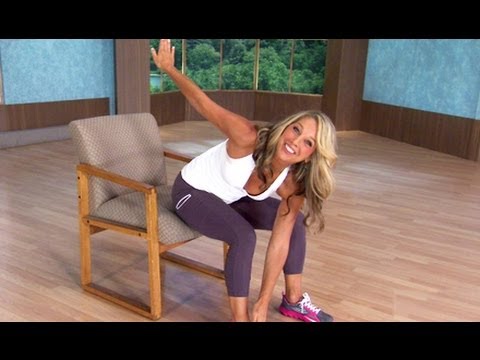
- but give it a try because it really works the whole tummy, the front of your abs, the rectus abdominis muscle.
but give it a try because it really works the whole tummy, the front of your abs, the rectus abdominis muscle.
- the rectus abdominis muscle
the rectus abdominis muscle
Chapter 16 - Core Training Concepts
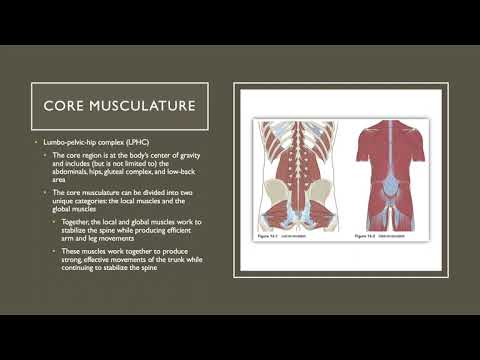
- So we're talking about more muscles that, you know, we recognize a little bit more rectus abdominis, external and internal obliques, your erector spinae, your gluteus maximus, your lats, and then your hip flexors, including your iliopsoas, which is your iliacus and your psoas muscle groups, which is basically combined.
So we're talking about more muscles that, you know, we recognize a little bit more rectus abdominis, external and internal obliques, your erector spinae, your gluteus maximus, your lats, and then your hip flexors, including your iliopsoas, which is your iliacus and your psoas muscle groups, which is basically combined.
- So, your rectus abdominis, again, very common for us to, you know, point those out, centralized region, all right, what do they work with?
So, your rectus abdominis, again, very common for us to, you know, point those out, centralized region, all right, what do they work with?