macroeconomic
US
・UK
C1
adj.AdjectiveOf large economic systems extending over region
This law will be quite influential on an macroeconomic level and will affect the national economy greatly
Video subtitles
US economy shrinks as companies race to get ahead of Trump tariffs | BBC News

- It does absolutely in the companies that are pulling that guidance you see the response in their stock price they've had quite a negative reaction on the stock price when they do that but look we look at earnings numbers and we know that they're backward looking and everyone's concern is that we really had tariffs come into play starting in the second quarter so it's all about what that's going to look like in the second third fourth quarter of this year so guidance really is key that is what's telling people what's going to happen going forward and when you're not giving any guidance because you're concerned about the macroeconomic situation that makes investors very nervous.
It does absolutely in the companies that are pulling that guidance you see the response in their stock price they've had quite a negative reaction on the stock price when they do that but look we look at earnings numbers and we know that they're backward looking and everyone's concern is that we really had tariffs come into play starting in the second quarter so it's all about what that's going to look like in the second third fourth quarter of this year so guidance really is key that is what's telling people what's going to happen going forward and when you're not giving any guidance because you're concerned about the macroeconomic situation that makes investors very nervous.
- And when you're not giving any guidance because you're concerned about the macroeconomic situation, that makes investors very nervous.
And when you're not giving any guidance because you're concerned about the macroeconomic situation, that makes investors very nervous.
LIVE: South Africa opens G20 finance meeting | REUTERS

- At the same time, climate-related shocks and extreme weather events are increasing in frequency and severity worldwide, impacting lives, livelihoods, and macroeconomic stability.
At the same time, climate-related shocks and extreme weather events are increasing in frequency and severity worldwide, impacting lives, livelihoods, and macroeconomic stability.
- macroeconomic stability.
macroeconomic stability.
How AI is changing the job market - What in the World podcast, BBC World Service
- So we obviously have macroeconomic factors.
So we obviously have macroeconomic factors.
- So we obviously have macroeconomic factors.
So we obviously have macroeconomic factors.
Universal Basic Income | Pros and Cons | UBI
- From the standpoint of philosophy of science alone, microscale experiments fail us as a tool of grasping most macroeconomic and macrosociological effects such as, among others: increase in the share of wages in GDP, increase in the effect of demand in the economy, dynamics of private investment or economic growth, or changes in the employment rate.
From the standpoint of philosophy of science alone, microscale experiments fail us as a tool of grasping most macroeconomic and macrosociological effects such as, among others: increase in the share of wages in GDP, increase in the effect of demand in the economy, dynamics of private investment or economic growth, or changes in the employment rate.
- tool of grasping most macroeconomic and macrosociological
effects such as, among others: increase in
tool of grasping most macroeconomic and macrosociological effects such as, among others: increase in
'The President was trying to distract the American people' — Analyzing Trump's Holiday Address
- And sometimes in politics, perceptions are more important than macroeconomic indicators.
And sometimes in politics, perceptions are more important than macroeconomic indicators.
- And sometimes in politics, perceptions are more important than macroeconomic indicators.
And sometimes in politics, perceptions are more important than macroeconomic indicators.
Why is everything getting so expensive?
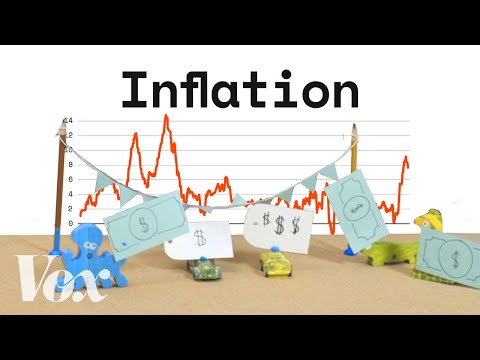
- This is the least responsible macroeconomic policies we've had in the last 40 years.
This is the least responsible macroeconomic policies we've had in the last 40 years.
- least responsible macroeconomic policies
least responsible macroeconomic policies
WEBINAR: Behavior Economics 101
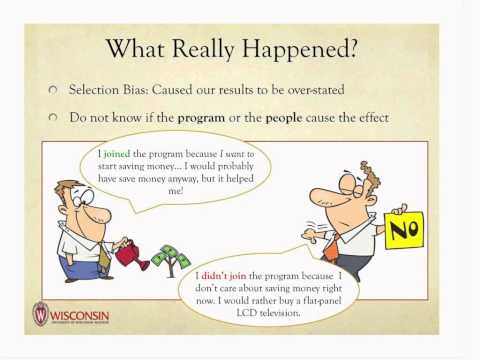
- to spend their money? What does the GDP look like? And that is macroeconomic q uestions.
to spend their money? What does the GDP look like? And that is macroeconomic q uestions.
- these macroeconomic questions.
these macroeconomic questions.
Macroeconomics: Crash Course Economics #5
- macroeconomic sounds boring
macroeconomic sounds boring
WATCH: Fed Chair Jerome Powell set to discuss interest rates
- But there's still macroeconomic risk.
But there's still macroeconomic risk.
- And, you know, this is something that we take very seriously and that the the F sock the Financial Stability Oversight Council is looking at and, um, you know, we call it out of the macroeconomic risk, but it's not really a financial stability risk in the sense that it could undermined the ability of the financial system to do its job of intermediate and credit.
And, you know, this is something that we take very seriously and that the the F sock the Financial Stability Oversight Council is looking at and, um, you know, we call it out of the macroeconomic risk, but it's not really a financial stability risk in the sense that it could undermined the ability of the financial system to do its job of intermediate and credit.
Bizline: Vietnam's trade sector proves resilient in a volatile global | Vietnam Today

- He is a well-known economist specializing in macroeconomic analysis, trade structures, and policy evaluations.
He is a well-known economist specializing in macroeconomic analysis, trade structures, and policy evaluations.
- He is a well known economist specializing in macroeconomic analysis, trade structures and policy evaluations.
He is a well known economist specializing in macroeconomic analysis, trade structures and policy evaluations.