ice shelf
US /aɪs ʃɛlf/
・UK /ais ʃelf/
A1
n. (c./u.)Noun (Countable/Uncountable)A floating sheet of ice permanently attached to a landmass.
The collapse of the ice shelf is a worrying sign of climate change.
Video subtitles
Top 10 Signs That GLOBAL WARMING Is NO LONGER A Debate
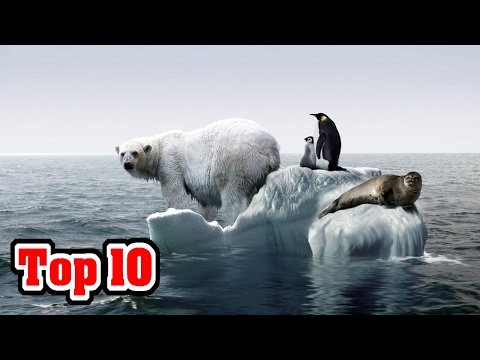
- After existing for a millennia, the northern section of the Larsen B ice shelf in Antarctica
After existing for a millennia, the northern section of the Larsen B ice shelf in Antarctica
- After existing for millennia, the northern section of the Larsen-B ice shelf in Antarctica collapsed between January and March of 2002, disintegrating at an alarming rate that stunned scientists.
After existing for millennia, the northern section of the Larsen-B ice shelf in Antarctica collapsed between January and March of 2002, disintegrating at an alarming rate that stunned scientists.
Earth in 1000 Years

- That's likely what happened to the Larsen Ice Shelf on the Antarctic Peninsula in the year 2002.
That's likely what happened to the Larsen Ice Shelf on the Antarctic Peninsula in the year 2002.
- That’s likely what happened to the Larsen ice shelf on the Antarctic Peninsula in the
That’s likely what happened to the Larsen ice shelf on the Antarctic Peninsula in the
What Happens If All The World’s Ice Melts?
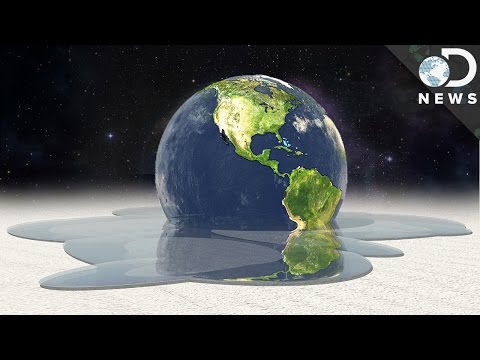
- In the Antarctic, a large ice shelf that's existed for 12,000 years is on the brink of collapse.
In the Antarctic, a large ice shelf that's existed for 12,000 years is on the brink of collapse.
- In the Antarctic, a large ice shelf that's existed for 12,000 years is on the brink of collapse.
In the Antarctic, a large ice shelf that's existed for 12,000 years is on the brink of collapse.
Cosmic Journeys - Fate of Antarctica
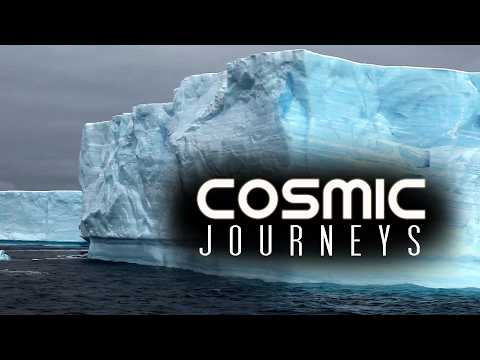
- Out on the West Antarctic Peninsula, the Larsen ice shelf extended out over the ocean.
Out on the West Antarctic Peninsula, the Larsen ice shelf extended out over the ocean.
- By March 7th of that year, this ice shelf, hundreds of meters thick, broke apart.
By March 7th of that year, this ice shelf, hundreds of meters thick, broke apart.
A City-Sized Iceberg | March 2, 2021

- The Larsen Ice Shelf in Antarctica is named for captain Karl Larson, who sailed to it in 1893.
The Larsen Ice Shelf in Antarctica is named for captain Karl Larson, who sailed to it in 1893.
- Over that period of time, massive cracks have formed in the Brunt Ice Shelf, which is almost 500 feet thick.
Over that period of time, massive cracks have formed in the Brunt Ice Shelf, which is almost 500 feet thick.
The deadly race to the South Pole

- Scott planned to use pony transport for the first 425 miles across the Ross Ice Shelf, shoot them at the base of the Beardmore Glacier, and finish the rest of the journey on foot.
Scott planned to use pony transport for the first 425 miles across the Ross Ice Shelf, shoot them at the base of the Beardmore Glacier, and finish the rest of the journey on foot.
- According to their research, the team had about 3 months left before temperatures on the Ross Ice Shelf, the last leg of the journey back, would drop to deadly levels.
According to their research, the team had about 3 months left before temperatures on the Ross Ice Shelf, the last leg of the journey back, would drop to deadly levels.
Why scientists are so worried about this glacier
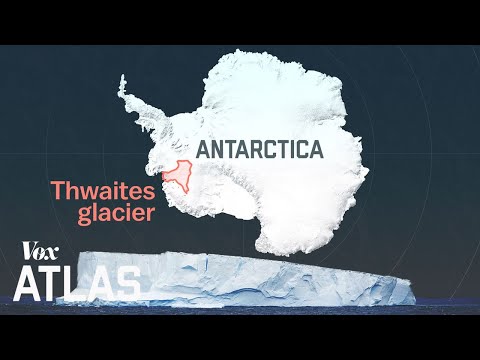
- And the part of a glacier that floats on water is its “ice shelf.”
And the part of a glacier that floats on water is its “ice shelf.”
- In the past 30 years, the front of Thwaites' ice shelf has lost a lot of ice, causing it to retreat backwards.
In the past 30 years, the front of Thwaites' ice shelf has lost a lot of ice, causing it to retreat backwards.
World’s Largest Iceberg Is On The Move | January 8, 2024
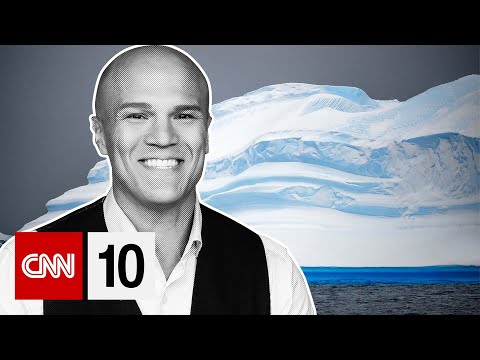
- The iceberg broke away from the Filchner-Ronne Ice Shelf more than 30 years ago, but it stayed grounded on the Antarctic's wet sea and only started moving recently.
The iceberg broke away from the Filchner-Ronne Ice Shelf more than 30 years ago, but it stayed grounded on the Antarctic's wet sea and only started moving recently.
That's Why I Chose Yale

- for submission to a conference on the Polar Ice Shelf.
for submission to a conference on the Polar Ice Shelf.