glottal
US /ˈglɑ:tl/
・UK /ˈglɒtl/
C2
adj.AdjectiveConcerning or produced by the vocal cords
The glottal stop is often associated with the Cockney accent.
Video subtitles
How to Pronounce WATER in English (American, British & Australian Pronunciation)

- There are also lots of Britons who pronounce the T as a glottal stop, so they say: water, water.
There are also lots of Britons who pronounce the T as a glottal stop, so they say: water, water.
- There are also lots of Britons who pronounce the T as a glottal stop, so they say... water.
There are also lots of Britons who pronounce the T as a glottal stop, so they say... water.
10 ways to say you are EXCITED in English | English Vocabulary Lesson

- I can't wait." So I almost use a glottal stop in between.
I can't wait." So I almost use a glottal stop in between.
- so I almost used a glottal stop in between.
so I almost used a glottal stop in between.
How To Sing Mixed Voice - Tyler Wysong

- When you create that pressure in your mouth, there's also pressure in between the vocal and glottal pressure, or pressure between the glottis.
When you create that pressure in your mouth, there's also pressure in between the vocal and glottal pressure, or pressure between the glottis.
THIS THESE THAT THOSE | How to USE and PRONOUNCE #Spon
- Note that sometimes people might put a glottal stop at the end of that.
Note that sometimes people might put a glottal stop at the end of that.
- Note that sometimes people might put a glottal stop at the end of "that."
Note that sometimes people might put a glottal stop at the end of "that."
Learn English with STRANGER THINGS

- First, we have a tap T in "what." It sounds like a soft D sound, "duh," and it happens when a T is between two vowels in American English, like in "butter" or "a lot of." The T in "it" is what's called a glottal T.
First, we have a tap T in "what." It sounds like a soft D sound, "duh," and it happens when a T is between two vowels in American English, like in "butter" or "a lot of." The T in "it" is what's called a glottal T.
- So the A reduces to just a schwa sound, "uh." We have another glottal T in "minute," and all three words link together: "Wait a minute." Listen again and repeat.
So the A reduces to just a schwa sound, "uh." We have another glottal T in "minute," and all three words link together: "Wait a minute." Listen again and repeat.
How to cheat at pronunciation! 10 most difficult English words!

- So this T would be like a glottal T.
So this T would be like a glottal T.
- So, this T would be like a glottal T.
So, this T would be like a glottal T.
How to Understand Native English Speakers - Improve English Listening

- It changes to a d sound, or it's reduced to a glottal stop T.
It changes to a d sound, or it's reduced to a glottal stop T.
- It changes to a /d/ sound, or it's reduced
to a glottal 'stop' 't'.
It changes to a /d/ sound, or it's reduced to a glottal 'stop' 't'.
Pronunciation Tutorial 2: English Pronunciation and IPA: Manner
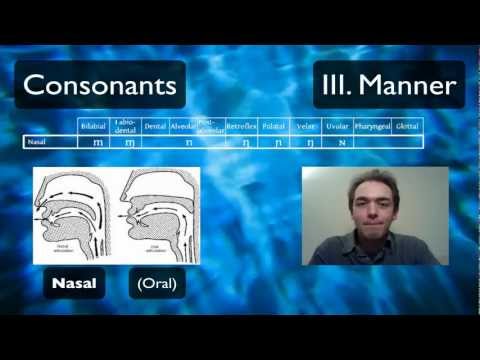
- glottal stop ʔ Now for the hardest one, fricatives. There
glottal stop ʔ Now for the hardest one, fricatives. There
- The last plosive in English is the glottal stop, where the vocal cords shut completely.
The last plosive in English is the glottal stop, where the vocal cords shut completely.
Pronunciation Tutorial 1: English Pronunciation and IPA: Voicing and Place
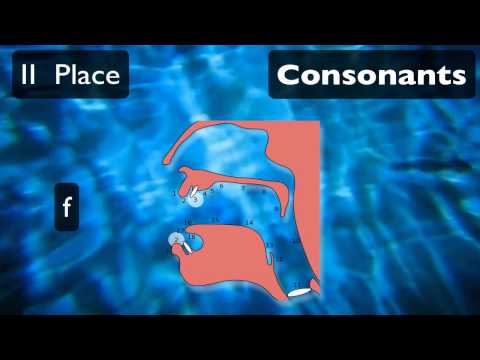
- Our last place, #10, is glottal - this is right at your vocal cords, and the only thing
Our last place, #10, is glottal - this is right at your vocal cords, and the only thing
- glottal stop, and you get it in words like "uh oh!" and "nuh uh!" Right in between those
glottal stop, and you get it in words like "uh oh!" and "nuh uh!" Right in between those
Change Just ONE SOUND! - English Pronunciation

- Now with a London accent we just replace the T with a glottal stop like this: better, bitter, butter.
Now with a London accent we just replace the T with a glottal stop like this: better, bitter, butter.
- Now with a London accent we just replace the T with a glottal stop like this: better, bitter, butter.
Now with a London accent we just replace the T with a glottal stop like this: better, bitter, butter.