english speaker
US
・UK
A2
n.NounA person who speaks English.
She is a native English speaker.
n.NounA person with fluency in English.
As a fluent English speaker, he easily understood the nuances of the language.
Video subtitles
Presentation Phrases & Public Speaking Advice | Business English Course Lesson 8

- More often than not, when I watch a presentation delivered by someone who isn't a native English speaker, they will start their presentation with, "Sorry for my English." I personally don't like this.
More often than not, when I watch a presentation delivered by someone who isn't a native English speaker, they will start their presentation with, "Sorry for my English." I personally don't like this.
- delivered by someone who isn't a native English speaker,
delivered by someone who isn't a native English speaker,
3 ways English learners shoot themselves in the foot!

- Even if you're not interested in the three ways to be a successful English speaker,
Even if you're not interested in the three ways to be a successful English speaker,
- to be a successful English speaker,
to be a successful English speaker,
How To Change Your Accent In English

- If you want your pronunciation to sound more like a native English speaker, then you're going to need four things.
If you want your pronunciation to sound more like a native English speaker, then you're going to need four things.
- If you want your pronunciation to sound more like a native English speaker, then you're going to need four things.
If you want your pronunciation to sound more like a native English speaker, then you're going to need four things.
50 Important English TRAVEL Phrases

- today's lesson and never forget what you have learned. You can be a confident English speaker.
today's lesson and never forget what you have learned. You can be a confident English speaker.
- You can be a confident English speaker.
You can be a confident English speaker.
3 Essential Tips to Improve Your English

- I don't know what to say when I meet a native English speaker.
I don't know what to say when I meet a native English speaker.
- I don't know what to say when I meet a native English speaker," or "When I'm listening, I can't understand what they're saying." And the reason is because vocabulary for a test usually is outdated or not commonly used in daily English conversation.
I don't know what to say when I meet a native English speaker," or "When I'm listening, I can't understand what they're saying." And the reason is because vocabulary for a test usually is outdated or not commonly used in daily English conversation.
20 Essential English Phrases for Daily Conversation
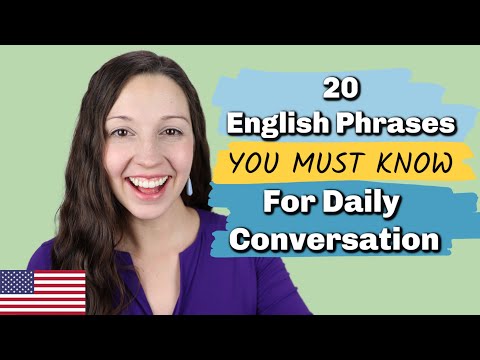
- If someone invites you to something, a British English speaker might decline by saying, I can't be bothered.
If someone invites you to something, a British English speaker might decline by saying, I can't be bothered.
- If someone invites you to something, a British English speaker might decline by saying, I can't be bothered.
If someone invites you to something, a British English speaker might decline by saying, I can't be bothered.
Beginner English Phrases For Conversation Part 3 (Beginner English Speaking Course And Practice)

- So if you want to sound like a native English speaker, when you answer "How are you?", we recommend that you don't say "I am fine, thank you, and
So if you want to sound like a native English speaker, when you answer "How are you?", we recommend that you don't say "I am fine, thank you, and
- So if you want to sound like a native English speaker, when you answer 'How are you', we recommend that you don't say 'I am fine thank you and you.'
So if you want to sound like a native English speaker, when you answer 'How are you', we recommend that you don't say 'I am fine thank you and you.'
Speak With Me: English Speaking Practice
- The next step is to download my free ebook, Five Steps to Becoming a Confident English Speaker.
The next step is to download my free ebook, Five Steps to Becoming a Confident English Speaker.
- The next step is to download my free ebook, Five Steps to Becoming a Confident English Speaker.
The next step is to download my free ebook, Five Steps to Becoming a Confident English Speaker.
"Just Speak!" | #4 - "PAST" | English SPEAKING Practice
- Naturally, in English, I would say, "What time do you get up?" "What time do you get up?" That is natural speed for a native English speaker.
Naturally, in English, I would say, "What time do you get up?" "What time do you get up?" That is natural speed for a native English speaker.
- that is natural speed for a native English speaker
that is natural speed for a native English speaker
7 Common PHRASAL VERBS for Business
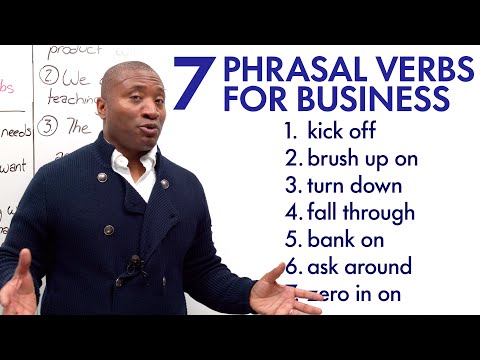
- That's what we call intuitive, that means comes from inside an English speaker, a native English speaker, they don't think about it, they know, and that's part of my job is to get you to understand this, not just know the rules, cool?
That's what we call intuitive, that means comes from inside an English speaker, a native English speaker, they don't think about it, they know, and that's part of my job is to get you to understand this, not just know the rules, cool?
- That means it comes from inside an English speaker.
That means it comes from inside an English speaker.