elements
US /'elɪmənts/
・UK /'elɪmənts/
A2
n. pl.Noun (plural)Essential or particular parts of some things
Clear language is one of the elements of good writing
n. pl.Noun (plural)Forces of the weather, usually bad weather
They wore thick clothes to protect themselves from the elements
n.NounThe weather conditions, especially bad ones.
The sailors braved the elements during the storm.
n.NounThe fundamental principles or components of something.
The elements of design include line, shape, and color.
Video subtitles
Knight

- Knighthood as known in Europe was characterized by the combination of two elements: feudalism and service as a mounted warrior.
Knighthood as known in Europe was characterized by the combination of two elements: feudalism and service as a mounted warrior.
- by the combination of two elements, feudalism and service as a mounted warrior. Both arose
by the combination of two elements, feudalism and service as a mounted warrior. Both arose
15 SHOCKING Behind the Scenes Facts about Home Alone 2

- Most Christmas movies use fake snow to have more control over the weather elements,
Most Christmas movies use fake snow to have more control over the weather elements,
- Most Christmas movies use fake snow to have more control over the weather elements.
Most Christmas movies use fake snow to have more control over the weather elements.
How to fight climate change with parking lots
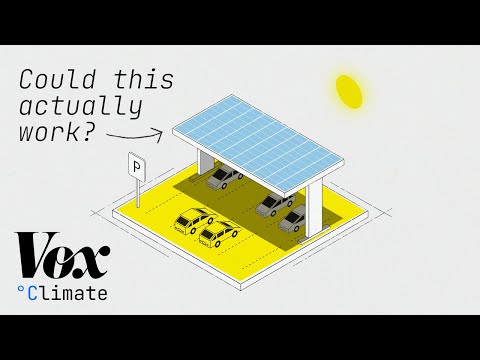
- and other elements take the forefront.
and other elements take the forefront.
The Periodic Table Song (2018 UPDATE!)
- And now, ASAP Science presents: The Elements of the Periodic Table!
And now, ASAP Science presents: The Elements of the Periodic Table!
- The elements of the Periodic Table
The elements of the Periodic Table
Democratic Presidential Debate - June 26 (Full) | NBC News

- CRIMINAL ELEMENTS THAT ARE
CRIMINAL ELEMENTS THAT ARE
Inside the Making of an AI Chip | WSJ Tech Behind

- These are the compute elements or the components that actually perform the computation.
These are the compute elements or the components that actually perform the computation.
- These are the compute elements or the components that actually perform the computation.
These are the compute elements or the components that actually perform the computation.
How the US Transports Its Nuclear Weapons
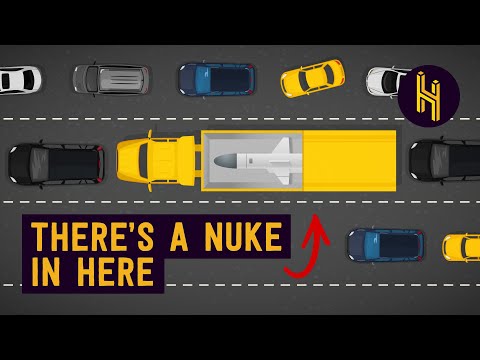
- And all of these elements and procedures need to come together flawlessly in order to get the cargo from point A to point B, so it's a good thing that our nuclear warheads are in the hands of an agency that truly does not mess around.
And all of these elements and procedures need to come together flawlessly in order to get the cargo from point A to point B, so it's a good thing that our nuclear warheads are in the hands of an agency that truly does not mess around.
- And all of these elements and procedures need to come together flawlessly in order to get the cargo from point A to point B, so it's a good thing that our nuclear warheads are in the hands of an agency that truly does not mess around unless you consider drinking on the job messing around, or threatening to kill each other messing around, or being severely understaffed and not having the money for weapons training anymore messing around,
And all of these elements and procedures need to come together flawlessly in order to get the cargo from point A to point B, so it's a good thing that our nuclear warheads are in the hands of an agency that truly does not mess around unless you consider drinking on the job messing around, or threatening to kill each other messing around, or being severely understaffed and not having the money for weapons training anymore messing around,
Amazing Earth Facts To Blow Your Mind

- and we've been able to identify 118 different kinds or elements,
and we've been able to identify 118 different kinds or elements,
- but what makes up 90% of us is just three elements: oxygen, carbon, and
but what makes up 90% of us is just three elements: oxygen, carbon, and
DeepSeek R1 - The Chinese AI "Side Project" That Shocked the Entire Industry!

- It's pretty much in line with what you'd expect, given the data structure, active parameters and other elements and other models trained by other people.
It's pretty much in line with what you'd expect, given the data structure, active parameters and other elements and other models trained by other people.
- other elements, and other models trained by other people.
other elements, and other models trained by other people.
The Story of: Gerhard Richter (1932–Today)
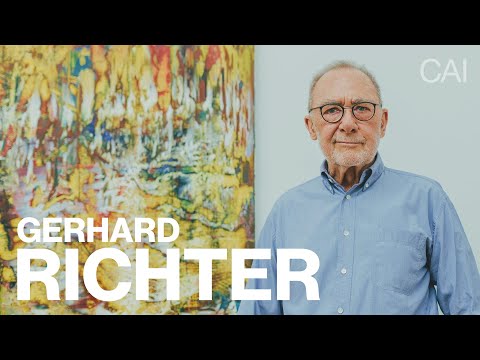
- Realism, and with reference to Socialist Realism, but also a label Richter wasn't too satisfied about. Richter was interested in current affairs, consumer society, new media and popular culture. He incorporated these elements into his painterly practice, depicting for instance televisions, design magazines, advertisements or political figures and events. This was the genesis of Richter's professional oeuvre, and photography was the starting point, something which used to be impossible with his academic background. He combined photography with his characteristic blurred effect, and immediately started to examine the relationship between both media, photography and painting, a true pillar within his artistic practice. The German artist was interested and fascinated by the dialectic relation between the objectivity and the subjectivity when painting photographs. For Richter, the photograph was the most perfect picture. He could eliminate conscious thinking, as the picture does not change, it is absolute, autonomous, unconditional and not linked to any style. With his blurred effect, he made everything equal, equally important and simultaneously equally unimportant. He was strongly drawn to depicting certain subjects from found photographic material. Think of military subjects, family portraits, images from newspapers or magazines. These selected images all have their very own narrative and motive to be painted, most often combining death or suffering, and its exploitation of death and suffering in media. From 1963 until 1964, Richter had his first exhibitions and commercial successes, collaborating with several galleries, and also collectors were starting to get really interested in his work and career. A landmark year for Gerhard Richter was 1966, for many reasons. The first, the birth of his daughter, Betty, whom he iconically painted in 1988. He also painted his wife
Realism, and with reference to Socialist Realism, but also a label Richter wasn't too satisfied about. Richter was interested in current affairs, consumer society, new media and popular culture. He incorporated these elements into his painterly practice, depicting for instance televisions, design magazines, advertisements or political figures and events. This was the genesis of Richter's professional oeuvre, and photography was the starting point, something which used to be impossible with his academic background. He combined photography with his characteristic blurred effect, and immediately started to examine the relationship between both media, photography and painting, a true pillar within his artistic practice. The German artist was interested and fascinated by the dialectic relation between the objectivity and the subjectivity when painting photographs. For Richter, the photograph was the most perfect picture. He could eliminate conscious thinking, as the picture does not change, it is absolute, autonomous, unconditional and not linked to any style. With his blurred effect, he made everything equal, equally important and simultaneously equally unimportant. He was strongly drawn to depicting certain subjects from found photographic material. Think of military subjects, family portraits, images from newspapers or magazines. These selected images all have their very own narrative and motive to be painted, most often combining death or suffering, and its exploitation of death and suffering in media. From 1963 until 1964, Richter had his first exhibitions and commercial successes, collaborating with several galleries, and also collectors were starting to get really interested in his work and career. A landmark year for Gerhard Richter was 1966, for many reasons. The first, the birth of his daughter, Betty, whom he iconically painted in 1988. He also painted his wife
- Emma, nude on a staircase, one of his most famous works he ever painted, and he took on geometric abstraction with his colour chart, influenced by his friend Blinky Palermo, but also influenced by pop art and minimal art. Richter had already been experimenting with abstraction and minimal painting, think of the abstracted blur or washed out zones of oil paint, but also depicting very minimal elements, such as curtains, tubes, turning sheets or daily objects. The colour charts were copies of paint sample cards, which paved the way for Richter's future abstract paintings. After Emma, nude on a staircase, Richter would paint several erotic nudes in 1967, followed by cityscapes, aerial views, mountains, starscapes, clouds, seascapes and landscapes in 1968 and 1969. With these artworks, there is this notion of both an almost nostalgic romanticism and an ongoing exploration of abstraction. He would paint many shadow pictures, corrugated iron as a geometric abstract work, grey monochromes, colour streaks and grit, arriving at pure abstraction and questioning the limits of representation. By the end of the decade, Richter had established himself as a contemporary artist, participating in group exhibitions across the globe. In 1969, he was included in the exhibition Nine Young Artists at the Solomon R. Guggenheim Museum in New York, his first show at a major institution. However, Richter was still unsure about his future and in search for a specific direction, so his paints and the experiments would continue.
Emma, nude on a staircase, one of his most famous works he ever painted, and he took on geometric abstraction with his colour chart, influenced by his friend Blinky Palermo, but also influenced by pop art and minimal art. Richter had already been experimenting with abstraction and minimal painting, think of the abstracted blur or washed out zones of oil paint, but also depicting very minimal elements, such as curtains, tubes, turning sheets or daily objects. The colour charts were copies of paint sample cards, which paved the way for Richter's future abstract paintings. After Emma, nude on a staircase, Richter would paint several erotic nudes in 1967, followed by cityscapes, aerial views, mountains, starscapes, clouds, seascapes and landscapes in 1968 and 1969. With these artworks, there is this notion of both an almost nostalgic romanticism and an ongoing exploration of abstraction. He would paint many shadow pictures, corrugated iron as a geometric abstract work, grey monochromes, colour streaks and grit, arriving at pure abstraction and questioning the limits of representation. By the end of the decade, Richter had established himself as a contemporary artist, participating in group exhibitions across the globe. In 1969, he was included in the exhibition Nine Young Artists at the Solomon R. Guggenheim Museum in New York, his first show at a major institution. However, Richter was still unsure about his future and in search for a specific direction, so his paints and the experiments would continue.