diagnosing
US
・UK
B1
v.t./i.Verb (Transitive/Intransitive)To determine the cause of an illness or problem
He cannot be diagnosing illnesses because he is not a licensed doctor
Video subtitles
6 Signs of Smiling Depression
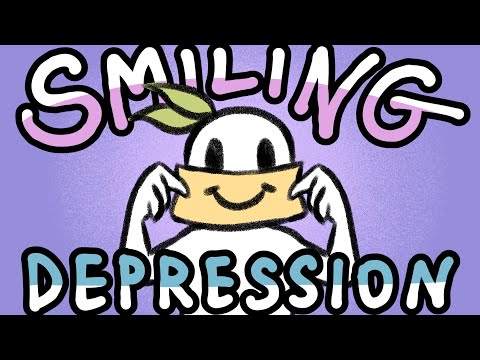
- Diagnosing people with smiling depression is difficult for many reasons.
Diagnosing people with smiling depression is difficult for many reasons.
- Diagnosing people with smiling depression
Diagnosing people with smiling depression
5 Secret Perks of Becoming a Doctor Nobody Talks About 🤫

- The pattern recognition skills you develop from diagnosing patients makes you better at solving any problem.
The pattern recognition skills you develop from diagnosing patients makes you better at solving any problem.
- The pattern recognition skills you develop from diagnosing patients makes you better at solving any problem.
The pattern recognition skills you develop from diagnosing patients makes you better at solving any problem.
Personality Disorders: Crash Course Psychology #34

- One proposed alternative for diagnosing these disorders is the dimensional model, which in essence gets rid of discrete disorders and replaces them with a range of personality traits or symptoms, rating each person on each dimension.
One proposed alternative for diagnosing these disorders is the dimensional model, which in essence gets rid of discrete disorders and replaces them with a range of personality traits or symptoms, rating each person on each dimension.
- So the dimensional model would assess a patient not with the aim of diagnosing one disorder or another,
So the dimensional model would assess a patient not with the aim of diagnosing one disorder or another,
Emile Durkheim on Suicide & Society: Crash Course Sociology #5

- And Durkheim, in diagnosing the problem,
believed he had a solution.
And Durkheim, in diagnosing the problem, believed he had a solution.
- And Durkheim, in diagnosing the problem, believed he had a solution.
And Durkheim, in diagnosing the problem, believed he had a solution.
How I get all my study done by 12PM

- The truth is, at least, okay, I'm not a scientist or anything, I'm not diagnosing you with anything.
The truth is, at least, okay, I'm not a scientist or anything, I'm not diagnosing you with anything.
- I'm not diagnosing you with anything.
I'm not diagnosing you with anything.
Is Love Possible When You Suffer BPD
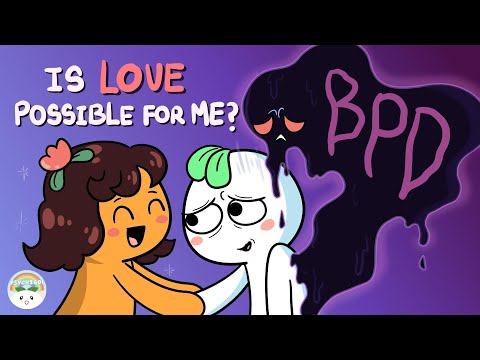
- Dating with BPD feels like trying to hold on to water. No matter how tight you grip, it slips through your fingers. One moment you're terrified they'll leave, the next you're pushing them away just to test if they'll stay. Why does love feel like both the cure and the poison? Well first, let's talk about what BPD really is. BPD stands for borderline personality disorder and it's a condition where one has difficulty regulating their emotions, suffers from high sensitivity to rejection, and usually experiences dysfunction in managing interpersonal relationships. We have a video on how to know when your partner might have BPD, so feel free to check it out. But that's only one side of the coin. When you have BPD and you're in a romantic relationship, there are a whole lot of problems that are not so easy to spot from the outside. Dating with BPD isn't just a challenge, it's a storm of contradictions. One moment you're drowning in love, the next you're gasping for air, convinced your partner will vanish. The fear of abandonment isn't just a symptom, it's a constant whisper in the back of your mind. We interviewed Magenta, who has BPD, about her experience with romance and well, she summarizes it perfectly. I suffer from abandonment issues all the time. I find myself always being worried if my special person is secretly getting tired of me. Quick disclaimer, we are not diagnosing anyone with BPD, nor are we here to romanticize the condition. Our goal is simply to explore the experiences of those navigating relationships while living with BPD, with empathy and understanding. BPD is a complex condition, drenched in extremes. You become very sensitive to stress in any kind of relationship. For those with BPD, love is both the anchor and the storm. This can cause them to have trust issues and negative feelings towards their partner easily after any kind of stressor. O'Leary, 2023, also mentions that relationship stressors can cause emotional dysregulation in those afflicted with BPD. A single misunderstanding can spiral into despair while a small gesture of love can feel like salvation. Magenta's words cut straight to the heart. When my mood changes, it can be frustrating because I can get so angry or too sad in just a moment. I know it's exhausting, not just for me, but for my partner. I get in a mode that I know is overwhelming for everyone. I hate it, but I can't help it. However, not everything needs to be a frustrating endeavor. It's the light in the chaos. People with BPD feel love with a rare electric intensity. It's a lens that can magnify beauty others might miss, too. Magenta glimpses this truth as well. I get to be a really sensitive person, so I can appreciate a lot of things in a way most people don't. It's like I find magic in normal things. A study by Bouchard and others showed that in about half of the studied couples where someone had BPD, both partners experienced satisfaction and tranquility in the relationship. O'Leary and others similarly found that BPD is often accompanied by a higher development of adaptive relationship skills. And when good coping methods were achieved, the relationships could be long-lasting and satisfactory. Therapy helps. Patience transforms. Being informed is crucial. But the real breakthrough comes when partners stop seeing BPD as the enemy and start fighting together. Magenta's plea cuts directly into the starting problem. They did not understand my insecurities, my jealousy, my mood changes, my need of constant reassurance. That I just wanted to be alone sometimes, but also feel loved and heard. Within the study by O'Leary, when couples showed openness toward discussing BPD, recognized negative patterns, and offered empathy to one another, their relationships strengthened and became manageable in the long term. In conclusion, dating with
Dating with BPD feels like trying to hold on to water. No matter how tight you grip, it slips through your fingers. One moment you're terrified they'll leave, the next you're pushing them away just to test if they'll stay. Why does love feel like both the cure and the poison? Well first, let's talk about what BPD really is. BPD stands for borderline personality disorder and it's a condition where one has difficulty regulating their emotions, suffers from high sensitivity to rejection, and usually experiences dysfunction in managing interpersonal relationships. We have a video on how to know when your partner might have BPD, so feel free to check it out. But that's only one side of the coin. When you have BPD and you're in a romantic relationship, there are a whole lot of problems that are not so easy to spot from the outside. Dating with BPD isn't just a challenge, it's a storm of contradictions. One moment you're drowning in love, the next you're gasping for air, convinced your partner will vanish. The fear of abandonment isn't just a symptom, it's a constant whisper in the back of your mind. We interviewed Magenta, who has BPD, about her experience with romance and well, she summarizes it perfectly. I suffer from abandonment issues all the time. I find myself always being worried if my special person is secretly getting tired of me. Quick disclaimer, we are not diagnosing anyone with BPD, nor are we here to romanticize the condition. Our goal is simply to explore the experiences of those navigating relationships while living with BPD, with empathy and understanding. BPD is a complex condition, drenched in extremes. You become very sensitive to stress in any kind of relationship. For those with BPD, love is both the anchor and the storm. This can cause them to have trust issues and negative feelings towards their partner easily after any kind of stressor. O'Leary, 2023, also mentions that relationship stressors can cause emotional dysregulation in those afflicted with BPD. A single misunderstanding can spiral into despair while a small gesture of love can feel like salvation. Magenta's words cut straight to the heart. When my mood changes, it can be frustrating because I can get so angry or too sad in just a moment. I know it's exhausting, not just for me, but for my partner. I get in a mode that I know is overwhelming for everyone. I hate it, but I can't help it. However, not everything needs to be a frustrating endeavor. It's the light in the chaos. People with BPD feel love with a rare electric intensity. It's a lens that can magnify beauty others might miss, too. Magenta glimpses this truth as well. I get to be a really sensitive person, so I can appreciate a lot of things in a way most people don't. It's like I find magic in normal things. A study by Bouchard and others showed that in about half of the studied couples where someone had BPD, both partners experienced satisfaction and tranquility in the relationship. O'Leary and others similarly found that BPD is often accompanied by a higher development of adaptive relationship skills. And when good coping methods were achieved, the relationships could be long-lasting and satisfactory. Therapy helps. Patience transforms. Being informed is crucial. But the real breakthrough comes when partners stop seeing BPD as the enemy and start fighting together. Magenta's plea cuts directly into the starting problem. They did not understand my insecurities, my jealousy, my mood changes, my need of constant reassurance. That I just wanted to be alone sometimes, but also feel loved and heard. Within the study by O'Leary, when couples showed openness toward discussing BPD, recognized negative patterns, and offered empathy to one another, their relationships strengthened and became manageable in the long term. In conclusion, dating with
- I find myself always being worried if my special person is secretly getting tired of me." Quick disclaimer: we are not diagnosing anyone with BPD, nor are we here to romanticize the condition.
I find myself always being worried if my special person is secretly getting tired of me." Quick disclaimer: we are not diagnosing anyone with BPD, nor are we here to romanticize the condition.
Why Are We OBSESSED With Collecting Stuff?

- I am not diagnosing your uncle or anyone for that matter;
I am not diagnosing your uncle or anyone for that matter;
- I am not diagnosing your uncle or anyone, for that matter.
I am not diagnosing your uncle or anyone, for that matter.
Performance Tuning Best Practices for MySQL

- diagnosing what's going on while it's running. So, instead of doing--you know finding the
diagnosing what's going on while it's running. So, instead of doing--you know finding the
- Generally, you're, you're profiling a, a production or a or a running test system that you're trying to figure out, you know, uh, diagnosing what's going on, um, while it while it's running.
Generally, you're, you're profiling a, a production or a or a running test system that you're trying to figure out, you know, uh, diagnosing what's going on, um, while it while it's running.
Every Doctor Specialty Explained in 10 Minutes

- Interventional radiology is focused on diagnosing and treating illness with minimally invasive procedures such as inserting catheters or wires, guided by medical imaging technologies like cts, magnetic resonance imaging and ultrasounds.
Interventional radiology is focused on diagnosing and treating illness with minimally invasive procedures such as inserting catheters or wires, guided by medical imaging technologies like cts, magnetic resonance imaging and ultrasounds.
- Interventional radiology is focused on diagnosing and treating illness with minimally invasive procedures, such as inserting catheters or wires guided by medical imaging technologies like CTs, magnetic resonance imaging or MRIs, and
Interventional radiology is focused on diagnosing and treating illness with minimally invasive procedures, such as inserting catheters or wires guided by medical imaging technologies like CTs, magnetic resonance imaging or MRIs, and
Indus Valley Civilization: Crash Course World History #2

- Well, diagnosing a civilization is a little like diagnosing an illness.
Well, diagnosing a civilization is a little like diagnosing an illness.
- So what is a civilization? Well, diagnosing a civilization is a little like like diagnosing
So what is a civilization? Well, diagnosing a civilization is a little like like diagnosing