cup of tea
US /kʌp ʌv ti/
・UK /kʌp ɔv ti:/
A1
n. (c./u.)Noun (Countable/Uncountable)A drink made by infusing tea leaves in hot water.
Would you like a cup of tea?
n. (c./u.)Noun (Countable/Uncountable)Something that one enjoys or is good at; a preference.
Ballet isn't really my cup of tea.
Video subtitles
How I Tricked My Brain Into Stopping Cravings

- If I am on a new weight loss attempt, I'd be able to fight off the urge and watch TV with just a cup of tea.
If I am on a new weight loss attempt, I'd be able to fight off the urge and watch TV with just a cup of tea.
- with just a cup of tea.
with just a cup of tea.
BOX SET: English In A Minute 10 – TEN English lessons in 10 minutes!
- which is in the present, so I could say: I wish I had a cup of tea. Ah thank you.
which is in the present, so I could say: I wish I had a cup of tea. Ah thank you.
- To show this, after saying 'I wish' we use the past to talk about the wish which is in the present, so I could say: I wish I had a cup of tea. Ah thank you.
To show this, after saying 'I wish' we use the past to talk about the wish which is in the present, so I could say: I wish I had a cup of tea. Ah thank you.
Learn 8 English Idioms You Can Use At Work! ???

- Sometimes I sit and drink a cup of tea with the other teachers.
Sometimes I sit and drink a cup of tea with the other teachers.
This Home Was Inspired by the Spirit of Camping in the Australian Landscape
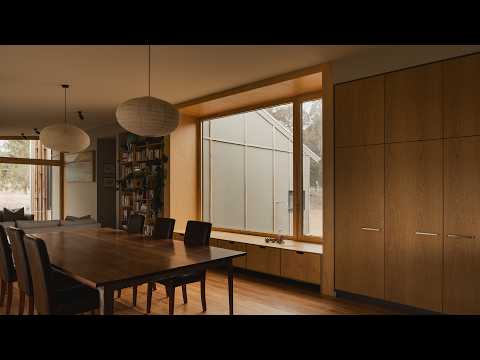
- Sometimes I get phone calls from the client saying they're sitting on their day bed having a cup of tea or occasionally I'll get another one saying I'm standing in the kitchen looking out to the view and the sun setting.
Sometimes I get phone calls from the client saying they're sitting on their day bed having a cup of tea or occasionally I'll get another one saying I'm standing in the kitchen looking out to the view and the sun setting.
- Sometimes get phone calls from the client saying they're sitting on their daybed having a cup of tea, or occasionally I'll get another one saying, "I'm standing in the kitchen looking out to the view and the sun setting in the distance across the canola field." And that's really lovely to hear that they're enjoying the house fully immersed in the landscape.
Sometimes get phone calls from the client saying they're sitting on their daybed having a cup of tea, or occasionally I'll get another one saying, "I'm standing in the kitchen looking out to the view and the sun setting in the distance across the canola field." And that's really lovely to hear that they're enjoying the house fully immersed in the landscape.
Saving a Puppy in Sri Lanka's Surf Capital | Mirissa & Galle Travel Guide

- We just stopped at a hotel, a little roadside hotel, to get a cup of tea, and we found a beautiful little puppy, a little baby boy.
We just stopped at a hotel, a little roadside hotel, to get a cup of tea, and we found a beautiful little puppy, a little baby boy.
- We just stopped at a hotel, a little roadside hotel, to get a cup of tea.
We just stopped at a hotel, a little roadside hotel, to get a cup of tea.
Friends: Rachel Fires Monica (Season 5 Clip) | TBS

- I'm gonna make you a cup of tea, and we're gonna talk this whole thing out.
I'm gonna make you a cup of tea, and we're gonna talk this whole thing out.
- I'm gonna make you a cup of tea, and we're gonna talk this whole thing out, all right?
I'm gonna make you a cup of tea, and we're gonna talk this whole thing out, all right?
IELTS Speaking Band 9 Fluent Answers India with Subtitles

- Therefore, we sit together once a while for a cup of tea and discuss about the most recent research or technology or where human beings are going forward with this technology.
Therefore, we sit together once a while for a cup of tea and discuss about the most recent research or technology or where human beings are going forward with this technology.
- Fluency and accuracy are extremely important in part two, the cue card, because basically, you're building a story one to two minutes long, and from start to finish, it must make sense, making sure that you answer all the questions on the card. There are a few great strategies and tricks that Akshan implores to achieve this goal. Firstly, he starts by answering the topic of the cue card directly. The cue card asks for the candidate to talk about a person they have spent a lot of time with. So Akshan right away states, I have been spending a considerable amount of time with my master's supervisor, Dr. Patel. It's a clear and direct answer using the present perfect progressive. The next strategy that Akshan implores is having great structure, as he knows that when talking about a person, it's a good idea to say a little bit about their appearance so the listener can visualize Dr. Patel as having a bit of a fat belly, and then talking about that person's characteristics, personality, and backing it up with actions, like stating that Dr. Patel is a hard worker who spends dozens of hours in the computer lab. This kind of structure and storytelling from start to finish is what will not only maintain but build that band nine result. Notice again that Akshan does not rush his speech, his sentences. Instead, he focuses on enunciating important words and connecting his thoughts, like saying, therefore, we sit for a cup of tea to discuss about our research. Finally, when he's finished answering all of the questions, making sure to look at his notes and cue card, which help his fluency and accuracy, then at the end, he gives a sentence which concludes his thoughts and tells the examiner that he is finished and she can stop him. So he says, one day, I hope to earn as much respect in the scientific community as Dr. Patel. This is a clear indication that his story has ended and he's ready for part three. And now we will continue with part three. For this part, I will ask you questions related to part two. Let's talk about spending time with others. Why is it important to spend time with people we care about? I believe the greatest joy in life comes when we spend quality time with the people we share a bond with. It could be sharing a laughter with friends or family or a master's thesis with your professor. That's what makes life worth living. It gives people motivation and confidence to step up in life and be successful. What are positive ways to spend time together? I would say beneficial interactions are the one that stimulates both mind and the body. This could be working on a project together or playing a sport like cricket.
Fluency and accuracy are extremely important in part two, the cue card, because basically, you're building a story one to two minutes long, and from start to finish, it must make sense, making sure that you answer all the questions on the card. There are a few great strategies and tricks that Akshan implores to achieve this goal. Firstly, he starts by answering the topic of the cue card directly. The cue card asks for the candidate to talk about a person they have spent a lot of time with. So Akshan right away states, I have been spending a considerable amount of time with my master's supervisor, Dr. Patel. It's a clear and direct answer using the present perfect progressive. The next strategy that Akshan implores is having great structure, as he knows that when talking about a person, it's a good idea to say a little bit about their appearance so the listener can visualize Dr. Patel as having a bit of a fat belly, and then talking about that person's characteristics, personality, and backing it up with actions, like stating that Dr. Patel is a hard worker who spends dozens of hours in the computer lab. This kind of structure and storytelling from start to finish is what will not only maintain but build that band nine result. Notice again that Akshan does not rush his speech, his sentences. Instead, he focuses on enunciating important words and connecting his thoughts, like saying, therefore, we sit for a cup of tea to discuss about our research. Finally, when he's finished answering all of the questions, making sure to look at his notes and cue card, which help his fluency and accuracy, then at the end, he gives a sentence which concludes his thoughts and tells the examiner that he is finished and she can stop him. So he says, one day, I hope to earn as much respect in the scientific community as Dr. Patel. This is a clear indication that his story has ended and he's ready for part three. And now we will continue with part three. For this part, I will ask you questions related to part two. Let's talk about spending time with others. Why is it important to spend time with people we care about? I believe the greatest joy in life comes when we spend quality time with the people we share a bond with. It could be sharing a laughter with friends or family or a master's thesis with your professor. That's what makes life worth living. It gives people motivation and confidence to step up in life and be successful. What are positive ways to spend time together? I would say beneficial interactions are the one that stimulates both mind and the body. This could be working on a project together or playing a sport like cricket.
A Different Side of Taipei & Northern Taiwan: Street Food & Tea Farm ??

- And if it has all of those things, it's gonna make a really good cup of tea.
And if it has all of those things, it's gonna make a really good cup of tea.
- And if it has all of those things, it's going to make a really good cup of tea.
And if it has all of those things, it's going to make a really good cup of tea.
The language of wine - 6 Minute English

- Of course, wine might not be everybody's cup of tea, not something they like, but wine has been an important part of history and language.
Of course, wine might not be everybody's cup of tea, not something they like, but wine has been an important part of history and language.
- Of course, wine might not be everybody's cup of tea, not something they like, but
Of course, wine might not be everybody's cup of tea, not something they like, but
Do vs Make
- 'She is making a cup of coffee, or 'make a cup of tea or hot chocolate.'
'She is making a cup of coffee, or 'make a cup of tea or hot chocolate.'
- She is making a cup of coffee, or make a cup of tea, or hot chocolate.
She is making a cup of coffee, or make a cup of tea, or hot chocolate.