comeback
US /ˈkʌmˌbæk/
・UK /ˈkʌmbæk/
B2
n.NounA clever or witty retort or reply
He made a snappy comeback at someone booing him
n.NounReturn of a celebrity to their previous success
The Backstreet Boys will make a comeback on radio
n.NounA return to a former position or condition; a recovery.
The team staged a remarkable comeback in the second half of the game.
n.NounA return to popularity or success.
After a period of retirement, the athlete is planning a comeback.
n.NounA return to popularity or use.
Bell-bottom jeans are making a comeback this season.
n.NounA return of something, especially an illness.
After a brief recovery, he suffered a comeback of the disease.
Video subtitles
Boost your metabolism and get rid of your belly fat
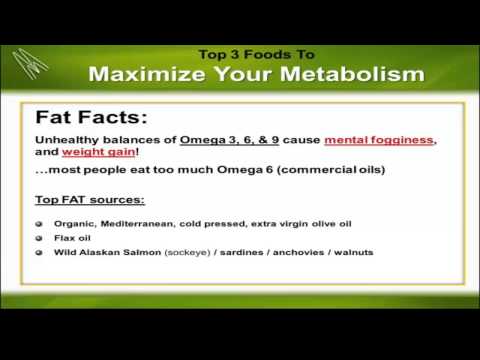
- vacation most people when they go away on vacation comeback heavier most people work
vacation most people when they go away on vacation comeback heavier most people work
What Happened To Etsy?
- But as Etsy focuses on a comeback, it's also angering some of its biggest stakeholders.
But as Etsy focuses on a comeback, it's also angering some of its biggest stakeholders.
- But as Etsy focuses on a comeback, it's also angering
But as Etsy focuses on a comeback, it's also angering
Why Starbucks Failed In Australia
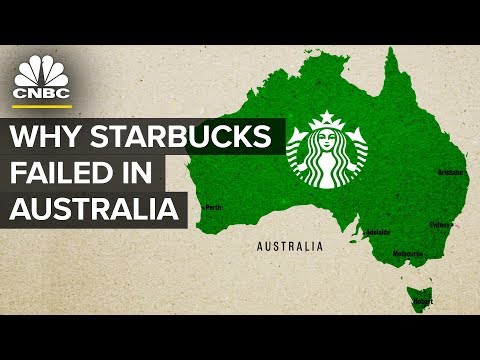
- Starbucks is staging a comeback on the continent.
Starbucks is staging a comeback on the continent.
- Starbucks is staging a comeback on the continent.
Starbucks is staging a comeback on the continent.
How AI’s Need For Nuclear Energy Is Fueling A Rise In U.S. Uranium Mining

- Domestic uranium production is making a comeback.
Domestic uranium production is making a comeback.
- Domestic uranium production is making a comeback.
Domestic uranium production is making a comeback.
Songs You Didnt Know Were Written By Lady Gaga

- When you're an aging boy band in the market for a comeback, you need serious songwriters to give you the sort of material that will catch the ear of old fans and new listeners alike.
When you're an aging boy band in the market for a comeback, you need serious songwriters to give you the sort of material that will catch the ear of old fans and new listeners alike.
- When you're an aging boy band in the market for a comeback, you need serious songwriters to give you the sort of material that will catch the ear of old fans and new listeners alike.
When you're an aging boy band in the market for a comeback, you need serious songwriters to give you the sort of material that will catch the ear of old fans and new listeners alike.
10 Scariest Moments in Recent World History
- And now we are seeing how consumer and pharmaceutical products will take a while to make a comeback in the U.S.
And now we are seeing how consumer and pharmaceutical products will take a while to make a comeback in the U.S.
- And now we are seeing how consumer and pharmaceutical products will take a while to make a comeback in the U.S.
And now we are seeing how consumer and pharmaceutical products will take a while to make a comeback in the U.S.
How to Defend Yourself in English
- And I'm going to use a common word, like a comeback, but really it's a...
And I'm going to use a common word, like a comeback, but really it's a...
- And I'm going to use a common word, like a comeback,
And I'm going to use a common word, like a comeback,
Gumball's Best Friend | The Amazing World of Gumball | Cartoon Network Africa
- Dude, are you seriously still looking for a comeback?
Dude, are you seriously still looking for a comeback?
- Well, you know what a— Dude, are you seriously still looking for a comeback?
Well, you know what a— Dude, are you seriously still looking for a comeback?
A Guide to Personalising Books *grangerising*
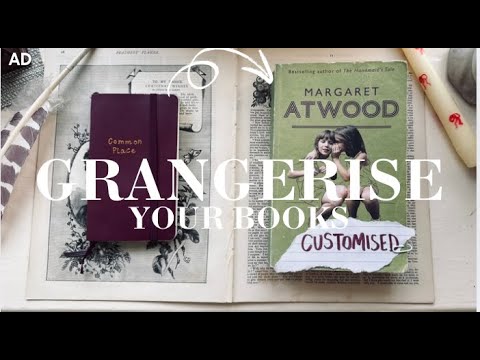
- That's a key theme when looking at 17th century literature and processes of reading, the idea of being active with what you're reading and kind of connecting to the book that you're reading. So even the act of stamping a book with an ex-libris stamp that has your name on it or your family crest traditionally. Frances Wolferston, for example, in the 17th century would write Frances, her book, in the front of her books. But there's a connection and there's an ownership to reading that which involves the reader and actually kind of physically puts the reader into the book. And that ownership, that connection definitely feels more valid and understandable considering how much rarer books were. I mean, books are still pretty expensive but when you compare the price to what it used to be, they are so, so, so affordable and they are affordable enough that, especially if we're shopping second hand, we can accumulate a lot of books. And so it kind of makes sense that we wouldn't then like customise all of our books and kind of write our names and all of our books in the same way. Though not to say that not everyone does because I do think the ex-libris stamp is making something of a comeback. But I just love how grangerising makes a book personal to you and the book itself then reflects and is testament to how much a book means to you. It kind of becomes this material marker in relation to you as the reader. It also bestows importance onto the physical object of the book as well as just the text. Like this book is significant because I bought this when I was 17 and I've read it four times since then and so it's kind of joined me in a very material way in many different life stages and it's kind of transcended time and moved with me which I think is absolutely beautiful. Effectively when you add your own illustrations, when you add tiny kind of snippets and annotations and thoughts, you're adding to the paratext of the book as well. And I think when we kind of frame it as a form of paratext, it kind of helps to even better frame like the importance of your personal copy to you as a reader. Paratext was kind of most officially and famously theorised by Jeannette in his book Paratext from 1987 and paratext is all of the stuff around the actual text. So this is the text and then the paratext will be like, you know, the four words or in this book there's quotes at the beginning from Stephen Hawking. There are dedications, there are words of thanks, you've got the information about publication, you've got like other works by Margaret Atwood here, you've got the cover, you've got what else? Oh yeah, more books by Margaret Atwood there. And these are things which are connected to the text but they're not actually part of the text and so when you grangerise a book
That's a key theme when looking at 17th century literature and processes of reading, the idea of being active with what you're reading and kind of connecting to the book that you're reading. So even the act of stamping a book with an ex-libris stamp that has your name on it or your family crest traditionally. Frances Wolferston, for example, in the 17th century would write Frances, her book, in the front of her books. But there's a connection and there's an ownership to reading that which involves the reader and actually kind of physically puts the reader into the book. And that ownership, that connection definitely feels more valid and understandable considering how much rarer books were. I mean, books are still pretty expensive but when you compare the price to what it used to be, they are so, so, so affordable and they are affordable enough that, especially if we're shopping second hand, we can accumulate a lot of books. And so it kind of makes sense that we wouldn't then like customise all of our books and kind of write our names and all of our books in the same way. Though not to say that not everyone does because I do think the ex-libris stamp is making something of a comeback. But I just love how grangerising makes a book personal to you and the book itself then reflects and is testament to how much a book means to you. It kind of becomes this material marker in relation to you as the reader. It also bestows importance onto the physical object of the book as well as just the text. Like this book is significant because I bought this when I was 17 and I've read it four times since then and so it's kind of joined me in a very material way in many different life stages and it's kind of transcended time and moved with me which I think is absolutely beautiful. Effectively when you add your own illustrations, when you add tiny kind of snippets and annotations and thoughts, you're adding to the paratext of the book as well. And I think when we kind of frame it as a form of paratext, it kind of helps to even better frame like the importance of your personal copy to you as a reader. Paratext was kind of most officially and famously theorised by Jeannette in his book Paratext from 1987 and paratext is all of the stuff around the actual text. So this is the text and then the paratext will be like, you know, the four words or in this book there's quotes at the beginning from Stephen Hawking. There are dedications, there are words of thanks, you've got the information about publication, you've got like other works by Margaret Atwood here, you've got the cover, you've got what else? Oh yeah, more books by Margaret Atwood there. And these are things which are connected to the text but they're not actually part of the text and so when you grangerise a book
- No, not to say that not everyone does, because I do think the ex libre stamp is making something of a comeback.
No, not to say that not everyone does, because I do think the ex libre stamp is making something of a comeback.
Big Tech in panic mode... Did DeepSeek R1 just pop the AI bubble?

- The United States was shocked at the time, and it took over a decade to make a comeback, when America made its pinnacle achievement of filming a man on the moon in Nevada.
The United States was shocked at the time, and it took over a decade to make a comeback, when America made its pinnacle achievement of filming a man on the moon in Nevada.
- and it took over a decade to make a comeback, when America made its pinnacle achievement of filming a man on the moon in Nevada.
and it took over a decade to make a comeback, when America made its pinnacle achievement of filming a man on the moon in Nevada.