circadian
US /sɜ:rˈkeɪdiən/
・UK /sɜ:ˈkeɪdiən/
A1
adj.AdjectiveConcerning biological processes occurring at -hour intervals
Circadian rhythms
Video subtitles
How screens actually affect your sleep
- But if it's beyond that, if you're going to watch a movie every night or, like, three episodes of a Netflix show, you know, then it accumulates a pretty good circadian dose, which can keep delaying you every day.
But if it's beyond that, if you're going to watch a movie every night or, like, three episodes of a Netflix show, you know, then it accumulates a pretty good circadian dose, which can keep delaying you every day.
- That's too high, and you're already saturating your circadian system.
That's too high, and you're already saturating your circadian system.
Why women should FAST differently than men… | Exercise & Nutrition Scientist Dr Stacy Sims

- And unfortunately, a lot of those times we look at clinical research and it gets transposed over to health and fitness without actually asking if it's viable. So then we look at the lower end of the fitness population. People are just learning to move and wanting to move. And like, I also want to lose more body fat so that I can move better. Oh, I'll start fasting. And when we see a lot of the like push on it, it comes from male data again. So when we start looking at women and a lot of women used to come with their partners to see me and say, I don't understand. We're both doing the same kind of fasted training. He's leaning up and getting fitter. I'm putting weight on and getting slower. I'm like, okay, well we have to separate it out, right? If you're a woman, you want to fast for all the health reasons that we hear about with regards to telomere length, improving longevity, improving our body's metabolic control. Then we work with our circadian rhythm where we stop eating at dinner. So we have dinner and we don't eat two to three hours before bed.
And unfortunately, a lot of those times we look at clinical research and it gets transposed over to health and fitness without actually asking if it's viable. So then we look at the lower end of the fitness population. People are just learning to move and wanting to move. And like, I also want to lose more body fat so that I can move better. Oh, I'll start fasting. And when we see a lot of the like push on it, it comes from male data again. So when we start looking at women and a lot of women used to come with their partners to see me and say, I don't understand. We're both doing the same kind of fasted training. He's leaning up and getting fitter. I'm putting weight on and getting slower. I'm like, okay, well we have to separate it out, right? If you're a woman, you want to fast for all the health reasons that we hear about with regards to telomere length, improving longevity, improving our body's metabolic control. Then we work with our circadian rhythm where we stop eating at dinner. So we have dinner and we don't eat two to three hours before bed.
- If you're a woman and you want to fast for all the health reasons that we hear about with regards to telomere length, improving longevity, improving our body's metabolic control, then we work with our circadian rhythm, where we stop eating at dinner.
If you're a woman and you want to fast for all the health reasons that we hear about with regards to telomere length, improving longevity, improving our body's metabolic control, then we work with our circadian rhythm, where we stop eating at dinner.
「質の良い睡眠」って何?5段階のレベルで説明 | 5 Levels | WIRED Japan
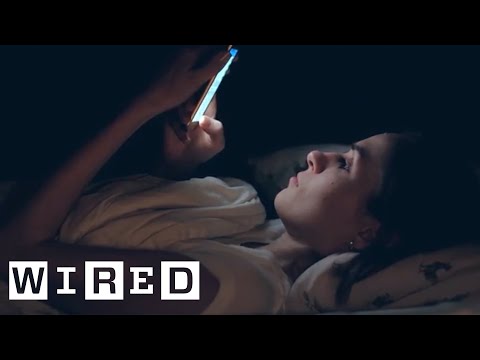
- And the same is true in places where the sun never goes down during the summer, and when it's dark all the time during the winter, and it turns out that light isn't the only thing that kind of gates your circadian rhythm.
And the same is true in places where the sun never goes down during the summer, and when it's dark all the time during the winter, and it turns out that light isn't the only thing that kind of gates your circadian rhythm.
- I learned about their circadian rhythm and how it doesn't only rely on like melatonin, but it also relies on your eating and like a whole bunch of other factors that kind of affect your circadian rhythm.
I learned about their circadian rhythm and how it doesn't only rely on like melatonin, but it also relies on your eating and like a whole bunch of other factors that kind of affect your circadian rhythm.
The science behind the 10-minute brain reset walk | Wendy Suzuki
- It's really shifting your circadian clock, getting your body used to movement first thing in the morning.
It's really shifting your circadian clock, getting your body used to movement first thing in the morning.
- And so it's shifting that circadian clock and really sticking to it.
And so it's shifting that circadian clock and really sticking to it.
How to Feel Energized & Sleep Better With One Morning Activity | Dr. Andrew Huberman
- But at night, even a little bit of artificial light can really mess up your so-called circadian, your 24-hour clocks and all these mechanisms that we're talking about.
But at night, even a little bit of artificial light can really mess up your so-called circadian, your 24-hour clocks and all these mechanisms that we're talking about.
- But at night, even a little bit of artificial light can really mess up your so-called circadian, your 24-hour clocks, and
But at night, even a little bit of artificial light can really mess up your so-called circadian, your 24-hour clocks, and
精神科医だけど「メンタルヘルス」について質問ある? | Tech Support | WIRED Japan

- When you're depressed, your circadian rhythms are off.
When you're depressed, your circadian rhythms are off.
- but then sometimes I'm too sad to even sleep?" When you're depressed, your circadian rhythms are off.
but then sometimes I'm too sad to even sleep?" When you're depressed, your circadian rhythms are off.
How to Wake Up at 4am Everyday: 4 Practical, Non-Hacky Ways

- The thing with mobile—mobile devices and laptop screens is that they emit a lot of blue light, which is something that will wake you up a lot and will mess your circ—nan, will mess up your circadian clock.
The thing with mobile—mobile devices and laptop screens is that they emit a lot of blue light, which is something that will wake you up a lot and will mess your circ—nan, will mess up your circadian clock.
- will mess up your circadian clock
will mess up your circadian clock
Jordan Peterson's Ultimate Advice for Students and College Grads - STOP WASTING TIME
- but pick one and stick to it because otherwise you disregulate your circadian rhythms,
but pick one and stick to it because otherwise you disregulate your circadian rhythms,
- But pick one and stick to it because otherwise you dysregulate your circadian rhythms, and they regulate your mood
But pick one and stick to it because otherwise you dysregulate your circadian rhythms, and they regulate your mood
Waking up at 5 AM for a week in college
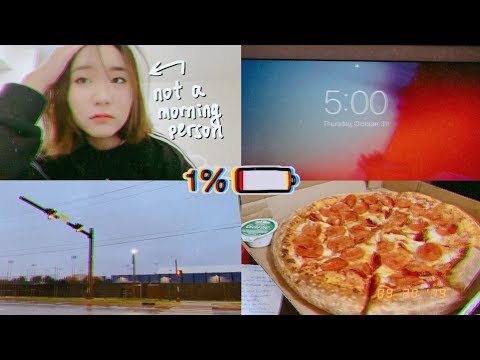
- Also, waking up at the same time every day throughout the week, I think it helped me adjust my circadian rhythm.
Also, waking up at the same time every day throughout the week, I think it helped me adjust my circadian rhythm.
- I think it helped me adjust my circadian rhythm.
I think it helped me adjust my circadian rhythm.
What Your Sleep Schedule Says About You!

- Well, the circadian rhythm of your body is responsible for regulating your sleep patterns.
Well, the circadian rhythm of your body is responsible for regulating your sleep patterns.
- Well, the circadian rhythm of your body is responsible for regulating your sleep patterns.
Well, the circadian rhythm of your body is responsible for regulating your sleep patterns.