body fluids
US
・UK
A1
n. pl.Noun (plural)Liquids originating from inside the body of a human or other animal.
The doctor tested the patient's body fluids for infection.
Video subtitles
Ebola: What Airline Crew and Staff Need to Know

- It spreads through direct contact with a sick person's body fluids, which include blood, feces, saliva, semen, urine,
It spreads through direct contact with a sick person's body fluids, which include blood, feces, saliva, semen, urine,
- and vomit, or direct contact with objects contaminated with infected body fluids.
and vomit, or direct contact with objects contaminated with infected body fluids.
Path of the Ebola virus infection
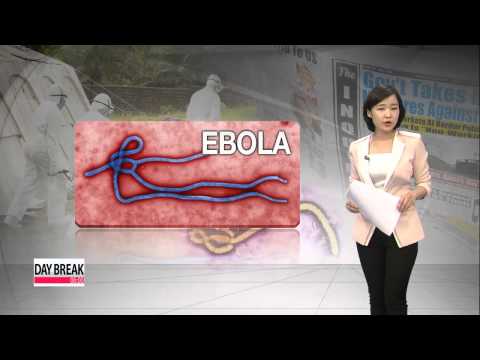
- This includes blood, sweat, saliva, or other body fluids, making transmission through casual contact in a public setting unlikely.
This includes blood, sweat, saliva, or other body fluids, making transmission through casual contact in a public setting unlikely.
- body fluids,... making transmission through casual contact in a public setting unlikely.
body fluids,... making transmission through casual contact in a public setting unlikely.
Daily Life Of An Astronaut -- FAK #31
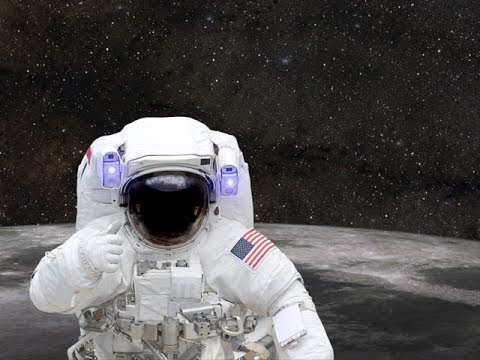
- One reason this is so important is because astronauts lose plasma throughout the body because body fluids move around in microgravity.
One reason this is so important is because astronauts lose plasma throughout the body because body fluids move around in microgravity.
- astronauts lose plasma throughout the body because body fluids move around in microgravity
astronauts lose plasma throughout the body because body fluids move around in microgravity
President Obama Delivers a Message to West Africans on Ebola

- Second, the most common way you can get Ebola is by touching the body fluids of someone who is sick, or has died from it,
Second, the most common way you can get Ebola is by touching the body fluids of someone who is sick, or has died from it,
- Second, the most common way you can get Ebola is by touching the body fluids of someone who's sick or has died from it—like their sweat, saliva, or blood—or through a contaminated item, like a needle.
Second, the most common way you can get Ebola is by touching the body fluids of someone who's sick or has died from it—like their sweat, saliva, or blood—or through a contaminated item, like a needle.
Why Over 600,000 Bird Specimens Are Preserved At The Smithsonian | Colossal Collections

- Brian also uses corn cob dust throughout the process to absorb any body fluids so the specimen is kept clean.
Brian also uses corn cob dust throughout the process to absorb any body fluids so the specimen is kept clean.
- Brian also uses corn cob dust throughout the process to absorb any body fluids so the specimen is kept clean.
Brian also uses corn cob dust throughout the process to absorb any body fluids so the specimen is kept clean.
Least Competitive Doctor Specialties [2024 Update]
![Least Competitive Doctor Specialties [2024 Update]](https://img.youtube.com/vi/c0JXbjdwxtk/hqdefault.jpg)
- Pathology is the field of medicine concerned with the study of body tissues and body fluids.
Pathology is the field of medicine concerned with the study of body tissues and body fluids.
- Pathology is the field of medicine concerned with the study of body tissues and body fluids.
Pathology is the field of medicine concerned with the study of body tissues and body fluids.
Desert of Skeletons. Full Documentary | Planet Doc Full Documentaries
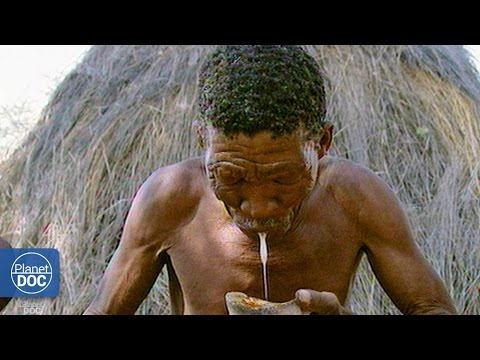
- and their body fluids produce a deadly poison.
and their body fluids produce a deadly poison.
- and their body fluids produce a deadly poison.
and their body fluids produce a deadly poison.
English Podcast | The Incredible Benefits of Drinking Enough Water | Learn English Podcast
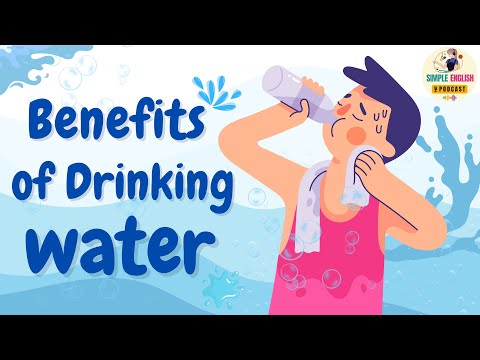
- It means minerals in your blood and body fluids that help regulate important functions, such as hydration and nerve signals.
It means minerals in your blood and body fluids that help regulate important functions, such as hydration and nerve signals.
- It means minerals in your blood and body fluids that help regulate important functions such as hydration and nerve signals.
It means minerals in your blood and body fluids that help regulate important functions such as hydration and nerve signals.
6 CREEPIEST Pokemon!
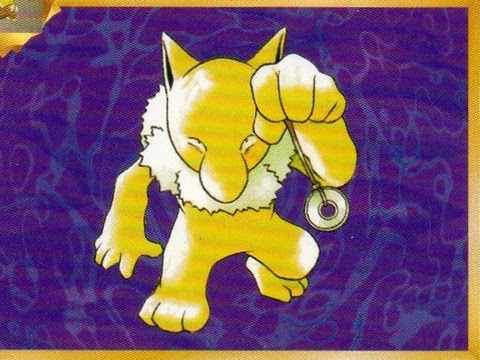
- rips apart prey and sucks their body fluids.
rips apart prey and sucks their body fluids.
- Sucks their body fluids?
Sucks their body fluids?
Can You Recover From Ebola?
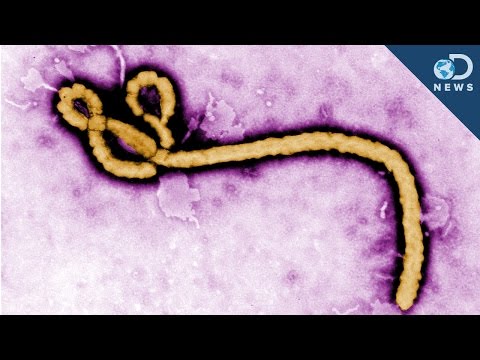
- Ebola is easily transmissible between humans through body fluids, which is why those that are at the highest risk of contracting it are healthcare providers and family members of those that are already sick.
Ebola is easily transmissible between humans through body fluids, which is why those that are at the highest risk of contracting it are healthcare providers and family members of those that are already sick.