basal
US /ˈbesəl, -zəl/
・UK /ˈbeɪsl/
B2
adj.AdjectiveConcerning the lowest level or fundamentals
We can find our basal body temperatures when we are at rest and not performing any physical activities
Video subtitles
Should You Trust Your Gut Instinct?

- for conscious thought. Instead, the basal ganglia, which is linked to habit formation
for conscious thought. Instead, the basal ganglia, which is linked to habit formation
- Instead, the basal ganglia, which is linked to habit formation and automatic behaviors, was triggered.
Instead, the basal ganglia, which is linked to habit formation and automatic behaviors, was triggered.
How to Make Halloween Pumpkin Potage

- Remove the basal plate, part of the root.
Remove the basal plate, part of the root.
- Remove the basal plate part of the root.
Remove the basal plate part of the root.
為什麼很多人對生活逐漸無感,失去動力和熱情?► 試試這個方法 - Dr Andrew Huberman 安德魯.休伯曼博士(中英字幕)

- So we have circuitry in the brain related to the so-called basal ganglia, and we have go's, so activating, you know, think gas pedal.
So we have circuitry in the brain related to the so-called basal ganglia, and we have go's, so activating, you know, think gas pedal.
- So we have circuitry in the brain related to the so-called basal ganglia.
So we have circuitry in the brain related to the so-called basal ganglia.
Why Does My Brain Sleep?

- And if that's your basal level of success, it saves so much.
And if that's your basal level of success, it saves so much.
- And if that's your basal level of success, it saves so much.
And if that's your basal level of success, it saves so much.
The SIMPLE Way To Make Your Body KILL BELLY FAT! | Dr Jason Fung

- One of the things people talked about was, you know, it's going to make you eat more later. It's going to make you more hungry. Your basal metabolic rate is going to go down. This was one of the big myths of intermittent fasting. That's going to cause the so-called starvation mode, right? And this is the idea that your basal metabolic rate will fall so low that when you do start to eat, you're going to gain weight again. So I said, well, let's think about this. You can do a study where you take somebody, say you for example, and you could fast them for four days and measure how many calories they're burning, their basal metabolic rate, on day zero before the fast and measure them four days into the fast and see how many calories you're burning. So on day zero, they say you're burning say 2,000 calories a day. On day four of zero food, you don't eat any food for four days. They measure how much calories you're burning. Your body is burning 2,200 calories. Your basal metabolic rate didn't go down. It went up. Your body is activating itself during fasting, which is fascinating because if you're trying to lose weight, dropping that basal metabolic rate is death. Like if you drop that metabolic rate, it's so hard to lose weight. That's what the calorie restricted diets did. That's what the low fat diets did, the eating all the time did. But when you actually fast, your metabolic rate went up. And we see this in study after study. And the reason is actually basic physiology. It's actually medical physiology like first year medical school stuff. When you don't eat, what happens in your body from a hormone standpoint is that your insulin is going to fall. You're going to allow your body to start using the calories that are in the body. At the same time, other hormones go up.
One of the things people talked about was, you know, it's going to make you eat more later. It's going to make you more hungry. Your basal metabolic rate is going to go down. This was one of the big myths of intermittent fasting. That's going to cause the so-called starvation mode, right? And this is the idea that your basal metabolic rate will fall so low that when you do start to eat, you're going to gain weight again. So I said, well, let's think about this. You can do a study where you take somebody, say you for example, and you could fast them for four days and measure how many calories they're burning, their basal metabolic rate, on day zero before the fast and measure them four days into the fast and see how many calories you're burning. So on day zero, they say you're burning say 2,000 calories a day. On day four of zero food, you don't eat any food for four days. They measure how much calories you're burning. Your body is burning 2,200 calories. Your basal metabolic rate didn't go down. It went up. Your body is activating itself during fasting, which is fascinating because if you're trying to lose weight, dropping that basal metabolic rate is death. Like if you drop that metabolic rate, it's so hard to lose weight. That's what the calorie restricted diets did. That's what the low fat diets did, the eating all the time did. But when you actually fast, your metabolic rate went up. And we see this in study after study. And the reason is actually basic physiology. It's actually medical physiology like first year medical school stuff. When you don't eat, what happens in your body from a hormone standpoint is that your insulin is going to fall. You're going to allow your body to start using the calories that are in the body. At the same time, other hormones go up.
- Your basal metabolic rate's going to go down." This was one of the big myths of intermittent fasting.
Your basal metabolic rate's going to go down." This was one of the big myths of intermittent fasting.
HCC 1475-4 - Stomach - Pathology Endoscopy Findings
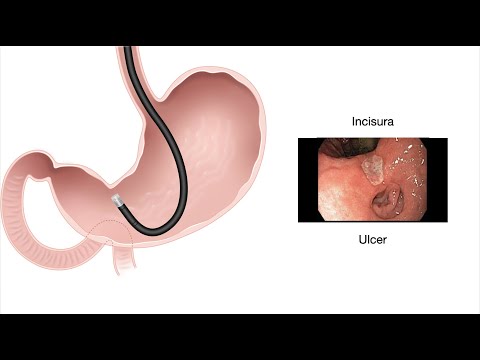
- In patients who have diabetes for a long period of time or patients who have obstruction of the stomach for example pancreatic cancer causing duodenal obstruction or obstruction of the outlet of the stomach sometimes the food may not be able to go down and it is retained and that is the food basal that you see this and whenever you see a lot amount of food or fluid in the stomach it is a good idea to come out rather than risk continuing to do the procedure and the risk is aspiration.
In patients who have diabetes for a long period of time or patients who have obstruction of the stomach for example pancreatic cancer causing duodenal obstruction or obstruction of the outlet of the stomach sometimes the food may not be able to go down and it is retained and that is the food basal that you see this and whenever you see a lot amount of food or fluid in the stomach it is a good idea to come out rather than risk continuing to do the procedure and the risk is aspiration.
The Biggest Lie About Carbon Capture

- The CO2 is then stored as a liquid and using steam, they inject the CO2 into porous basal rock nearby in Iceland.
The CO2 is then stored as a liquid and using steam, they inject the CO2 into porous basal rock nearby in Iceland.
- and using steam, they inject the CO2 into porous basal rock nearby in Iceland.
and using steam, they inject the CO2 into porous basal rock nearby in Iceland.
精神科医だけど「メンタルヘルス」について質問ある? | Tech Support | WIRED Japan

- So the obsessive thought pathway starts with the connection between the orbitofrontal cortex and goes back to these areas here called the basal ganglia.
So the obsessive thought pathway starts with the connection between the orbitofrontal cortex and goes back to these areas here called the basal ganglia.
- So the obsessive thought pathway starts with the connection between the orbitofrontal cortex and goes back to these areas here called the basal ganglia.
So the obsessive thought pathway starts with the connection between the orbitofrontal cortex and goes back to these areas here called the basal ganglia.
How Do I Prune Raspberries?

- to look for the thickest basal diameter, in other words, the thickest stems and good height,
to look for the thickest basal diameter, in other words, the thickest stems and good height,
- and we want to look for the thickest basal diameter, in other words, the thickest stems, and
and we want to look for the thickest basal diameter, in other words, the thickest stems, and
Neuroscientist: TRY IT FOR 1 DAY! You Won't Regret It! Habits of The Ultra Wealthy for 2023
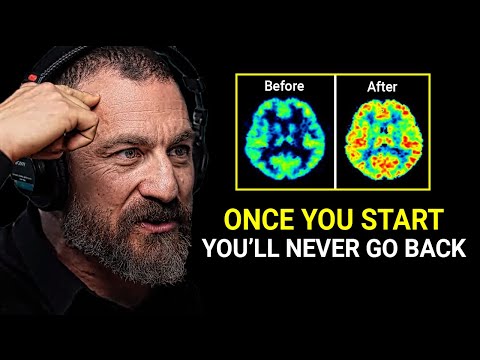
- We have in our brain a set of neural circuits that fall under the umbrella term of the basal ganglia.
We have in our brain a set of neural circuits that fall under the umbrella term of the basal ganglia.
- We have in our brain a set of neural circuits that fall under the umbrella term of the basal ganglia.
We have in our brain a set of neural circuits that fall under the umbrella term of the basal ganglia.