bad luck
US /bæd lʌk/
・UK /bæd lʌk/
A2
n. (u.)Uncountable NounMisfortune; an unfortunate event or situation.
It was just bad luck that the store was closed when we arrived.
interj.InterjectionAn expression of sympathy or commiseration for someone's misfortune.
"I lost my wallet." "Oh, bad luck!"
n. (u.)Uncountable NounSomething believed to cause misfortune or negative events.
Breaking a mirror is considered bad luck.
Video subtitles
15 Days of Chinese New Year (12 Days of Christmas Parody)
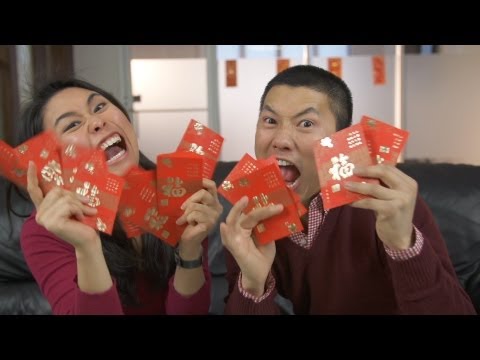
- On the fifth day of Chinese New Year in my family, eat dawn plings, for good luck but not visit family, it's bad luck,
On the fifth day of Chinese New Year in my family, eat dawn plings, for good luck but not visit family, it's bad luck,
- But not visit family It’s bad luck
But not visit family It’s bad luck
Self-Esteem
- It's a piece of extreme bad luck
It's a piece of extreme bad luck
WHY Are BRITS Moving to LIVE IN FRANCE? | Easy English 188

- Simple things like, don't put your bread on the table upside down because it brings bad luck.
Simple things like, don't put your bread on the table upside down because it brings bad luck.
- Simple things like, "Don't put your bread on the table upside down because it brings bad luck." My French is pretty good, actually.
Simple things like, "Don't put your bread on the table upside down because it brings bad luck." My French is pretty good, actually.
How to Tell If You Have Been Gaslit

- But this is as nothing next to the monumental bad luck of encountering people who do all this to us while also being extremely skilled at pretending that they aren’t.
But this is as nothing next to the monumental bad luck of encountering people who do all this to us while also being extremely skilled at pretending that they aren’t.
- But this is as nothing next to the monumental bad luck of encountering people who do all this to us while also being extremely skilled at pretending that they aren't—those master manipulators who are at once innocent-seeming and deep down profoundly scheming.
But this is as nothing next to the monumental bad luck of encountering people who do all this to us while also being extremely skilled at pretending that they aren't—those master manipulators who are at once innocent-seeming and deep down profoundly scheming.
What's "Hatsumode?"
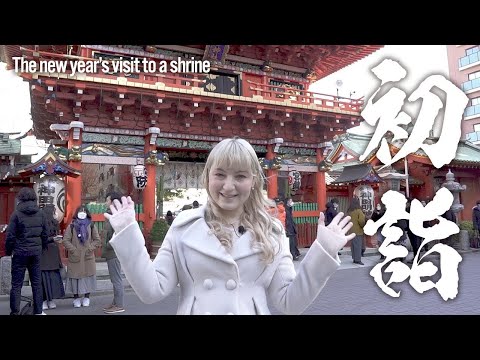
- Well, not bad, not the bad luck.
Well, not bad, not the bad luck.
- Not the bad luck.
Not the bad luck.
The Lengths We Go To Avoid Love
- If we find ourselves in a relationship, we will assiduously practice the arts of what psychologists call distance management. When the chance of reaching a truly happy state appears, we'll subtly discover ways to introduce a chasm. We'll have an argument, spoil a birthday, ruin a holiday. We'll find we have to do a lot of work for an upcoming exam or presentation, that our gang of friends needs us to be somewhere else, that we forgot to return the credit card or tax bill, that our appearance requires a lot of our attention or that we like to flirt with a stranger at a party who suddenly seems very attractive indeed. In both tiny and large ways, we'll know just how to lower the mood, scupper a bond and destroy trust. Perhaps not enough to end a relationship completely, but certainly enough to worry our partner sufficiently as to our solidity that we can be privately sure things will never truly fly. Friends may commiserate with us on our so-called bad luck. Psychologists will note our superlative skill at romantic sabotage. With this to sound a bit like us, compassion is required. We should reflect back on our pasts and wonder at the connection between our fractured bonds with parental figures and our disrupted adult attachments. We aren't like this because we're wicked, we've just been very badly hurt. Once we understand how our skill at independence was acquired, we'll be in a better position to see that it has in reality outlived its rationale. We may still feel immensely apprehensive at the prospect of contentment, but we may finally be able to admit that we are, first and foremost, acting out of fear. Rather than dismissing our partners, we may stick closer to a much more awkward truth – that we're tempted to draw away from them because we're immensely scared that they might finally be in a position to make us very happy – and that simply nothing so unutterably and boundlessly frightening has ever happened to us before.
If we find ourselves in a relationship, we will assiduously practice the arts of what psychologists call distance management. When the chance of reaching a truly happy state appears, we'll subtly discover ways to introduce a chasm. We'll have an argument, spoil a birthday, ruin a holiday. We'll find we have to do a lot of work for an upcoming exam or presentation, that our gang of friends needs us to be somewhere else, that we forgot to return the credit card or tax bill, that our appearance requires a lot of our attention or that we like to flirt with a stranger at a party who suddenly seems very attractive indeed. In both tiny and large ways, we'll know just how to lower the mood, scupper a bond and destroy trust. Perhaps not enough to end a relationship completely, but certainly enough to worry our partner sufficiently as to our solidity that we can be privately sure things will never truly fly. Friends may commiserate with us on our so-called bad luck. Psychologists will note our superlative skill at romantic sabotage. With this to sound a bit like us, compassion is required. We should reflect back on our pasts and wonder at the connection between our fractured bonds with parental figures and our disrupted adult attachments. We aren't like this because we're wicked, we've just been very badly hurt. Once we understand how our skill at independence was acquired, we'll be in a better position to see that it has in reality outlived its rationale. We may still feel immensely apprehensive at the prospect of contentment, but we may finally be able to admit that we are, first and foremost, acting out of fear. Rather than dismissing our partners, we may stick closer to a much more awkward truth – that we're tempted to draw away from them because we're immensely scared that they might finally be in a position to make us very happy – and that simply nothing so unutterably and boundlessly frightening has ever happened to us before.
- Friends may commiserate with us on our so-called bad luck.
Friends may commiserate with us on our so-called bad luck.
BREAK A LEG Meaning in English | Very short English lesson

- Perversely, people didn't like to wish a fellow actor good luck because they thought it would invoke or bring about bad luck, so they decided to come up with a phrase that would be the opposite.
Perversely, people didn't like to wish a fellow actor good luck because they thought it would invoke or bring about bad luck, so they decided to come up with a phrase that would be the opposite.
- Perversely, people didn't like to wish a fellow actor good luck because they thought it would invoke or bring about bad luck, so they decided to come up with a phrase that would be the opposite.
Perversely, people didn't like to wish a fellow actor good luck because they thought it would invoke or bring about bad luck, so they decided to come up with a phrase that would be the opposite.
The Shawshank Redemption: Choice Words

- Bad luck [it] floats around
Bad luck [it] floats around
- Bad luck, I guess.
Bad luck, I guess.
The Roots of Everyday English Expressions: The Bible & Folk Tales
- Some people believe that if you break a mirror, you will have seven years of bad luck.
Some people believe that if you break a mirror, you will have seven years of bad luck.
- Some people think that if you see a black cat crossing in front of you, you should spit or you will have bad luck.
Some people think that if you see a black cat crossing in front of you, you should spit or you will have bad luck.
When Your Body Attacks Itself – Autoimmune

- While there's usually a certain amount of genetic risk for autoimmunity, to get an actual autoimmune disease, you also need a colossal case of bad luck on top of that.
While there's usually a certain amount of genetic risk for autoimmunity, to get an actual autoimmune disease, you also need a colossal case of bad luck on top of that.
- While there is usually a certain amount of genetic risk for autoimmunity, to get an actual autoimmune disease you also need a colossal case of bad luck on top of that.
While there is usually a certain amount of genetic risk for autoimmunity, to get an actual autoimmune disease you also need a colossal case of bad luck on top of that.