
action
US /ˈækʃən/
UK /'ækʃn/
- Noun (Countable/Uncountable)
- Something that a person or thing does
- A lawsuit.
- Intransitive Verb
- To act to do something
A2Moreaffect
US /əˈfɛkt/
UK /ə'fekt/
- Transitive Verb
- To cause a change in something else
- To pretend to have or feel (something).
- Noun
- (Psychology) Emotion or feeling.
A2TOEICMoreaggression
US /əˈɡrɛʃən/
UK /əˈgreʃn/
- Uncountable Noun
- Use of energy and determination to achieve a goal
- Hostile or violent behavior or attitudes toward another; readiness to attack or confront.
B1Moreankle
US /ˈæŋkəl/
UK /ˈæŋkl/
- Noun
- Region or joint between the foot and the leg
B1Moreapocalypse
US /əˈpɑkəˌlɪps/
UK /əˈpɒkəlɪps/
- Noun (Countable/Uncountable)
- Great disaster; complete destruction
- A disclosure of something hidden from the majority of mankind.
B2Moreat least
US /æt list/
UK /æt li:st/
- Adverb
- As a minimum
- Not less than
- Phrase
- No less than; at the minimum
- Used to indicate that something is positive in a bad situation.
C2Morebacteria
US /bækˈtɪriə/
UK /bæk'tɪərɪə/
- Noun (plural)
- The very small creatures that can cause disease
B2Morebike
US /baɪk/
UK /baɪk/
- Noun
- 2-wheeled vehicle ridden by pushing on foot pedals
- Intransitive Verb
- To ride a bicycle or motorbike
A2Morebreak down
US /brek daʊn/
UK /breik daun/
- Phrasal Verb
- To forcibly break, destroy or make collapse
- (Machine) to stop working or become weaker
A1Morebreakdown
US /ˈbrekˌdaʊn/
UK /'breɪkdaʊn/
- Noun
- When normal activity or behavior stops
B1TOEICMorebreath
US /brɛθ/
UK /breθ/
- Uncountable Noun
- Air you take in and out of your body
- The smell of someone's breath.
A2Morecorpse
US /kɔrps/
UK /kɔ:ps/
- Countable Noun
- A dead body
B2Morecorrect
US /kəˈrɛkt/
UK /kə'rekt/
- Adjective
- Being suitable and appropriate for an occasion
- True or accurate
- Transitive Verb
- To fix a problem
- To write marks on a piece of work to show mistakes
A2Moreensure
US /ɛnˈʃʊr/
UK /ɪn'ʃʊə(r)/
- Transitive Verb
- To make something sure, certain, or safe
A2TOEICMoreexplore
US /ɪkˈsplɔr/
UK /ɪk'splɔ:(r)/
- Transitive Verb
- To examine something in detail to learn about it
- To travel to a place to discover more about it
A2TOEICMorefall apart
US /fɔl əˈpɑrt/
UK /fɔ:l əˈpɑ:t/
- Phrasal Verb
- To suffer a nervous breakdown
- To break into pieces; stop functioning
A1Morefilm
US /fɪlm/
UK /fɪlm/
- Noun (Countable/Uncountable)
- Thin layer that covers something
- Movie
- Transitive Verb
- To record moving action with a camera
A2Morefirst up
US /fɚst ʌp/
UK /fə:st ʌp/
- Phrase
- Firstly; to begin with; the first item on a list or agenda.
A1Morefunction
US /ˈfʌŋkʃən/
UK /'fʌŋkʃn/
- Noun
- Social event, or party such as a wedding
- Mathematical operation used in calculations
- Intransitive Verb
- To serve a certain purpose or role
- To be operating, working or achieving its purpose
A2TOEICMoregrave
US /ɡrev/
UK /ɡreɪv/
- Countable Noun
- Hole in the ground in which you place a dead body
- Uncountable Noun
- Poetic death; being dead
A2TOEICMoregroaning
US /grɔ:nɪŋ/
UK /grɔ:nɪŋ/
- Intransitive Verb
- To make a deep sound from despair, pain etc.
B1Morehandy
US /ˈhændi/
UK /'hændɪ/
- Adjective
- Convenient, easy to use, easy to reach
- Being skillful in performing small tasks
C2Morehunger
US /ˈhʌŋɡɚ/
UK /ˈhʌŋgə(r)/
- Noun (Countable/Uncountable)
- Strong desire or need
- Need for food; a severe lack of food
- Intransitive Verb
- To feel hunger; to suffer from a lack of food.
B2Moreinfection
US /ɪnˈfɛkʃən/
UK /ɪnˈfekʃn/
- Noun
- (Computers) Having a computer virus
- Making or becoming sick with a bacteria/virus
A2Moreintact
US /ɪn'tækt/
UK /ɪn'tækt/
- Adjective
- Being complete, without damaged or missing parts
B1Morememory
US /ˈmɛməri/
UK /'memərɪ/
- Noun (Countable/Uncountable)
- Ability of the mind to call back past things
- Space for the storage of information on a computer
A2Moremorgue
US /mɔ:rg/
UK /mɔ:g/
- Noun
- Place to store dead bodies before they are buried
C1Moremuscle
US /ˈmʌsəl/
UK /'mʌsl/
- Uncountable Noun
- Physical power
- Power or influence, especially of an economic or political kind.
- Transitive Verb
- To use or muscles of force to get what you want
A2Moreoccur
US /əˈkɚ/
UK /əˈkɜ:(r)/
- Intransitive Verb
- To come to pass or to happen
- To be found to exist; to be present.
A2TOEICMoreof course
US /ʌv kɔː(r)s/
UK /ɔv kɔː(r)s/
- Adverb
- Sure ; Certainly
- Phrase
- For sure; certainly
A2Moreoutrun
US /aʊtˈrʌn/
UK /ˌaʊtˈrʌn/
- Transitive Verb
- To run faster than
C1Morepanic
US /ˈpænɪk/
UK /'pænɪk/
- Uncountable Noun
- Overwhelming feeling of fear and anxiety
- Intransitive Verb
- To feel sudden anxiety and fear and cannot think
B1Morepossibility
US /ˌpɑsəˈbɪlɪti/
UK /ˌpɒsə'bɪlətɪ/
- Uncountable Noun
- Something with a chance of happening or being true
A2TOEICMorepush off
US /pʊʃ ɔf/
UK /puʃ ɔf/
- Phrasal Verb
- To set off, depart, or leave, especially by boat
- To postpone or delay something.
A1Morerace
US /res/
UK /reɪs/
- Noun (Countable/Uncountable)
- Speed contest between people, animals or vehicles
- People who share physical features or culture
- Intransitive Verb
- To take part in a running or swimming competition
- To move or go at a very fast pace
A2Moreregulation
US /ˌrɛɡjəˈleʃən/
UK /ˌregjuˈleɪʃn/
- Noun (Countable/Uncountable)
- Act of controlling something with rules or orders
- A rule or directive made and maintained by an authority.
- Noun
A2Morerelief
US /rɪˈlif/
UK /rɪˈli:f/
- Noun (Countable/Uncountable)
- Aid given to people in need as after war/disaster
- Artwork, e.g. part of wall, that partly sticks out
B1TOEICMoreresult
US /rɪˈzʌlt/
UK /rɪ'zʌlt/
- Noun
- Something produced through tests or experiments
- Final score of a competition, election or game
- Intransitive Verb
- To be the outcome of other causes and effects
- To happen or exist as a consequence of something.
A2Moreshuffle
US /ˈʃʌfəl/
UK /'ʃʌfl/
- Transitive Verb
- To change the order of items/people in a group
B2Moresigh
US /saɪ/
UK /saɪ/
- Noun
- Breathing out to show boredom or disappointment
- Intransitive Verb
- To breathe out to show boredom or disappointment
A2Moresnapping
US /'snæpɪŋ/
UK /'snæpɪŋ/
- Verb (Transitive/Intransitive)
- To close your mouth quickly like biting something
- To break something dry and thin, e.g. a branch
B1Moresnarl
US /snɑrl/
UK /snɑ:l/
- Intransitive Verb
- To growl angrily while baring the teeth
- Noun
- An angry growl while baring the teeth
B2Morespeed
US /spid/
UK /spi:d/
- Uncountable Noun
- How fast or slow something is or is done
- Verb (Transitive/Intransitive)
- To move quickly when completing an action
- To drive a vehicle faster than laws allow
A2TOEICMorestiff
US /stɪf/
UK /stɪf/
- Noun
- Slang term for a dead body
- Adjective
- Frozen still due to fear or anger
- Not able to be bent
B1Moresword
US /sɔrd/
UK /sɔ:d/
- Countable Noun
- A long metal weapon with a sharp point and edge
B1Moretrust
US /trʌst/
UK /trʌst/
- Verb (Transitive/Intransitive)
- To expect confidently
- To have confidence or faith
- Uncountable Noun
- Wealth or property held by one person for another
- The belief that someone is honest
A2TOEICMoreunable
US /ʌnˈebəl/
UK /ʌnˈeɪbl/
- Adjective
- Not being able to do something
B1TOEICMoreundead
US /ʌn'ded/
UK /ʌn'ded/
- Noun
- The undead people who are neither dead nor alive
B1Moreunimaginable
US /ˌʌnɪˈmædʒɪnəbl/
UK /ˌʌnɪˈmædʒɪnəbl/
- Adjective
- That cannot be imagined; unthinkable
B1Moreventure
US /ˈvɛntʃɚ/
UK /'ventʃə(r)/
- Noun (Countable/Uncountable)
- (Business) activity involving calculated risks
- A risky or daring journey or undertaking.
- Verb (Transitive/Intransitive)
- To risk something, such as money
- To face the dangers, take the risk of something
B1TOEICMorewait for
US /wet fɔr/
UK /weit fɔ:/
- Phrasal Verb
- To wait until someone comes, or something happens
A1Morezombie
US /ˈzɑmbi/
UK /ˈzɔmbi/
- Noun (Countable/Uncountable)
- Dead person who exists among the living
- A fictional undead being, typically depicted as a reanimated corpse.
- Adjective
- Resembling or characteristic of a zombie.
C1More
Vocabulary
- of course: Sure ; Certainly
- first up: Firstly; to begin with; the first item on a list or agenda.
- at least: As a minimum
- break down: To forcibly break, destroy or make collapse
- push off: To set off, depart, or leave, especially by boat
- fall apart: To suffer a nervous breakdown
- wait for: To wait until someone comes, or something happens
- run: To depart or travel according to a schedule
- walk: To move with your legs at a slowish pace
- forget: To not remember something
- start: First time or place that a thing exists; beginning
- come: To arrive at a place
- face: To cover a surface with something like paint
- leg: Part of the body from the hips down
- watch: To keep in check, manage, or control something
- film: Thin layer that covers something
- wait: To delay or not do something until later
- long: Person's name
- living: To be alive
- head: To hit a ball with your head in a game
- question: To ask for or try to get information
- feel: To be aware of or experience an emotion, sensation
- dead: Not alive
- slowly: In an unhurried or not speedy manner
- brain: To strike someone forcefully on the head
- bike: 2-wheeled vehicle ridden by pushing on foot pedals
- unable: Not being able to do something
- arrive: To reach the place you are traveling to
- spring: Coil of metal that lessens impact, e.g. on cars
- race: Speed contest between people, animals or vehicles
- correct: Being suitable and appropriate for an occasion
- memory: Ability of the mind to call back past things
- pain: Strong feeling of hurt or discomfort
- push: To move into enemy country with a military attack
- immediately: Without any delay; straight away
- include: To make someone, something part of a group
- fall: Season after summer and before winter; Autumn
- trust: To expect confidently
- ankle: Region or joint between the foot and the leg
- result: Something produced through tests or experiments
- hunger: Strong desire or need
- possibility: Something with a chance of happening or being true
- contract: To become ill as a result of getting a disease
- burn: To destroy with fire
- explore: To examine something in detail to learn about it
- breath: Air you take in and out of your body
- speed: How fast or slow something is or is done
- action: Something that a person or thing does
- shape: The outer form of something, what it looks like
- chance: The way something happens without planning
- occur: To come to pass or to happen
- breakdown: When normal activity or behavior stops
- regulation: Act of controlling something with rules or orders
- stiff: Slang term for a dead body
- panic: Overwhelming feeling of fear and anxiety
- infection: (Computers) Having a computer virus
- function: Social event, or party such as a wedding
- sword: A long metal weapon with a sharp point and edge
- sigh: Breathing out to show boredom or disappointment
- ensure: To make something sure, certain, or safe
- surely: With certainty; definitely
- muscle: Physical power
- relief: Aid given to people in need as after war/disaster
- affect: To cause a change in something else
- grave: Hole in the ground in which you place a dead body
- aggression: Use of energy and determination to achieve a goal
- bacteria: The very small creatures that can cause disease
- corpse: A dead body
- unimaginable: That cannot be imagined; unthinkable
- groaning: To make a deep sound from despair, pain etc.
- venture: (Business) activity involving calculated risks
- snapping: To close your mouth quickly like biting something
- intact: Being complete, without damaged or missing parts
- handy: Convenient, easy to use, easy to reach
- zombie: Dead person who exists among the living
- apocalypse: Great disaster; complete destruction
- undead: The undead people who are neither dead nor alive
- outrun: To run faster than
- snarl: To growl angrily while baring the teeth
- cerebellum: Major division of the vertebrate brain; situated above the medulla oblongata and beneath the cerebrum in humans
- shuffle: To change the order of items/people in a group
- morgue: Place to store dead bodies before they are buried
Get the full experience in the app
Learn anywhere with detailed sentence and usage analysis
01:03
She took a brave step forward, leaving behind her comfort zone to chase her dreams.
Vocabulary
- brave
adj. Having courage
- comfort zone
phr. A familiar situation where one feels safe
Explanation
a brave step is a noun phrase, where brave is an adjective modifying the noun step, meaning "a courageous step".
forward is an adverb modifying step, meaning "ahead".
The whole phrase serves as the object, answering the "what" of took (verb) — she took a brave step forward.
Get the full experience in the app
Look up words anytime with pronunciation, part of speech, and usage
brave
US/brev/
UK/breɪv/
adj.Brave
v.t.To bravely face
A2 Elementary
Get the full experience in the app
Practice speaking anytime and get instant pronunciation feedback
Try this speaking exercise.
Try practicing with this sentence.
80
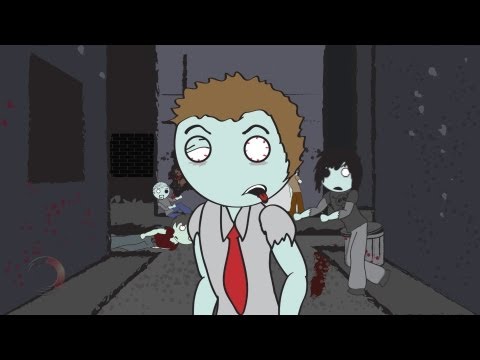
Can Zombies Run? The World War Z debate - slow or fast zombie movies ?
0
阿多賓 posted on 2014/01/18Ever wondered if zombies can actually run? This video dives into the epic debate between slow vs. fast zombies, inspired by movies like World War Z and classics by George Romero and Zack Snyder. You'll pick up some awesome advanced vocabulary related to decomposition and survival, making it a fun way to boost your English knowledge!
Learn this video on the APP!
The VoiceTube App has more in-depth practice for videos!