
adapt
US /əˈdæpt/
UK /ə'dæpt/
- Transitive Verb
- To change something for a different function
- To change something to fit or suit a new purpose
- Intransitive Verb
- To change your behaviour so that it is easier to live in a new place or situation
B1TOEICMoreadrenaline
US /əˈdrɛnəlɪn/
UK /ə'drenəlɪn/
- Noun (Countable/Uncountable)
- Chemical in the body that responds to stress, fear
- The intense excitement and energy felt when in a dangerous or exciting situation.
C1Morealleviate
US /əˈliviˌet/
UK /əˈli:vieɪt/
- Transitive Verb
- To lessen the severity of something
B2TOEICMoreanxiety
US /æŋˈzaɪɪti/
UK /æŋ'zaɪətɪ/
- Uncountable Noun
- A feeling of worry, nervousness, or unease about something that might happen, especially when the outcome is uncertain.
B1Moreassume
US /əˈsum/
UK /ə'sju:m/
- Transitive Verb
- To act in a false manner to mislead others
- To believe, based on the evidence; suppose
A2TOEICMoreat a time
US /æt e taɪm/
UK /æt ə taim/
- Phrase
- Separately; one by one
- Simultaneously; together
A1Moreat work
US /æt wɚk/
UK /æt wə:k/
- Phrase
- Located at one's place of employment
A1Morebinge
US /bɪndʒ/
UK /bɪndʒ/
- Verb (Transitive/Intransitive)
- To eat or drink too much at one time
C1Moreboost
US /bust/
UK /bu:st/
- Transitive Verb
- To increase something; to make something better
- To push someone or something up from beneath them
- Noun (Countable/Uncountable)
- An increase in something
B1TOEICMorechannel
US /ˈtʃænəl/
UK /'tʃænl/
- Noun (Countable/Uncountable)
- Long hole dug in the ground, e.g. to move water
- TV or radio station or its programs
- Transitive Verb
- To dig a long hole for carrying water
- To send (e.g. money) to a certain place or person
B1Morecheck out
US /tʃɛk aʊt/
UK /tʃek aut/
- Phrase
- Phrasal Verb
- To find out information about something
- To take books out of a library
A1Morecholesterol
US /kəˈlestərɔ:l/
UK /kəˈlestərɒl/
- Uncountable Noun
- Substance in the body that may cause heart disease
- Noun
- A test to measure the amount of cholesterol in your blood.
B2Morecomfort
US /ˈkʌmfət/
UK /'kʌmfət/
- Transitive Verb
- To try to make distressed person feel better
- Uncountable Noun
- Acts or words that reduce pain or sadness
- State of being relaxed, warm or happy
A2Moreconfidence
US /ˈkɑnfɪdəns/
UK /'kɒnfɪdəns/
- Uncountable Noun
- Feeling that you can do well at something
- Feeling you can trust someone
A2Morecouch
US /kaʊtʃ/
UK /kaʊtʃ/
- Transitive Verb
- To formulate in a particular style or language
- Noun (Countable/Uncountable)
- Sofa; settee
B1Morecounselor
US /ˈkaʊnsəlɚ, -slɚ/
UK /'kaʊnsələ/
- Noun
- Person offering professional advice to others
B1Morecozy
US /ˈkozi/
UK /'kəʊzɪ/
- Adjective
- Comfortable, warm, pleasant, and often, small
B1Morecrack
US /kræk/
UK /kræk/
- Noun (Countable/Uncountable)
- Attempt to achieve a goal or objective
- Unexpected and hard hit to the body
- Verb (Transitive/Intransitive)
- To attempt to achieve a goal or objective
- To hit someone or something hard and unexpectedly
B1Morecriticize
US /ˈkrɪtɪˌsaɪz/
UK /ˈkrɪtɪsaɪz/
- Transitive Verb
- To assess the work of others
- To say that someone or something is bad
B1Moredeem
US /dim/
UK /di:m/
- Transitive Verb
- To judge something to be a certain thing, way
B2Moredeserve
US /dɪˈzɚv/
UK /dɪ'zɜ:v/
- Transitive Verb
- To be worthy of, e.g. getting praise or attention
A2TOEICMoredisconnect
US /ˌdɪskəˈnɛkt/
UK /ˌdɪskəˈnekt/
- Transitive Verb
- To separate something from something else
- Noun
- State of being separated from something else
B2Moredisorder
US /dɪsˈɔrdɚ/
UK /dɪs'ɔ:də(r)/
- Uncountable Noun
- State of confusion or a lack of organization
- Illness when the body is not functioning well
- Transitive Verb
- To disrupt the order or arrangement of something.
B2Moreeloquent
US /ˈɛləkwənt/
UK /ˈeləkwənt/
- Adjective
- Able to speak expressively or convincingly
B2Moreencourage
US /ɛnˈkɚrɪdʒ, -ˈkʌr-/
UK /ɪn'kʌrɪdʒ/
- Transitive Verb
- To increase the chance of something happening
- To make someone more determined or confident
A2TOEICMoreestablish
US /ɪˈstæblɪʃ/
UK /ɪˈstæblɪʃ/
- Transitive Verb
- To set or create something to last for a long time
- To use facts, evidence to show truth or clarity
A2TOEICMoreevaluate
US /ɪˈvæljuˌet/
UK /ɪˈvæljueɪt/
- Transitive Verb
- To form an idea to judge something carefully
- To calculate or work out the value or amount of something.
A2TOEICMoreexcitement
US /ɪkˈsaɪtmənt/
UK /ɪkˈsaɪtmənt/
- Uncountable Noun
- When people feel very happy and enthusiastic
- Something that causes great enthusiasm and eagerness.
A2Moreexperience in
US
UK
- Phrase
- Knowledge or skill gained from doing something for a period of time.
- Exposure to or involvement in a particular activity or situation.
B1Morefeel like
US
UK
- Intransitive Verb
- To have a desire or inclination for something.
- To have a particular quality or sensation; resemble.
A1Morefrequently
US /ˈfrikwəntlɪ/
UK /ˈfri:kwəntli/
- Adverb
- Often; regularly
- Repeatedly or many times.
A2TOEICMorego out
US /ɡo aʊt/
UK /ɡəu aut/
- Phrase
- To leave a building (e.g. a house)
- Phrasal Verb
- (Of a fire) to burn out; be extinguished
- Go out of fashion to stop being fashionable
A1Moregoing on
US /ˈɡoɪŋ ɑn/
UK /ˈgəʊɪŋ ɔn/
- Phrasal Verb
- To continue doing something
- To happen (usually negative)
A1Morehave to
US /hæv tu/
UK /ˈhæv tə/
- Auxiliary Verb
- Must do
A1Morehermit
US /ˈhɚmɪt/
UK /'hɜ:mɪt/
- Countable Noun
- Person that lives alone and away from society
B2Morein a while
US /ɪn e hwaɪl/
UK /in ə hwail/
- Phrase
- In a short period of time; soon.
- For a short period of time; soon.
A2Morein danger
US /ɪn ˈdendʒɚ/
UK /in ˈdeindʒə/
- Phrase
- Exposed to the risk of harm, injury, or loss.
- At risk of experiencing something negative or harmful.
A1Morein order to
US /ɪn ˈɔrdɚ tu/
UK /in ˈɔ:də tu:/
- Preposition
- For the purpose of; with the aim of.
- Phrase
- In a specific sequence or arrangement.
- With the aim of; for the purpose of.
C1Morein the end
US /ɪn ði ɛnd/
UK /in ðə end/
- Phrase
- Finally; after a period of time or series of events.
- Ultimately; as the final result or consequence.
A1Morein the long run
US
UK
- Phrase
- Eventually; over a long period of time.
A1Moreinsomnia
US /ɪnˈsɑ:mniə/
UK /ɪnˈsɒmniə/
- Uncountable Noun
- Inability to sleep for many nights
- A specific instance or occurrence of sleeplessness.
C1Moreinstead of
US /ɪnˈstɛd ʌv/
UK /inˈsted ɔv/
- Preposition
- When one thing is replaced by another
- Adverb
- As a substitute or alternative.
A1Moreirritable
US /ˈɪrɪtəbəl/
UK /ˈɪrɪtəbl/
- Adjective
- Annoyed; easily annoyed or angered
- Easily inflamed or sore.
B2Morelive on
US /lɪv ɒn/
UK /lɪv ɒn/
- Phrasal Verb
- To continue to exist or be remembered.
- To eat a particular type of food as the main thing.
B2Moreloneliness
US /ˈlonlɪnɪs/
UK /'ləʊnlɪnəs/
- Uncountable Noun
- State of feeling sad because you are alone
- A feeling of being isolated from others, even when surrounded by people.
B2Morelonely
US /ˈloʊnli/
UK /ˈləʊnli/
- Adjective
- Sad because apart from other people
- Being far away and rarely visited by people
B2Moremake up
US /mek ʌp/
UK /meik ʌp/
- Phrasal Verb
- To invent or create a story
- To add up to
- Verb (Transitive/Intransitive)
- To invent a story, excuse, etc.
- To compensate for something lost, missed, or deficient.
A1Moremotivation
US /ˌmotəˈveʃən/
UK /ˌməʊtɪ'veɪʃn/
- Uncountable Noun
- Reason behind why someone did something
- Enthusiasm for doing something.
B1TOEICMorenegative
US /ˈnɛɡətɪv/
UK /'neɡətɪv/
- Noun
- The opposite to a positive electrical charge
- In grammar, containing words such as 'no' or 'not'
- Adjective
- Being harmful, unwanted or unhelpful
- In mathematics, being less than zero
A2Moreon a daily basis
US
UK
- Phrase
- Happening every day.
A1Moreon sale
US /ɑn sel/
UK /ɔn seil/
- Adjective
- Available at a reduced price
- Available to be bought
A2Moreon the phone
US
UK
- Phrase
- Talking on the telephone.
- Adjective
- Using a phone, especially a mobile phone.
A1Moreonce in a while
US //wʌns ɪn ə waɪl//
UK
- Phrase
- Occasionally; not very often.
- Occasionally; not very often.
A2Moreongoing
US /ˈɑ:ngoʊɪŋ/
UK /ˈɒngəʊɪŋ/
- Adjective
- Continuing to exist or be in progress
- Noun (Countable/Uncountable)
- A situation or process that is currently taking place or is in progress.
- A problem or difficulty that continues to exist or happen.
B1Moreopt
US /ɑ:pt/
UK /ɒpt/
- Intransitive Verb
- To choose one thing rather than other choices
B1Moreout there
US /aʊt ðɛr/
UK /aut ðɛə/
- Adverb
- In or to a place that is far away
- Existing in the universe
- Adjective
- Unconventional; strange; avant-garde
- Existing or available.
A1Moreplay in
US
UK
- Phrasal Verb
- To participate or compete in a game or competition.
- To have a role in a theatrical production.
A1Morepractice
US /ˈpræktɪs/
UK /'præktɪs/
- Noun
- The office and place for legal or medical work
- Doing something many times to become better at it
- Verb (Transitive/Intransitive)
- To work as a doctor or lawyer
- To live according to the teachings of a religion
A2TOEICMorerather than
US
UK
- Adverb
- More exactly; more correctly
- Preferably; instead
- Preposition
- Instead of
A1Morereach out
US /ritʃ aʊt/
UK /ri:tʃ aut/
- Phrasal Verb
- To attempt to communicate with someone.
- To offer help and support to someone.
B1Morerecharge
US /riˈtʃɑrdʒ/
UK /ˌri:'tʃɑ:dʒ/
- Transitive Verb
- To refill a battery, etc. with electricity
- Verb (Transitive/Intransitive)
- To re-energize yourself through rest or eating
B2Moreresearch
US /rɪˈsɚtʃ, ˈriˌsɚtʃ/
UK /rɪ'sɜ:tʃ/
- Verb (Transitive/Intransitive)
- To study in order to discover new ideas and facts
- To study the market relating to marketing products and services.
- Noun (Countable/Uncountable)
- Study done to discover new ideas and facts
- A particular area or topic of study.
A2TOEICMoresolitary
US /ˈsɑlɪˌtɛri/
UK /'sɒlətrɪ/
- Adjective
- Done alone; spending a lot of time alone
- Noun
- A punishment to keep a person alone in a cell
- A person who chooses to live alone
B2Morespend more time
US
UK
- Phrase
- To dedicate a greater amount of time to a particular activity or person.
A1Morestay in
US /ste ɪn/
UK /stei in/
- Phrasal Verb
- To remain inside one's home.
- Intransitive Verb
- To remain as an inpatient in a hospital.
stir
US /stɚ/
UK /stɜ:(r)/
- Transitive Verb
- To arouse (attention or interest)
- To mix e.g. food by making circular movements
- Uncountable Noun
- Attention or interest aroused by an event
B1Morestir up
US /stɚ ʌp/
UK /stə: ʌp/
- Phrasal Verb
- To cause trouble; incite unrest.
- To evoke or awaken (emotions, memories).
A1Morestruggle
US /ˈstrʌɡəl/
UK /'strʌɡl/
- Verb (Transitive/Intransitive)
- To try very hard to do something difficult
- To fight or struggle violently
- Noun (Countable/Uncountable)
- Strong efforts made to do something difficult
- A difficult or challenging situation or task
A2Moresubscribe
US /səbˈskraɪb/
UK /səb'skraɪb/
- Verb (Transitive/Intransitive)
- To regularly pay to receive a service
B1TOEICMoresubstitute
US /ˈsʌbstɪˌtut, -ˌtjut/
UK /'sʌbstɪtju:t/
- Transitive Verb
- To perform the tasks instead of someone else
- To replace one person or thing for another
- Noun
- A person or thing acting in place of another
B2TOEICMoresuffer
US / ˈsʌfɚ/
UK /'sʌfə(r)/
- Verb (Transitive/Intransitive)
- To experience pain, illness, or injury
- To allow or permit something, especially something unpleasant.
A2Moresuffer from
US /ˈsʌfɚ frʌm/
UK /ˈsʌfə frɔm/
- Intransitive Verb
- To experience pain or distress; to be badly affected by.
A1Moresustainable
US /səˈsteɪnəbl/
UK /səˈsteɪnəbl/
- Adjective
- Capable of continuing for a long time
- Able to be maintained without running out of
B2Moresweat
US /swɛt/
UK /swet/
- Verb (Transitive/Intransitive)
- To do an amount of hard work
- To be worried or anxious about something
- Noun (Countable/Uncountable)
- An amount of hard work
A2Moretake some time
US
UK
- Verb (Transitive/Intransitive)
- To allocate or dedicate a period to a specific activity or purpose.
A1Morethumbs up
US
UK
- Noun
- A gesture of approval or agreement, indicated by holding a fist with the thumb extended upwards.
- A positive rating or vote on social media or online platforms.
- Noun (plural)
- Multiple gestures of approval or agreement made by extending the thumbs upward.
A1Moreturn to
US /tɚn tu/
UK /tə:n tu:/
- Phrasal Verb
- To go to someone for help, advice, or information.
- To start doing or using something, often something bad or undesirable.
A1Moreunwind
US
UK
- Transitive Verb
- To reverse something that has been twisted/turned
B2Morevulnerable
US /ˈvʌlnərəbəl/
UK /ˈvʌlnərəbl/
- Adjective
- Being open to attack or damage
- Being easily harmed, hurt, or wounded
B1Morewake up
US /wek ʌp/
UK /weik ʌp/
- Phrasal Verb
- To stop sleeping
- To become fully aware and alert to a situation.
A1More
Vocabulary
- instead of: When one thing is replaced by another
- have to: Must do
- feel like: To have a desire or inclination for something.
- take some time: To allocate or dedicate a period to a specific activity or purpose.
- at work: Located at one's place of employment
- experience in: Knowledge or skill gained from doing something for a period of time.
- wake up: To stop sleeping
- on the phone: Talking on the telephone.
- reach out: To attempt to communicate with someone.
- play in: To participate or compete in a game or competition.
- in danger: Exposed to the risk of harm, injury, or loss.
- live on: To continue to exist or be remembered.
- on a daily basis: Happening every day.
- in a while: In a short period of time; soon.
- once in a while: Occasionally; not very often.
- go out: To leave a building (e.g. a house)
- stay in: To remain inside one's home.
- out there: In or to a place that is far away
- in order to: For the purpose of; with the aim of.
- stir up: To cause trouble; incite unrest.
- make up: To invent or create a story
- spend more time: To dedicate a greater amount of time to a particular activity or person.
- rather than: More exactly; more correctly
- on sale: Available at a reduced price
- in the long run: Eventually; over a long period of time.
- in the end: Finally; after a period of time or series of events.
- suffer from: To experience pain or distress; to be badly affected by.
- going on: To continue doing something
- turn to: To go to someone for help, advice, or information.
- check out
- at a time: Separately; one by one
- thumbs up: A gesture of approval or agreement, indicated by holding a fist with the thumb extended upwards.
- vulnerable: Being open to attack or damage
- subscribe: To regularly pay to receive a service
- anxiety: A feeling of worry, nervousness, or unease about something that might happen, especially when the outcome is uncertain.
- assume: To act in a false manner to mislead others
- struggle: To try very hard to do something difficult
- deserve: To be worthy of, e.g. getting praise or attention
- boost: To increase something; to make something better
- adrenaline: Chemical in the body that responds to stress, fear
- practice: The office and place for legal or medical work
- experience: Thing a person has done or that happened to them
- disorder: State of confusion or a lack of organization
- negative: The opposite to a positive electrical charge
- sustainable: Capable of continuing for a long time
- insomnia: Inability to sleep for many nights
- binge: To eat or drink too much at one time
- motivation: Reason behind why someone did something
- cholesterol: Substance in the body that may cause heart disease
- confidence: Feeling that you can do well at something
- irritable: Annoyed; easily annoyed or angered
- solitary: Done alone; spending a lot of time alone
- research: To study in order to discover new ideas and facts
- crack: Attempt to achieve a goal or objective
- cozy: Comfortable, warm, pleasant, and often, small
- encourage: To increase the chance of something happening
- alleviate: To lessen the severity of something
- substitute: To perform the tasks instead of someone else
- establish: To set or create something to last for a long time
- brain: To strike someone forcefully on the head
- suffer: To experience pain, illness, or injury
- comfort: To try to make distressed person feel better
- adapt: To change something for a different function
- stir: To arouse (attention or interest)
- cortisol: Adrenal-cortex hormone (trade names Hydrocortone or Cortef) that is active in carbohydrate and protein metabolism
- evaluate: To form an idea to judge something carefully
- create: To make, cause, or bring into existence
- sweat: To do an amount of hard work
- excitement: When people feel very happy and enthusiastic
- deem: To judge something to be a certain thing, way
- frequently: Often; regularly
- social: Involving activity with people, e.g. in free time
- criticize: To assess the work of others
- channel: Long hole dug in the ground, e.g. to move water
- opt: To choose one thing rather than other choices
- hit: To have a negative impact on a person/place/thing
- ongoing: Continuing to exist or be in progress
- couch: To formulate in a particular style or language
- counselor: Person offering professional advice to others
- unwind: To reverse something that has been twisted/turned
- eloquent: Able to speak expressively or convincingly
- wrong: Action that is harmful, unjust or illegal
- loneliness: State of feeling sad because you are alone
- find: To become aware of something that is happening
- prepare: To make something ready for use
- make: To arrange or prepare something e.g. dinner
- hard: Difficult to do; difficult to understand
- understand: To know the meaning of language, what someone says
- recharge: To refill a battery, etc. with electricity
- healthy: In good condition physically, or financially; well
- problem: Something difficult to deal with or causes trouble
- feel: To be aware of or experience an emotion, sensation
- hermit: Person that lives alone and away from society
- disconnect: To separate something from something else
- lonely: Sad because apart from other people
Get the full experience in the app
Learn anywhere with detailed sentence and usage analysis
01:03
She took a brave step forward, leaving behind her comfort zone to chase her dreams.
Vocabulary
- brave
adj. Having courage
- comfort zone
phr. A familiar situation where one feels safe
Explanation
a brave step is a noun phrase, where brave is an adjective modifying the noun step, meaning "a courageous step".
forward is an adverb modifying step, meaning "ahead".
The whole phrase serves as the object, answering the "what" of took (verb) — she took a brave step forward.
Get the full experience in the app
Look up words anytime with pronunciation, part of speech, and usage
brave
US/brev/
UK/breɪv/
adj.Brave
v.t.To bravely face
A2 Elementary
Get the full experience in the app
Practice speaking anytime and get instant pronunciation feedback
Try this speaking exercise.
Try practicing with this sentence.
80
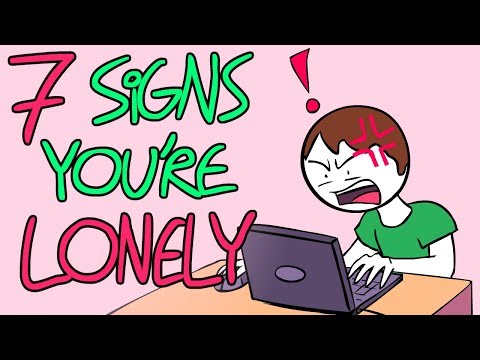
7 Signs You May Be Lonely
0
Seraya posted on 2020/04/02Ever wonder if you're feeling lonely? This video from Psych2Go dives into 7 signs that might point to loneliness, even when you're surrounded by people! You'll learn practical self-care tips and understand common symptoms like sleep disturbances and emotional eating, all while picking up simple sentence structures perfect for daily conversation.
Learn this video on the APP!
The VoiceTube App has more in-depth practice for videos!