
activate
US /ˈæktəˌvet/
UK /ˈæktɪveɪt/
- Transitive Verb
- To cause to happen; cause a chemical reaction
- To make something start working
B1Moreaddictive
US /əˈdɪktɪv/
UK /əˈdɪktɪv/
- Adjective
- Being powerless to stop doing or using something
B1Morealcohol
US /ˈælkəˌhɔl,-ˌhɑl/
UK /'ælkəhɒl/
- Uncountable Noun
- A colorless liquid that can catch fire (C2H5OH)
- Drinks such as wine, whiskey, beer
B1Moreat a time
US /æt e taɪm/
UK /æt ə taim/
- Phrase
- Separately; one by one
- Simultaneously; together
A1Morebitter
US /ˈbɪtɚ/
UK /'bɪtə(r)/
- Adjective
- Feeling angry and sad over something
- Sharp unpleasant taste (e.g. strong black coffee)
A2Morebroccoli
US /ˈbrɑkəli/
UK /'brɒkəlɪ/
- Noun (Countable/Uncountable)
- Vegetable with thick branches and green flowers
- The plant that produces broccoli.
B2Morecereal
US /ˈsɪriəl/
UK /'sɪərɪəl/
- Noun (Countable/Uncountable)
- Breakfast food eaten with milk
- Grain that can be eaten
B1Morecerebral
US /ˈsɛrəbrəl, səˈri-/
UK /ˈserəbrəl, səˈri:-/
- Adjective
- Having or concerning ideas rather than emotions
- Affecting or related to the brain
- Noun
- An intellectual person.
B2Morechemical
US /ˈkɛmɪkəl/
UK /ˈkemɪkl/
- Noun (Countable/Uncountable)
- Basic substance produced by mixing elements
- The branch of science concerned with the substances of which matter is composed, the investigation of their properties and reactions, and the use of such reactions to form new substances.
- Adjective
- Made of various elements
A2Moreconsume
US /kənˈsum/
UK /kən'sju:m/
- Transitive Verb
- To eat, drink, buy or use up something
- To take all your energy; focus the attention
A2TOEICMorecortex
US /ˈkɔrˌteks/
UK /'kɔ:teks/
- Noun (Countable/Uncountable)
- The outer part of an organ/structure, e.g. brain
- The outer layer of the cerebrum (the cerebral cortex), other organs, or a plant.
C1Morecrave
US /krev/
UK /kreɪv/
- Verb (Transitive/Intransitive)
- To have a very strong desire for something
B2Morecrunchy
US /ˈkrʌntʃi/
UK /'krʌntʃɪ/
- Adjective
- (of food, snow) making a soft compacting sound
B2Morecurrency
US /ˈkɚrənsi, ˈkʌr-/
UK /'kʌrənsɪ/
- Uncountable Noun
- Widespread acceptance
- Money system that a country uses
B1Moredeal with
US /dil wɪð/
UK /di:l wið/
- Verb (Transitive/Intransitive)
- To buy or sell goods or services.
- Phrasal Verb
- To take action to solve a problem or manage a situation.
- To be about; concern.
A1Moredense
US /dɛns/
UK /dens/
- Adjective
- Very thick and difficult to see, get through
- Hard to understand
B1TOEICMoredessert
US /dɪˈzɜ:rt/
UK /dɪˈzɜ:t/
- Noun
- Sweet food usually eaten at the end of a meal
B2Moredetect
US /dɪˈtɛkt/
UK /dɪˈtekt/
- Transitive Verb
- To discover or identify the presence of something
A2TOEICMorediet
US /ˈdaɪɪt/
UK /'daɪət/
- Intransitive Verb
- To eat special or less food, as to lose weight
- Noun (Countable/Uncountable)
- Plan of eating to reduce weight or improve health
- The usual food and drink consumed by an organism (person or animal)
A2TOEICMoredistribute
US /dɪˈstrɪbjut/
UK /dɪˈstrɪbju:t/
- Transitive Verb
- To hand out or give to people
- To send products to stores to sell
A2Moredomino
US /ˈdɑ:mənoʊ/
UK /ˈdɒmɪnəʊ/
- Countable Noun
- Flat rectangular blocks with spots used in a game
- A hooded cloak worn with a mask at masquerades.
C1Moreevenly
US /ˈivənlɪ/
UK /ˈi:vnli/
- Adverb
- Equally; with advantage to both sides
- In a smooth, level or regular way
B2Moreeventually
US /ɪˈvɛntʃuəli/
UK /ɪˈventʃuəli/
- Adverb
- After a long time; after many attempts; in the end
- At some later time; in the future
A2Moreevolve
US /ɪˈvɑlv/
UK /ɪ'vɒlv/
- Verb (Transitive/Intransitive)
- To develop certain features
- To develop or change slowly over time
B1Moreflavor
US /ˈflevɚ/
UK /'fleɪvə/
- Noun (Countable/Uncountable)
- Quality giving something a particular character
- Taste of something, especially in food or drink
- Transitive Verb
- To add extra taste to a food
B1Morefor example
US
UK
- Phrase
- As an illustration or instance.
forebrain
US /ˈfɔ:reɪn/
UK /ˈfɔ:breɪn/
- Noun
- Front part of the brain
C2Morefuzzy
US /ˈfʌzi/
UK /'fʌzɪ/
- Adjective
- Covered with fur or short hair
- Not clear; blurred
B2Moreget back to
US /ɡɛt bæk tu/
UK /ɡet bæk tu:/
- Phrasal Verb
- To get in contact with someone again
- To return to someone or something; to respond at a later time.
A1Moreglucose
US /ˈɡluˌkos/
UK /'ɡlu:kəʊs/
- Uncountable Noun
- Natural type of sugar found in fruits and plants
- The concentration of glucose in the blood, often measured to monitor metabolic health.
C1Moregooey
US /ˈɡui/
UK /ˈgu:i/
- Adjective
- Soft and sticky
C1Moregut
US /ɡʌt/
UK /ɡʌt/
- Transitive Verb
- To destroy the inside of a building , e.g. by fire
- To remove the internal parts of an animal or fish
- Noun (Countable/Uncountable)
- Stomach and internal organs of digestion
B1Moreheroin
US /ˈheroʊɪn/
UK /ˈherəʊɪn/
- Uncountable Noun
- A highly addictive drug, a derivative of morphine
B2Morein a row
US /ɪn e ro/
UK /in ə rəu/
- Phrase
- One after another without a break.
- Arranged in a straight line.
- Idiom
- To have an argument.
A1Morein a while
US /ɪn e hwaɪl/
UK /in ə hwail/
- Phrase
- In a short period of time; soon.
- For a short period of time; soon.
A2Morein other words
US
UK
- Phrase
- Stating something in a different way, often to make it clearer or more understandable.
in place of
US /ɪn ples ʌv/
UK /in pleis ɔv/
- Phrase
- Instead of; as a substitute for.
induce
US /ɪnˈdus, -ˈdjus/
UK /ɪn'dju:s/
- Transitive Verb
- To make someone do something; create an outcome
- To make a woman give birth by giving her medicine
B1TOEICMoreinsulin
US /ˈɪnsəlɪn/
UK /ˈɪnsjəlɪn/
- Uncountable Noun
- Substance in the body processing sugar into energy
B2Morelevel out
US /ˈlɛvəl aʊt/
UK /ˈlevl aut/
- Phrasal Verb
- To become flat or even; to make something flat or even.
- To become stable after a period of increase or decrease.
A2Morenicotine
US /ˈnɪkəˌtin/
UK /ˈnɪkəti:n/
- Uncountable Noun
- Addictive substance in tobacco
C1Moreon the brain
US
UK
- Idiom
- To be constantly thinking about someone or something; to be obsessed with someone or something.
once in a while
US //wʌns ɪn ə waɪl//
UK
- Phrase
- Occasionally; not very often.
- Occasionally; not very often.
A2Moreoverdrive
US /ˈoʊvərdraɪv/
UK /ˈəʊvədraɪv/
- Noun
- Extra gear on a vehicle that allows more power
C1Morepile
US /paɪl/
UK /paɪl/
- Noun (Countable/Uncountable)
- Large amount of something
- Group of things one on top of another
- Verb (Transitive/Intransitive)
- (E.g. of problems) to increase; get more or worse
- To place things on top of each other; to heap up.
B1TOEICMorerarely
US /ˈrɛrli/
UK /ˈrɛəli/
- Adverb
- Not often (seen, done, etc.); infrequently
A2TOEICMoreraw
US /rɔ/
UK /rɔ:/
- Adjective
- Being uncontrolled or strong, as your emotions
- Being inexperienced
B1Moreresist
US /rɪˈzɪst/
UK /rɪ'zɪst/
- Verb (Transitive/Intransitive)
- To not be affected by e.g. a force or an effect
- To fight or prevent something from happening
A2TOEICMorereward
US /rɪˈwɔrd/
UK /rɪ'wɔ:d/
- Transitive Verb
- To give something because of someone's good work
- To give someone money for helping the police
- Noun
- Money given for information about criminals
- Something given in recognition of service, effort, or achievement.
A2TOEICMorerow
US /roʊ/
UK /rəʊ/
- Verb (Transitive/Intransitive)
- To move a boat using oars
- To argue or quarrel loudly about something
- Noun (Countable/Uncountable)
- Loud argument or quarrel between people
- Straight line of things, e.g. seats in classroom
A2Moresignal
US /ˈsɪɡnəl/
UK /'sɪɡnəl/
- Verb (Transitive/Intransitive)
- To be evidence/an indication something will happen
- To make a noise or motion to tell someone to start
- Noun (Countable/Uncountable)
- Evidence or an indication something will happen
- Movement of a hand or other means to send messages
A2Moresocialize
US /ˈsoʃəˌlaɪz/
UK /'səʊʃəlaɪz/
- Intransitive Verb
- To spend time with people; go out and make friends
- To spend time with people; go out and make friends
- Transitive Verb
- To teach people acceptable cultural behaviors
- To organize or control (something) according to socialist principles.
B2Morespike
US /spaɪk/
UK /spaɪk/
- Noun
- The top point in a graph
- Long, thin metal rod that ends in a point
- Intransitive Verb
- To go up to a point on a graph
B2Morestarch
US /stɑ:rtʃ/
UK /stɑ:tʃ/
- Uncountable Noun
- Substance in food changed to energy in the body
- Substance used to make clothes stiff when ironing
- Transitive Verb
- To make clothing stiff using a special substance
B2Morestem
US /stɛm/
UK /stem/
- Noun (Countable/Uncountable)
- Long thin central part of a plant, bearing leaves
- Long thin part supporting something e.g. a light
- Transitive Verb
- To remove the stem of a flower or fruit
- To stop something bad from spreading or developing
B1TOEICMorestomach
US /ˈstʌmək/
UK /'stʌmək/
- Noun
- Place in the body where food is processed
- Verb (Transitive/Intransitive)
- to be able to accept something unpleasant
A2Moresubconscious
US /sʌbˈkɑnʃəs/
UK /ˌsʌbˈkɒnʃəs/
- Adjective
- Occurring in the mind without direct thinking
B1Moresucrose
US /ˈsu:kroʊs/
UK /ˈsu:krəʊz/
- Uncountable Noun
- Complex carbohydrate used as a sweetener
C2Moresyrup
US /ˈsɪrəp, ˈsɚ-/
UK /ˈsɪrəp/
- Uncountable Noun
- Sugary liquid e.g. used on pancakes
B2Morethink back
US /θɪŋk bæk/
UK /θiŋk bæk/
- Phrasal Verb
- To recapture the past
A1Moretolerance
US /ˈtɑ:lərəns/
UK /ˈtɒlərəns/
- Uncountable Noun
- Ability to adjust to changes, your environment etc.
- The space between metal objects e.g. in engines
B1Moretongue
US /tʌŋ/
UK /tʌŋ/
- Noun
- Long, thin part of (e.g. shoe under the laces)
- Meat from the mouth of an animal, cooked as food
- Transitive Verb
- To using your mouth to produce musical notes
- To use your mouth to touch something
A2Moreused to
US /juzd tu/
UK /ˈju:st tə/
- Adjective
- Did regularly before, but don't do now
- Auxiliary Verb
- Have done before, but do not do now
A1Morevariety
US /vəˈraɪɪti/
UK /və'raɪətɪ/
- Noun
- Particular type of thing or person
- The quality or state of being different or diverse; the absence of uniformity, sameness, or monotony.
A2TOEICMorevelvety
US /ˈvɛlvɪti/
UK /ˈvelvəti/
- Adjective
- Smooth and soft to sight, hearing, touch or taste
B2Morewaffle
US /ˈwɑfəl/
UK /'wɒfl/
- Noun (Countable/Uncountable)
- Batter cooked in a hot iron, as with crisscrosses
- Intransitive Verb
- To speak incoherently and without a clear message
C1TOEICMorewedge
US /wɛdʒ/
UK /wedʒ/
- Countable Noun
- Golf club designed to hit the ball high in the air
- Triangular shape with a sharp point
- Transitive Verb
- To push something forcefully into a narrow space
- To place something under a door to keep it open
B2More
Vocabulary
- in other words: Stating something in a different way, often to make it clearer or more understandable.
- used to: Did regularly before, but don't do now
- get back to: To get in contact with someone again
- deal with
- for example: As an illustration or instance.
- in a row: One after another without a break.
- in place of: Instead of; as a substitute for.
- at a time: Separately; one by one
- level out: To become flat or even; to make something flat or even.
- think back: To recapture the past
- on the brain: To be constantly thinking about someone or something; to be obsessed with someone or something.
- in a while: In a short period of time; soon.
- once in a while: Occasionally; not very often.
- eventually: After a long time; after many attempts; in the end
- crave: To have a very strong desire for something
- dopamine: Drug used to treat shock and hypotension
- evolve: To develop certain features
- cortex: The outer part of an organ/structure, e.g. brain
- variety: Particular type of thing or person
- consume: To eat, drink, buy or use up something
- reward: To give something because of someone's good work
- gut: To destroy the inside of a building , e.g. by fire
- bit: Device put in a horse's mouth to control it
- spike: The top point in a graph
- tongue: Long, thin part of (e.g. shoe under the laces)
- currency: Widespread acceptance
- syrup: Sugary liquid e.g. used on pancakes
- brain: To strike someone forcefully on the head
- pile: Large amount of something
- resist: To not be affected by e.g. a force or an effect
- series: Set of stories or articles on a particular subject
- glucose: Natural type of sugar found in fruits and plants
- explain: To make clear or easy to understand by describing
- dense: Very thick and difficult to see, get through
- effect: An advantage, benefit
- flavor: Quality giving something a particular character
- fuzzy: Covered with fur or short hair
- subconscious: Occurring in the mind without direct thinking
- insulin: Substance in the body processing sugar into energy
- stem: Long thin central part of a plant, bearing leaves
- starch: Substance in food changed to energy in the body
- diet: To eat special or less food, as to lose weight
- alcohol: A colorless liquid that can catch fire (C2H5OH)
- bitter: Feeling angry and sad over something
- induce: To make someone do something; create an outcome
- raw: Being uncontrolled or strong, as your emotions
- detect: To discover or identify the presence of something
- neurotransmitter: Chemical released by nerves that boost signals within the body
- broccoli: Vegetable with thick branches and green flowers
- activate: To cause to happen; cause a chemical reaction
- gooey: Soft and sticky
- stomach: Place in the body where food is processed
- cereal: Breakfast food eaten with milk
- addictive: Being powerless to stop doing or using something
- chemical: Basic substance produced by mixing elements
- tolerance: Ability to adjust to changes, your environment etc.
- signal: To be evidence/an indication something will happen
- rarely: Not often (seen, done, etc.); infrequently
- important: Having power or authority
- distribute: To hand out or give to people
- row: To move a boat using oars
- system: Set of organized, planned ideas that work together
- fructose: Simple sugar found in honey and in many ripe fruits
- cerebral: Having or concerning ideas rather than emotions
- lactose: Sugar comprising one glucose molecule linked to a galactose molecule; occurs only in milk
- crunchy: (of food, snow) making a soft compacting sound
- hard: Difficult to do; difficult to understand
- dessert: Sweet food usually eaten at the end of a meal
- evenly: Equally; with advantage to both sides
- waffle: Batter cooked in a hot iron, as with crisscrosses
- granola: Cereal made of rolled oats, dried fruits and nuts
- healthy: In good condition physically, or financially; well
- feel: To be aware of or experience an emotion, sensation
- overdrive: Extra gear on a vehicle that allows more power
- nicotine: Addictive substance in tobacco
- wedge: Golf club designed to hit the ball high in the air
- socialize: To spend time with people; go out and make friends
- domino: Flat rectangular blocks with spots used in a game
- velvety: Smooth and soft to sight, hearing, touch or taste
- heroin: A highly addictive drug, a derivative of morphine
- sucrose: Complex carbohydrate used as a sweetener
- forebrain: Front part of the brain
Get the full experience in the app
Learn anywhere with detailed sentence and usage analysis
01:03
She took a brave step forward, leaving behind her comfort zone to chase her dreams.
Vocabulary
- brave
adj. Having courage
- comfort zone
phr. A familiar situation where one feels safe
Explanation
a brave step is a noun phrase, where brave is an adjective modifying the noun step, meaning "a courageous step".
forward is an adverb modifying step, meaning "ahead".
The whole phrase serves as the object, answering the "what" of took (verb) — she took a brave step forward.
Get the full experience in the app
Look up words anytime with pronunciation, part of speech, and usage
brave
US/brev/
UK/breɪv/
adj.Brave
v.t.To bravely face
A2 Elementary
Get the full experience in the app
Practice speaking anytime and get instant pronunciation feedback
Try this speaking exercise.
Try practicing with this sentence.
80
0
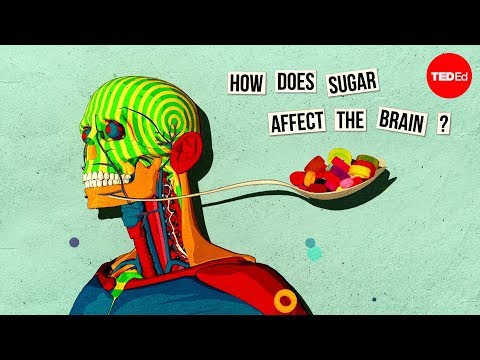
Halu Hsieh posted on 2022/03/16Ever wondered why sugar is so addictive? This fascinating TED-Ed video dives deep into how sugar hijacks your brain's reward system, releasing dopamine and making you crave more! You'll pick up essential vocabulary on nutrition and brain science while learning practical tips about hidden sugars in your diet.
Learn this video on the APP!
The VoiceTube App has more in-depth practice for videos!