
access
US /ˈæksɛs/
UK /'ækses/
- Noun (Countable/Uncountable)
- Way to enter a place, e.g. a station or stadium
- The opportunity or right to use something or to see someone.
- Transitive Verb
- To be able to use or have permission to use
A2TOEICMoreadult
US / əˈdʌlt, ˈædʌlt/
UK /ˈædʌlt/
- Noun (Countable/Uncountable)
- Person or animal that is fully grown
- A fully grown animal.
- Adjective
- Being fully grown; mature; no longer a teenager
- Containing sexually explicit material.
A2TOEICMoreaffect
US /əˈfɛkt/
UK /ə'fekt/
- Transitive Verb
- To cause a change in something else
- To pretend to have or feel (something).
- Noun
- (Psychology) Emotion or feeling.
A2TOEICMorealarm
US /əˈlɑ:rm/
UK /əˈlɑ:m/
- Noun
- Sound or light used for a warning or alert
- an alarm clock
- Transitive Verb
- To make someone unpleasantly surprised
A2Morearound town
US
UK
- Phrase
- In the local area or vicinity.
- In various places throughout the town.
- Adjective
- Socially active and well-known in the town.
A1Moreas well as
US /æz wɛl æz/
UK /æz wel æz/
- Adverb
- Also; in addition to
- Preposition
- In addition to; and also.
A1Moreashore
US /əˈʃɔr, əˈʃor/
UK /əˈʃɔ:(r)/
- Adverb
- Onto the land from the water
B2Moreat some point
US /æt sʌm pɔɪnt/
UK /æt sʌm pɔint/
- Phrase
- At an unspecified time, usually in the future.
A1Moreback out
US /bæk aʊt/
UK /bæk aut/
- Phrasal Verb
- To say you will now not do something you promised
A1Morebased on
US
UK
- Phrasal Verb
- To use something as the foundation or starting point for something else.
- Preposition
- Using something as the main idea or foundation.
- Relying on something as evidence or justification.
A1Morebear
US /bɛr/
UK /bɛː/
- Transitive Verb
- To accept (responsibilities or duties)
- To give birth to a child; to produce fruit
- Countable Noun
- Large brown animal with fur that lives in forests
- Someone who expects stock market to fall
A2Moreblood
US /blʌd/
UK /blʌd/
- Uncountable Noun
- Red liquid in the bodies of people and animals
- Related by birth; family
- Transitive Verb
- To be initiated into something, e.g. a secret club
A2Morecarry out
US /ˈkæri aʊt/
UK /ˈkæri aut/
- Phrasal Verb
- To fulfill or perform your instructions, duty
- Verb (Transitive/Intransitive)
- To perform or execute a task, order, or plan.
- To remove something or someone from a place.
A1Morecharismatic
US /ˌkærɪzˈmætɪk/
UK /ˌkærɪzˈmætɪk/
- Adjective
- Able to attract and make them like you
B2Moreclimate
US /ˈklaɪmɪt/
UK /ˈklaɪmət/
- Noun (Countable/Uncountable)
- Typical weather conditions in a particular place
- The general attitudes, feelings, or opinions that people have at a particular time.
A2Moreclothe
US /kloʊð/
UK /kləʊð/
- Transitive Verb
- To put a certain type of clothing on someone; dress
B1Morecondition
US /kənˈdɪʃən/
UK /kənˈdɪʃn/
- Transitive Verb
- To improve something to make it better
- To cause to behave automatically in a certain way
- Noun (Countable/Uncountable)
- Disease or other medical problem
- The state of living you are in, e.g. good health
A2Moreconsistent
US /kənˈsɪstənt/
UK /kənˈsɪstənt/
- Adjective
- Agreeing with or being similar to another part
- In agreement; reliable
A2Morecritical
US /ˈkrɪtɪkəl/
UK /ˈkrɪtɪkl/
- Adjective
- Making a negative judgment of something
- Being important or serious; vital; dangerous
A2Moredart
US /dɑ:rt/
UK /dɑ:t/
- Intransitive Verb
- To move suddenly away; race away
B1Moredatum
US /ˈdetəm, ˈdætəm, ˈdɑtəm/
UK /ˈdeɪtəm/
- Noun
- Item of factual information
B1Moredecade
US /ˈdɛkˌed, dɛˈked/
UK /ˈdekeɪd/
- Countable Noun
- Period of 10 years
B1TOEICMoredepend
US /dɪˈpend/
UK /dɪˈpend/
- Verb (Transitive/Intransitive)
- Be controlled or determined by (someone/something)
- To rely on someone or something for support, help, or existence.
B1TOEICMoredependent
US /dɪˈpɛndənt/
UK /dɪˈpendənt/
- Adjective
- Someone who relies on (financial) support
- Conditional; contingent
- Countable Noun
- A person who relies on someone else for financial support.
A2TOEICMoredodo
US /ˈdodo/
UK /'dəʊdəʊ/
- Noun
- Extinct heavy flightless bird related to pigeons
C2Moredown for the count
US /daʊn fɚ ðə kaʊnt/
UK /daʊn fə ðə kaʊnt/
- other
- Defeated, unconscious, or unable to continue after a setback.
B2Moredown the road
US
UK
- Phrase
- At a future time; in the future.
- Along the street; a short distance away.
A1Moredramatic
US /drəˈmætɪk/
UK /drəˈmætɪk/
- Adjective
- Gripping the attention; causing an effect
- (Of an event) sudden and extreme
B1Moreecosystem
US /ˈɛkoˌsɪstəm, ˈiko-/
UK /ˈi:kəʊsɪstəm/
- Noun (Countable/Uncountable)
- Types of plants and animals in an specific area
- A network of interconnected companies, technologies, and services that interact to create value.
B1Moreexistence
US /ɪɡˈzɪstəns/
UK /ɪɡ'zɪstəns/
- Uncountable Noun
- State of being present, alive or real
- A way of living; the manner in which someone lives.
A2TOEICMorefeeding
US
UK
- Verb (Transitive/Intransitive)
- To give food, e.g. to animals or a baby
- To push something through an opening
A2Morefor fear of
US /fɔr fɪr ʌv/
UK /fɔ: fiə ɔv/
- Phrase
- Because of anxiety or apprehension that something undesirable might happen.
A1Morefor instance
US /fɔr ˈɪnstəns/
UK /fɔ: ˈinstəns/
- Adverb
- As an example.
- Phrase
- As an example.
- As an illustration or case in point
B1Moregoing on
US /ˈɡoɪŋ ɑn/
UK /ˈgəʊɪŋ ɔn/
- Phrasal Verb
- To continue doing something
- To happen (usually negative)
A1Morehangover
US /ˈhæŋoʊvər/
UK /ˈhæŋəʊvə(r)/
- Noun
- Ill feeling from drinking too much alcohol
C1Morehunger
US /ˈhʌŋɡɚ/
UK /ˈhʌŋgə(r)/
- Noun (Countable/Uncountable)
- Strong desire or need
- Need for food; a severe lack of food
- Intransitive Verb
- To feel hunger; to suffer from a lack of food.
B2Morehunt
US /hʌnt/
UK /hʌnt/
- Transitive Verb
- To search for wild animals to kill (for food)
- To look for very carefully; search for
- Noun
- A search for animals to kill for food
A2Morein fact
US /ɪn fækt/
UK /in fækt/
- Adverb
- Used to emphasize the truth of a statement, especially one that contrasts with or contradicts something else.
- Used to introduce a more detailed or surprising piece of information.
- Phrase
- Used to emphasize the truth of a statement, especially one that is surprising or contrary to what might be expected.
C1Morein recent times
US
UK
- Phrase
- During the period of time that has most recently passed; lately.
- In the modern era; in the current period of history.
B1Morein sight
US /ɪn saɪt/
UK /in sait/
- Phrase
- Visible; able to be seen.
- Near to being achieved; imminent.
in terms of
US
UK
- Phrase
- With regard to; concerning a particular aspect.
A1Morein the air
US
UK
- Phrase
- Present or circulating in the atmosphere.
- Felt or sensed by many people; circulating as a rumor or feeling.
- Adjective
- Being broadcast on radio or television.
A1Morein the future
US /ɪn ði ˈfjutʃɚ/
UK /in ðə ˈfju:tʃə/
- Phrase
- At a later time; in times to come.
A1Morein the hunt
US /ɪn ðə ˈhʌnt/
UK /in ðə ˈhʌnt/
- other
- Still competing or having a chance to succeed or win.
B2Morein the world
US /ɪn ði wɜrld/
UK /in ðə wɜː(r)ld/
- Phrase
- Used to emphasize a question expressing surprise, confusion, disbelief
- Used to indicate the extent or degree of something, often in a superlative sense
A1Morein time
US /ɪn taɪm/
UK /in taim/
- Adverb
- Eventually; after a period of time.
- Not late; with enough time to spare.
- Phrase
- Eventually; before it is too late.
- According to the scheduled time; punctual.
A1Morein town
US /ɪn taʊn/
UK /in taun/
- Phrase
- Present or available in the local area or city.
- Available or present in a particular place.
A1Morein trouble
US /ɪn ˈtrʌbəl/
UK /in ˈtrʌbl/
- Adjective
- Experiencing difficulties, problems, or legal issues.
- other
- In serious trouble or difficulty.
A1Morein turn
US
UK
- Adverb
- One after the other in a sequence or rotation.
A1Moreindication
US /ˌɪndɪˈkeʃən/
UK /ˌɪndɪˈkeɪʃn/
- Noun
- Something showing something exists or will happen
A2TOEICMorekilogram
US /ˈkɪləɡræm/
UK /ˈkɪləgræm/
- Noun (Countable/Uncountable)
- 1000g
A2Morelitter
US /ˈlɪtɚ/
UK /'lɪtə(r)/
- Countable Noun
- All the baby animals born at once from one mother
- Intransitive Verb
- To give birth to more than one animal at once
B1TOEICMorelivelihood
US /ˈlaɪvliˌhʊd/
UK /ˈlaɪvlihʊd/
- Uncountable Noun
- Way someone earns money to live
B2TOEICMorelook at
US /lʊk æt/
UK /luk æt/
- Phrasal Verb
- To use your eyes to focus on something
- To focus your eyes on something carefully
A1Moreloss
US /lɔ:s/
UK /lɒs/
- Noun
- Friend, family, or other loved person's death
- Decrease or decline in quantity or amount
A2TOEICMoremammal
US /ˈmæməl/
UK /'mæml/
- Noun
- Animal which drinks milk from its mother
B1Moremarine
US /məˈrin/
UK /mə'ri:n/
- Countable Noun
- Soldier trained to serve on land and sea
- Adjective
- Of the ocean or ocean plants and animals
- Concerning sailing or doing business by sea
B1Morenational
US /ˈnæʃənəl, ˈnæʃnəl/
UK /'næʃnəl/
- Adjective
- Concerning a nation as a whole
- Countable Noun
- A person of a particular country
A2Moreoccur
US /əˈkɚ/
UK /əˈkɜ:(r)/
- Intransitive Verb
- To come to pass or to happen
- To be found to exist; to be present.
A2TOEICMoreon ice
US /ɑn aɪs/
UK /ɒn aɪs/
- other
- Kept cold or preserved by ice.
- other
- Temporarily postponed or delayed.
B2Moreon the ground
US
UK
- Phrase
- Located on the surface of the earth.
- Present and available in a particular place, especially to deal with a situation.
on the loose
US /ɑn ði lus/
UK /ɔn ðə lu:s/
- Adjective
- Having escaped from captivity; free to move around without restraint.
- Uncontrolled; behaving wildly or without restraint.
A1Moreout there
US /aʊt ðɛr/
UK /aut ðɛə/
- Adverb
- In or to a place that is far away
- Existing in the universe
- Adjective
- Unconventional; strange; avant-garde
- Existing or available.
A1Morepark in
US /ˈpɑrk ɪn/
UK /ˈpɑ:k ɪn/
- other
- To drive a vehicle into a parking spot or area.
A2Morepercent
US /pɚˈsɛnt/
UK /pə'sent/
- Adverb
- One one-hundredth of a whole; the symbol %
- Noun (Countable/Uncountable)
- A proportion multiplied by 100
- A specified amount in every hundred
A2TOEICMorepoint in time
US
UK
- Noun
- A specific moment or instance when something occurs or exists.
- A significant juncture or stage in history or a sequence of events.
A1Morepolar
US /ˈpolɚ/
UK /ˈpəʊlə(r)/
- Adjective
- Concerning the areas near the North or South poles
B1Morepopulation
US /ˌpɑpjəˈleʃən/
UK /ˌpɒpjuˈleɪʃn/
- Noun (Countable/Uncountable)
- Number of people who live in a country, area etc.
- A group of individuals of one species living in a particular area.
A2TOEICMoreprey
US /pre/
UK /preɪ/
- Intransitive Verb
- To hunt (other animals) in order to eat them
- Noun (Countable/Uncountable)
- The victim of another person's aggression
- The victim of another person's aggression
B1Moreprior to
US /ˈpraɪɚ tu/
UK /ˈpraiə tu:/
- Preposition
- Before a particular time or event.
C1Moreprovince
US /ˈprɑvɪns/
UK /'prɒvɪns/
- Noun
- Subject that a person has a good knowledge of
- Area a country is divided into outside the capital
B1Morerapid
US /ˈræpɪd/
UK /ˈræpɪd/
- Adjective
- Moving or happening very quickly
- Noun
- Rough and fast-moving part of a river
B1Morereluctantly
US /rɪˈlʌktəntlɪ/
UK /rɪ'lʌktəntlɪ/
- Adverb
- In an unwilling manner; grudgingly
B1Moreresearch
US /rɪˈsɚtʃ, ˈriˌsɚtʃ/
UK /rɪ'sɜ:tʃ/
- Verb (Transitive/Intransitive)
- To study in order to discover new ideas and facts
- To study the market relating to marketing products and services.
- Noun (Countable/Uncountable)
- Study done to discover new ideas and facts
- A particular area or topic of study.
A2TOEICMoreretreat
US /rɪˈtrit/
UK /rɪ'tri:t/
- Noun
- Act of a force moving back from a winning enemy
- A place away from home and work to relax
- Intransitive Verb
- (Of army, etc.) to move back from a winning enemy
- To go away from home and work for a vacation
B2Moreroot around
US /rut əˈraʊnd/
UK /ru:t əˈraund/
- other
- To look for something by turning things over or moving things roughly.
B1Moreseal
US /sil/
UK /si:l/
- Transitive Verb
- To close tightly to protect it from leaking
- To close an envelop or package
- Noun
- Large fish-eating animal that lives on sea or land
- Official mark made in hot wax to close a document
B1Moreseal in
US /sil ɪn/
UK /si:l ɪn/
- other
- To close something tightly so that nothing can enter or escape.
B2Morespend
US /spɛnd/
UK /spend/
- Transitive Verb
- To use money to pay for something
- To use time in order to do something
A2TOEICMorespringtime
US /ˈsprɪŋˌtaɪm/
UK /ˈsprɪŋtaɪm/
- Noun
- Season of growth of plants and trees, after winter
C2Moresurvival
US /sɚˈvaɪvəl/
UK /səˈvaɪvl/
- Uncountable Noun
- Act of continuing to exist when facing difficulty
A2Moresustain
US /səˈsten/
UK /sə'steɪn/
- Transitive Verb
- To lengthen or continue to do something
- To support or maintain someone or something
B2TOEICMoretourism
US /ˈtʊrɪzəm/
UK /ˈtʊərɪzəm/
- Uncountable Noun
- Visiting to new places, e.g. abroad, for vacations
A2Moreused to
US /juzd tu/
UK /ˈju:st tə/
- Adjective
- Did regularly before, but don't do now
- Auxiliary Verb
- Have done before, but do not do now
A1More
Vocabulary
- going on: To continue doing something
- used to: Did regularly before, but don't do now
- in the world: Used to emphasize a question expressing surprise, confusion, disbelief
- on the loose: Having escaped from captivity; free to move around without restraint.
- on the ground: Located on the surface of the earth.
- in the air: Present or circulating in the atmosphere.
- down for the count: Defeated, unconscious, or unable to continue after a setback.
- root around: To look for something by turning things over or moving things roughly.
- park in: To drive a vehicle into a parking spot or area.
- in trouble: Experiencing difficulties, problems, or legal issues.
- carry out
- look at: To use your eyes to focus on something
- prior to: Before a particular time or event.
- back out: To say you will now not do something you promised
- point in time: A specific moment or instance when something occurs or exists.
- in time: Eventually; after a period of time.
- at some point: At an unspecified time, usually in the future.
- in terms of
- in turn: One after the other in a sequence or rotation.
- on ice: Kept cold or preserved by ice.
- for fear of: Because of anxiety or apprehension that something undesirable might happen.
- in town: Present or available in the local area or city.
- out there: In or to a place that is far away
- based on: To use something as the foundation or starting point for something else.
- around town: In the local area or vicinity.
- for instance: As an example.
- in the hunt: Still competing or having a chance to succeed or win.
- seal in: To close something tightly so that nothing can enter or escape.
- in sight: Visible; able to be seen.
- in fact: Used to emphasize the truth of a statement, especially one that contrasts with or contradicts something else.
- in the future: At a later time; in times to come.
- as well as: Also; in addition to
- in recent times: During the period of time that has most recently passed; lately.
- down the road: At a future time; in the future.
- ice: Frozen gas or liquid, esp. water
- town: Small city
- light: To cause something to burn; put a burning match to
- snow: Person's name
- park: Person's name
- year: Unit of time equal to 12 months or 365 or 366 days
- sea: Very large group of people, similar-looking things
- adult: Person or animal that is fully grown
- number: Symbols such as 1, 2, 56, 793
- close: Almost; near
- early: Coming/happening before others in a time sequence
- favourite: A thing that someone likes best or enjoys most
- cold: Illness of sneezing, coughing, and a sore throat
- clothe: To put a certain type of clothing on someone; dress
- fast: In a way that is difficult to move or change
- bear: To accept (responsibilities or duties)
- lose: To be unable to keep in check or control something
- sort: To organize things by putting them into groups
- team: Group of people working on a task together
- autumn: The season when leaves fall off trees
- alarm: Sound or light used for a warning or alert
- national: Concerning a nation as a whole
- air: Mixture of gases around the earth that we breathe
- include: To make someone, something part of a group
- kilogram: 1000g
- blood: Red liquid in the bodies of people and animals
- north: Direction to your left when facing the rising sun
- happen: To take place or occur
- spend: To use money to pay for something
- population: Number of people who live in a country, area etc.
- tourism: Visiting to new places, e.g. abroad, for vacations
- rate: To assess something or consider its qualities
- feeding: To give food, e.g. to animals or a baby
- fear: Unpleasant feeling caused by being aware of danger
- research: To study in order to discover new ideas and facts
- force: Group of persons trained for military action; army
- depend: Be controlled or determined by (someone/something)
- hunger: Strong desire or need
- hunt: To search for wild animals to kill (for food)
- climate: Typical weather conditions in a particular place
- dramatic: Gripping the attention; causing an effect
- condition: To improve something to make it better
- access: Way to enter a place, e.g. a station or stadium
- percent: One one-hundredth of a whole; the symbol %
- polar: Concerning the areas near the North or South poles
- seal: To close tightly to protect it from leaking
- loss: Friend, family, or other loved person's death
- warming: To become more friendly or to like something
- rapid: Moving or happening very quickly
- affect: To cause a change in something else
- datum: Item of factual information
- occur: To come to pass or to happen
- dependent: Someone who relies on (financial) support
- decade: Period of 10 years
- belief: Being sure that something exists or is true
- survival: Act of continuing to exist when facing difficulty
- existence: State of being present, alive or real
- critical: Making a negative judgment of something
- litter: All the baby animals born at once from one mother
- mammal: Animal which drinks milk from its mother
- indication: Something showing something exists or will happen
- reluctantly: In an unwilling manner; grudgingly
- retreat: Act of a force moving back from a winning enemy
- province: Subject that a person has a good knowledge of
- sustain: To lengthen or continue to do something
- prey: To hunt (other animals) in order to eat them
- consistent: Agreeing with or being similar to another part
- charismatic: Able to attract and make them like you
- ashore: Onto the land from the water
- Arctic: The regions to the north of the Arctic Circle centered on the North Pole
- marine: Soldier trained to serve on land and sea
- springtime: Season of growth of plants and trees, after winter
- dart: To move suddenly away; race away
- eco: Concerning the environment, plants, or animals
- ecosystem: Types of plants and animals in an specific area
- dodo: Extinct heavy flightless bird related to pigeons
- hangover: Ill feeling from drinking too much alcohol
- livelihood: Way someone earns money to live
Get the full experience in the app
Learn anywhere with detailed sentence and usage analysis
01:03
She took a brave step forward, leaving behind her comfort zone to chase her dreams.
Vocabulary
- brave
adj. Having courage
- comfort zone
phr. A familiar situation where one feels safe
Explanation
a brave step is a noun phrase, where brave is an adjective modifying the noun step, meaning "a courageous step".
forward is an adverb modifying step, meaning "ahead".
The whole phrase serves as the object, answering the "what" of took (verb) — she took a brave step forward.
Get the full experience in the app
Look up words anytime with pronunciation, part of speech, and usage
brave
US/brev/
UK/breɪv/
adj.Brave
v.t.To bravely face
A2 Elementary
Get the full experience in the app
Practice speaking anytime and get instant pronunciation feedback
Try this speaking exercise.
Try practicing with this sentence.
80
Arctic Warming: Decline of the Polar Bear
0
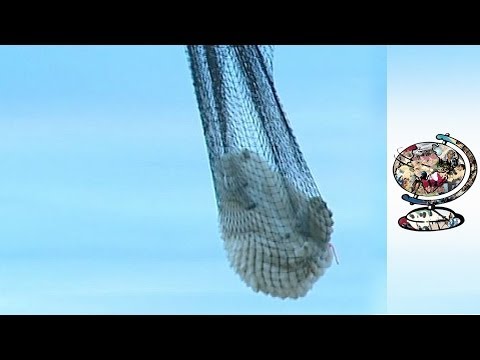
阿多賓 posted on 2013/12/25Ever wondered what's happening to polar bears in the Arctic? This video dives into the fascinating research from the Canadian Wildlife Service, showing you real-life helicopter chases and the impacts of climate change on these incredible animals. You'll pick up tons of advanced vocabulary and get a deeper understanding of this critical environmental issue!
Learn this video on the APP!
The VoiceTube App has more in-depth practice for videos!