
ambition
US /æmˈbɪʃən/
UK /æmˈbɪʃn/
- Noun (Countable/Uncountable)
- Desire to win or be successful in life, work
A2TOEICMoreassume
US /əˈsum/
UK /ə'sju:m/
- Transitive Verb
- To act in a false manner to mislead others
- To believe, based on the evidence; suppose
A2TOEICMoreat present
US /æt ˈprɛznt/
UK /æt ˈprezənt/
- Phrase
- Currently; now
A1Moreback into
US /bæk ˈɪntu/
UK /bæk ˈɪntuː/
- Phrasal Verb
- To drive a vehicle backwards into a space or area.
- To accidentally collide with something while moving backwards.
A1Morebreed
US /brid/
UK /bri:d/
- Noun
- Kind of / sort of
- Particular kind of animal, e.g. a Labrador dog
- Verb (Transitive/Intransitive)
- To create situations for a (bad) thing to happen
- To produce baby animals of specific kinds
A2Morebring back
US /brɪŋ bæk/
UK /briŋ bæk/
- Phrasal Verb
- To cause to remember
- To return something
A1Morebulk
US /bʌlk/
UK /bʌlk/
- Uncountable Noun
- Most of something; majority of
- Big size; largeness; heaviness
B1TOEICMoreby virtue of
US /baɪ ˈvɚtʃu ʌv/
UK /bai ˈvə:tju: ɔv/
- Phrase
- By reason of; because of.
C2Morecare of
US /kɛr ʌv/
UK /kɛə ɔv/
- Preposition
- Used in an address to indicate the person who will receive the mail for someone else.
A2Morecattle
US /ˈkætl/
UK /ˈkætl/
- Noun (Countable/Uncountable)
- Cows or bulls on a farm
- Individual animals of the bovine species.
B1Morecell
US /sɛl/
UK /sel/
- Countable Noun
- Smallest unit of living things in biology
- Group of people - often from a secret organization
A2Moreclone
US /kloʊn/
UK /kləʊn/
- Transitive Verb
- To make an exact copy of a living thing
B2Morecode
US /kod/
UK /kəʊd/
- Transitive Verb
- To express information in a series of numbers
- To write a secret message using secret symbols
- Noun
- A password made of a set of letters or numbers
- Set of rules for behavior
A2Morecoloration
US /ˌkʌləˈreʃən/
UK /ˌkʌləˈreɪʃn/
- Noun
- The particular colors or pattern of color
B2Moreconserve
US /kənˈsɜ:rv/
UK /kənˈsɜ:v/
- Transitive Verb
- To save or protect something
- To keep or put in reserve
- Uncountable Noun
- The act of conserving something, especially a natural resource.
B1Moreconstellation
US /ˌkɑnstəˈleʃən/
UK /ˌkɒnstə'leɪʃən/
- Noun
- Group of things or people that are similar
- Groups of stars which form patterns
- Noun (plural)
- Groups of stars which form patterns
B2Morecow
US /kaʊ/
UK /kaʊ/
- Countable Noun
- Large farm animal from which we get milk and beef
- Transitive Verb
- To make afraid or ashamed; intimidate
A2Morecreation
US /kriˈeʃən/
UK /krɪ'eɪʃn/
- Uncountable Noun
- Act of making something
A2Morecross
US /krɔs, krɑs/
UK /krɒs/
- Adjective
- Angry and upset
- From one side of something to the other
- Transitive Verb
- To put one thing over another e.g. arms
- To breed one type of animal or plant with another
A2Moredegree
US /dɪˈɡri/
UK /dɪˈgri:/
- Noun (Countable/Uncountable)
- Amount or extent of something
- Unit for measuring temperature or angles
A2TOEICMoredrive out
US /draɪv aʊt/
UK /draiv aut/
- Phrasal Verb
- To force someone or something to leave a place or situation.
- To travel to a place by car.
A1Moreegg
US /ɛɡ/
UK /eg/
- Noun (Countable/Uncountable)
- Hard-shelled thing from which a young bird is born
A2Moreendangered
US /ɪnˈdendʒɚd/
UK /ɪn'deɪndʒəd/
- Transitive Verb
- To bring a person/thing into a dangerous situation
- Adjective
- Being in danger
B1Moreestimate
US /ˈɛstəˌmet/
UK /'estɪmət/
- Noun (Countable/Uncountable)
- Guess or calculation of cost, size or value
- A judgment or opinion.
- Transitive Verb
- To guess or calculate the cost, size or value of
- To form an approximate idea or judgment of.
A2TOEICMoreevolution
US /ˌɛvəˈluʃən, ˌivə-/
UK /ˌi:və'lu:ʃn/
- Uncountable Noun
- Theory that living things change over time
- Process by which something develops over time
B1Moreexamine
US /ɪɡˈzæmɪn/
UK /ɪgˈzæmɪn/
- Transitive Verb
- (Medical) to test to find out what is wrong
- To test your knowledge or ability
A2Moreexcite
US /ɪkˈsaɪt/
UK /ɪk'saɪt/
- Transitive Verb
- To make something or someone become more active
- To make someone feel happy, interested or eager
A2TOEICMoreextinct
US /ɪkˈstɪŋkt/
UK /ɪkˈstɪŋkt/
- Adjective
- (Of animal, etc.) having died out; with none left
- (E.g. of volcano) not active
B1TOEICMoreextinction
US /ɪkˈstɪŋkʃən/
UK /ɪkˈstɪŋkʃn/
- Noun (Countable/Uncountable)
- When every example of animal, plant is dead
- The process of something ceasing to exist or be active.
B1Moreflesh
US /flɛʃ/
UK /fleʃ/
- Noun (Countable/Uncountable)
- Soft part of fruit, vegetable that can be eaten
- The soft tissues of your body covering the bones
- Transitive Verb
- To clean the skin e.g. of scales from a fish
A2Moreflock
US /flɑ:k/
UK /flɒk/
- Countable Noun
- Group of animals or birds that live together
- Group of people who gather or travel together
- Intransitive Verb
- To gather together or move as a group
B2Moregenetic
US /dʒəˈnɛtɪk/
UK /dʒəˈnetɪk/
- Adjective
- Of, relating to, or controlled by genes
- Relating to genes or heredity.
B1Moregerm
US /dʒɚm/
UK /dʒɜ:m/
- Countable Noun
- Tiny organism that can cause sickness and disease
B2Morego ahead
US /ɡo əˈhɛd/
UK /ɡəu əˈhed/
- Phrasal Verb
- To start an activity; start doing, working etc.
- To give permission to do something
- Intransitive Verb
- To start or proceed with something
- To proceed despite potential obstacles or doubts.
A1Moregreatly
US /ˈɡreɪtli/
UK /ˈgreɪtli/
- Adverb
- An extraordinary extent or degree
A2Moreillustrate
US /ˈɪləˌstret, ɪˈlʌsˌtret/
UK /ˈɪləstreɪt/
- Transitive Verb
- To supply pictures to go along with words
- To be an example that explains or proves something
A2TOEICMorein fact
US /ɪn fækt/
UK /in fækt/
- Adverb
- Used to emphasize the truth of a statement, especially one that contrasts with or contradicts something else.
- Used to introduce a more detailed or surprising piece of information.
- Phrase
- Used to emphasize the truth of a statement, especially one that is surprising or contrary to what might be expected.
C1Morein general
US /ɪn ˈdʒɛnərəl/
UK /in ˈdʒenərəl/
- Phrase
- Typically; usually; on the whole.
- Not specific or detailed; broadly.
- Adjective
- Not detailed or specific; overall.
C2Morein terms of
US
UK
- Phrase
- With regard to; concerning a particular aspect.
A1Morein the flesh
US /ɪn ði flɛʃ/
UK /in ðə fleʃ/
- Phrase
- In person; physically present.
A1Moreinject
US /ɪnˈdʒɛkt/
UK /ɪn'dʒekt/
- Transitive Verb
- To add or put in more (money, energy etc.)
- To motivate or put energy into something
B1Moreisolate
US /ˈaɪsəˌlet/
UK /ˈaɪsəleɪt/
- Transitive Verb
- To identify, consider, or deal with separately
- To keep in a place or situation apart from others
B1Moreknow about
US /noʊ əˈbaʊt/
UK /nəʊ əˈbaut/
- Phrasal Verb
- To have information or understanding of a subject or situation.
limited
US /ˈlɪmɪtɪd/
UK /ˈlɪmɪtɪd/
- Adjective
- (Of a company) with a limit of financial liability
- With restrictions; not broad in scope
- Transitive Verb
- To stop or prevent an increase past a point
B1TOEICMoremammoth
US /ˈmæməθ/
UK /ˈmæməθ/
- Noun (plural)
- Large extinct animal resembling a hairy elephant
- Adjective
- Huge in size
B2Moremanner
US /ˈmænɚ/
UK /ˈmænə(r)/
- Noun
- The way a person acts, talks, or behaves
- Polite and respectful behavior to others
A2TOEICMorematerial
US /məˈtɪriəl/
UK /məˈtɪəriəl/
- Noun (Countable/Uncountable)
- Cloth; fabric
- Supplies or data needed to do a certain thing
- Adjective
- Relevant; (of evidence) important or significant
- Belonging to the world of physical things
A2Morenuclear
US /ˈnukliɚ, ˈnju-/
UK /ˈnju:kliə(r)/
- Adjective
- Concerning or involving the center of an atom
A2Morenucleus
US /ˈnu:kliəs/
UK /ˈnju:kliəs/
- Noun
- Center of an atom
- Control center of a cell
B2Moreof interest
US /əv ˈɪntrɪst/
UK /əv ˈɪntrəst/
- other
- Relevant or important to someone or something.
B2Moreoffspring
US /ˈɔfˌsprɪŋ, ˈɑf-/
UK /'ɒfsprɪŋ/
- Noun (Countable/Uncountable)
- Child or young of a person, plant or animal
- Something that results or is produced from something else.
- Noun (plural)
- Plural form of offspring.
B2Morepassenger
US /ˈpæsəndʒɚ/
UK /'pæsɪndʒə(r)/
- Countable Noun
- Person who is traveling in a vehicle
A2TOEICMorepermit
US /pərˈmɪt/
UK /pəˈmɪt/
- Transitive Verb
- To allow something to happen; to give permission
- To give authorization or consent for something.
- Noun (Countable/Uncountable)
- Piece of paper giving you rights to do something
- An official document giving permission to fish or hunt.
A2TOEICMorepigeon
US /ˈpɪdʒən/
UK /'pɪdʒɪn/
- Noun
- Gray bird that is common in cities
B2Moreplanet
US /ˈplænɪt/
UK /'plænɪt/
- Noun (Countable/Uncountable)
- One of the bodies that orbit the sun
- A different world or sphere of existence.
- Proper Noun
- The earth.
A2Morepractice
US /ˈpræktɪs/
UK /'præktɪs/
- Noun
- The office and place for legal or medical work
- Doing something many times to become better at it
- Verb (Transitive/Intransitive)
- To work as a doctor or lawyer
- To live according to the teachings of a religion
A2TOEICMorepredict
US /prɪˈdɪkt/
UK /prɪ'dɪkt/
- Transitive Verb
- To guess or estimate what will or might happen
A2TOEICMorepreserve
US /prɪˈzɜ:rv/
UK /prɪˈzɜ:v/
- Transitive Verb
- To cook food so it can be kept for long periods
- To protect something from harm, loss or damage
- Noun (Countable/Uncountable)
- Sweet fruit spread; jam
- Protected area of land with plants and animals
B1TOEICMoreprimitive
US /ˈprɪmɪtɪv/
UK /ˈprɪmətɪv/
- Adjective
- Lacking a written language and advanced technology
- Being rough and underdeveloped
- Noun (Countable/Uncountable)
- Self-taught artist; the art done in this style
- Offensive people considered lacking a culture
B1Moreprospect
US /ˈprɑsˌpɛkt/
UK /'prɒspekt/
- Noun
- Opportunity or chance for success
- Person who is considered for a particular position
- Transitive Verb
- To search for minerals such as gold or diamonds
- To consider or explore something; examine.
A2TOEICMoreprovision
US /prəˈvɪʒən/
UK /prəˈvɪʒn/
- Noun
- Clause in a legal document
- A supply of food and other things that are needed.
B1TOEICMorerather than
US
UK
- Adverb
- More exactly; more correctly
- Preferably; instead
- Preposition
- Instead of
A1Morerealistic
US /ˌriəˈlɪstɪk/
UK /ˌri:əˈlɪstɪk/
- Adjective
- Looks or appears real; like things really are
- Having or showing a practical awareness of things as they are
A2Morerecipe
US /ˈrɛsəˌpi/
UK /'resəpɪ/
- Noun
- Conditions likely to create a particular result
- Directions for making a dish, with the ingredients
B1Morerecreate
US /ˌri:krɪ'eɪt/
UK /ˌri:kriˈeɪt/
- Transitive Verb
- To make a past situation exist again
- To refresh or renew, especially after fatigue.
B1Morerelevant
US /ˈrɛləvənt/
UK /ˈreləvənt/
- Adjective
- Having an effect on an issue; related or current
A2TOEICMoreresemble
US /rɪˈzɛmbəl/
UK /rɪˈzembl/
- Verb (Transitive/Intransitive)
- To be similar to in looks or manner
B1TOEICMoreright back
US /raɪt bæk/
UK /rait bæk/
- Interjection
- Said when someone says they will return soon, indicating you expect their prompt return.
- Adverb
- Immediately; very soon after going.
A1Morescope
US /skoʊp/
UK /skəʊp/
- Noun (Countable/Uncountable)
- Opportunity for action or thought
- Range of things included or dealt with
- Verb (Transitive/Intransitive)
- to look at especially for the purpose of evaluation —usually used with out
B1TOEICMoreselect
US /sɪˈlɛkt/
UK /sɪ'lekt/
- Transitive Verb
- To choose a suitable thing from a group
- To retrieve data from a database using a query.
- Adjective
- Carefully chosen as being the best or most suitable.
A2TOEICMoresequence
US /ˈsikwəns, -ˌkwɛns/
UK /'si:kwəns/
- Noun
- Part of a movie showing one part of the story
- A particular order in which related events, movements, or things follow each other.
- Transitive Verb
- To arrange things in an order they should happen
A2TOEICMoresheep
US /ʃip/
UK /ʃi:p/
- Noun (Countable/Uncountable)
- Animal with a woolly coat raised for meat or wool
- Noun
- Person who behaves as others do, without thinking
B1Moresophisticated
US /səˈfɪstɪˌketɪd/
UK /səˈfɪstɪkeɪtɪd/
- Adjective
- Making a good sounding but misleading argument
- Wise in the way of the world; having refined taste
- Transitive Verb
- To make someone more worldly and experienced
B1TOEICMoresurrogate
US /ˈsɜ:rəgət/
UK /ˈsʌrəgət/
- Noun
- Person appointed in the place of another
- Adjective
- Appointed; used in the place of another
B2Moresynthesis
US /ˈsɪnθɪsɪs/
UK /ˈsɪnθəsɪs/
- Noun (Countable/Uncountable)
- Process of making something new out of other ones
- Building something complex from simple parts
B2TOEICMoretalking about
US
UK
- Phrasal Verb
- To discuss a particular topic.
- To be constantly mentioning or bringing up a subject.
A1Moretechnology
US /tɛkˈnɑlədʒi/
UK /tek'nɒlədʒɪ/
- Uncountable Noun
- Use or knowledge of science in industry etc.
- Machinery and equipment developed from scientific knowledge.
A2TOEICMorethanks to
US /θæŋks tu/
UK /θæŋks tu:/
- Preposition
- Because of; as a result of.
A1Moreto do with
US
UK
- Phrasal Verb
- To be about something; concern
A1Moreundertaking
US /ˌʌndərˈteɪkɪŋ/
UK /ˌʌndəˈteɪkɪŋ/
- Verb (Transitive/Intransitive)
- To begin; attempt; take on responsibility for
- Noun
- Responsibility taken on; duty or task
B1TOEICMoreunknown
US /ˌʌnˈnoʊn/
UK /ˌʌnˈnəʊn/
- Adjective
- Not being known or famous
- Being unfamiliar or not known
- Countable Noun
- Person who is not famous or known by many
B1Moreused to
US /juzd tu/
UK /ˈju:st tə/
- Adjective
- Did regularly before, but don't do now
- Auxiliary Verb
- Have done before, but do not do now
A1Moreviable
US /ˈvaɪəbəl/
UK /ˈvaɪəbl/
- Adjective
- Being capable of living, growing, and developing
B1TOEICMorevirtue
US /ˈvɜ:rtʃu:/
UK /'vɜ:tʃu:/
- Noun (Countable/Uncountable)
- Benefit, advantage, or good result of something
- Morally good quality
B1More
Vocabulary
- bring back: To cause to remember
- used to: Did regularly before, but don't do now
- of interest: Relevant or important to someone or something.
- back into: To drive a vehicle backwards into a space or area.
- right back: Said when someone says they will return soon, indicating you expect their prompt return.
- at present: Currently; now
- know about: To have information or understanding of a subject or situation.
- in terms of
- go ahead: To start an activity; start doing, working etc.
- to do with: To be about something; concern
- in general: Typically; usually; on the whole.
- in fact: Used to emphasize the truth of a statement, especially one that contrasts with or contradicts something else.
- care of: Used in an address to indicate the person who will receive the mail for someone else.
- by virtue of: By reason of; because of.
- talking about: To discuss a particular topic.
- thanks to: Because of; as a result of.
- drive out: To force someone or something to leave a place or situation.
- in the flesh: In person; physically present.
- rather than: More exactly; more correctly
- close: Almost; near
- living: To be alive
- egg: Hard-shelled thing from which a young bird is born
- kind: In a caring and helpful manner
- place: To put someone in a particular type of situation
- animal: A living creature that is not a plant or person
- practice: The office and place for legal or medical work
- sheep: Animal with a woolly coat raised for meat or wool
- cow: Large farm animal from which we get milk and beef
- drive: A person's ambition and motivation to do something
- greatly: An extraordinary extent or degree
- unknown: Not being known or famous
- bird: Animal with feathers that uses wings to fly
- big: Popular
- cross: Angry and upset
- passenger: Person who is traveling in a vehicle
- bring: To take or go with someone to a place
- degree: Amount or extent of something
- large: Big; of great size; broad, tall, wide, or fat
- lose: To be unable to keep in check or control something
- improve: To make, or become, something better
- modern: Of the present time; up to date; contemporary
- limited: (Of a company) with a limit of financial liability
- behavior: The way a person or thing acts; manner
- planet: One of the bodies that orbit the sun
- material: Cloth; fabric
- interest: Best or most advantageous thing for someone
- exist: To be present, alive or real
- technology: Use or knowledge of science in industry etc.
- select: To choose a suitable thing from a group
- ambition: Desire to win or be successful in life, work
- cattle: Cows or bulls on a farm
- disappear: To no longer see because it's not there any more
- permit: To allow something to happen; to give permission
- recipe: Conditions likely to create a particular result
- realistic: Looks or appears real; like things really are
- predict: To guess or estimate what will or might happen
- genetic: Of, relating to, or controlled by genes
- cell: Smallest unit of living things in biology
- preserve: To cook food so it can be kept for long periods
- examine: (Medical) to test to find out what is wrong
- illustrate: To supply pictures to go along with words
- breed: Kind of / sort of
- prospect: Opportunity or chance for success
- assume: To act in a false manner to mislead others
- nuclear: Concerning or involving the center of an atom
- evolution: Theory that living things change over time
- estimate: Guess or calculation of cost, size or value
- relevant: Having an effect on an issue; related or current
- creation: Act of making something
- code: To express information in a series of numbers
- manner: The way a person acts, talks, or behaves
- extinction: When every example of animal, plant is dead
- extinct: (Of animal, etc.) having died out; with none left
- recreate: To make a past situation exist again
- germ: Tiny organism that can cause sickness and disease
- isolate: To identify, consider, or deal with separately
- bulk: Most of something; majority of
- provision: Clause in a legal document
- scope: Opportunity for action or thought
- resemble: To be similar to in looks or manner
- sequence: Part of a movie showing one part of the story
- primitive: Lacking a written language and advanced technology
- clone: To make an exact copy of a living thing
- undertaking: To begin; attempt; take on responsibility for
- offspring: Child or young of a person, plant or animal
- viable: Being capable of living, growing, and developing
- virtue: Benefit, advantage, or good result of something
- flesh: Soft part of fruit, vegetable that can be eaten
- pigeon: Gray bird that is common in cities
- synthesis: Process of making something new out of other ones
- inject: To add or put in more (money, energy etc.)
- mammoth: Large extinct animal resembling a hairy elephant
- surrogate: Person appointed in the place of another
- constellation: Group of things or people that are similar
- coloration: The particular colors or pattern of color
- conserve: To save or protect something
- nucleus: Center of an atom
- endangered: To bring a person/thing into a dangerous situation
- flock: Group of animals or birds that live together
- sophisticated: Making a good sounding but misleading argument
- excite: To make something or someone become more active
Get the full experience in the app
Learn anywhere with detailed sentence and usage analysis
01:03
She took a brave step forward, leaving behind her comfort zone to chase her dreams.
Vocabulary
- brave
adj. Having courage
- comfort zone
phr. A familiar situation where one feels safe
Explanation
a brave step is a noun phrase, where brave is an adjective modifying the noun step, meaning "a courageous step".
forward is an adverb modifying step, meaning "ahead".
The whole phrase serves as the object, answering the "what" of took (verb) — she took a brave step forward.
Get the full experience in the app
Look up words anytime with pronunciation, part of speech, and usage
brave
US/brev/
UK/breɪv/
adj.Brave
v.t.To bravely face
A2 Elementary
Get the full experience in the app
Practice speaking anytime and get instant pronunciation feedback
Try this speaking exercise.
Try practicing with this sentence.
80
The Science Behind De-extinction
0
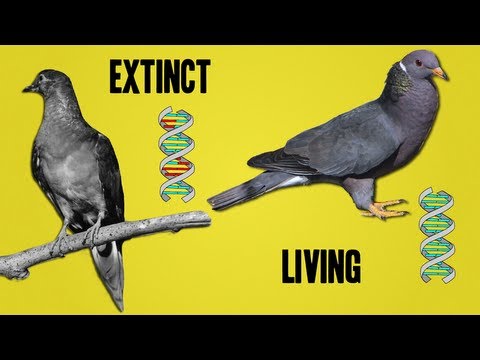
Bing-Je posted on 2013/12/10Ever wondered if we could bring back the woolly mammoth or the passenger pigeon? This fascinating video dives into the cutting-edge science of de-extinction, exploring methods like cloning and genetic synthesis. You'll pick up some advanced vocabulary while exploring the incredible possibilities and ethical questions surrounding bringing extinct species back to life!
Learn this video on the APP!
The VoiceTube App has more in-depth practice for videos!