
abundant
US /əˈbʌndənt/
UK /əˈbʌndənt/
- Adjective
- Being in very great supply; plentiful
B2TOEICMoreanger
US /ˈæŋɡɚ/
UK /ˈæŋgə(r)/
- Transitive Verb
- To make someone mad, upset, or annoyed
- Uncountable Noun
- Feelings of being upset, mad or annoyed
- A strong feeling we can get if we think we're being treated badly
A2TOEICMorebrewing
US /'bru:ɪŋ/
UK /'bru:ɪŋ/
- Verb (Transitive/Intransitive)
- To make an alcoholic drink e.g. beer
- To make tea by soaking the leaves in boiling water
- Uncountable Noun
- Act or activity of making beer
B1Moreclothing
US /ˈkloʊðɪŋ/
UK /ˈkləʊðɪŋ/
- Noun (Countable/Uncountable)
- Things you wear on your body, e.g. shirt or dress
- Transitive Verb
- To put a certain type of clothing on someone; dress
A2Morecouch
US /kaʊtʃ/
UK /kaʊtʃ/
- Transitive Verb
- To formulate in a particular style or language
- Noun (Countable/Uncountable)
- Sofa; settee
B1Morecue
US /kju/
UK /kju:/
- Noun
- Word or action in a play to tell an actor to speak
- Transitive Verb
- To give a signal telling someone when to act/speak
B2Moredevotion
US /dɪˈvoʃən/
UK /dɪ'vəʊʃn/
- Uncountable Noun
- Strong love or attachment; a commitment to
- Religious worship or observance.
B1Morediscontent
US /ˌdɪskənˈtɛnt/
UK /ˌdɪskənˈtent/
- Uncountable Noun
- Feeling of dissatisfaction; a lack of contentment
B1Morediscourse
US /ˈdɪskɔrs/
UK /'dɪskɔ:s/
- Uncountable Noun
- The study of how we write and speak
- Long talk or essay about a subject
- Intransitive Verb
- To make a long speech
B1TOEICMoredistribution
US /ˌdɪstrəˈbjuʃən/
UK /ˌdɪstrɪˈbju:ʃn/
- Noun (Countable/Uncountable)
- Dividing or spreading out to others
- Act of sending products to stores to sell
- Adjective
- Sending products to stores to sell
B1Moredownturn
US /ˈdaʊnˌtə:n/
UK /ˈdaʊntɜ:n/
- Noun
- Worsening of business or economic activity
- Intransitive Verb
- (Of business or economy) to worsen
C1TOEICMoreecological
US /ˌi:kəˈlɑ:dʒɪkl/
UK /ˌi:kəˈlɒdʒɪkl/
- Adjective
- Concerning the environment, plants, or animals
B1Moreeconomic
US /ˌɛkəˈnɑmɪk, ˌikə-/
UK /ˌi:kəˈnɒmɪk/
- Adjective
- Concerning trade, industry, and money
- Financially worthwhile; profitable.
- Noun
- A system relating to economics
- A factor relating to economics
A2Moreemployer
US /ɪmˈplɔɪər/
UK /ɪmˈplɔɪə(r)/
- Countable Noun
- Person or company that hires workers
A2TOEICMoreengine
US /ˈɛndʒɪn/
UK /'endʒɪn/
- Noun (Countable/Uncountable)
- Machine that changes energy into mechanical motion
- The part of a train that pulls railway cars
A2TOEICMoreerase
US /ɪˈreɪs/
UK /ɪˈreɪz/
- Transitive Verb
- To remove data in computer memory, tape, etc.
- To remove written information by mistake
B2TOEICMoreexpand
US /ɪkˈspænd/
UK /ɪk'spænd/
- Verb (Transitive/Intransitive)
- To make something larger in size, number, amount
A2TOEICMoreexpertise
US /ˌekspɜːrˈtiːz/
UK /ˌekspɜ:ˈti:z/
- Uncountable Noun
- The special knowledge that an expert has
- Expert skill or knowledge in a particular field.
B1TOEICMorefinancial
US /faɪˈnænʃ(ə)l/
UK /faɪˈnænʃl/
- Adjective
- Involving money
- Relating to investments.
- Countable Noun
- A person who provides advice on financial matters.
A2TOEICMorefossil
US /ˈfɑsəl/
UK /'fɒsl/
- Noun (Countable/Uncountable)
- Plant or animal that became rock after many years
- A person or thing that is outdated or no longer useful.
- Adjective
- Relating to or resembling a fossil.
- Relating to or denoting energy generated from fossil fuels.
B1Moregrowth
US /groʊθ/
UK /grəʊθ/
- Uncountable Noun
- Improvement, development in a skill over time
- Act of growing
- Countable Noun
- A mass on the skin or body part related to illness
A2TOEICMorehave to
US /hæv tu/
UK /ˈhæv tə/
- Auxiliary Verb
- Must do
A1Morehire
US /haɪr/
UK /ˈhaɪə(r)/
- Transitive Verb
- To give a job to someone in exchange for pay
- To give the use of something in exchange for money
- Noun
- Short term rental of something e.g. car, phone
A2TOEICMorehousing
US /ˈhaʊzɪŋ/
UK /ˈhaʊzɪŋ/
- Transitive Verb
- To give someone a place to live
- To contain or store something
- Uncountable Noun
- Homes; houses in general
A2TOEICMoreimpact
US /ˈɪmˌpækt/
UK /'ɪmpækt/
- Noun
- A striking effect or result to hit with force
- Act or force of one thing hitting something else
- Verb (Transitive/Intransitive)
- To hit or strike someone or something with force
- To have a strong effect on someone or something.
A2TOEICMorein turn
US
UK
- Adverb
- One after the other in a sequence or rotation.
A1Moreinnovation
US /ˌɪnəˈveʃən/
UK /ˌɪnəˈveɪʃn/
- Uncountable Noun
- Process of creating new ideas or inventions
- A new thing or method that is introduced.
B1TOEICMoreinsight
US /ˈɪnˌsaɪt/
UK /'ɪnsaɪt/
- Noun (Countable/Uncountable)
- Power to understand people and things very well
- Very good understanding of something
B1Moreinstability
US /ˌɪnstəˈbɪlɪti/
UK /ˌɪnstəˈbɪləti/
- Uncountable Noun
- Condition of being changeable
B1Moreintensify
US /ɪnˈtɛnsəˌfaɪ/
UK /ɪn'tensɪfaɪ/
- Transitive Verb
- To make something stronger or more extreme
A2TOEICMorelink
US /lɪŋk/
UK /lɪŋk/
- Noun (Countable/Uncountable)
- Any one of the rings that are part of a chain
- Connection between two or more things or people
- Transitive Verb
- To join or connect together
- To associate or connect in one's mind.
A2TOEICMoremanufacture
US /ˌmænjəˈfæktʃɚ/
UK /ˌmænjʊ'fæktʃə(r)/
- Transitive Verb
- To produce large numbers of products in a factory
- To create a story or explanation that is not true
- Uncountable Noun
- The process of producing goods on a large scale.
A2TOEICMoremodel
US /ˈmɑ:dl/
UK /ˈmɒdl/
- Adjective
- Being an excellent example of
- Countable Noun
- Person who wears fashion to show it to the public
- A small scale copy of a full original
A2Moreon cue
US /ɑn kju/
UK /ɔn kju:/
- Adverb
- At exactly the moment expected or required.
- Phrase
- Occurring or done precisely as planned or expected.
out of work
US /aʊt ʌv wɚk/
UK /aut ɔv wə:k/
- Phrase
- Adjective
- Unemployed; without a job
A1Morepartial
US /ˈpɑ:rʃl/
UK /ˈpɑ:ʃl/
- Adjective
- Giving better treatment to one person than another
- Not complete; being only part of something
B1TOEICMoreplanet
US /ˈplænɪt/
UK /'plænɪt/
- Noun (Countable/Uncountable)
- One of the bodies that orbit the sun
- A different world or sphere of existence.
- Proper Noun
- The earth.
A2Moreplanetary
US /ˈplænɪˌtɛri/
UK /ˈplænətri/
- Adjective
- Concerning the orbital characteristics of a planet
B2Morepollution
US /pəˈluʃən/
UK /pəˈlu:ʃn/
- Uncountable Noun
- Dangerous substances released into an environment
- The action of polluting; the state of being polluted.
B1TOEICMorepoverty
US /ˈpɑvəti/
UK /ˈpɔvəti/
- Uncountable Noun
- State of being poor
- Lack of something necessary
B1Morepredict
US /prɪˈdɪkt/
UK /prɪ'dɪkt/
- Transitive Verb
- To guess or estimate what will or might happen
A2TOEICMoreproduction
US /prəˈdʌkʃən, pro-/
UK /prəˈdʌkʃn/
- Uncountable Noun
- Process of producing or growing food naturally
- Process of making something on a large scale
A2TOEICMoreproductivity
US /ˌprɑ:dʌkˈtɪvəti/
UK /ˌprɒdʌkˈtɪvəti/
- Uncountable Noun
- Rate at which people or machines produce
- A measure of the efficiency of a person, machine, factory, system, etc., in converting inputs into useful output.
B1TOEICMorerather than
US
UK
- Adverb
- More exactly; more correctly
- Preferably; instead
- Preposition
- Instead of
A1Morereclaim
US /rɪˈklem/
UK /rɪ'kleɪm/
- Transitive Verb
- To get back something that was lost; recover
B2TOEICMorereduce
US /rɪˈdus, -ˈdjus/
UK /rɪ'dju:s/
- Verb (Transitive/Intransitive)
- To try to decrease, e.g. your weight if overweight
- To boil a liquid until it has decreased in amount
A2TOEICMorerev
US /rɛv/
UK /rev/
- Abbreviation
- Short form of reverend
- Verb (Transitive/Intransitive)
- To make an engine turn faster, making a loud noise
B2Morerev up
US /rɛv ʌp/
UK /rev ʌp/
- Phrasal Verb
- To increase the running speed of an engine.
- To make someone more energetic or enthusiastic.
A1Moresavvy
US /ˈsævi/
UK /'sævɪ/
- Adjective
- Wise; Not easily fooled; Street smart
B2TOEICMorescale
US /skel/
UK /skeɪl/
- Noun (Countable/Uncountable)
- Size, level, or amount when compared
- Small hard plates that cover the body of fish
- Verb (Transitive/Intransitive)
- To change the size of but keep the proportions
- To climb something large (e.g. a mountain)
A2TOEICMorescarce
US /skers/
UK /skeəs/
- Adjective
- Not many; Not plentiful or abundant
B2TOEICMoresector
US /ˈsɛktɚ, -ˌtɔr/
UK /ˈsektə(r)/
- Noun (Countable/Uncountable)
- Part that a place is divided into
- Area; type of industry or business
A2Moresewing
US /ˈsoʊɪŋ/
UK /ˈsəʊɪŋ/
- Verb (Transitive/Intransitive)
- To make something using a needle and thread
B1Moreshare
US /ʃɛr/
UK /ʃeə(r)/
- Noun (Countable/Uncountable)
- Part-ownership in a property, business or company
- Part of a company you own, shown by a certificate
- Transitive Verb
- To divide something between two or more people
- To allow others to use your things equally
A2TOEICMorespend
US /spɛnd/
UK /spend/
- Transitive Verb
- To use money to pay for something
- To use time in order to do something
A2TOEICMoresurf
US /sɜ:rf/
UK /sɜ:f/
- Intransitive Verb
- To view webpages on the internet
- To ride the waves of the sea on a surfboard
- Uncountable Noun
- The ocean waves crashing against a beach
B1Moresustainability
US
UK
- Uncountable Noun
- Property of being able to be continued/repeated
- The ability to be maintained at a certain rate or level; avoidance of the depletion of natural resources in order to maintain an ecological balance.
B2Morethrive
US /θraɪv/
UK /θraɪv/
- Intransitive Verb
- To be or become healthy or successful
- To grow or develop well; to flourish.
B2TOEICMoretrickle down
US /ˈtrɪkəl daʊn/
UK /ˈtrikl daun/
- Intransitive Verb
- To gradually spread or filter through from top to bottom, especially in economics, referring to the belief that tax cuts or other benefits for the wealthy will ultimately benefit the poor and middle class.
A1Morewealth
US /wɛlθ/
UK /welθ/
- Uncountable Noun
- Amount of money or possessions you own, e.g. large
A2TOEICMore
Vocabulary
- have to: Must do
- on cue: At exactly the moment expected or required.
- rev up: To increase the running speed of an engine.
- trickle down: To gradually spread or filter through from top to bottom, especially in economics, referring to the belief that tax cuts or other benefits for the wealthy will ultimately benefit the poor and middle class.
- out of work
- in turn: One after the other in a sequence or rotation.
- rather than: More exactly; more correctly
- people: Persons sharing culture, country, background, etc.
- work: The product of some artistic or literary endeavor
- time: Speed at which music is played; tempo
- clothing: Things you wear on your body, e.g. shirt or dress
- give: Degree of flexibility in something, a material
- food: What people and animals eat to live
- money: Coins or notes we use to pay for things
- housing: To give someone a place to live
- soup: Fairly liquid food made by boiling ingredients
- fair: Neither very good nor very bad; average
- building: To establish e.g. a reputation, over time
- share: Part-ownership in a property, business or company
- model: Being an excellent example of
- century: Period of 100 years
- spend: To use money to pay for something
- rich: Having a lot of money or valuable possessions
- surf: To view webpages on the internet
- engine: Machine that changes energy into mechanical motion
- social: Involving activity with people, e.g. in free time
- economic: Concerning trade, industry, and money
- financial: Involving money
- planetary: Concerning the orbital characteristics of a planet
- reduce: To try to decrease, e.g. your weight if overweight
- create: To make, cause, or bring into existence
- planet: One of the bodies that orbit the sun
- sewing: To make something using a needle and thread
- risen: To wake up and get out of bed after sleeping
- human: A person; a man, woman or child
- link: Any one of the rings that are part of a chain
- employer: Person or company that hires workers
- hire: To give a job to someone in exchange for pay
- predict: To guess or estimate what will or might happen
- pollution: Dangerous substances released into an environment
- growth: Improvement, development in a skill over time
- wealth: Amount of money or possessions you own, e.g. large
- ecological: Concerning the environment, plants, or animals
- economy: Using money, resources in a careful, effective way
- impact: A striking effect or result to hit with force
- poverty: State of being poor
- production: Process of producing or growing food naturally
- scale: Size, level, or amount when compared
- devotion: Strong love or attachment; a commitment to
- manufacture: To produce large numbers of products in a factory
- partial: Giving better treatment to one person than another
- anger: To make someone mad, upset, or annoyed
- couch: To formulate in a particular style or language
- expand: To make something larger in size, number, amount
- fossil: Plant or animal that became rock after many years
- innovation: Process of creating new ideas or inventions
- distribution: Dividing or spreading out to others
- instability: Condition of being changeable
- discontent: Feeling of dissatisfaction; a lack of contentment
- scarce: Not many; Not plentiful or abundant
- productivity: Rate at which people or machines produce
- thrive: To be or become healthy or successful
- sector: Part that a place is divided into
- insight: Power to understand people and things very well
- intensify: To make something stronger or more extreme
- sustainability: Property of being able to be continued/repeated
- solvable: Capable of being solved
- brewing: To make an alcoholic drink e.g. beer
- downturn: Worsening of business or economic activity
- erase: To remove data in computer memory, tape, etc.
- discourse: The study of how we write and speak
- rev: Short form of reverend
- skyrocket: (Prices or things) to increase suddenly
- savvy: Wise; Not easily fooled; Street smart
- reclaim: To get back something that was lost; recover
- cue: Word or action in a play to tell an actor to speak
- abundant: Being in very great supply; plentiful
- expertise: The special knowledge that an expert has
Get the full experience in the app
Learn anywhere with detailed sentence and usage analysis
01:03
She took a brave step forward, leaving behind her comfort zone to chase her dreams.
Vocabulary
- brave
adj. Having courage
- comfort zone
phr. A familiar situation where one feels safe
Explanation
a brave step is a noun phrase, where brave is an adjective modifying the noun step, meaning "a courageous step".
forward is an adverb modifying step, meaning "ahead".
The whole phrase serves as the object, answering the "what" of took (verb) — she took a brave step forward.
Get the full experience in the app
Look up words anytime with pronunciation, part of speech, and usage
brave
US/brev/
UK/breɪv/
adj.Brave
v.t.To bravely face
A2 Elementary
Get the full experience in the app
Practice speaking anytime and get instant pronunciation feedback
Try this speaking exercise.
Try practicing with this sentence.
80
0
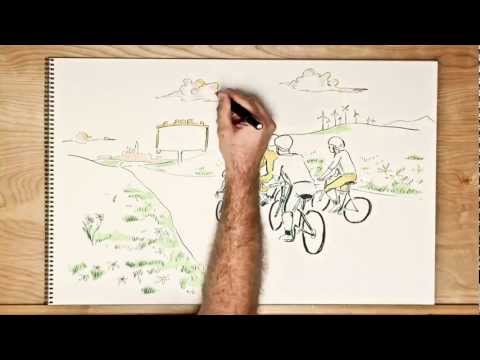
孫子文 posted on 2013/11/28Ever wondered if we could have a world with enough for everyone? This video dives into the exciting concept of a 'Plenitude Economy,' exploring ideas like the four-day workweek and the sharing economy. You'll pick up some fantastic vocabulary related to sustainable living and job creation, perfect for understanding these big ideas!
Learn this video on the APP!
The VoiceTube App has more in-depth practice for videos!