
ambiguous
US /æmˈbɪɡjuəs/
UK /æmˈbɪgjuəs/
- Adjective
- Able to be understood in more than one way
B1TOEICMoreanymore
US /ˌɛniˈmɔr, -ˈmor/
UK /'enɪmɔ:/
- Adverb
- No longer; no more
A2Moreargument
US /ˈɑrɡjəmənt/
UK /ˈɑ:gjumənt/
- Noun (Countable/Uncountable)
- Discussion in which you disagree with someone
- A presentation of reasons for or against an idea
A2TOEICMorearticle
US /ˈɑrtɪkəl/
UK /'ɑ:tɪkl/
- Noun (Countable/Uncountable)
- Word such as 'a', 'an', or 'the' used before nouns
- Piece of writing about a particular subject
A2TOEICMorebiased
US /ˈbaɪəst/
UK /ˈbaɪəst/
- Transitive Verb
- To unfairly favor one view over another
- Adjective
- Prejudiced; showing prejudice
- Having a steady voltage or current applied to control its operation.
B1Moreclause
US /klɔz/
UK /klɔ:z/
- Noun
- Part of a sentence that has its own verb
- Specific term or demand in a legal agreement
B1Morecollege
US /'kɑːlɪdʒ/
UK /'kɒlɪdʒ/
- Noun (Countable/Uncountable)
- School or educational institution for adults
- A constituent body of a university.
A2Morecomma
US /ˈkɑ:mə/
UK /ˈkɒmə/
- Noun
- Mark showing a pause or list in a sentence
B2Morecomplex
US /kəmˈplɛks, ˈkɑmˌplɛks/
UK /'kɒmpleks/
- Countable Noun
- Group of buildings all used for the same purpose
- Adjective
- Not being simple; having many parts or aspects
A2Moreconnect
US /kəˈnɛkt/
UK /kə'nekt/
- Transitive Verb
- To associate a thing with something else
- To join or attach things together
A2Moredependent
US /dɪˈpɛndənt/
UK /dɪˈpendənt/
- Adjective
- Someone who relies on (financial) support
- Conditional; contingent
- Countable Noun
- A person who relies on someone else for financial support.
A2TOEICMoreessay
US /ˈɛsˌe, ɛˈse/
UK /'eseɪ/
- Noun (Countable/Uncountable)
- Short piece of written opinion on a subject
- A test of the quality of a metal or ore.
- Verb (Transitive/Intransitive)
- To attempt or try.
- To test or evaluate the quality of something.
B1Moreflash
US /flæʃ/
UK /flæʃ/
- Intransitive Verb
- To appear suddenly and briefly
- To shine brightly very suddenly and briefly
- Noun (Countable/Uncountable)
- Sudden and brief appearance of something
- Light used by a camera to brighten the area
B1Morefor example
US
UK
- Phrase
- As an illustration or instance.
go ahead
US /ɡo əˈhɛd/
UK /ɡəu əˈhed/
- Phrasal Verb
- To start an activity; start doing, working etc.
- To give permission to do something
- Intransitive Verb
- To start or proceed with something
- To proceed despite potential obstacles or doubts.
A1Morego back to
US /ɡo bæk tu/
UK /ɡəu bæk tu:/
- Phrasal Verb
- To return to a starting point
A1Moregrammar
US /ˈɡræmɚ/
UK /ˈgræmə(r)/
- Uncountable Noun
- Book describing the syntactic rules of a language
- Rules explaining how words are used in a language
B1Morehanging
US /ˈhæŋɪŋ/
UK /ˈhæŋɪŋ/
- Adjective
- Suspended in the air
- Noun
- Execution by suspending a person by a rope around the neck.
- Something that hangs, such as a curtain or tapestry.
B1Moreidentify
US /aɪˈdɛntəˌfaɪ/
UK /aɪ'dentɪfaɪ/
- Transitive Verb
- To indicate who or what someone or something is
- To say exactly what something is
B1TOEICMoreillustrate
US /ˈɪləˌstret, ɪˈlʌsˌtret/
UK /ˈɪləstreɪt/
- Transitive Verb
- To supply pictures to go along with words
- To be an example that explains or proves something
A2TOEICMorein order to
US /ɪn ˈɔrdɚ tu/
UK /in ˈɔ:də tu:/
- Preposition
- For the purpose of; with the aim of.
- Phrase
- In a specific sequence or arrangement.
- With the aim of; for the purpose of.
C1Morein other words
US
UK
- Phrase
- Stating something in a different way, often to make it clearer or more understandable.
inappropriate
US /ˌɪnəˈpropriɪt/
UK /ˌɪnəˈprəʊpriət/
- Adjective
- Not appropriate or suitable for a situation
- Not in keeping with accepted standards of what is right or proper in polite society.
B1Moreindependent
US /ˌɪndɪˈpɛndənt/
UK /ˌɪndɪˈpendənt/
- Adjective
- Making your own decisions; acting by yourself
- Not connected with or influenced by something else.
- Noun
- A person not connected to a political party
- Someone who is independent, especially in politics or business.
A2TOEICMoreinstead of
US /ɪnˈstɛd ʌv/
UK /inˈsted ɔv/
- Preposition
- When one thing is replaced by another
- Adverb
- As a substitute or alternative.
A1Morelack
US /læk/
UK /læk/
- Verb (Transitive/Intransitive)
- To not have, or not have enough, of something
- Uncountable Noun
- The state of not having or not having enough of
A2TOEICMorelook around
US /lʊk əˈraʊnd/
UK /luk əˈraund/
- Phrasal Verb
- To explore a place; search for something.
A1Morelook at
US /lʊk æt/
UK /luk æt/
- Phrasal Verb
- To use your eyes to focus on something
- To focus your eyes on something carefully
A1Moreloud
US /laʊd/
UK /laʊd/
- Adjective
- Being very bright with colors, clothes etc.
- Making a lot of noise
A2Moremathematical
US /ˌmæθəˈmætɪkəl/
UK /ˌmæθə'mætɪkl/
- Adjective
- Concerning numbers and equations
A2Morepair
US /per/
UK /peə(r)/
- Countable Noun
- Two of the same thing, e.g. socks
- Two people viewed together for some reason; couple
- Transitive Verb
- To put two things or people together
A2TOEICMorepause
US /pɔz/
UK /pɔ:z/
- Verb (Transitive/Intransitive)
- To stop doing for a while before continuing
- To temporarily interrupt the execution of a program or process.
- Noun (Countable/Uncountable)
- A temporary break before continuing
- Function on a device to stop and restart it
A2Morephrase
US /frez/
UK /freɪz/
- Noun
- Common expression or saying
- Section of musical notes in a piece of music
- Verb (Transitive/Intransitive)
- To choose words to say what you mean clearly
A2Morepoint out
US /pɔɪnt aʊt/
UK /pɔint aut/
- Phrasal Verb
- To make others aware of an idea
- To draw attention to something or someone
A1Morepredictable
US /prɪˈdɪktəbl/
UK /prɪˈdɪktəbl/
- Adjective
- Capable of being guessed before it happens
B1TOEICMorerelate
US /rɪˈlet/
UK /rɪ'leɪt/
- Transitive Verb
- To demonstrate a logical relationship between
- To understand or sympathize with, e.g. a problem
A2TOEICMorerepresent
US /ˌrɛprɪˈzɛnt/
UK /ˌreprɪ'zent/
- Transitive Verb
- To depict art objects, figures, scenes; to portray
- To show or describe something in a particular way
A2TOEICMoreresearch
US /rɪˈsɚtʃ, ˈriˌsɚtʃ/
UK /rɪ'sɜ:tʃ/
- Verb (Transitive/Intransitive)
- To study in order to discover new ideas and facts
- To study the market relating to marketing products and services.
- Noun (Countable/Uncountable)
- Study done to discover new ideas and facts
- A particular area or topic of study.
A2TOEICMorereveal
US /rɪˈvil/
UK /rɪ'vi:l/
- Transitive Verb
- To show something that was hidden before
A2TOEICMoresimplistic
US
UK
- Adjective
- Being too simply expressed or explained
C1Moresole
US /soʊl/
UK /səʊl/
- Noun
- The part of your foot which touches the ground
- Flat fish commonly used as food
- Adjective
- Being the only one, as a survivor or inheritor
B1Morestick
US /stɪk/
UK /stɪk/
- Verb (Transitive/Intransitive)
- To push a sharp or pointed object into something
- To join together using glue or paste
- Countable Noun
- Long thin piece of wood from a tree
A2Morestick together
US
UK
- Phrasal Verb
- To support each other; remain united.
- To adhere physically; to be joined by an adhesive substance.
B1Moresubjective
US /səbˈdʒɛktɪv/
UK /səbˈdʒektɪv/
- Adjective
- Using personal feelings and opinions not facts
C1Moresuccessfully
US /səkˈsɛsfəlɪ/
UK /sək'sesfəlɪ/
- Adverb
- In a manner that achieves a goal
A2Moreused to
US /juzd tu/
UK /ˈju:st tə/
- Adjective
- Did regularly before, but don't do now
- Auxiliary Verb
- Have done before, but do not do now
A1Morevalid
US /ˈvælɪd/
UK /'vælɪd/
- Adjective
- Being in effect or in force, often legally
- Reasonable; based on sound assumptions
A2TOEICMorewaved
US /weɪvd/
UK /weɪvd/
- Verb (Transitive/Intransitive)
- To cause to move side to side or back and forth
- To move your hand or arm to say hello or goodbye
- Intransitive Verb
- To swing back and forth as a result of the wind
A2Morewithout further ado
US /wɪðˈaʊt ˈfɚðɚ əˈdu/
UK /wiˈðaut ˈfə:ðə əˈdu:/
- Phrase
- Without unnecessary delay or introduction; immediately.
A2More
Vocabulary
- look at: To use your eyes to focus on something
- used to: Did regularly before, but don't do now
- go ahead: To start an activity; start doing, working etc.
- without further ado: Without unnecessary delay or introduction; immediately.
- stick together: To support each other; remain united.
- in other words: Stating something in a different way, often to make it clearer or more understandable.
- go back to: To return to a starting point
- point out: To make others aware of an idea
- for example: As an illustration or instance.
- look around: To explore a place; search for something.
- instead of: When one thing is replaced by another
- in order to: For the purpose of; with the aim of.
- sentence: (Of a judge) to decide the punishment of
- subject: The person, thing, or idea that is being discussed, described, or studied.
- pair: Two of the same thing, e.g. socks
- run: To depart or travel according to a schedule
- man: Humans in general, including male and female
- woman: Adult female human being
- find: To become aware of something that is happening
- make: To arrange or prepare something e.g. dinner
- word: Unit of language that has a meaning
- pencil: Something you draw pictures with, or write with
- enjoyed: To take pleasure in something
- long: Person's name
- student: Person studying at school
- page: Person's name
- lesson: Something done to learn or teach something; class
- verb: Word that expresses an action or state
- complete: To finish or reach the end of doing something
- grammar: Book describing the syntactic rules of a language
- case: Container used to carry things, e.g. clothes
- stand: To be a candidate in an election
- loud: Being very bright with colors, clothes etc.
- anymore: No longer; no more
- jump: To attack someone suddenly
- college: School or educational institution for adults
- add: To include as well
- form: Sports team or person's current winning record
- order: Religious or social group, as of nuns
- simple: Not hard to understand or do; not complex
- hope: When you wish something will happen; what you wish
- pretty: Being attractive to the eye in a simple way
- independent: Making your own decisions; acting by yourself
- waved: To cause to move side to side or back and forth
- connect: To associate a thing with something else
- pause: To stop doing for a while before continuing
- lack: To not have, or not have enough, of something
- successfully: In a manner that achieves a goal
- argument: Discussion in which you disagree with someone
- article: Word such as 'a', 'an', or 'the' used before nouns
- stick: To push a sharp or pointed object into something
- research: To study in order to discover new ideas and facts
- comma: Mark showing a pause or list in a sentence
- essay: Short piece of written opinion on a subject
- plain: Obvious; clearly so, true
- phrase: Common expression or saying
- hanging: Suspended in the air
- semicolon: The symbol (;) separating parts of a sentence
- clause: Part of a sentence that has its own verb
- identify: To indicate who or what someone or something is
- represent: To depict art objects, figures, scenes; to portray
- mathematical: Concerning numbers and equations
- illustrate: To supply pictures to go along with words
- predictable: Capable of being guessed before it happens
- valid: Being in effect or in force, often legally
- reveal: To show something that was hidden before
- dependent: Someone who relies on (financial) support
- flash: To appear suddenly and briefly
- relate: To demonstrate a logical relationship between
- evidence: Factual proof that helps to establish the truth
- complex: Group of buildings all used for the same purpose
- state: Region within a country, with its own government
- subjective: Using personal feelings and opinions not facts
- inappropriate: Not appropriate or suitable for a situation
- biased: To unfairly favor one view over another
- poorly: Badly; not enough; not sufficient
- sole: The part of your foot which touches the ground
- ambiguous: Able to be understood in more than one way
- simplistic: Being too simply expressed or explained
Get the full experience in the app
Learn anywhere with detailed sentence and usage analysis
01:03
She took a brave step forward, leaving behind her comfort zone to chase her dreams.
Vocabulary
- brave
adj. Having courage
- comfort zone
phr. A familiar situation where one feels safe
Explanation
a brave step is a noun phrase, where brave is an adjective modifying the noun step, meaning "a courageous step".
forward is an adverb modifying step, meaning "ahead".
The whole phrase serves as the object, answering the "what" of took (verb) — she took a brave step forward.
Get the full experience in the app
Look up words anytime with pronunciation, part of speech, and usage
brave
US/brev/
UK/breɪv/
adj.Brave
v.t.To bravely face
A2 Elementary
Get the full experience in the app
Practice speaking anytime and get instant pronunciation feedback
Try this speaking exercise.
Try practicing with this sentence.
80
Flash Grammar Lesson: Semicolon
0
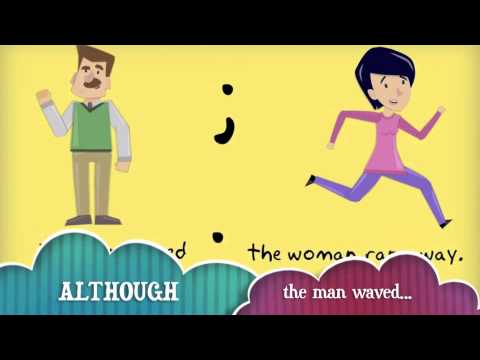
阿多賓 posted on 2013/11/27Ever get confused about when to use a semicolon? This quick flash lesson from Paola Brown English breaks down how to connect independent clauses with verb-subject pairs, helping you avoid common mistakes! You'll master this punctuation rule and boost your grammar confidence in no time.
Learn this video on the APP!
The VoiceTube App has more in-depth practice for videos!