
advice
US /əd'vaɪs/
UK /ədˈvaɪs/
- Uncountable Noun
- Suggestion about what would help someone
- Professional guidance from a lawyer or legal expert.
A2TOEICMoreaffect
US /əˈfɛkt/
UK /ə'fekt/
- Transitive Verb
- To cause a change in something else
- To pretend to have or feel (something).
- Noun
- (Psychology) Emotion or feeling.
A2TOEICMoreanymore
US /ˌɛniˈmɔr, -ˈmor/
UK /'enɪmɔ:/
- Adverb
- No longer; no more
A2Moreat work
US /æt wɚk/
UK /æt wə:k/
- Phrase
- Located at one's place of employment
A1Morebreathe
US /brið/
UK /bri:ð/
- Verb (Transitive/Intransitive)
- To move air into and out of your lungs
- To say something very softly
A2Morecab
US /kæb/
UK /kæb/
- Countable Noun
- A taxi
A2Moreconsult
US /kənˈsʌlt/
UK /kənˈsʌlt/
- Transitive Verb
- To ask the advice, opinion of a (paid) specialist
- To look at a book or map for information
- Verb (Transitive/Intransitive)
- To discuss something to make a decision
A2Moreexhaust
US /ɪɡˈzɔst/
UK /ɪɡ'zɔ:st/
- Noun
- System of pipes through which gases escape
- Waste gas from an engine, e.g. from a car
- Transitive Verb
- To emit gas from the back of a car
- To make a person feel very tired or without energy
A2Morehave to
US /hæv tu/
UK /ˈhæv tə/
- Auxiliary Verb
- Must do
A1Morelook at
US /lʊk æt/
UK /luk æt/
- Phrasal Verb
- To use your eyes to focus on something
- To focus your eyes on something carefully
A1Moremedication
US /ˌmɛdɪˈkeʃən/
UK /ˌmedɪˈkeɪʃn/
- Noun (Countable/Uncountable)
- Substance to relieve pain or cure sickness
B2Moremigraine
US /ˈmaɪˌɡren/
UK /ˈmi:greɪn/
- Noun
- Severe headache often with feelings of sickness
C1Moreneighbor
US /ˈnebɚ/
UK /'neɪbə/
- Noun (Countable/Uncountable)
- Person who lives, or is near, you
- A country or area next to another.
- Adjective
- Situated near or next to something.
B1Morenowadays
US /ˈnaʊəˌdez/
UK /ˈnaʊədeɪz/
- Adverb
- At the present time; now
- Noun
- The current period of time; the present.
A2Morepale
US /pel/
UK /peɪl/
- Adjective
- Light in color; unhealthy looking
- Transitive Verb
- To reduce the effect of
A2Morepill
US /pɪl/
UK /pɪl/
- Noun
- Person who is difficult to deal with
- Small, round piece of medicine that is swallowed
A2Moreprescribe
US /prɪˈskraɪb/
UK /prɪ'skraɪb/
- Transitive Verb
- (Of doctors) to say what medicine should be taken
- To set down rules or guidelines
B2Moreprescribed
US /prɪˈskraɪbd/
UK /prɪ'skraɪbd/
- Verb (Transitive/Intransitive)
- (Of doctors) to say what medicine should be taken
- To set down rules or guidelines
- Adjective
- Set down as a rule or guide; stipulated.
B2Morepressure
US /ˈprɛʃɚ/
UK /'preʃə(r)/
- Noun (Countable/Uncountable)
- Anxiety caused by difficult problems
- Force, weight when pressing against a thing
- Transitive Verb
- To apply force to something
- To persuade or force someone to do something
A2TOEICMoreschedule
US /ˈskedʒu:l/
UK /ˈʃedju:l/
- Noun (Countable/Uncountable)
- A list of events and their times
- A plan to do something at a certain time
- Transitive Verb
- To plan to do something at a certain time
A2TOEICMorespeak to
US /spik tu/
UK /spi:k tu:/
- Verb (Transitive/Intransitive)
- To address or communicate with someone.
- To indicate or suggest something; to be relevant to.
A1Morespinning
US /ˈspɪnɪŋ/
UK /ˈspɪnɪŋ/
- Verb (Transitive/Intransitive)
- To make a ball rotate when throwing it
- To move something in a rapid turning motion
- Intransitive Verb
- To feel dizzy / confused / light headed
B1Morestay home
US
UK
- Intransitive Verb
- To remain in one's house or residence.
A1Moretake over
US /tek ˈovɚ/
UK /teik ˈəuvə/
- Phrasal Verb
- To gain control of (a company) from someone else
- To assume control or possession of something.
A1Moretemperature
US /ˈtɛmpərəˌtʃʊr,-tʃɚ,ˈtɛmprə-/
UK /ˈtemprətʃə(r)/
- Noun (Countable/Uncountable)
- When you your body heat is above normal
- How hot or cold something is, e.g. the weather
A2Moretense
US /tɛns/
UK /tens/
- Noun
- The use of grammar to state the time things happen
- Adjective
- Unable to relax; feeling nervous or stressed
- Stretched tight and stiff
A2TOEICMoreterrible
US /ˈtɛrəbəl/
UK /ˈterəbl/
- Adjective
- Very bad; horrible
- Causing great fear; frightening
A2TOEICMoreurgent
US /ˈɜ:rdʒənt/
UK /ˈɜ:dʒənt/
- Adjective
- Very important and needing immediate attention
A2TOEICMorevirus
US /ˈvaɪrəs/
UK /'vaɪrəs/
- Noun
- File secretly put on computers to cause harm
- Living organism that causes disease or sickness
B1Morewake up
US /wek ʌp/
UK /weik ʌp/
- Phrasal Verb
- To stop sleeping
- To become fully aware and alert to a situation.
A1More
Vocabulary
- stay home: To remain in one's house or residence.
- at work: Located at one's place of employment
- speak to: To address or communicate with someone.
- look at: To use your eyes to focus on something
- take over: To gain control of (a company) from someone else
- have to: Must do
- wake up: To stop sleeping
- doctor: Person paid to help people become or stay healthy
- night: Time when sun does not shine
- bad: Not good; wrong
- catch: Amount of something that has been caught
- sleep: To have enough beds for
- head: To hit a ball with your head in a game
- sister: Female you share a parent with
- lot: What happens to a person in life from chance; fate
- mouth: Hole in the face used for eating and talking
- cold: Illness of sneezing, coughing, and a sore throat
- running: To depart or travel according to a schedule
- morning: Early part of the day before 12 p.m
- problem: Something difficult to deal with or causes trouble
- home: House, apartment or building to be rented or sold
- work: The product of some artistic or literary endeavor
- boss: Person in charge of you at work
- temperature: When you your body heat is above normal
- pale: Light in color; unhealthy looking
- health: (Person, company) being in a good condition; well
- guess: To give an answer without knowing if it is correct
- dry: (Of humor) clever, but not obvious; ironic
- anymore: No longer; no more
- rest: Time when one relaxes, sleeps, or is inactive
- neighbor: Person who lives, or is near, you
- line: Border that divides two places or regions
- call: A order or request for action
- advice: Suggestion about what would help someone
- terrible: Very bad; horrible
- project: To predict what will happen in the future
- office: Room or building used for business
- nowadays: At the present time; now
- virus: File secretly put on computers to cause harm
- exhaust: System of pipes through which gases escape
- cab: A taxi
- urgent: Very important and needing immediate attention
- pill: Person who is difficult to deal with
- tense: The use of grammar to state the time things happen
- breathe: To move air into and out of your lungs
- report: Account of the necessary facts and information
- feeling: Sensation or emotion you experience
- pressure: Anxiety caused by difficult problems
- schedule: A list of events and their times
- affect: To cause a change in something else
- everyday: Used or seen daily; for daily use; ordinary
- speaking: To be able to use a certain language
- spinning: To make a ball rotate when throwing it
- consult: To ask the advice, opinion of a (paid) specialist
- prescribe: (Of doctors) to say what medicine should be taken
- prescribed: (Of doctors) to say what medicine should be taken
- medication: Substance to relieve pain or cure sickness
- migraine: Severe headache often with feelings of sickness
Get the full experience in the app
Learn anywhere with detailed sentence and usage analysis
01:03
She took a brave step forward, leaving behind her comfort zone to chase her dreams.
Vocabulary
- brave
adj. Having courage
- comfort zone
phr. A familiar situation where one feels safe
Explanation
a brave step is a noun phrase, where brave is an adjective modifying the noun step, meaning "a courageous step".
forward is an adverb modifying step, meaning "ahead".
The whole phrase serves as the object, answering the "what" of took (verb) — she took a brave step forward.
Get the full experience in the app
Look up words anytime with pronunciation, part of speech, and usage
brave
US/brev/
UK/breɪv/
adj.Brave
v.t.To bravely face
A2 Elementary
Get the full experience in the app
Practice speaking anytime and get instant pronunciation feedback
Try this speaking exercise.
Try practicing with this sentence.
80
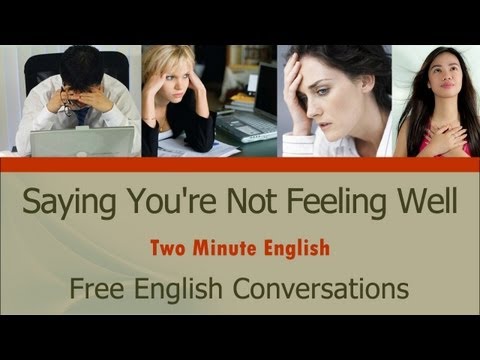
Saying You're Not Feeling Well - Health English Lesson
0
阿多賓 posted on 2013/11/26Feeling under the weather and not sure how to explain it in English? This quick 2-minute lesson is perfect for learning essential health phrases, whether you need to call in sick or just tell a friend you're not feeling your best. You'll pick up practical vocabulary for everyday conversations and workplace situations!
Learn this video on the APP!
The VoiceTube App has more in-depth practice for videos!