
ability
US /əˈbɪlɪti/
UK /ə'bɪlətɪ/
- Noun (Countable/Uncountable)
- The power, resources or skill to do something
- A particular skill or talent.
A2TOEICMoreacknowledge
US /ækˈnɑlɪdʒ/
UK /ək'nɒlɪdʒ/
- Transitive Verb
- To say you have received a letter, gift, etc.
- To say you accept the truth or value of something
A2Moreact on
US /ækt ɑn/
UK /ækt ɔn/
- Verb (Transitive/Intransitive)
- To have an effect on something.
- To take formal action or make a decision regarding something.
- Phrasal Verb
- To take action as a result of information received.
- To have an effect on something.
B1Moreas with
US /æz wɪð/
UK /æz wið/
- Preposition
- In the same way that something happens or is true of something else.
A1Moreat once
US /æt wʌns/
UK /æt wʌns/
- Adverb
- Immediately; without delay
- At the same time; simultaneously
A2Morecatalyst
US /ˈkætlɪst/
UK /ˈkætəlɪst/
- Noun (Countable/Uncountable)
- Person/thing causing a change or event to happen
- Substance causing a chemical reaction to speed up
B2TOEICMorechemistry
US /ˈkɛmɪstri/
UK /'kemɪstrɪ/
- Uncountable Noun
- The study of the structure of substances
B1Moreclassify
US /ˈklæsəˌfaɪ/
UK /'klæsɪfaɪ/
- Transitive Verb
- To arrange things into groups of similar items
- To keep some information secret from the public
B2Moreclue
US /klu/
UK /klu:/
- Noun
- Information that helps explain something; hint
B1Morecognition
US /kɑ:gˈnɪʃn/
UK /kɒgˈnɪʃn/
- Uncountable Noun
- Recognition involved in thought processing
C1Moreconcentrate
US /ˈkɑnsənˌtret/
UK /'kɒnsntreɪt/
- Verb (Transitive/Intransitive)
- To cause to be present in large amount or number
- To pay great attention to a task; focus
- Noun (Countable/Uncountable)
- A substance made by removing water or other diluents; a concentrated form of something.
A2Moreconsiderably
US /kənˈsɪdərəblɪ/
UK /kənˈsɪdərəbli/
- Adverb
- Quite a lot; to a large degree
- To a large amount or quantity.
B1Moredepress
US /dɪˈprɛs/
UK /dɪ'pres/
- Transitive Verb
- To make someone feel sad or miserable
- To push something down
B2Moredetermine
US /dɪˈtɚmɪn/
UK /dɪ'tɜ:mɪn/
- Transitive Verb
- To control exactly how something will be or act
- To establish the facts about; discover
A2TOEICMorediffuse
US /dɪˈfjuz/
UK /dɪ'fju:z/
- Transitive Verb
- To cause something to spread through a large area
B2Morediminish
US /dɪˈmɪnɪʃ/
UK /dɪˈmɪnɪʃ/
- Verb (Transitive/Intransitive)
- To make something smaller or less important
- To imply someone's reputation is less good
B1Moredirection
US /dɪˈrɛkʃən, daɪ-/
UK /də'rekʃn/
- Noun (Countable/Uncountable)
- When someone tells people what to do
- Describes the way you are going, e.g. North
A2TOEICMoredisorder
US /dɪsˈɔrdɚ/
UK /dɪs'ɔ:də(r)/
- Uncountable Noun
- State of confusion or a lack of organization
- Illness when the body is not functioning well
- Transitive Verb
- To disrupt the order or arrangement of something.
B2Moredisrupt
US /dɪsˈrʌpt/
UK /dɪsˈrʌpt/
- Transitive Verb
- To cause a disturbance in an activity in progress
B2TOEICMorefactor
US /ˈfæktɚ/
UK /'fæktə(r)/
- Noun
- Something that influences a result
- Transitive Verb
- To consider or include in an estimate or judgment
- To find the two numbers a number can be divided by
A2TOEICMorefatal
US /ˈfetl/
UK /ˈfeɪtl/
- Adjective
- Causing death; having very bad consequences
- Causing negative results
B1Morefeature
US /ˈfitʃɚ/
UK /'fi:tʃə(r)/
- Noun (Countable/Uncountable)
- Special report in a magazine or paper
- Distinctive or important point of something
- Transitive Verb
- To highlight or give special importance to
- To give prominence to; to present or promote as a special or important item.
A2TOEICMorefeedback
US /ˈfidˌbæk/
UK /ˈfi:dbæk/
- Noun (Countable/Uncountable)
- A response or opinion, about a service, etc.
- Information about reactions to a product, a person's performance of a task, etc. which is used as a basis for improvement.
- Verb (Transitive/Intransitive)
- To give information or opinions about something to someone, especially in order to improve it.
B1TOEICMorefor example
US
UK
- Phrase
- As an illustration or instance.
for instance
US /fɔr ˈɪnstəns/
UK /fɔ: ˈinstəns/
- Adverb
- As an example.
- Phrase
- As an example.
- As an illustration or case in point
B1Morefor now
US /fɔr naʊ/
UK /fɔ: nau/
- Phrase
- Temporarily; for the present time.
- In the short term; for the immediate future.
A1Moregenetic
US /dʒəˈnɛtɪk/
UK /dʒəˈnetɪk/
- Adjective
- Of, relating to, or controlled by genes
- Relating to genes or heredity.
B1Morein all likelihood
US /ɪn ɔl ˈlaɪkliˌhʊd/
UK /in ɔ:l ˈlaiklihud/
- Phrase
- Very probably; almost certainly.
A1Moreinduce
US /ɪnˈdus, -ˈdjus/
UK /ɪn'dju:s/
- Transitive Verb
- To make someone do something; create an outcome
- To make a woman give birth by giving her medicine
B1TOEICMorelead to
US /lid tu/
UK /li:d tu:/
- Phrasal Verb
- To result in some action
- Verb (Transitive/Intransitive)
- To have something as a consequence or result.
A1Morelikelihood
US /ˈlaɪkliˌhʊd/
UK /ˈlaɪklihʊd/
- Uncountable Noun
- Chance that something might happen
B1TOEICMoremarijuana
US /ˌmærəˈwɑːnə/
UK /ˌmærəˈwɑ:nə/
- Uncountable Noun
- Illegal drug that is made from hemp
- A slang term for cannabis.
- Countable Noun
- The hemp plant from which marijuana is obtained.
B2Moreneural
US /ˈnʊrəl, ˈnjʊr-/
UK /ˈnjuərəl/
- Adjective
- About the nerves or nervous system
B2Moreneuron
US /ˈnʊrˌɑn, ˈnjʊr-/
UK /ˈnʊərˌɔn, ˈnjʊər-/
- Noun
- A nerve cell
B2Moreoverdose
US / ˈovɚˈdos/
UK /'əʊvədəʊs/
- Intransitive Verb
- To take too many drugs, so that you might die
- Noun
- Taking too many drugs, so that you might die
B2Moreparanoid
US /ˈpærəˌnɔɪd/
UK /ˈpærənɔɪd/
- Adjective
- Believing others are trying to harm you
- Believing others are trying to harm you
C1Moreperception
US /pɚˈsɛpʃən/
UK /pəˈsepʃn/
- Noun (Countable/Uncountable)
- Way in which one sees or understands something
- The ability to see, hear, or become aware of something through the senses.
B1Morepersist
US /pɚˈsɪst, -ˈzɪst/
UK /pə'sɪst/
- Intransitive Verb
- To continue a course of action despite opposition
- To continue to exist or occur beyond the usual, expected, or desired time.
B1TOEICMorepersistent
US /pərˈsɪstənt/
UK /pəˈsɪstənt/
- Adjective
- Continuing to do something despite challenges
- Continuing to exist or occur for a long time.
C1TOEICMoreprimarily
US /praɪˈmɛrəli, -ˈmɛr-/
UK /praɪˈmerəli/
- Adverb
- In the most basic or important way
A2TOEICMorepsychoactive
US /ˌsaɪkoʊˈæktɪv/
UK /ˌsaɪkəʊˈæktɪv/
- Adjective
- Affecting the mind or mood
C2Morepsychotic
US /saɪˈkɑ:tɪk/
UK /saɪˈkɒtɪk/
- Adjective
- Concerning or affected by psychosis; unbalanced
- Noun
- Person afflicted with psychosis
B2Morerecognition
US /ˌrɛkəɡˈnɪʃən/
UK /ˌrekəgˈnɪʃn/
- Uncountable Noun
- Accepting that something is true or that it exists
- Considering something as important or special
B1TOEICMorerecognize
US /ˈrek.əɡ.naɪz/
UK /ˈrek.əɡ.naɪz/
- Transitive Verb
- To accept the truth or reality of something
- To consider something as important or special
A2TOEICMorerecreational
US /ˌrɛkriˈeʃənəl/
UK /ˌrekriˈeɪʃənl/
- Adjective
- Being done for pleasure
- Relating to the use of drugs for pleasure rather than for medical purposes.
B2Moreresponsible
US / rɪˈspɑnsəbəl/
UK /rɪ'spɒnsəbl/
- Adjective
- Being the cause of something that has occurred
- Having the duty of dealing with something
A2TOEICMoresensitive
US /ˈsɛnsɪtɪv/
UK /'sensətɪv/
- Adjective
- Taking offense easily; easily upset or hurt
- (Private information) needing careful treatment
A2TOEICMoreset back
US
UK
- Phrasal Verb
- To cost someone, often a large amount
- To cause a delay in scheduling
A1Moresevere
US /səˈvɪr/
UK /sɪ'vɪə(r)/
- Adjective
- Very bad; harsh
- (Of clothes, etc.) plain; simple; not decorated
A2TOEICMorespecific
US /spɪˈsɪfɪk/
UK /spəˈsɪfɪk/
- Adjective
- Precise; particular; just about that thing
- Concerning one particular thing or kind of thing
A2Moresprawl
US /sprɔl/
UK /sprɔ:l/
- Intransitive Verb
- To spread out in an uncontrolled way
B2Morestimulus
US /ˈstɪmjələs/
UK /ˈstɪmjələs/
- Noun
- Something that causes a change
B2Moresubtle
US /ˈsʌtl/
UK /'sʌtl/
- Adjective
- Delicate or slight so it is difficult to perceive
- Clever or indirect but hides the true purpose
B1Moresynapse
US /ˈsɪnˌæps, sɪˈnæps/
UK /ˈsaɪnæps/
- Noun
- Junction between neurons in the brain
C1Moretherapeutic
US /ˌθɛrəˈpjutɪk/
UK /ˌθerəˈpju:tɪk/
- Adjective
- Intended to make things (e.g. illness) better
B2Moretip
US /tɪp/
UK /tɪp/
- Transitive Verb
- To pour or move something from a place, container
- To give extra money for good service
- Noun
- End point of e.g. a pencil or finger
- Extra money given for good service
A2Moreunderlie
US /ˌʌndərˈlaɪ/
UK /ˌʌndəˈlaɪ/
- Verb (Transitive/Intransitive)
- To be the basis, foundation or cause of something
- To lie or exist beneath
B1Morewidespread
US /ˈwaɪdˈsprɛd/
UK /ˈwaɪdspred/
- Adjective
- Happening or existing in many places
A2TOEICMorewithdrawal
US /wɪðˈdrɔəl, wɪθ-/
UK /wɪðˈdrɔ:əl/
- Noun (Countable/Uncountable)
- Action of pulling back or move away or backward
- Pain of coming off drugs
- Adjective
- Feeling pain and suffering when coming off drugs
B1More
Vocabulary
- set back: To cost someone, often a large amount
- act on: To have an effect on something.
- for example: As an illustration or instance.
- at once: Immediately; without delay
- for now: Temporarily; for the present time.
- for instance: As an example.
- in all likelihood: Very probably; almost certainly.
- as with: In the same way that something happens or is true of something else.
- lead to: To result in some action
- specific: Precise; particular; just about that thing
- perception: Way in which one sees or understands something
- recognize: To accept the truth or reality of something
- subtle: Delicate or slight so it is difficult to perceive
- matter: To be of great importance; to count
- determine: To control exactly how something will be or act
- experience: Thing a person has done or that happened to them
- disorder: State of confusion or a lack of organization
- severe: Very bad; harsh
- feature: Special report in a magazine or paper
- ability: The power, resources or skill to do something
- concentrate: To cause to be present in large amount or number
- clue: Information that helps explain something; hint
- acknowledge: To say you have received a letter, gift, etc.
- disrupt: To cause a disturbance in an activity in progress
- therapeutic: Intended to make things (e.g. illness) better
- sensitive: Taking offense easily; easily upset or hurt
- tip: To pour or move something from a place, container
- mean: Average of a set of numbers
- genetic: Of, relating to, or controlled by genes
- brain: To strike someone forcefully on the head
- persistent: Continuing to do something despite challenges
- neural: About the nerves or nervous system
- direction: When someone tells people what to do
- recognition: Accepting that something is true or that it exists
- behavior: The way a person or thing acts; manner
- diminish: To make something smaller or less important
- factor: Something that influences a result
- fatal: Causing death; having very bad consequences
- primarily: In the most basic or important way
- responsible: Being the cause of something that has occurred
- widespread: Happening or existing in many places
- neuron: A nerve cell
- risk: To do something potentially dangerous or foolish
- persist: To continue a course of action despite opposition
- mood: Emotion or a state of mind; how you feel
- likelihood: Chance that something might happen
- paranoid: Believing others are trying to harm you
- induce: To make someone do something; create an outcome
- appear: To be seen, become visible; come into sight
- feedback: A response or opinion, about a service, etc.
- receive: To get something someone has given or sent to you
- marijuana: Illegal drug that is made from hemp
- withdrawal: Action of pulling back or move away or backward
- catalyst: Person/thing causing a change or event to happen
- system: Set of organized, planned ideas that work together
- chemistry: The study of the structure of substances
- learn: To get knowledge or skills by study or experience
- stimulus: Something that causes a change
- overdose: To take too many drugs, so that you might die
- person: Man, woman or child
- cognition: Recognition involved in thought processing
- recreational: Being done for pleasure
- widely: To a large degree; over a large range
- clear: Empty; without anything in it or on it
- psychotic: Concerning or affected by psychosis; unbalanced
- classify: To arrange things into groups of similar items
- travel: To go to a place that is far away
- considerably: Quite a lot; to a large degree
- diffuse: To cause something to spread through a large area
- depress: To make someone feel sad or miserable
- psychoactive: Affecting the mind or mood
- underlie: To be the basis, foundation or cause of something
- sprawl: To spread out in an uncontrolled way
- synapse: Junction between neurons in the brain
Get the full experience in the app
Learn anywhere with detailed sentence and usage analysis
01:03
She took a brave step forward, leaving behind her comfort zone to chase her dreams.
Vocabulary
- brave
adj. Having courage
- comfort zone
phr. A familiar situation where one feels safe
Explanation
a brave step is a noun phrase, where brave is an adjective modifying the noun step, meaning "a courageous step".
forward is an adverb modifying step, meaning "ahead".
The whole phrase serves as the object, answering the "what" of took (verb) — she took a brave step forward.
Get the full experience in the app
Look up words anytime with pronunciation, part of speech, and usage
brave
US/brev/
UK/breɪv/
adj.Brave
v.t.To bravely face
A2 Elementary
Get the full experience in the app
Practice speaking anytime and get instant pronunciation feedback
Try this speaking exercise.
Try practicing with this sentence.
80
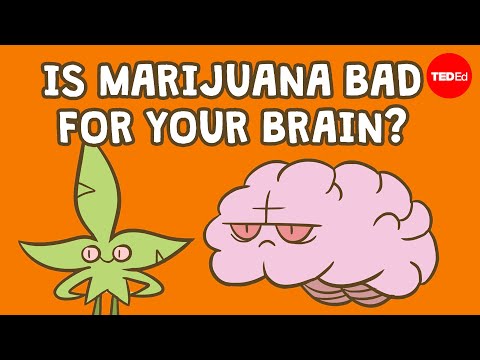
Is marijuana bad for your brain? - Anees Bahji
0
shuting1215 posted on 2019/12/08Ever wondered about marijuana's real impact on your brain? This video dives deep into the science behind THC and CBD effects, exploring everything from the endocannabinoid system to potential risks like cannabis psychosis. You'll boost your understanding of complex topics and pick up some advanced vocabulary along the way!
Learn this video on the APP!
The VoiceTube App has more in-depth practice for videos!