
adapt
US /əˈdæpt/
UK /ə'dæpt/
- Transitive Verb
- To change something for a different function
- To change something to fit or suit a new purpose
- Intransitive Verb
- To change your behaviour so that it is easier to live in a new place or situation
B1TOEICMoreagile
US /ˈædʒl/
UK /ˈædʒaɪl/
- Adjective
- Quick and skillful in moving; nimble
B2TOEICMoreagility
US /əˈdʒɪlɪti/
UK /ə'dʒɪlətɪ/
- Uncountable Noun
- Graceful quick and nimble movements
B2Moreancient
US /ˈenʃənt/
UK /'eɪnʃənt/
- Adjective
- Very old; having lived a very long time ago
- Relating to a period in history, especially in the distant past.
- Noun
- A person who lived in ancient times.
A2Moreapproach
US /əˈprəʊtʃ/
UK /ə'prəʊtʃ/
- Verb (Transitive/Intransitive)
- To get close to reaching something or somewhere
- To request someone to do something specific
- Noun (Countable/Uncountable)
- Means of reaching a place, often a road or path
- Request of someone with a specific goal in mind
A2TOEICMoreattempt
US /əˈtɛmpt/
UK /ə'tempt/
- Verb (Transitive/Intransitive)
- To try to do something challenging or difficult
- Noun
- Effort made to try to do or accomplish something
A2TOEICMorebenefit
US /ˈbɛnəfɪt/
UK /'benɪfɪt/
- Noun (Countable/Uncountable)
- Good result or effect, something advantageous
- A payment made by the state or an insurance policy to someone
- Verb (Transitive/Intransitive)
- To have a good effect or be helpful
- To receive an advantage; to be helped
A2TOEICMoreboar
US /bɔr,bor/
UK /bɔ:(r)/
- Noun
- Wild pig
C1Morebreed
US /brid/
UK /bri:d/
- Noun
- Kind of / sort of
- Particular kind of animal, e.g. a Labrador dog
- Verb (Transitive/Intransitive)
- To create situations for a (bad) thing to happen
- To produce baby animals of specific kinds
A2Morecatch up
US /kætʃ ʌp/
UK /kætʃ ʌp/
- Phrasal Verb
- To become equal with another person
- To inform others of the latest news
- Verb (Transitive/Intransitive)
- To do something that you have not been able to do recently.
- To meet someone you know in order to talk to them and find out what they have been doing.
A1Morecheck out
US /tʃɛk aʊt/
UK /tʃek aut/
- Phrase
- Phrasal Verb
- To find out information about something
- To take books out of a library
A1Morecolonize
US /ˈkɑləˌnaɪz/
UK /'kɒlənaɪz/
- Transitive Verb
- To take control over place and live there
B2Morecompanion
US /kəmˈpænjən/
UK /kəm'pænɪən/
- Noun
- Someone who keeps you company, goes out with you
- A thing that is often found with another or that serves to augment or complement it.
A2Morecut off
US /kʌt ɔf/
UK /kʌt ɔf/
- Phrasal Verb
- To end a process, e.g. a phone call
- To cut the end of something
- Transitive Verb
- To isolate or prevent access to a place or person.
- To interrupt someone while they are speaking.
A1Morededication
US /ˌdɛdɪˈkeʃən/
UK /ˌdedɪ'keɪʃn/
- Noun
- Addressing book, song to someone to show respect
- Commitment to work hard for something important
B1TOEICMoredevote
US /dɪˈvoʊt/
UK /dɪˈvəʊt/
- Transitive Verb
- To dedicate
- To decide to use or give (your time, efforts)
B1Moredispatch
US /dɪˈspætʃ/
UK /dɪˈspætʃ/
- Transitive Verb
- To send (people or objects) somewhere
B2TOEICMoreencounter
US /ɛnˈkaʊntɚ/
UK /ɪn'kaʊntə(r)/
- Verb (Transitive/Intransitive)
- To come up against a problem or trouble; meet
- To meet someone or something unexpectedly
- Noun
- A chance meeting; unexpected or unplanned meeting
B1TOEICMoreenergy
US /ˈɛnədʒi/
UK /'enədʒɪ/
- Noun (Countable/Uncountable)
- Physical or mental strength
- Enthusiasm and determination.
A2Moreestablish
US /ɪˈstæblɪʃ/
UK /ɪˈstæblɪʃ/
- Transitive Verb
- To set or create something to last for a long time
- To use facts, evidence to show truth or clarity
A2TOEICMoreevolve
US /ɪˈvɑlv/
UK /ɪ'vɒlv/
- Verb (Transitive/Intransitive)
- To develop certain features
- To develop or change slowly over time
B1Moreexcel
US /ɪkˈsɛl/
UK /ɪkˈsel/
- Verb (Transitive/Intransitive)
- To perform an activity better than others
- To surpass or be superior to (someone) in a particular activity or field.
- Noun (Countable/Uncountable)
- A spreadsheet software program by Microsoft.
B2TOEICMoreexceptionally
US /ɪkˈsɛpʃənəlɪ/
UK /ɪkˈsepʃənəli/
- Adverb
- In an extremely and unusually good way
B2Moreexpel
US /ɪkˈspɛl/
UK /ɪk'spel/
- Transitive Verb
- To force a person to leave a place or organization
- To release or push something (e.g. air) out
B2TOEICMoreextinction
US /ɪkˈstɪŋkʃən/
UK /ɪkˈstɪŋkʃn/
- Noun (Countable/Uncountable)
- When every example of animal, plant is dead
- The process of something ceasing to exist or be active.
B1Morefascinating
US /ˈfæsəˌnetɪŋ/
UK /ˈfæsɪneɪtɪŋ/
- Transitive Verb
- To attract or interest greatly
- To hold someone captive with a gaze or other means.
- Adjective
- Having your attention fixated as though by a spell
B1Morefurniture
US /ˈfɚnɪtʃɚ/
UK /ˈfɜ:nɪtʃə(r)/
- Uncountable Noun
- Items such as tables, chairs, beds or closets
A2TOEICMoregroom
US /ɡrum, ɡrʊm/
UK /gru:m/
- Transitive Verb
- To make neat and smart in appearance
- To take care of an animal by brushing, cleaning it
- Countable Noun
- Man employed to brush, trim and clean horses
- Man who is, or who has recently married
B1TOEICMoreheat up
US /hit ʌp/
UK /hi:t ʌp/
- Phrasal Verb
- To become warmer; to make something warmer.
- To become excited or agitated.
A1Morein the future
US /ɪn ði ˈfjutʃɚ/
UK /in ðə ˈfju:tʃə/
- Phrase
- At a later time; in times to come.
A1Morein the world
US /ɪn ði wɜrld/
UK /in ðə wɜː(r)ld/
- Phrase
- Used to emphasize a question expressing surprise, confusion, disbelief
- Used to indicate the extent or degree of something, often in a superlative sense
A1Moreincredibly
US /ɪnˈkrɛdəblɪ/
UK /ɪnˈkredəbli/
- Adverb
- To a great degree; very; amazingly
- Extremely; so much so it is hard to believe
A2Moreindigenous
US /ɪnˈdɪdʒənəs/
UK /ɪnˈdɪdʒənəs/
- Adjective
- Being naturally from an area, not somewhere else
- Relating to the people who are native to a particular region.
- Noun (Countable/Uncountable)
- The traditional knowledge and practices of indigenous peoples.
- The original inhabitants of a particular region or country.
B1TOEICMoreinstead of
US /ɪnˈstɛd ʌv/
UK /inˈsted ɔv/
- Preposition
- When one thing is replaced by another
- Adverb
- As a substitute or alternative.
A1Moreintact
US /ɪn'tækt/
UK /ɪn'tækt/
- Adjective
- Being complete, without damaged or missing parts
B1Moreintelligent
US /ɪnˈtɛlədʒənt/
UK /ɪnˈtelɪdʒənt/
- Adjective
- Smart; able to think and reason
- Having a good understanding or a high mental capacity; quick to comprehend.
A2Moremainland
US /ˈmenˌlænd, -lənd/
UK /'meɪnlænd/
- Noun (Countable/Uncountable)
- Main land mass of a country or continent
- Adjective
- Relating to or situated on the main landmass of a country or continent.
B2Moremake up
US /mek ʌp/
UK /meik ʌp/
- Phrasal Verb
- To invent or create a story
- To add up to
- Verb (Transitive/Intransitive)
- To invent a story, excuse, etc.
- To compensate for something lost, missed, or deficient.
A1Moremedium
US /ˈmidiəm/
UK /'mi:dɪəm/
- Noun
- Method of expressing ideas or feelings
- Something available in a middle size or condition
A2TOEICMoremilitary
US /ˈmɪlɪˌtɛri/
UK /'mɪlətrɪ/
- Noun
- Army or armed forces
- Adjective
- Concerning the army or navy
B1Moreobedience
US /oˈbidiəns/
UK /ə'bi:dɪəns/
- Uncountable Noun
- Doing what someone tells you to; compliance
- Compliance with religious laws or doctrines.
B1Moreoutside of
US /aʊtˈsaɪd ʌv/
UK /ˌautˈsaid ɔv/
- Preposition
- Located or situated beyond the boundaries or confines of something.
- Beyond the scope, range, or limits of something.
A1Morerehabilitation
US /ˌrihəˌbɪləˈteʃən/
UK /ˌri:əˌbɪlɪ'teɪʃn/
- Uncountable Noun
- Helping criminals, etc. to return to normal life
- The act of restoring something to its original state.
B2Morerepetitive
US /rɪˈpɛtɪtɪv/
UK /rɪˈpetətɪv/
- Adjective
- Doing or saying the same things many times
B2Morerequire
US /rɪˈkwaɪr/
UK /rɪ'kwaɪə(r)/
- Transitive Verb
- To demand that someone does something
- To need to do something, to make it necessary
A2TOEICMorereward
US /rɪˈwɔrd/
UK /rɪ'wɔ:d/
- Transitive Verb
- To give something because of someone's good work
- To give someone money for helping the police
- Noun
- Money given for information about criminals
- Something given in recognition of service, effort, or achievement.
A2TOEICMorerun down
US /rʌn daʊn/
UK /rʌn daun/
- Phrasal Verb
- To be in a bad condition
- To stop because of lack of power, e.g. a battery
A1Morerun in
US /rʌn ɪn/
UK /rʌn in/
- Phrasal Verb
- To arrest person and take them to police station
- To drive engine slowly until ready for normal use
A1Moreslaughter
US /ˈslɔtɚ/
UK /'slɔ:tə(r)/
- Noun
- Act of killing an animal to get its meat
- Beating someone easily and totally in a sport
- Transitive Verb
- To kill an animal, usually to get its meat
- To beat someone easily and totally in a sport
B2Moresleek
US /slik/
UK /sli:k/
- Adjective
- Having a smooth and appealing shape or surface
B2Moresocialize
US /ˈsoʃəˌlaɪz/
UK /'səʊʃəlaɪz/
- Intransitive Verb
- To spend time with people; go out and make friends
- To spend time with people; go out and make friends
- Transitive Verb
- To teach people acceptable cultural behaviors
- To organize or control (something) according to socialist principles.
B2Morespear
US /spɪr/
UK /spɪə(r)/
- Countable Noun
- Long hunting stick with a sharp point
- Transitive Verb
- To hit or cut through something, as with a spear
B2TOEICMorestiff
US /stɪf/
UK /stɪf/
- Noun
- Slang term for a dead body
- Adjective
- Frozen still due to fear or anger
- Not able to be bent
B1Moresweep up
US
UK
- Phrasal Verb
- To clean a surface by brushing dirt or debris into a pile and removing it.
- To gather or arrest a group of people, often suspected of something.
A1Moreterrain
US /təˈren/
UK /təˈreɪn/
- Uncountable Noun
- Characteristics (e.g. rough) of a piece of land
- An area of activity or knowledge.
B1Moretragic
US /ˈtrædʒɪk/
UK /ˈtrædʒɪk/
- Adjective
- (Of a play, movie, or book) with a sad ending
- Causing great sadness, e.g. due to untimely death
B1Moreused to
US /juzd tu/
UK /ˈju:st tə/
- Adjective
- Did regularly before, but don't do now
- Auxiliary Verb
- Have done before, but do not do now
A1Morevary
US /ˈveri/
UK /ˈveəri/
- Verb (Transitive/Intransitive)
- To change something and make it different
- To be changeable, both up and down
A2TOEICMorewear down
US /wɛr daʊn/
UK /wɛə daun/
- Phrasal Verb
- To erode or diminish something gradually through constant use or exposure.
- To gradually weaken or exhaust someone, either physically or emotionally.
A2Morewipe off
US /waɪp ɔf/
UK /waip ɔf/
- Phrasal Verb
- To remove by rubbing or erasing
A2More
Vocabulary
- make up: To invent or create a story
- in the world: Used to emphasize a question expressing surprise, confusion, disbelief
- cut off: To end a process, e.g. a phone call
- in the future: At a later time; in times to come.
- used to: Did regularly before, but don't do now
- run down: To be in a bad condition
- instead of: When one thing is replaced by another
- run in: To arrest person and take them to police station
- catch up: To become equal with another person
- wear down: To erode or diminish something gradually through constant use or exposure.
- wipe off: To remove by rubbing or erasing
- sweep up: To clean a surface by brushing dirt or debris into a pile and removing it.
- heat up: To become warmer; to make something warmer.
- outside of: Located or situated beyond the boundaries or confines of something.
- check out
- incredibly: To a great degree; very; amazingly
- approach: To get close to reaching something or somewhere
- ancient: Very old; having lived a very long time ago
- fascinating: To attract or interest greatly
- encounter: To come up against a problem or trouble; meet
- evolve: To develop certain features
- attempt: To try to do something challenging or difficult
- reward: To give something because of someone's good work
- indigenous: Being naturally from an area, not somewhere else
- establish: To set or create something to last for a long time
- military: Army or armed forces
- intact: Being complete, without damaged or missing parts
- require: To demand that someone does something
- adapt: To change something for a different function
- benefit: Good result or effect, something advantageous
- value: Importance you attach to something
- breed: Kind of / sort of
- introduce: To open an essay to set the scene
- companion: Someone who keeps you company, goes out with you
- intelligent: Smart; able to think and reason
- repetitive: Doing or saying the same things many times
- terrain: Characteristics (e.g. rough) of a piece of land
- stiff: Slang term for a dead body
- tragic: (Of a play, movie, or book) with a sad ending
- dedication: Addressing book, song to someone to show respect
- furniture: Items such as tables, chairs, beds or closets
- extinction: When every example of animal, plant is dead
- groom: To make neat and smart in appearance
- organize: To arrange and plan things, e.g. a party
- exceptionally: In an extremely and unusually good way
- energy: Physical or mental strength
- leave: To go away from; depart
- vary: To change something and make it different
- devote: To dedicate
- medium: Method of expressing ideas or feelings
- excel: To perform an activity better than others
- rehabilitation: Helping criminals, etc. to return to normal life
- obedience: Doing what someone tells you to; compliance
- learn: To get knowledge or skills by study or experience
- program: To make someone act or think in a certain way
- own: To have something as your property
- bring: To take or go with someone to a place
- sleek: Having a smooth and appealing shape or surface
- pack: Bag carried on the back of donkey, etc.
- expel: To force a person to leave a place or organization
- great: Very good; better than before
- dutch: Concerning the culture and people of Holland
- agile: Quick and skillful in moving; nimble
- slaughter: Act of killing an animal to get its meat
- fast: In a way that is difficult to move or change
- dispatch: To send (people or objects) somewhere
- world: All the humans, events, activities on the earth
- colonize: To take control over place and live there
- train: Line of people, animals moving the same direction
- mainland: Main land mass of a country or continent
- agility: Graceful quick and nimble movements
- socialize: To spend time with people; go out and make friends
- care: To feel interest, concern, or worry
- boar: Wild pig
- spear: Long hunting stick with a sharp point
Get the full experience in the app
Learn anywhere with detailed sentence and usage analysis
01:03
She took a brave step forward, leaving behind her comfort zone to chase her dreams.
Vocabulary
- brave
adj. Having courage
- comfort zone
phr. A familiar situation where one feels safe
Explanation
a brave step is a noun phrase, where brave is an adjective modifying the noun step, meaning "a courageous step".
forward is an adverb modifying step, meaning "ahead".
The whole phrase serves as the object, answering the "what" of took (verb) — she took a brave step forward.
Get the full experience in the app
Look up words anytime with pronunciation, part of speech, and usage
brave
US/brev/
UK/breɪv/
adj.Brave
v.t.To bravely face
A2 Elementary
Get the full experience in the app
Practice speaking anytime and get instant pronunciation feedback
Try this speaking exercise.
Try practicing with this sentence.
80
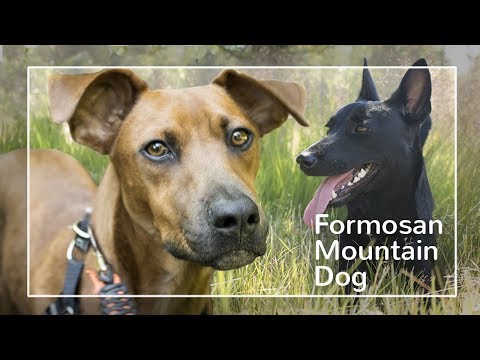
Formosan Mountain Dog. The Breed that just won't die
0
Annie Chien posted on 2019/11/28Ever wondered about the incredible Formosan Mountain Dog, a breed with a fascinating history and a spirit that just won't quit? You'll dive into the breed's past, discover its unique characteristics, and pick up some advanced vocabulary along the way. This is a fantastic chance to boost your knowledge and cultural understanding while learning about these amazing dogs!
Learn this video on the APP!
The VoiceTube App has more in-depth practice for videos!