
affect
US /əˈfɛkt/
UK /ə'fekt/
- Transitive Verb
- To cause a change in something else
- To pretend to have or feel (something).
- Noun
- (Psychology) Emotion or feeling.
A2TOEICMoreapocalypse
US /əˈpɑkəˌlɪps/
UK /əˈpɒkəlɪps/
- Noun (Countable/Uncountable)
- Great disaster; complete destruction
- A disclosure of something hidden from the majority of mankind.
B2Moreblink
US /blɪŋk/
UK /blɪŋk/
- Verb (Transitive/Intransitive)
- To close and open one or both of the eyes rapidly
- To shine with a flickering light.
- Noun
- A quick shutting and opening of the eye.
- A brief flash of light.
B1Moreblur
US /blɚ/
UK /blɜ:(r)/
- Transitive Verb
- To make something unclear or out of focus
- To dull the distinction between things
B2Morebond
US /bɑnd/
UK /bɒnd/
- Noun (Countable/Uncountable)
- Rope, chain or other thing used to tie someone up
- Closeness that is shared between people or groups
- Verb (Transitive/Intransitive)
- To develop a close relationship with
- To become joined or connected, e.g. using glue
A2TOEICMorebreak apart
US
UK
- Phrasal Verb
- To separate into pieces; disintegrate.
- To end a relationship or association.
A2Morebreak from
US
UK
- Phrasal Verb
- To separate oneself from an association or way of life, typically due to disagreement or disillusionment.
A1Morebunch
US /bʌntʃ/
UK /bʌntʃ/
- Noun (Countable/Uncountable)
- A group of things of the same kind
- A group of people.
- Transitive Verb
- To group people or things closely together
B1Morecause
US /kɔz/
UK /kɔ:z/
- Noun
- Belief, goal or organization that people support
- Reason for
- Transitive Verb
- To make something happen; create effect or result
A2Morecheck out
US /tʃɛk aʊt/
UK /tʃek aut/
- Phrase
- Phrasal Verb
- To find out information about something
- To take books out of a library
A1Morecomparison
US /kəmˈpærɪsən/
UK /kəmˈpærɪsn/
- Noun (Countable/Uncountable)
- Act of comparing things
- The quality or state of being similar or alike.
A2Moreconclusion
US /kənˈkluʒən/
UK /kənˈklu:ʒn/
- Noun
- End of something; finish
- Judgment or opinion after thinking for a while
A2Moredecrease
US /dɪˈkris/
UK /dɪˈkri:s/
- Verb (Transitive/Intransitive)
- To reduce the size, amount or number of something
- Uncountable Noun
- Amount by which something has been reduced
B1TOEICMoreeffectively
US /ɪˈfɛktɪvli/
UK /ɪˈfektɪvli/
- Adverb
- In a way that produces the desired result
B1Moreemit
US /ɪˈmɪt/
UK /ɪ'mɪt/
- Transitive Verb
- To release or send out (a gas, etc.)
B1Moreeventually
US /ɪˈvɛntʃuəli/
UK /ɪˈventʃuəli/
- Adverb
- After a long time; after many attempts; in the end
- At some later time; in the future
A2Moreexposure
US /ɪkˈspoʒɚ/
UK /ɪk'spəʊʒə(r)/
- Noun
- Allowing light through a cameras lens onto film
- Being talked about in the media
A2TOEICMorefascinating
US /ˈfæsəˌnetɪŋ/
UK /ˈfæsɪneɪtɪŋ/
- Transitive Verb
- To attract or interest greatly
- To hold someone captive with a gaze or other means.
- Adjective
- Having your attention fixated as though by a spell
B1Morefor example
US
UK
- Phrase
- As an illustration or instance.
for long
US
UK
- Phrase
- For a considerable period of time.
- For a significant duration in the future.
A1Morefor too long
US
UK
- Phrase
- For an excessively extended period.
A1Morego ahead
US /ɡo əˈhɛd/
UK /ɡəu əˈhed/
- Phrasal Verb
- To start an activity; start doing, working etc.
- To give permission to do something
- Intransitive Verb
- To start or proceed with something
- To proceed despite potential obstacles or doubts.
A1Morego away
US /ɡo əˈwe/
UK /ɡəu əˈwei/
- Phrasal Verb
- To go on vacation
- To leave; depart.
A1Morehazardous
US /ˈhæzədəs/
UK /'hæzədəs/
- Adjective
- Involving danger, risk, and potential damages
- Relating to substances or conditions that can cause harm to people or the environment.
B1TOEICMoreheadache
US /ˈhed.eɪk/
UK /ˈhed.eɪk/
- Noun (Countable/Uncountable)
- Pain in the head
- Something that causes worry or annoyance.
B2Moreignore
US /ɪɡˈnɔr, -ˈnor/
UK /ɪɡ'nɔ:(r)/
- Transitive Verb
- To not listen to, look at, or pay attention to
A2TOEICMorein general
US /ɪn ˈdʒɛnərəl/
UK /in ˈdʒenərəl/
- Phrase
- Typically; usually; on the whole.
- Not specific or detailed; broadly.
- Adjective
- Not detailed or specific; overall.
C2Morein the first place
US
UK
- Phrase
- To begin with; as the first point or consideration.
- From the beginning; initially.
A1Morein the future
US /ɪn ði ˈfjutʃɚ/
UK /in ðə ˈfju:tʃə/
- Phrase
- At a later time; in times to come.
A1Morein the meantime
US /ɪn ði ˈminˌtaɪm/
UK /in ðə ˈmi:ntaim/
- Phrase
- During the time between two events; meanwhile.
A1Moreintense
US /ɪnˈtɛns/
UK /ɪn'tens/
- Adjective
- Very strong, great or extreme in degree
- Experiencing or showing great force or strength; extreme.
A2TOEICMoreintensity
US /ɪnˈtɛnsɪti/
UK /ɪn'tensətɪ/
- Uncountable Noun
- Great energy, strength, or concentration
- The quality of being intense; the degree or amount of strength, force, etc.
A2TOEICMoremuch about
US /mʌtʃ əˈbaʊt/
UK /mʌtʃ əˈbaut/
- Phrase
- A lot of information or knowledge concerning something.
- To a great extent or degree regarding something; caring.
A1Morenanometer
US /'nænəˌmi:tə/
UK /'neɪnəmi:tə/
- Noun (Countable/Uncountable)
- One billionth of a meter
C2Moreof course
US /ʌv kɔː(r)s/
UK /ɔv kɔː(r)s/
- Adverb
- Sure ; Certainly
- Phrase
- For sure; certainly
A2Moreoxygen
US /ˈɑksɪdʒən/
UK /'ɒksɪdʒən/
- Uncountable Noun
- A gas in the air that we need to breathe
- Oxygen administered as a medical treatment.
B1Morepatron
US /ˈpetrən/
UK /'peɪtrən/
- Noun (Countable/Uncountable)
- Person buying products or services of a business
- Someone who donates to an organization or activity
B2TOEICMorepermanent
US /ˈpɚmənənt/
UK /'pɜ:mənənt/
- Adjective
- Lasting forever; not temporary or changing
- Intended to last or remain for an unlimited period
- Noun
- A person who is a permanent employee.
- A chemical treatment to create lasting curls or waves in the hair.
B1TOEICMoreprescription
US /prɪˈskrɪpʃən/
UK /prɪˈskrɪpʃn/
- Noun
- Specific medicine officially ordered for a patient
- Set of appropriate guidelines for something
B2TOEICMoreproper
US /ˈprɑpɚ/
UK /'prɒpə(r)/
- Adjective
- Correct according to social or moral rules
- Behaving in a polite and socially acceptable way.
A2TOEICMorereactive
US /riˈæktɪv/
UK /riˈæktɪv/
- Adjective
- Easily reacting to; responsive
B1Morerecommend
US /ˌrɛkəˈmɛnd/
UK /ˌrekə'mend/
- Transitive Verb
- To advise or suggest that someone do something
- To endorse or support something publicly.
A2TOEICMoreregularly
US /ˈregjələrli/
UK /ˈregjələli/
- Adverb
- At the usual time each day, week, or month
- In a normal or customary way.
B1TOEICMorerepresent
US /ˌrɛprɪˈzɛnt/
UK /ˌreprɪ'zent/
- Transitive Verb
- To depict art objects, figures, scenes; to portray
- To show or describe something in a particular way
A2TOEICMoreretina
US /ˈretənə/
UK /ˈretɪnə/
- Noun
- Part of the eye that senses light
B2Moreretinal
US /ˈrɛtnˌæl, -ˌɔl/
UK /'retɪnl/
- Adjective
- In or relating to the retina of the eye
B2Moreslightly
US /ˈslaɪtli/
UK /ˈslaɪtli/
- Adverb
- Only a little
B1Morespectrum
US /ˈspɛktrəm/
UK /'spektrəm/
- Noun
- The wavelengths of colors from red to violet
- a range of different positions, opinions, etc. between two extreme points
B1Moresquint
US /skwɪnt/
UK /skwɪnt/
- Intransitive Verb
- To look through narrowed eyes
B2Morestare
US /stɛr/
UK /steə(r)/
- Verb (Transitive/Intransitive)
- To look at someone or something for a long time
- Noun
- A long look at something or someone for a reason
A2Morestrain
US /stren/
UK /streɪn/
- Transitive Verb
- To remove the water from (food) using a colander
- To injure a muscle, leg etc. by using it too much
- Noun (Countable/Uncountable)
- Injury to a muscle, leg etc. through overuse
- Type or variation of a disease or bacillus
B2Moresuffer
US / ˈsʌfɚ/
UK /'sʌfə(r)/
- Verb (Transitive/Intransitive)
- To experience pain, illness, or injury
- To allow or permit something, especially something unpleasant.
A2Moresuffer from
US /ˈsʌfɚ frʌm/
UK /ˈsʌfə frɔm/
- Intransitive Verb
- To experience pain or distress; to be badly affected by.
A1Moresyndrome
US /ˈsɪnˌdrom/
UK /'sɪndrəʊm/
- Noun
- A group of signs and symptoms of a disease
B1Moreturquoise
US /ˈtɜ:rkwɔɪz/
UK /ˈtɜ:kwɔɪz/
- Noun (Countable/Uncountable)
- Color that is a combination of green and blue
- Blue or bluish green stone often used in jewelry
C1TOEICMoreunnatural
US /ʌnˈnætʃərəl/
UK /ʌnˈnætʃrəl/
- Adjective
- Not being what you would expect; not normal
- Being different from anything occurring in nature
B1Morewavelength
US /ˈwevˌlɛŋkθ, -ˌlɛŋθ/
UK /'weɪvleŋθ/
- Noun (Countable/Uncountable)
- To have similar feelings
- The size of a wave
C1More
Vocabulary
- of course: Sure ; Certainly
- for example: As an illustration or instance.
- in the future: At a later time; in times to come.
- for too long: For an excessively extended period.
- suffer from: To experience pain or distress; to be badly affected by.
- go away: To go on vacation
- break from: To separate oneself from an association or way of life, typically due to disagreement or disillusionment.
- in the first place: To begin with; as the first point or consideration.
- much about: A lot of information or knowledge concerning something.
- break apart: To separate into pieces; disintegrate.
- in general: Typically; usually; on the whole.
- for long: For a considerable period of time.
- go ahead: To start an activity; start doing, working etc.
- in the meantime: During the time between two events; meanwhile.
- check out
- sort: To organize things by putting them into groups
- intense: Very strong, great or extreme in degree
- eventually: After a long time; after many attempts; in the end
- bunch: A group of things of the same kind
- slightly: Only a little
- recommend: To advise or suggest that someone do something
- permanent: Lasting forever; not temporary or changing
- fascinating: To attract or interest greatly
- term: Conditions applying to an agreement, contract
- common: Area in a city or town that is open to everyone
- spectrum: The wavelengths of colors from red to violet
- exposure: Allowing light through a cameras lens onto film
- strain: To remove the water from (food) using a colander
- represent: To depict art objects, figures, scenes; to portray
- amount: Quantity of something
- proper: Correct according to social or moral rules
- stare: To look at someone or something for a long time
- bond: Rope, chain or other thing used to tie someone up
- affect: To cause a change in something else
- intensity: Great energy, strength, or concentration
- effectively: In a way that produces the desired result
- suffer: To experience pain, illness, or injury
- ignore: To not listen to, look at, or pay attention to
- prescription: Specific medicine officially ordered for a patient
- syndrome: A group of signs and symptoms of a disease
- cause: Belief, goal or organization that people support
- conclusion: End of something; finish
- comparison: Act of comparing things
- account: An advantage
- compare: To consider how similar and different things are
- patron: Person buying products or services of a business
- lead: Wire for electricity, computer, etc.; cable
- break: To create a new record e.g. running the 100m dash
- oxygen: A gas in the air that we need to breathe
- suggest: To mention something that could be done; propose
- apocalypse: Great disaster; complete destruction
- digital: Using electronic signals or computers
- regularly: At the usual time each day, week, or month
- lot: What happens to a person in life from chance; fate
- emit: To release or send out (a gas, etc.)
- pain: Strong feeling of hurt or discomfort
- decrease: To reduce the size, amount or number of something
- retina: Part of the eye that senses light
- blink: To close and open one or both of the eyes rapidly
- hazardous: Involving danger, risk, and potential damages
- blur: To make something unclear or out of focus
- make: To arrange or prepare something e.g. dinner
- squint: To look through narrowed eyes
- human: A person; a man, woman or child
- time: Speed at which music is played; tempo
- turquoise: Color that is a combination of green and blue
- headache: Pain in the head
- wavelength: To have similar feelings
- reactive: Easily reacting to; responsive
- unnatural: Not being what you would expect; not normal
- retinal: In or relating to the retina of the eye
- nanometer: One billionth of a meter
Get the full experience in the app
Learn anywhere with detailed sentence and usage analysis
01:03
She took a brave step forward, leaving behind her comfort zone to chase her dreams.
Vocabulary
- brave
adj. Having courage
- comfort zone
phr. A familiar situation where one feels safe
Explanation
a brave step is a noun phrase, where brave is an adjective modifying the noun step, meaning "a courageous step".
forward is an adverb modifying step, meaning "ahead".
The whole phrase serves as the object, answering the "what" of took (verb) — she took a brave step forward.
Get the full experience in the app
Look up words anytime with pronunciation, part of speech, and usage
brave
US/brev/
UK/breɪv/
adj.Brave
v.t.To bravely face
A2 Elementary
Get the full experience in the app
Practice speaking anytime and get instant pronunciation feedback
Try this speaking exercise.
Try practicing with this sentence.
80
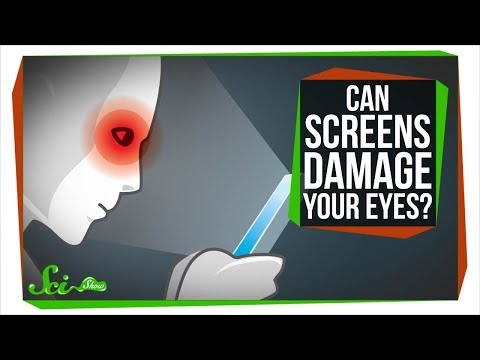
Can Screens Damage Your Eyes?
0
Jerry Liu posted on 2022/10/09Staring at screens all day? This video dives into whether they can actually harm your eyes, exploring topics like digital eye strain and blue light! You'll pick up some advanced vocabulary related to eye health and learn practical tips like the 20-20-20 rule to protect your vision.
Learn this video on the APP!
The VoiceTube App has more in-depth practice for videos!