
activate
US /ˈæktəˌvet/
UK /ˈæktɪveɪt/
- Transitive Verb
- To cause to happen; cause a chemical reaction
- To make something start working
B1Morealcohol
US /ˈælkəˌhɔl,-ˌhɑl/
UK /'ælkəhɒl/
- Uncountable Noun
- A colorless liquid that can catch fire (C2H5OH)
- Drinks such as wine, whiskey, beer
B1Moreamnesia
US /æmˈniʒə/
UK /æm'ni:zɪə/
- Uncountable Noun
- Loss of the ability to remember
C1Moreanxiety
US /æŋˈzaɪɪti/
UK /æŋ'zaɪətɪ/
- Uncountable Noun
- A feeling of worry, nervousness, or unease about something that might happen, especially when the outcome is uncertain.
B1Moreapproximately
US /əˈprɑksəmɪtlɪ/
UK /əˈprɒksɪmətli/
- Adverb
- Around; nearly; almost; about (a number)
A2TOEICMorearousal
US /ə'raʊzl/
UK /ə'raʊzl/
- Noun
- Being woken up from sleep; sexual excitement
B2Moreat night
US /æt naɪt/
UK /æt nait/
- Phrase
- During the night; in the nighttime.
A1Moreblow
US /blo/
UK /bləʊ/
- Verb (Transitive/Intransitive)
- To move something using air
- To make air come quickly out of your mouth
- Noun
- Something that causes you difficulty or sadness
- Act of making air come out of your mouth
A2Morebreak from
US
UK
- Phrasal Verb
- To separate oneself from an association or way of life, typically due to disagreement or disillusionment.
A1Morecalcium
US /ˈkælsiəm/
UK /'kælsɪəm/
- Uncountable Noun
- A substance important for making bones and teeth
- A substance containing calcium, taken to improve health.
C2Morecarbon
US /ˈkɑrbən/
UK /'kɑ:bən/
- Uncountable Noun
- Chemical element with an atomic number of 6
B1Morechronic
US /ˈkrɑnɪk/
UK /'krɒnɪk/
- Adjective
- Always or often doing something, e.g. lying
- (Of disease) over a long time; serious
B1Morecommonly
US /ˈkɑmənlɪ/
UK /ˈkɒmənli/
- Adverb
- Typically, normally; not unusually
- Widely; by many people.
A2Morecommunication
US /kəˌmjunɪˈkeʃən/
UK /kəˌmju:nɪ'keɪʃn/
- Noun (Countable/Uncountable)
- Talking to people; giving information to people
- The process of conveying information, ideas, or feelings through language or other means.
A2Moreconcussion
US /kənˈkʌʃən/
UK /kənˈkʌʃn/
- Noun
- Injury to the brain caused by a blow
C2Moreconsciousness
US /ˈkɑnʃəsnɪs/
UK /'kɒnʃəsnəs/
- Uncountable Noun
- Process by which thoughts, ideas are processed
- A person's awareness or perception of something.
A2Moreconsumption
US /kənˈsʌmpʃən/
UK /kənˈsʌmpʃn/
- Noun (Countable/Uncountable)
- The act of buying and using products
- The act of using energy, food or materials; the amount used
B1Morecoordinate
US /ko'ɔrdəˈnet/
UK /kəʊ'ɔ:dɪneɪt/
- Transitive Verb
- To match styles or colors that go well together
- To cause body parts to move smoothly together
- Noun
- Point on a map defining a location e.g. 135N, 34W
- A matching set of clothes.
B1Morecortex
US /ˈkɔrˌteks/
UK /'kɔ:teks/
- Noun (Countable/Uncountable)
- The outer part of an organ/structure, e.g. brain
- The outer layer of the cerebrum (the cerebral cortex), other organs, or a plant.
C1Moredecade
US /ˈdɛkˌed, dɛˈked/
UK /ˈdekeɪd/
- Countable Noun
- Period of 10 years
B1TOEICMoredeficiency
US /dɪˈfɪʃənsi/
UK /dɪˈfɪʃnsi/
- Noun
- Lack of something that is necessary
B2Moredepression
US /dɪˈprɛʃən/
UK /dɪ'preʃn/
- Noun (Countable/Uncountable)
- Medical condition of a lack of vitality
- Period of unemployment and low economic activity
B2Moredeprivation
US /ˌdɛprəˈveʃən/
UK /ˌdeprɪˈveɪʃn/
- Uncountable Noun
- State of lacking something needed
- The state of lacking or being denied something considered necessary.
B2Moredeprive
US /dɪˈpraɪv/
UK /dɪˈpraɪv/
- Transitive Verb
- To deny someone access to or take away something
B2Moredespise
US /dɪˈspaɪz/
UK /dɪ'spaɪz/
- Transitive Verb
- To have no respect whatsoever for a person/thing
B2Moreexposure
US /ɪkˈspoʒɚ/
UK /ɪk'spəʊʒə(r)/
- Noun
- Allowing light through a cameras lens onto film
- Being talked about in the media
A2TOEICMorefor example
US
UK
- Phrase
- As an illustration or instance.
forebrain
US /ˈfɔ:reɪn/
UK /ˈfɔ:breɪn/
- Noun
- Front part of the brain
C2Moregasoline
US /ˈɡæsəˌlin, ˌɡæsəˈlin/
UK /ˈgæsəli:n/
- Uncountable Noun
- Liquid we put in cars to make them run
- The industry related to the production, distribution, and sale of gasoline.
B2TOEICMorehave to
US /hæv tu/
UK /ˈhæv tə/
- Auxiliary Verb
- Must do
A1Moreimmune
US /ɪˈmjoon/
UK /ɪˈmju:n/
- Adjective
- Having a special protection from, e.g. the law
- Protected against a particular disease or condition because of antibodies or vaccination.
B1Moreinflammatory
US /ɪnˈflæməˌtɔri, -ˌtori/
UK /ɪnˈflæmətri/
- Adjective
- Making or intended to make someone angry
B2TOEICMorekill off
US /kɪl ɔf/
UK /kil ɔf/
- Phrasal Verb
- To eliminate or destroy completely; to cause to die.
lead to
US /lid tu/
UK /li:d tu:/
- Phrasal Verb
- To result in some action
- Verb (Transitive/Intransitive)
- To have something as a consequence or result.
A1Morelocus
US /ˈloʊkəs/
UK /ˈləʊkəs/
- Noun (plural)
- Site or location where something is, or occurs
B2Moremaintain
US /menˈten/
UK /meɪn'teɪn/
- Transitive Verb
- To keep saying something a certain way
- To keep (machine) working by checking, repairing
A2TOEICMoremake for
US /mek fɔr/
UK /meik fɔ:/
- Phrasal Verb
- To go to or toward something/someone for a reason
- To result in; cause
A1Moremonoxide
US /məˈnɑkˌsaɪd/
UK /mɒ'nɒksaɪd/
- Noun
- Oxide with one atom of oxygen per molecule
C1Moremotivation
US /ˌmotəˈveʃən/
UK /ˌməʊtɪ'veɪʃn/
- Uncountable Noun
- Reason behind why someone did something
- Enthusiasm for doing something.
B1TOEICMoreneural
US /ˈnʊrəl, ˈnjʊr-/
UK /ˈnjuərəl/
- Adjective
- About the nerves or nervous system
B2Morenicotine
US /ˈnɪkəˌtin/
UK /ˈnɪkəti:n/
- Uncountable Noun
- Addictive substance in tobacco
C1Moreno matter
US
UK
- Conjunction
- Regardless of; it does not matter.
- Adverb
- Regardless of; it is not important
A1Morenumerous
US /ˈnumərəs, ˈnju-/
UK /ˈnju:mərəs/
- Adjective
- Existing in large numbers
- Consisting of many things or people.
B1Moreoxygen
US /ˈɑksɪdʒən/
UK /'ɒksɪdʒən/
- Uncountable Noun
- A gas in the air that we need to breathe
- Oxygen administered as a medical treatment.
B1Morepermanent
US /ˈpɚmənənt/
UK /'pɜ:mənənt/
- Adjective
- Lasting forever; not temporary or changing
- Intended to last or remain for an unlimited period
- Noun
- A person who is a permanent employee.
- A chemical treatment to create lasting curls or waves in the hair.
B1TOEICMorepromote
US /prəˈmoʊt/
UK /prəˈməʊt/
- Transitive Verb
- To try to encourage popularity/sales of a product
- To move someone to a higher position or rank
A2TOEICMorepuberty
US /ˈpju:bərti/
UK /ˈpju:bəti/
- Noun
- Stage of life when you become sexually mature
C1Morereact
US /riˈækt/
UK /rɪ'ækt/
- Intransitive Verb
- To change when mixing with other chemicals
- To behave or make a change in a particular way
A2Morereduce
US /rɪˈdus, -ˈdjus/
UK /rɪ'dju:s/
- Verb (Transitive/Intransitive)
- To try to decrease, e.g. your weight if overweight
- To boil a liquid until it has decreased in amount
A2TOEICMorerelease
US /rɪ'li:s/
UK /rɪ'li:s/
- Transitive Verb
- To free someone from a responsibility or burden
- To allow a film, music etc. to be sold/distributed
- Noun
- Act of freeing someone from a duty or burden
- Introduction of a new product, film, book, etc.
A2TOEICMoresignal
US /ˈsɪɡnəl/
UK /'sɪɡnəl/
- Verb (Transitive/Intransitive)
- To be evidence/an indication something will happen
- To make a noise or motion to tell someone to start
- Noun (Countable/Uncountable)
- Evidence or an indication something will happen
- Movement of a hand or other means to send messages
A2Morestem
US /stɛm/
UK /stem/
- Noun (Countable/Uncountable)
- Long thin central part of a plant, bearing leaves
- Long thin part supporting something e.g. a light
- Transitive Verb
- To remove the stem of a flower or fruit
- To stop something bad from spreading or developing
B1TOEICMorestress
US / strɛs/
UK /stres/
- Transitive Verb
- To emphasize one or more parts of a word, sentence
- To put pressure on something or someone
- Noun (Countable/Uncountable)
- Emphasis on part of a word or sentence
- Pressure on something or someone
A2TOEICMoresyndrome
US /ˈsɪnˌdrom/
UK /'sɪndrəʊm/
- Noun
- A group of signs and symptoms of a disease
B1Moreused to
US /juzd tu/
UK /ˈju:st tə/
- Adjective
- Did regularly before, but don't do now
- Auxiliary Verb
- Have done before, but do not do now
A1Morevary
US /ˈveri/
UK /ˈveəri/
- Verb (Transitive/Intransitive)
- To change something and make it different
- To be changeable, both up and down
A2TOEICMorevolume
US /ˈvɑljum, -jəm/
UK /ˈvɒlju:m/
- Noun (Countable/Uncountable)
- Number or amount of something e.g. sales
- Amount of space that something takes up
- Countable Noun
- One book that is part of a set of books
A2More
Vocabulary
- lead to: To result in some action
- used to: Did regularly before, but don't do now
- for example: As an illustration or instance.
- kill off: To eliminate or destroy completely; to cause to die.
- break from: To separate oneself from an association or way of life, typically due to disagreement or disillusionment.
- no matter: Regardless of; it does not matter.
- at night: During the night; in the nighttime.
- have to: Must do
- make for: To go to or toward something/someone for a reason
- anxiety: A feeling of worry, nervousness, or unease about something that might happen, especially when the outcome is uncertain.
- chronic: Always or often doing something, e.g. lying
- immune: Having a special protection from, e.g. the law
- deprivation: State of lacking something needed
- depression: Medical condition of a lack of vitality
- permanent: Lasting forever; not temporary or changing
- term: Conditions applying to an agreement, contract
- matter: To be of great importance; to count
- experience: Thing a person has done or that happened to them
- cortex: The outer part of an organ/structure, e.g. brain
- exposure: Allowing light through a cameras lens onto film
- motivation: Reason behind why someone did something
- puberty: Stage of life when you become sexually mature
- consumption: The act of buying and using products
- approximately: Around; nearly; almost; about (a number)
- stress: To emphasize one or more parts of a word, sentence
- increase: To make or become larger in size or amount
- decade: Period of 10 years
- arousal: Being woken up from sleep; sexual excitement
- maintain: To keep saying something a certain way
- consciousness: Process by which thoughts, ideas are processed
- mean: Average of a set of numbers
- numerous: Existing in large numbers
- syndrome: A group of signs and symptoms of a disease
- brain: To strike someone forcefully on the head
- neural: About the nerves or nervous system
- hippocampus: A part of the brain that is part of the limbic system and is important for memory
- explain: To make clear or easy to understand by describing
- release: To free someone from a responsibility or burden
- inflammatory: Making or intended to make someone angry
- coordinate: To match styles or colors that go well together
- stem: Long thin central part of a plant, bearing leaves
- volume: Number or amount of something e.g. sales
- blow: To move something using air
- alcohol: A colorless liquid that can catch fire (C2H5OH)
- lead: Wire for electricity, computer, etc.; cable
- oxygen: A gas in the air that we need to breathe
- calcium: A substance important for making bones and teeth
- produce: Fresh foods such as fruits and vegetables
- reduce: To try to decrease, e.g. your weight if overweight
- suggest: To mention something that could be done; propose
- deprive: To deny someone access to or take away something
- appear: To be seen, become visible; come into sight
- react: To change when mixing with other chemicals
- promote: To try to encourage popularity/sales of a product
- activate: To cause to happen; cause a chemical reaction
- vary: To change something and make it different
- communication: Talking to people; giving information to people
- commonly: Typically, normally; not unusually
- signal: To be evidence/an indication something will happen
- carbon: Chemical element with an atomic number of 6
- deficiency: Lack of something that is necessary
- concussion: Injury to the brain caused by a blow
- despise: To have no respect whatsoever for a person/thing
- pull: Act of breathing in smoke, as from a pipe
- amnesia: Loss of the ability to remember
- widely: To a large degree; over a large range
- life: All the living things e.g. animals, plants, humans
- nicotine: Addictive substance in tobacco
- gasoline: Liquid we put in cars to make them run
- locus: Site or location where something is, or occurs
- monoxide: Oxide with one atom of oxygen per molecule
- forebrain: Front part of the brain
Get the full experience in the app
Learn anywhere with detailed sentence and usage analysis
01:03
She took a brave step forward, leaving behind her comfort zone to chase her dreams.
Vocabulary
- brave
adj. Having courage
- comfort zone
phr. A familiar situation where one feels safe
Explanation
a brave step is a noun phrase, where brave is an adjective modifying the noun step, meaning "a courageous step".
forward is an adverb modifying step, meaning "ahead".
The whole phrase serves as the object, answering the "what" of took (verb) — she took a brave step forward.
Get the full experience in the app
Look up words anytime with pronunciation, part of speech, and usage
brave
US/brev/
UK/breɪv/
adj.Brave
v.t.To bravely face
A2 Elementary
Get the full experience in the app
Practice speaking anytime and get instant pronunciation feedback
Try this speaking exercise.
Try practicing with this sentence.
80
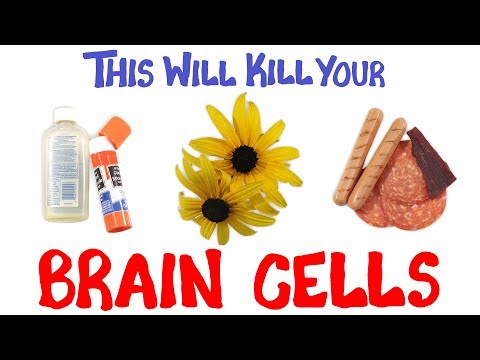
This Will Kill Your Brain Cells!
0
Mackenzie posted on 2019/10/03Ever wondered what really harms your brain cells? This fascinating science explainer dives into neuron death, neurogenesis, and how things like sleep deprivation and chronic stress can impact your brain! You'll pick up some seriously useful advanced vocabulary related to brain health that's perfect for daily practical use.
Learn this video on the APP!
The VoiceTube App has more in-depth practice for videos!