
academic
US /ˌækəˈdɛmɪk/
UK /ˌækə'demɪk/
- Adjective
- Concerning education, schools, universities, etc.
- Concerning education, schools, universities, etc.
- Noun (Countable/Uncountable)
- Educator teaching at a college or university
- A subject taught at schools and universities.
B1Moreadapt
US /əˈdæpt/
UK /ə'dæpt/
- Transitive Verb
- To change something for a different function
- To change something to fit or suit a new purpose
- Intransitive Verb
- To change your behaviour so that it is easier to live in a new place or situation
B1TOEICMoreaddiction
US /əˈdɪkʃən/
UK /əˈdɪkʃn/
- Noun (Countable/Uncountable)
- Lack of control the overuse of something e.g. drugs
- A compulsive physiological need for a habit-forming substance.
B1TOEICMoreadopt
US /əˈdɑ:pt/
UK /əˈdɒpt/
- Transitive Verb
- To legally take a child into your family
- To take on responsibility for something
A2TOEICMoreassume
US /əˈsum/
UK /ə'sju:m/
- Transitive Verb
- To act in a false manner to mislead others
- To believe, based on the evidence; suppose
A2TOEICMoreat home
US /æt hom/
UK /æt həum/
- Phrase
- In one's own residence or country.
- Adjective
- Feeling comfortable and relaxed.
at work
US /æt wɚk/
UK /æt wə:k/
- Phrase
- Located at one's place of employment
A1Moreaudible
US /ˈɔdəbəl/
UK /ˈɔ:dəbl/
- Adjective
- Capable of being heard; loud enough to be heard
B2Moreauthor
US /ˈɔθɚ/
UK /'ɔ:θə(r)/
- Noun (Countable/Uncountable)
- Person who writes books, plays, poems etc.
- Transitive Verb
- To write book or articles
B1Moreauthoritarian
US /əˌθɔ:rəˈteriən/
UK /ɔ:ˌθɒrɪˈteəriən/
- Noun
- Person expecting complete obedience
- Adjective
- Expecting complete obedience to your rules
- Favoring or enforcing strict obedience to authority, especially that of the government, at the expense of personal freedom.
B2Morecare of
US /kɛr ʌv/
UK /kɛə ɔv/
- Preposition
- Used in an address to indicate the person who will receive the mail for someone else.
A2Morecheck out
US /tʃɛk aʊt/
UK /tʃek aut/
- Phrase
- Phrasal Verb
- To find out information about something
- To take books out of a library
A1Morecommunication
US /kəˌmjunɪˈkeʃən/
UK /kəˌmju:nɪ'keɪʃn/
- Noun (Countable/Uncountable)
- Talking to people; giving information to people
- The process of conveying information, ideas, or feelings through language or other means.
A2Morecommute
US /kəˈmjut/
UK /kəˈmju:t/
- Transitive Verb
- To lessen or shorten a prison sentence
- Intransitive Verb
- To make a journey regularly between work and home
B1Morecompassion
US /kəmˈpæʃən/
UK /kəmˈpæʃn/
- Uncountable Noun
- Feeling of wanting to help suffering people
- Actions that demonstrate care and concern for others.
B2Morecompelling
US /kəmˈpɛlɪŋ/
UK /kəmˈpelɪŋ/
- Transitive Verb
- To force someone to do something
- Adjective
- Making you do, believe something; persuasive
B1Morecompetent
US /ˈkɑmpɪtənt/
UK /ˈkɒmpɪtənt/
- Adjective
- Fully qualified or capable of doing
- Of an acceptable quality, though not outstanding.
B2Morecringe
US /krɪndʒ/
UK /krɪndʒ/
- Intransitive Verb
- To crouch or move back suddenly, as in fear
- To behave in a servile or submissive way.
- Transitive Verb
- To cause someone to feel embarrassed or uncomfortable.
C1Moredelightful
US /dɪˈlaɪtfəl/
UK /dɪˈlaɪtfl/
- Adjective
- Greatly pleasing or entertaining
B2Moredepend
US /dɪˈpend/
UK /dɪˈpend/
- Verb (Transitive/Intransitive)
- Be controlled or determined by (someone/something)
- To rely on someone or something for support, help, or existence.
B1TOEICMoredepending on
US
UK
- Phrasal Verb
- To rely on for support (financial or emotional)
- Influenced or determined by.
- Preposition
- Subject to; contingent on
- Relying on someone or something for support or assistance.
A2Moredepression
US /dɪˈprɛʃən/
UK /dɪ'preʃn/
- Noun (Countable/Uncountable)
- Medical condition of a lack of vitality
- Period of unemployment and low economic activity
B2Moredesire
US / dɪˈzaɪr/
UK /dɪ'zaɪə(r)/
- Transitive Verb
- To wish for, hope or want something
- Noun (Countable/Uncountable)
- Thing that is wished for or wanted
- A strong feeling of sexual wanting.
A2Moredivorce
US /dɪˈvɔrs, -ˈvors/
UK /dɪ'vɔ:s/
- Noun (Countable/Uncountable)
- Legal breakup of a marriage
- Transitive Verb
- To legally end a marriage to (someone)
A2Moreesteem
US /ɪˈstim/
UK /ɪˈsti:m/
- Uncountable Noun
- Feeling of respect or admiration regarding someone
- Transitive Verb
- To regard with great respect or admiration
B2TOEICMoreethic
US /ˈɛθɪk/
UK /ˈeθɪk/
- Noun (Countable/Uncountable)
- Set of moral principles; rules of behavior
B1Moreexamine
US /ɪɡˈzæmɪn/
UK /ɪgˈzæmɪn/
- Transitive Verb
- (Medical) to test to find out what is wrong
- To test your knowledge or ability
A2Moreexpose
US /ɪkˈspoʊz/
UK /ɪk'spəʊz/
- Transitive Verb
- To make visible, without covering or protection
- To allow light through a cameras lens onto film
A2TOEICMoreflip
US /flɪp/
UK /flɪp/
- Verb (Transitive/Intransitive)
- To turn your body in the air, as in gymnastics
- To move into a different position quickly
- Noun
- Act of turning your body in the air; somersault
- Movement of something from one position to another
B2Morefor a change
US /fɔr e tʃendʒ/
UK /fɔ: ə tʃeindʒ/
- Phrase
- As something different from what is usual or normal.
A1Moregrow up
US /ɡro ʌp/
UK /ɡrəu ʌp/
- Phrasal Verb
- To develop from a child into an adult
A1Morehanging out
US
UK
- Phrasal Verb
- To spend time with your friends
- To spend times with friends or relax doing nothing
A2Moreharmful
US /ˈhɑ:rmfl/
UK /ˈhɑ:mfl/
- Adjective
- Likely to cause damage or injury
A2TOEICMorehinder
US /ˈhɪndɚ/
UK /'hɪndə(r)/
- Transitive Verb
- To make something slow or difficult
B2Morehousehold
US /ˈhaʊsˌhold/
UK /'haʊshəʊld/
- Adjective
- Being in everyday use; common
- Relating to a house or home.
- Noun (Countable/Uncountable)
- Concerning a home
- Family or other group living together in a house
B1Moreimitate
US /ˈɪmɪˌtet/
UK /ˈɪmɪteɪt/
- Transitive Verb
- To act, speak like someone or something else
B2Morein fact
US /ɪn fækt/
UK /in fækt/
- Adverb
- Used to emphasize the truth of a statement, especially one that contrasts with or contradicts something else.
- Used to introduce a more detailed or surprising piece of information.
- Phrase
- Used to emphasize the truth of a statement, especially one that is surprising or contrary to what might be expected.
C1Moreinspire
US /ɪnˈspaɪr/
UK /ɪn'spaɪə(r)/
- Transitive Verb
- To give someone an idea to do or make something
- To make someone feel a certain emotion
- Intransitive Verb
- To breathe in
- To draw (air, etc.) into the lungs.
B1TOEICMoreinstead of
US /ɪnˈstɛd ʌv/
UK /inˈsted ɔv/
- Preposition
- When one thing is replaced by another
- Adverb
- As a substitute or alternative.
A1Morelead to
US /lid tu/
UK /li:d tu:/
- Phrasal Verb
- To result in some action
- Verb (Transitive/Intransitive)
- To have something as a consequence or result.
A1Morelikelihood
US /ˈlaɪkliˌhʊd/
UK /ˈlaɪklihʊd/
- Uncountable Noun
- Chance that something might happen
B1TOEICMoreloyalty
US /ˈlɔɪəlti/
UK /ˈlɔɪəlti/
- Uncountable Noun
- Complete and sustained support for person, thing
- Allegiance or devotion to a person, cause, or country.
B2TOEICMoremanifest
US /ˈmænəˌfɛst/
UK /'mænɪfest/
- Countable Noun
- List of cargo on a ship
- Transitive Verb
- To express or show clearly
- Display or show (a quality or feeling) by one's acts or appearance; demonstrate.
B1TOEICMoremotivation
US /ˌmotəˈveʃən/
UK /ˌməʊtɪ'veɪʃn/
- Uncountable Noun
- Reason behind why someone did something
- Enthusiasm for doing something.
B1TOEICMorenostalgic
US /nɒ'stældʒɪk/
UK /nɒ'stældʒɪk/
- Adjective
- Feeling sad, but positive about memories/the past
B2Morenurture
US /ˈnɜ:rtʃə(r)/
UK /ˈnɜ:tʃə(r)/
- Uncountable Noun
- Care and support given to people as they develop
- Transitive Verb
- To help something or someone to grow or succeed
- To help something or someone to grow or succeed
B1Moreon the go
US /ɑn ði ɡo/
UK /ɔn ðə ɡəu/
- Adjective
- Very busy and active.
A1Moreon the other hand
US
UK
- Phrase
- Considering a different aspect of the matter; alternatively.
A1Moreone being
US
UK
- Noun
- An individual existence; a person or creature.
- A single entity or individual, especially in a philosophical or spiritual context.
A1Morepractical
US /ˈpræktɪkəl/
UK /ˈpræktɪkl/
- Adjective
- Relating to what is sensible, real or useful
- Relating to experience, action, or practice; not theoretical or ideal.
- Noun
- A practical exam or lesson.
- A person concerned chiefly with the practice of something; a person with practical skills.
A2TOEICMoreproductive
US /prəˈdʌktɪv, pro-/
UK /prəˈdʌktɪv/
- Adjective
- Producing things in large quantities; fertile
- Doing a lot of work and achieving a lot
B1Morepromote
US /prəˈmoʊt/
UK /prəˈməʊt/
- Transitive Verb
- To try to encourage popularity/sales of a product
- To move someone to a higher position or rank
A2TOEICMoreprone
US /proʊn/
UK /prəʊn/
- Adjective
- Lying flat with your head facing the ground
- Likely to have, do or be (usually something bad)
B2TOEICMorepsychological
US /ˌsaɪkəˈlɑdʒɪkəl/
UK /ˌsaɪkəˈlɒdʒɪkl/
- Adjective
- Concerning the study of the mind
- Relating to or involving the use of propaganda, threats, or other psychological techniques to subdue an opponent.
A2Morepsychology
US /saɪˈkɑlədʒi/
UK /saɪ'kɒlədʒɪ/
- Uncountable Noun
- The study of the mind and how it affects behavior
- Way in which a person or group thinks and behaves
C2Morerelationship
US /rɪˈleʃənˌʃɪp/
UK /rɪˈleɪʃnʃɪp/
- Noun (Countable/Uncountable)
- Connection between two or more people or things
- Way people interact or live with each other
A2TOEICMorerely on
US /rɪˈlaɪ ɑn/
UK /riˈlai ɔn/
- Phrasal Verb
- To depend on someone or something
A2Morerespiratory
US /ˈrɛspərəˌtɔri, -ˌtori, rɪˈspaɪrə-/
UK /ˈrespərəˌtɔ:ri:, -ˌtəʊri:, rɪˈspaɪərə-/
- Adjective
- (Medical) concerning breathing
- Having the function of respiration.
- Noun
- The branch of medicine concerned with the organs of respiration.
- The system of organs involved in breathing.
C1Moreresult in
US /rɪˈzʌlt ɪn/
UK /riˈzʌlt in/
- Phrasal Verb
- To cause or produce as a consequence.
sneaky
US /ˈsniki/
UK /ˈsni:ki/
- Adjective
- Deceptive and underhand
B2Morespank
US /spæŋk/
UK /spæŋk/
- Noun
- Hitting someone on the buttocks as punishment
- Transitive Verb
- To hit on the buttocks as punishment
C2Morestrict
US /strɪkt/
UK /strɪkt/
- Adjective
- Tending to enforce rules; severe
- (Of orders) that must be obeyed
A2Moresuch as
US /sʌtʃ æz/
UK /sʌtʃ æz/
- Preposition
- For example; like
A1Moresuppress
US /səˈprɛs/
UK /səˈpres/
- Transitive Verb
- To prevent the display of emotion or feeling
- To use force to prevent something happening
B1TOEICMoresusceptible
US /səˈsɛptəbəl/
UK /səˈseptəbl/
- Adjective
- Likely to fall prey to, be drawn to or influenced
- At risk of developing a certain illness or problem
B2TOEICMoreto let
US /tu lɛt/
UK /tu let/
- Preposition
- Indicates that a property is available for rent.
A2Moretoddler
US /ˈtɑdlɚ/
UK /ˈtɒdlə(r)/
- Countable Noun
- Young child learning to walk
C2Moretrial
US /ˈtraɪəl, traɪl/
UK /ˈtraɪəl/
- Noun (Countable/Uncountable)
- Hearing and judgment of a case in court
- Act or process of testing or experimenting
- Transitive Verb
- To be made or done as a test or experiment
A2TOEICMoreturned out
US
UK
- Phrasal Verb
- To arrive for a public event or entertainment
- To happen to be in the end
- Transitive Verb
- To extinguish or switch off lights.
A1More
Vocabulary
- grow up: To develop from a child into an adult
- instead of: When one thing is replaced by another
- depending on: To rely on for support (financial or emotional)
- care of: Used in an address to indicate the person who will receive the mail for someone else.
- turned out: To arrive for a public event or entertainment
- hanging out: To spend time with your friends
- one being: An individual existence; a person or creature.
- rely on: To depend on someone or something
- lead to: To result in some action
- such as: For example; like
- result in: To cause or produce as a consequence.
- in fact: Used to emphasize the truth of a statement, especially one that contrasts with or contradicts something else.
- to let: Indicates that a property is available for rent.
- on the other hand : Considering a different aspect of the matter; alternatively.
- at work: Located at one's place of employment
- on the go: Very busy and active.
- at home: In one's own residence or country.
- for a change: As something different from what is usual or normal.
- check out
- assume: To act in a false manner to mislead others
- susceptible: Likely to fall prey to, be drawn to or influenced
- depression: Medical condition of a lack of vitality
- imitate: To act, speak like someone or something else
- esteem: Feeling of respect or admiration regarding someone
- compelling: To force someone to do something
- flip: To turn your body in the air, as in gymnastics
- prone: Lying flat with your head facing the ground
- practical: Relating to what is sensible, real or useful
- compassion: Feeling of wanting to help suffering people
- psychological: Concerning the study of the mind
- manifest: List of cargo on a ship
- respiratory: (Medical) concerning breathing
- motivation: Reason behind why someone did something
- productive: Producing things in large quantities; fertile
- academic: Concerning education, schools, universities, etc.
- trial: Hearing and judgment of a case in court
- psychology: The study of the mind and how it affects behavior
- relationship: Connection between two or more people or things
- desire: To wish for, hope or want something
- strict: Tending to enforce rules; severe
- inspire: To give someone an idea to do or make something
- addiction: Lack of control the overuse of something e.g. drugs
- suppress: To prevent the display of emotion or feeling
- adapt: To change something for a different function
- ethic: Set of moral principles; rules of behavior
- adopt: To legally take a child into your family
- household: Being in everyday use; common
- examine: (Medical) to test to find out what is wrong
- divorce: Legal breakup of a marriage
- likelihood: Chance that something might happen
- loyalty: Complete and sustained support for person, thing
- sneaky: Deceptive and underhand
- competent: Fully qualified or capable of doing
- nostalgic: Feeling sad, but positive about memories/the past
- commute: To lessen or shorten a prison sentence
- expose: To make visible, without covering or protection
- author: Person who writes books, plays, poems etc.
- toddler: Young child learning to walk
- promote: To try to encourage popularity/sales of a product
- nurture: Care and support given to people as they develop
- text: To send a message by phone or other device
- communication: Talking to people; giving information to people
- depend: Be controlled or determined by (someone/something)
- authoritarian: Person expecting complete obedience
- harmful: Likely to cause damage or injury
- audible: Capable of being heard; loud enough to be heard
- learn: To get knowledge or skills by study or experience
- cringe: To crouch or move back suddenly, as in fear
- delightful: Greatly pleasing or entertaining
- hinder: To make something slow or difficult
- grow: To get bigger and more mature; make plants do this
- healthy: In good condition physically, or financially; well
- behaviour: The way a person or thing acts; manner
- side: To decide to agree with one point, not the other
- work: The product of some artistic or literary endeavor
- strong: (Of tea or beer) dark or thick
- care: To feel interest, concern, or worry
- show: To be easily seen or displayed
- close: Almost; near
- parent: Person's, animal's mother or father
- listen: To carefully consider what someone is saying
- television: Device that broadcasts programs, movies or show
- child: A very young person, between about 2 and 15
- spank: Hitting someone on the buttocks as punishment
Get the full experience in the app
Learn anywhere with detailed sentence and usage analysis
01:03
She took a brave step forward, leaving behind her comfort zone to chase her dreams.
Vocabulary
- brave
adj. Having courage
- comfort zone
phr. A familiar situation where one feels safe
Explanation
a brave step is a noun phrase, where brave is an adjective modifying the noun step, meaning "a courageous step".
forward is an adverb modifying step, meaning "ahead".
The whole phrase serves as the object, answering the "what" of took (verb) — she took a brave step forward.
Get the full experience in the app
Look up words anytime with pronunciation, part of speech, and usage
brave
US/brev/
UK/breɪv/
adj.Brave
v.t.To bravely face
A2 Elementary
Get the full experience in the app
Practice speaking anytime and get instant pronunciation feedback
Try this speaking exercise.
Try practicing with this sentence.
80
8 Ways Your Childhood Affects Your Lifestyle
0
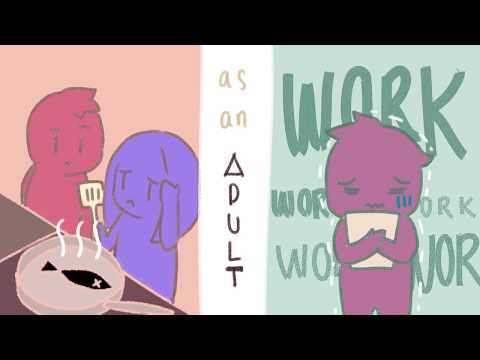
Angel Hsu posted on 2019/10/18Ever wonder why you react to things the way you do? This video dives into 8 fascinating ways your childhood experiences shape your adult lifestyle, from your romantic expectations to your mental health! You'll pick up useful vocabulary related to psychology and personal growth while exploring these relatable connections.
Learn this video on the APP!
The VoiceTube App has more in-depth practice for videos!