
ability
US /əˈbɪlɪti/
UK /ə'bɪlətɪ/
- Noun (Countable/Uncountable)
- The power, resources or skill to do something
- A particular skill or talent.
A2TOEICMoreacademic
US /ˌækəˈdɛmɪk/
UK /ˌækə'demɪk/
- Adjective
- Concerning education, schools, universities, etc.
- Concerning education, schools, universities, etc.
- Noun (Countable/Uncountable)
- Educator teaching at a college or university
- A subject taught at schools and universities.
B1Moreact out
US /ækt aʊt/
UK /ækt aut/
- Phrasal Verb
- To perform a role before going on stage; practice
- To perform or represent something through actions.
A1Moreadverse
US /ædˈvɚs, ˈædˌvɚs/
UK /ˈædvɜ:s/
- Adjective
- Negative or harmful
B1TOEICMoreaffect
US /əˈfɛkt/
UK /ə'fekt/
- Transitive Verb
- To cause a change in something else
- To pretend to have or feel (something).
- Noun
- (Psychology) Emotion or feeling.
A2TOEICMoreaffection
US /əˈfɛkʃən/
UK /əˈfekʃn/
- Noun (Countable/Uncountable)
- Feeling of liking someone or something
- A gentle feeling of fondness or liking.
B1Moreanecdotal
US /ˌænɪkˈdoʊtl/
UK /ˌænɪkˈdəʊtl/
- Adjective
- Relying on stories, experiences, rather than fact
B2Moreanimation
US /ˌænəˈmeʃən/
UK /ˌænɪˈmeɪʃn/
- Uncountable Noun
- The process of creating moving images using drawings, computer graphics, or other techniques.
- Liveliness or energy in behavior or expression.
B2Moreanxiety
US /æŋˈzaɪɪti/
UK /æŋ'zaɪətɪ/
- Uncountable Noun
- A feeling of worry, nervousness, or unease about something that might happen, especially when the outcome is uncertain.
B1Moreassociate
US /əˈsoʊʃiˌeɪt/
UK /ə'səʊʃɪeɪt/
- Countable Noun
- Partner in professional work, e.g. in law
- Verb (Transitive/Intransitive)
- To spend time with other people; mix with
- To form a connection in your mind between things
B1TOEICMoreblurry
US /ˈblə:ɪ/
UK /ˈblɜ:ri/
- Adjective
- Being indistinguishable or unclear in shape
B2Morecasual
US /ˈkæʒuəl/
UK /ˈkæʒuəl/
- Adjective
- Being careless or having little thought or effort
- (Of clothes, etc.) not formal; easy to wear
- Countable Noun
- A worker employed on a temporary or irregular basis.
- A job as a musician that is not regular or permanent.
A2Morecheck out
US /tʃɛk aʊt/
UK /tʃek aut/
- Phrase
- Phrasal Verb
- To find out information about something
- To take books out of a library
A1Morecome together
US /kʌm təˈɡɛðɚ/
UK /kʌm təˈɡeðə/
- Phrasal Verb
- To assemble or unite; to start working together.
- To form a close relationship or bond.
A1Moreconfidence
US /ˈkɑnfɪdəns/
UK /'kɒnfɪdəns/
- Uncountable Noun
- Feeling that you can do well at something
- Feeling you can trust someone
A2Morecontent
US /ˈkɑnˌtɛnt/
UK /'kɒntent/
- Adjective
- Being happy or satisfied
- In a state of peaceful happiness.
- Noun (Countable/Uncountable)
- Information in something, e.g. book or computer
- The subject matter of a book, speech, etc.
A2Morededicated
US /ˈdɛdɪˌketɪd/
UK /'dedɪkeɪtɪd/
- Transitive Verb
- To state a person's name in book, song, in respect
- To give your energy, time, etc. completely
- Adjective
- Devoted to a task or purpose; having single-minded loyalty or integrity.
- Designed for or devoted to a specific purpose or task.
B1Moredepression
US /dɪˈprɛʃən/
UK /dɪ'preʃn/
- Noun (Countable/Uncountable)
- Medical condition of a lack of vitality
- Period of unemployment and low economic activity
B2Moreesteem
US /ɪˈstim/
UK /ɪˈsti:m/
- Uncountable Noun
- Feeling of respect or admiration regarding someone
- Transitive Verb
- To regard with great respect or admiration
B2TOEICMoreexplore
US /ɪkˈsplɔr/
UK /ɪk'splɔ:(r)/
- Transitive Verb
- To examine something in detail to learn about it
- To travel to a place to discover more about it
A2TOEICMorefor example
US
UK
- Phrase
- As an illustration or instance.
for instance
US /fɔr ˈɪnstəns/
UK /fɔ: ˈinstəns/
- Adverb
- As an example.
- Phrase
- As an example.
- As an illustration or case in point
B1Morefunction
US /ˈfʌŋkʃən/
UK /'fʌŋkʃn/
- Noun
- Social event, or party such as a wedding
- Mathematical operation used in calculations
- Intransitive Verb
- To serve a certain purpose or role
- To be operating, working or achieving its purpose
A2TOEICMoregrow into
US /ɡro ˈɪntu/
UK /ɡrəu ˈɪntuː/
- Phrasal Verb
- To be able to wear clothes that were too big
- To adjust to over time, e.g. a new job
A1Moregrow up
US /ɡro ʌp/
UK /ɡrəu ʌp/
- Phrasal Verb
- To develop from a child into an adult
A1Morehanging out
US
UK
- Phrasal Verb
- To spend time with your friends
- To spend times with friends or relax doing nothing
A2Morehelicopter
US /ˈhɛlɪˌkɑptɚ/
UK /'helɪkɒptə(r)/
- Countable Noun
- Aircraft with spinning blades at the top
- Transitive Verb
- To transport by helicopter
B1TOEICMoreidentity
US /aɪˈdɛntɪti/
UK /aɪ'dentətɪ/
- Noun (Countable/Uncountable)
- Collection of qualities that makes a person
- Who someone is; the name of a person
B1Morein mind
US /ɪn maɪnd/
UK /in maind/
- Phrase
- Being aware of or considering something.
- To remember or consider something.
A2Morein need
US /ɪn nid/
UK /in ni:d/
- Phrase
- Not having the necessary things, such as food
A1Morein the end
US /ɪn ði ɛnd/
UK /in ðə end/
- Phrase
- Finally; after a period of time or series of events.
- Ultimately; as the final result or consequence.
A1Moreinstead of
US /ɪnˈstɛd ʌv/
UK /inˈsted ɔv/
- Preposition
- When one thing is replaced by another
- Adverb
- As a substitute or alternative.
A1Moreisolation
US /ˌaɪsəˈleʃən/
UK /ˌaɪsəˈleɪʃn/
- Uncountable Noun
- Condition of being in a distinct, separate place
- Process of separating things from other things
B1Moreloneliness
US /ˈlonlɪnɪs/
UK /'ləʊnlɪnəs/
- Uncountable Noun
- State of feeling sad because you are alone
- A feeling of being isolated from others, even when surrounded by people.
B2Moremaintain
US /menˈten/
UK /meɪn'teɪn/
- Transitive Verb
- To keep saying something a certain way
- To keep (machine) working by checking, repairing
A2TOEICMoremethod
US /ˈmɛθəd/
UK /'meθəd/
- Noun (Countable/Uncountable)
- (Organized and planned) way of doing something
- Orderliness of thought, arrangement, or behavior.
A2TOEICMoremiss out
US /mɪs aʊt/
UK /mis aut/
- Phrasal Verb
- To exclude; not include in something
- To fail to take advantage of something; to lose an opportunity.
A1Morenegatively
US /ˈnɛɡətɪvlɪ/
UK /'neɡətɪvlɪ/
- Adverb
- In a harmful, unwanted or unhelpful manner
B1Moreneglect
US /nɪˈɡlɛkt/
UK /nɪ'ɡlekt/
- Uncountable Noun
- Act of failing to do something important, required
- State or condition of not receiving proper care
- Transitive Verb
- To not do something that is important or required
- To fail to take care of something; ignore
B1TOEICMoreoverly
US /ˈoʊvərli/
UK /ˈəʊvəli/
- Adverb
- To a degree exceeding normal or proper limits
B2Morepassionate
US /ˈpæʃənɪt/
UK /ˈpæʃənət/
- Adjective
- Being easily excited to strong emotions
- Having strong sexual desires
A2Morependant
US /ˈpɛndənt/
UK /ˈpendənt/
- Noun
- Ornament that hangs from a chain worn on the neck
B2Moreprevent
US /prɪˈvɛnt/
UK /prɪ'vent/
- Transitive Verb
- To stop something from happening or existing
A2TOEICMorepsychology
US /saɪˈkɑlədʒi/
UK /saɪ'kɒlədʒɪ/
- Uncountable Noun
- The study of the mind and how it affects behavior
- Way in which a person or group thinks and behaves
C2Morerebellious
US /rɪˈbɛljəs/
UK /rɪˈbeljəs/
- Adjective
- Wanting to do things your way; resisting authority
- Engaged in or relating to rebellion.
B1Morerecommend
US /ˌrɛkəˈmɛnd/
UK /ˌrekə'mend/
- Transitive Verb
- To advise or suggest that someone do something
- To endorse or support something publicly.
A2TOEICMorerejection
US /rɪˈdʒɛkʃən/
UK /rɪ'dʒekʃn/
- Uncountable Noun
- Decision that something is not good enough
- Act of refusing to consider or believe
B1Morerelationship
US /rɪˈleʃənˌʃɪp/
UK /rɪˈleɪʃnʃɪp/
- Noun (Countable/Uncountable)
- Connection between two or more people or things
- Way people interact or live with each other
A2TOEICMorescript
US /skrɪpt/
UK /skrɪpt/
- Noun (Countable/Uncountable)
- Written text of a book, play, film, or speech
- Set of letters or characters of a written language
- Transitive Verb
- To write a text for a movie, play or speech
B1Morestick around
US /stɪk əˈraʊnd/
UK /stik əˈraund/
- Phrasal Verb
- To remain in place; not leave or go
A2Morestunt
US /stʌnt/
UK /stʌnt/
- Countable Noun
- Dangerous and daring trick, as in an action film
- Transitive Verb
- To prevent from growing bigger or as big as normal
B2Moresuch as
US /sʌtʃ æz/
UK /sʌtʃ æz/
- Preposition
- For example; like
A1Moresuffer
US / ˈsʌfɚ/
UK /'sʌfə(r)/
- Verb (Transitive/Intransitive)
- To experience pain, illness, or injury
- To allow or permit something, especially something unpleasant.
A2Moretake on
US /tek ɑn/
UK /teik ɔn/
- Phrasal Verb
- To acquire a new characteristic
- To accept a new responsibility, role
A1Moretendency
US /ˈtɛndənsi/
UK /'tendənsɪ/
- Noun
- Likelihood to behave in a particular way
A2Moreto the point
US /tu ði pɔɪnt/
UK /tu: ðə pɔint/
- Adjective
- Expressing something directly and without unnecessary detail.
- Phrase
- Relevant and pertinent to the matter at hand.
A2Moreuncomfortable
US /ʌnˈkʌmfətəbəl, -ˈkʌmftə-/
UK /ʌnˈkʌmftəbl/
- Adjective
- Not being relaxed; worried about something
- Causing or feeling slight pain or physical unease.
B1Moreused to
US /juzd tu/
UK /ˈju:st tə/
- Adjective
- Did regularly before, but don't do now
- Auxiliary Verb
- Have done before, but do not do now
A1Morework out
US /wɚk aʊt/
UK /wə:k aut/
- Phrasal Verb
- To find a way to do something, by thinking
A1More
Vocabulary
- grow up: To develop from a child into an adult
- such as: For example; like
- check out
- come together: To assemble or unite; to start working together.
- in mind: Being aware of or considering something.
- stick around: To remain in place; not leave or go
- used to: Did regularly before, but don't do now
- to the point: Expressing something directly and without unnecessary detail.
- instead of: When one thing is replaced by another
- take on: To acquire a new characteristic
- miss out: To exclude; not include in something
- hanging out: To spend time with your friends
- for example: As an illustration or instance.
- for instance: As an example.
- act out: To perform a role before going on stage; practice
- in the end: Finally; after a period of time or series of events.
- work out
- grow into: To be able to wear clothes that were too big
- in need: Not having the necessary things, such as food
- anxiety: A feeling of worry, nervousness, or unease about something that might happen, especially when the outcome is uncertain.
- depression: Medical condition of a lack of vitality
- content: Being happy or satisfied
- dedicated: To state a person's name in book, song, in respect
- recommend: To advise or suggest that someone do something
- esteem: Feeling of respect or admiration regarding someone
- passionate: Being easily excited to strong emotions
- experience: Thing a person has done or that happened to them
- associate: Partner in professional work, e.g. in law
- sense: Certain mental feeling or emotion
- develop: To explain something in steps and in detail
- script: Written text of a book, play, film, or speech
- confidence: Feeling that you can do well at something
- academic: Concerning education, schools, universities, etc.
- psychology: The study of the mind and how it affects behavior
- relationship: Connection between two or more people or things
- explore: To examine something in detail to learn about it
- ability: The power, resources or skill to do something
- method: (Organized and planned) way of doing something
- tendency: Likelihood to behave in a particular way
- prevent: To stop something from happening or existing
- casual: Being careless or having little thought or effort
- function: Social event, or party such as a wedding
- affect: To cause a change in something else
- suffer: To experience pain, illness, or injury
- maintain: To keep saying something a certain way
- affection: Feeling of liking someone or something
- neglect: Act of failing to do something important, required
- identity: Collection of qualities that makes a person
- provide: To make available; to supply for use
- isolation: Condition of being in a distinct, separate place
- rebellious: Wanting to do things your way; resisting authority
- stunt: Dangerous and daring trick, as in an action film
- suggest: To mention something that could be done; propose
- animation: The process of creating moving images using drawings, computer graphics, or other techniques.
- important: Having power or authority
- allow: To admit the validity or truth of something
- blurry: Being indistinguishable or unclear in shape
- control: A device designed to operate a machine
- act: To behave in a certain way
- support: To give assistance or advice to someone
- learn: To get knowledge or skills by study or experience
- argue: To fight or disagree over something
- overly: To a degree exceeding normal or proper limits
- rejection: Decision that something is not good enough
- chance: The way something happens without planning
- loneliness: State of feeling sad because you are alone
- grow: To get bigger and more mature; make plants do this
- helicopter: Aircraft with spinning blades at the top
- healthy: In good condition physically, or financially; well
- negatively: In a harmful, unwanted or unhelpful manner
- adverse: Negative or harmful
- uncomfortable: Not being relaxed; worried about something
- anecdotal: Relying on stories, experiences, rather than fact
- pendant: Ornament that hangs from a chain worn on the neck
Get the full experience in the app
Learn anywhere with detailed sentence and usage analysis
01:03
She took a brave step forward, leaving behind her comfort zone to chase her dreams.
Vocabulary
- brave
adj. Having courage
- comfort zone
phr. A familiar situation where one feels safe
Explanation
a brave step is a noun phrase, where brave is an adjective modifying the noun step, meaning "a courageous step".
forward is an adverb modifying step, meaning "ahead".
The whole phrase serves as the object, answering the "what" of took (verb) — she took a brave step forward.
Get the full experience in the app
Look up words anytime with pronunciation, part of speech, and usage
brave
US/brev/
UK/breɪv/
adj.Brave
v.t.To bravely face
A2 Elementary
Get the full experience in the app
Practice speaking anytime and get instant pronunciation feedback
Try this speaking exercise.
Try practicing with this sentence.
80
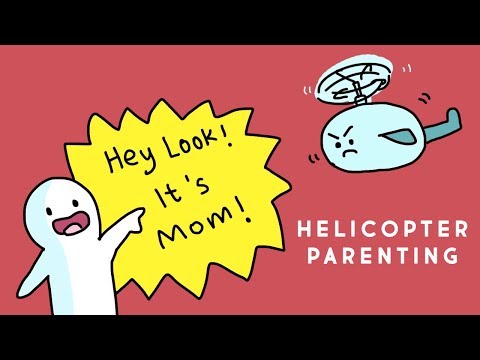
5 Ways Helicopter Parents Can Affect You
0
Allen Li posted on 2019/08/23Ever wonder how parents hovering too much can actually hold you back? This video dives into the surprising ways helicopter parenting can impact your self-esteem and life skills, offering insights you can use right away! You'll pick up practical vocabulary for discussing mental health and relationships.
Learn this video on the APP!
The VoiceTube App has more in-depth practice for videos!