
aid
US /ed/
UK /eɪd/
- Transitive Verb
- To help others and provide things
- Noun (Countable/Uncountable)
- Action of giving help to others
- Money or help given to those who need it
A2TOEICMorealcohol
US /ˈælkəˌhɔl,-ˌhɑl/
UK /'ælkəhɒl/
- Uncountable Noun
- A colorless liquid that can catch fire (C2H5OH)
- Drinks such as wine, whiskey, beer
B1Morealter
US /ˈɔltɚ/
UK /ˈɔ:ltə(r)/
- Transitive Verb
- To change so (clothing) fits better
- Verb (Transitive/Intransitive)
- To change or modify something.
- To become different; to change.
A2TOEICMoreavoid
US /əˈvɔɪd/
UK /ə'vɔɪd/
- Transitive Verb
- To prevent from happening
- To stay away from
A2TOEICMorebinge
US /bɪndʒ/
UK /bɪndʒ/
- Verb (Transitive/Intransitive)
- To eat or drink too much at one time
C1Morebiological
US /ˌbaɪəˈlɑdʒɪkəl/
UK /ˌbaɪəˈlɒdʒɪkl/
- Adjective
- Being related to life and living things
- A substance, such as a detergent, that contains enzymes.
B1Morebuddy
US /ˈbʌdi/
UK /'bʌdɪ/
- Countable Noun
- Friend, usually male
- A term of address, often used informally.
B2Morecheck out
US /tʃɛk aʊt/
UK /tʃek aut/
- Phrase
- Phrasal Verb
- To find out information about something
- To take books out of a library
A1Morechoke
US /tʃoʊk/
UK /tʃəʊk/
- Transitive Verb
- To cause someone not to breathe
- To suppress or restrain.
- Intransitive Verb
- To be unable to breath due to a blockage
B2Morechoke on
US
UK
- Phrasal Verb
- To be unable to breathe properly because something is stuck in your throat or airway.
chop
US /tʃɑp/
UK /tʃɒp/
- Verb (Transitive/Intransitive)
- To cut into pieces with an up and down motion
- To hit someone with your hand
- Noun (Countable/Uncountable)
- A hit with the hand in a sideways motion
- Thick slice of meat still attached to a bone
B1Morechronic
US /ˈkrɑnɪk/
UK /'krɒnɪk/
- Adjective
- Always or often doing something, e.g. lying
- (Of disease) over a long time; serious
B1Moreclinical
US /ˈklɪnɪkəl/
UK /ˈklɪnɪkl/
- Adjective
- Concerning the treatment or observing patients
- Using scientific techniques and precision
B1Moreconsume
US /kənˈsum/
UK /kən'sju:m/
- Transitive Verb
- To eat, drink, buy or use up something
- To take all your energy; focus the attention
A2TOEICMorecurious
US /ˈkjʊriəs/
UK /ˈkjʊəriəs/
- Adjective
- Wanting to know more about something
- Attracting interest by being strange or unusual
A2Moredefine
US /dɪˈfaɪn/
UK /dɪ'faɪn/
- Transitive Verb
- To explain the meaning of words
- To set or mark the limits of something
A2TOEICMoredepend
US /dɪˈpend/
UK /dɪˈpend/
- Verb (Transitive/Intransitive)
- Be controlled or determined by (someone/something)
- To rely on someone or something for support, help, or existence.
B1TOEICMoredepending on
US
UK
- Phrasal Verb
- To rely on for support (financial or emotional)
- Influenced or determined by.
- Preposition
- Subject to; contingent on
- Relying on someone or something for support or assistance.
A2Moredisease
US /dɪˈziz/
UK /dɪˈzi:z/
- Noun (Countable/Uncountable)
- Illness that affects a person, animal, or plant
- A disorder of structure or function in a plant, especially one caused by a pathogen.
- Transitive Verb
- To affect with disease; to corrupt or sicken.
A2TOEICMoredisorder
US /dɪsˈɔrdɚ/
UK /dɪs'ɔ:də(r)/
- Uncountable Noun
- State of confusion or a lack of organization
- Illness when the body is not functioning well
- Transitive Verb
- To disrupt the order or arrangement of something.
B2Moreemotional
US /ɪˈmoʃənəl/
UK /ɪˈməʊʃənl/
- Adjective
- Causing, feeling, or appealing to the emotions
- Relating to or characterized by emotion
A2Moreepisode
US /ˈɛpɪˌsod/
UK /'epɪsəʊd/
- Noun
- One separate event in a series of events
- Show which is part of a larger story
B1TOEICMorefirst off
US /fɚst ɔf/
UK /fə:st ɔf/
- Phrase
- To begin with; firstly.
- Most importantly; above all else.
A1Morehold on
US /hold ɑn/
UK /həuld ɔn/
- Phrasal Verb
- To wait for someone (e.g. on a phone call)
- To wait for a short time.
A1Morehormone
US /ˈhɔrˌmon/
UK /'hɔ:məʊn/
- Noun
- Chemical produced by the body to control functions
B2Moreimpair
US /ɪmˈpɛr/
UK /ɪm'peə(r)/
- Transitive Verb
- To damage or weaken something
B2TOEICMorein general
US /ɪn ˈdʒɛnərəl/
UK /in ˈdʒenərəl/
- Phrase
- Typically; usually; on the whole.
- Not specific or detailed; broadly.
- Adjective
- Not detailed or specific; overall.
C2Morekinda
US /'kaɪndə/
UK /'kaɪndə/
- Noun
- Short way of saying 'kind of'
- Adverb
- Somewhat; to some extent; rather.
- Sort of; in a way.
B2Morelead to
US /lid tu/
UK /li:d tu:/
- Phrasal Verb
- To result in some action
- Verb (Transitive/Intransitive)
- To have something as a consequence or result.
A1Morelook at
US /lʊk æt/
UK /luk æt/
- Phrasal Verb
- To use your eyes to focus on something
- To focus your eyes on something carefully
A1Moremelatonin
US //mel.əˈtoʊ.nɪn//
UK //mel.əˈtəʊ.nɪn//
- Uncountable Noun
- Hormone secreted by the pineal gland
- A synthetic form of the hormone melatonin, often taken as a dietary supplement to promote sleep.
B1Moremoderate
US /ˈmɑdərɪt/
UK /ˈmɒdərət/
- Verb (Transitive/Intransitive)
- To host a meeting or panel discussion
- To make something less violent, severe, or strong
- Adjective
- Being average in quantity or size
B1Moremultiple
US /ˈmʌltəpəl/
UK /ˈmʌltɪpl/
- Adjective
- Having or involving more than one of something
- Having or involving several parts, elements, or members.
- Countable Noun
- Number produced by multiplying a smaller number
- A number of identical circuit elements connected in parallel or series.
B1Morenacho
US /'nɑ:ˌtʃoʊ/
UK /'nɑ:tʃəʊ/
- Countable Noun
- Tortilla chip topped with cheese and chili pepper
C2Morenap
US /næp/
UK /næp/
- Intransitive Verb
- To sleep or rest for a short time during the day
- Noun (Countable/Uncountable)
- Brief period of sleep or rest during the day
B2Morenegative
US /ˈnɛɡətɪv/
UK /'neɡətɪv/
- Noun
- The opposite to a positive electrical charge
- In grammar, containing words such as 'no' or 'not'
- Adjective
- Being harmful, unwanted or unhelpful
- In mathematics, being less than zero
A2Morenod off
US /nɑd ɔf/
UK /nɔd ɔf/
- Phrasal Verb
- To fall asleep (usually without planning to)
- Phrase
A2Moreout there
US /aʊt ðɛr/
UK /aut ðɛə/
- Adverb
- In or to a place that is far away
- Existing in the universe
- Adjective
- Unconventional; strange; avant-garde
- Existing or available.
A1Morepass out
US /pæs aʊt/
UK /pɑ:s aut/
- Phrasal Verb
- To distribute or hand out papers to people
- To faint; lose consciousness
A1Moreprevent
US /prɪˈvɛnt/
UK /prɪ'vent/
- Transitive Verb
- To stop something from happening or existing
A2TOEICMorerecommend
US /ˌrɛkəˈmɛnd/
UK /ˌrekə'mend/
- Transitive Verb
- To advise or suggest that someone do something
- To endorse or support something publicly.
A2TOEICMorereflex
US /ˈriˌflɛks/
UK /ˈri:fleks/
- Noun
- Body's physical reaction done unconsciously
- Response done quickly and without thinking
B2Moreregularly
US /ˈregjələrli/
UK /ˈregjələli/
- Adverb
- At the usual time each day, week, or month
- In a normal or customary way.
B1TOEICMoreregulate
US /ˈrɛɡjəˌlet/
UK /ˈregjuleɪt/
- Transitive Verb
- To control something with rules or laws
- To set/adjust (a clock, etc.); restrict motion in
A2TOEICMorerelevant
US /ˈrɛləvənt/
UK /ˈreləvənt/
- Adjective
- Having an effect on an issue; related or current
A2TOEICMoreresult in
US /rɪˈzʌlt ɪn/
UK /riˈzʌlt in/
- Phrasal Verb
- To cause or produce as a consequence.
rhythm
US /ˈrɪðəm/
UK /ˈrɪðəm/
- Noun (Countable/Uncountable)
- Pattern of events, motions, or changes
- A pattern of sound and beats in music
A2Moresection
US / ˈsɛkʃən/
UK /'sekʃn/
- Noun (Countable/Uncountable)
- A part of a whole
- Specific group of people from a larger group
- Transitive Verb
- To divide something into smaller parts
B1TOEICMoresleep aid
US
UK
- Noun
- A medication or other product used to help someone fall asleep.
- A device or technique used to promote sleep.
C1Morestay in
US /ste ɪn/
UK /stei in/
- Phrasal Verb
- To remain inside one's home.
- Intransitive Verb
- To remain as an inpatient in a hospital.
stimulate
US /ˈstɪmjəˌlet/
UK /'stɪmjʊleɪt/
- Transitive Verb
- To arouse or excite emotionally
B1Moresuppress
US /səˈprɛs/
UK /səˈpres/
- Transitive Verb
- To prevent the display of emotion or feeling
- To use force to prevent something happening
B1TOEICMoretissue
US /ˈtɪʃu/
UK /ˈtɪʃu:/
- Noun (Countable/Uncountable)
- Substance formed by cells of living thing; flesh
- Kind of thin, light paper used to pack objects
A2Moreto death
US /tu dɛθ/
UK /tu: deθ/
- Phrase
- Extremely; to a great degree
- Until death
B1Moretypically
US /ˈtɪpɪklɪ/
UK /ˈtɪpɪkli/
- Adverb
- In a normal or usual way
B1More
Vocabulary
- out there: In or to a place that is far away
- first off: To begin with; firstly.
- look at: To use your eyes to focus on something
- result in: To cause or produce as a consequence.
- depending on: To rely on for support (financial or emotional)
- in general: Typically; usually; on the whole.
- sleep aid: A medication or other product used to help someone fall asleep.
- lead to: To result in some action
- pass out: To distribute or hand out papers to people
- choke on: To be unable to breathe properly because something is stuck in your throat or airway.
- to death: Extremely; to a great degree
- nod off: To fall asleep (usually without planning to)
- hold on: To wait for someone (e.g. on a phone call)
- check out
- stay in: To remain inside one's home.
- episode: One separate event in a series of events
- chronic: Always or often doing something, e.g. lying
- relevant: Having an effect on an issue; related or current
- rhythm: Pattern of events, motions, or changes
- multiple: Having or involving more than one of something
- recommend: To advise or suggest that someone do something
- improve: To make, or become, something better
- disorder: State of confusion or a lack of organization
- negative: The opposite to a positive electrical charge
- typically: In a normal or usual way
- general: Widespread, normal or usual
- kinda: Short way of saying 'kind of'
- binge: To eat or drink too much at one time
- consume: To eat, drink, buy or use up something
- disease: Illness that affects a person, animal, or plant
- curious: Wanting to know more about something
- emotional: Causing, feeling, or appealing to the emotions
- hormone: Chemical produced by the body to control functions
- increase: To make or become larger in size or amount
- prevent: To stop something from happening or existing
- stimulate: To arouse or excite emotionally
- alter: To change so (clothing) fits better
- avoid: To prevent from happening
- moderate: To host a meeting or panel discussion
- circadian: Concerning biological processes occurring at -hour intervals
- suppress: To prevent the display of emotion or feeling
- behavior: The way a person or thing acts; manner
- define: To explain the meaning of words
- section: A part of a whole
- regulate: To control something with rules or laws
- impair: To damage or weaken something
- aid: To help others and provide things
- pretty: Being attractive to the eye in a simple way
- melatonin: Hormone secreted by the pineal gland
- alcohol: A colorless liquid that can catch fire (C2H5OH)
- lead: Wire for electricity, computer, etc.; cable
- clinical: Concerning the treatment or observing patients
- mood: Emotion or a state of mind; how you feel
- tissue: Substance formed by cells of living thing; flesh
- fall: Season after summer and before winter; Autumn
- noggin: A human head
- regularly: At the usual time each day, week, or month
- buddy: Friend, usually male
- biological: Being related to life and living things
- depend: Be controlled or determined by (someone/something)
- chop: To cut into pieces with an up and down motion
- hit: To have a negative impact on a person/place/thing
- choke: To cause someone not to breathe
- last: Final; with nothing following; after all others
- question: To ask for or try to get information
- include: To make someone, something part of a group
- nap: To sleep or rest for a short time during the day
- think: To have an idea about something without certainty
- reflex: Body's physical reaction done unconsciously
- nacho: Tortilla chip topped with cheese and chili pepper
Get the full experience in the app
Learn anywhere with detailed sentence and usage analysis
01:03
She took a brave step forward, leaving behind her comfort zone to chase her dreams.
Vocabulary
- brave
adj. Having courage
- comfort zone
phr. A familiar situation where one feels safe
Explanation
a brave step is a noun phrase, where brave is an adjective modifying the noun step, meaning "a courageous step".
forward is an adverb modifying step, meaning "ahead".
The whole phrase serves as the object, answering the "what" of took (verb) — she took a brave step forward.
Get the full experience in the app
Look up words anytime with pronunciation, part of speech, and usage
brave
US/brev/
UK/breɪv/
adj.Brave
v.t.To bravely face
A2 Elementary
Get the full experience in the app
Practice speaking anytime and get instant pronunciation feedback
Try this speaking exercise.
Try practicing with this sentence.
80
0
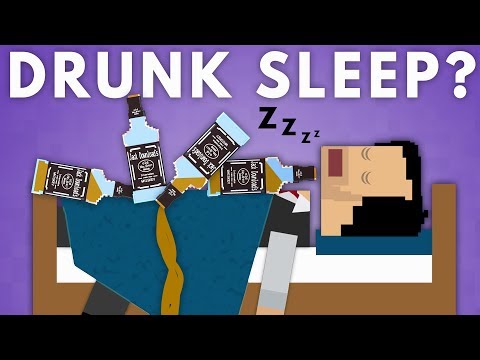
Angel Hsu posted on 2019/09/11Ever wondered what happens to your body when you hit the hay after a few too many? This animated explainer dives deep into the science of alcohol and sleep, revealing how it messes with your natural rhythms and what that means for your health. You'll pick up some advanced vocabulary related to sleep science and alcohol use, making it a practical watch for understanding daily health choices!
Learn this video on the APP!
The VoiceTube App has more in-depth practice for videos!