
addict
US /əˈdɪkt/
UK /ˈædɪkt/
- Noun
- Person who can’t control their overuse of a thing
B1Moreassault
US /əˈsɔlt/
UK /əˈsɔ:lt/
- Transitive Verb
- To attack someone physically or emotionally
- Noun
- An attack on someone physically or emotionally
B1Moreauthor
US /ˈɔθɚ/
UK /'ɔ:θə(r)/
- Noun (Countable/Uncountable)
- Person who writes books, plays, poems etc.
- Transitive Verb
- To write book or articles
B1Morecitizen
US /ˈsɪtɪzən/
UK /'sɪtɪzn/
- Noun (Countable/Uncountable)
- Person who belongs to and has rights in a country
- A person who is a member of a community.
B1Moreclaim
US /klem/
UK /kleɪm/
- Noun (Countable/Uncountable)
- To say that something is true, often without proof.
- A statement that something is true.
- Transitive Verb
- To demand or ask for something that you believe is rightfully yours.
- To take or cause the loss of (e.g., a life, property).
A2Morecommunity
US /kəˈmjunɪti/
UK /kə'mju:nətɪ/
- Noun (Countable/Uncountable)
- Group of people who share a common idea or area
- A feeling of fellowship with others, as a result of sharing common attitudes, interests, and goals.
- Adjective
- Relating to or shared by the people in a particular area.
- Shared or participated in by all members of a group
A2Moreconfront
US /kənˈfrʌnt/
UK /kən'frʌnt/
- Transitive Verb
- To make someone, e.g. who has lied, face the truth
- (Of problem) to face someone who must deal with it
B1Morecontrary
US /ˈkɑnˌtrɛri/
UK /'kɒntrərɪ/
- Adjective
- (Of weather) difficult; likely to cause trouble
- Going against authority, a parent, or the rules
- Adverb
- In opposition to.
B1Morecontrary to
US /ˈkɑnˌtrɛri tu/
UK /ˈkɔntrəri tu:/
- Preposition
- In opposition to; against.
- Differing from; not in agreement with.
A1Morecut and run
US
UK
- Intransitive Verb
- To leave suddenly to avoid trouble or an unpleasant situation.
A1Moredebate
US / dɪˈbet/
UK /dɪ'beɪt/
- Noun (Countable/Uncountable)
- General public discussion of a topic
- A formal event where two sides discuss a topic
- Verb (Transitive/Intransitive)
- To consider options before making a decision
- To take part in a formal discussion
A2TOEICMoredeductible
US
UK
- Adjective
- Acceptable as a deduction (from tax that is due)
B2Moreengage
US /ɪn'gedʒ/
UK /ɪn'ɡeɪdʒ/
- Transitive Verb
- To start to fight with an enemy
- To hire someone for a task or job
A2TOEICMoreengage in
US /ɪn'gedʒ ɪn/
UK /ɪnˈɡeɪdʒ in/
- Phrasal Verb
- To participate or become involved in something.
B1Moreexistence
US /ɪɡˈzɪstəns/
UK /ɪɡ'zɪstəns/
- Uncountable Noun
- State of being present, alive or real
- A way of living; the manner in which someone lives.
A2TOEICMoreexpletive
US /ˈeksplətɪv/
UK /ɪkˈspli:tɪv/
- Noun
- Rude expression, usually of surprise or anger
C2Moreexploit
US /ɪkˈsplɔɪt/
UK /ɪk'splɔɪt/
- Transitive Verb
- To selfishly take advantage of or treat badly
- To use something in a very effective manner
- Noun (Countable/Uncountable)
- Personal journey or series of events
- A bold or daring feat.
B1TOEICMoreforum
US /ˈfɔrəm/
UK /'fɔ:rəm/
- Noun
- Meeting where people can openly discuss a subject
B1Morefrightening
US
UK
- Transitive Verb
- To make someone afraid or nervous
- Adjective
- Being scary
A2Morefundamental
US /ˌfʌndəˈmɛntl/
UK /ˌfʌndəˈmentl/
- Adjective
- Forming a necessary part, base, or core
- Of central importance.
- Noun (Countable/Uncountable)
- A basic part of something
- (Music) the lowest note in a harmony
A2TOEICMorego away
US /ɡo əˈwe/
UK /ɡəu əˈwei/
- Phrasal Verb
- To go on vacation
- To leave; depart.
A1Morehalt
US /hɔlt/
UK /hɔ:lt/
- Verb (Transitive/Intransitive)
- To stop, or cause something, e.g. a car, to stop
- Noun
- A temporary or final stop.
B1TOEICMorehostile
US /ˈhɑstəl, -ˌtaɪl/
UK /ˈhɔstail/
- Adjective
- Unwelcoming; showing ill will, as to an enemy
- Very difficult to live due to harsh conditions
B1Morein danger
US /ɪn ˈdendʒɚ/
UK /in ˈdeindʒə/
- Phrase
- Exposed to the risk of harm, injury, or loss.
- At risk of experiencing something negative or harmful.
A1Morein fact
US /ɪn fækt/
UK /in fækt/
- Adverb
- Used to emphasize the truth of a statement, especially one that contrasts with or contradicts something else.
- Used to introduce a more detailed or surprising piece of information.
- Phrase
- Used to emphasize the truth of a statement, especially one that is surprising or contrary to what might be expected.
C1Morein hell
US
UK
- Phrase
- In a very bad or unpleasant situation
- In the place or state of punishment of the wicked after death
B2Moreinsurance
US /ɪnˈʃʊrəns/
UK /ɪnˈʃʊərəns/
- Uncountable Noun
- Protection against loss/injury/death you pay for
A2TOEICMorejudge
US /dʒʌdʒ/
UK /dʒʌdʒ/
- Noun (Countable/Uncountable)
- Person who decides on the results of a contest
- Person who has the power to make a decision
- Verb (Transitive/Intransitive)
- To reach a decision about who won a contest
- To form an opinion after careful consideration
A2TOEICMoremake up
US /mek ʌp/
UK /meik ʌp/
- Phrasal Verb
- To invent or create a story
- To add up to
- Verb (Transitive/Intransitive)
- To invent a story, excuse, etc.
- To compensate for something lost, missed, or deficient.
A1Moremob
US /mɑb/
UK /mɒb/
- Noun (Countable/Uncountable)
- A secret criminal organization
- Large collection of people that share an interest
- Verb (Transitive/Intransitive)
- To move close to (a star, etc.) in a large group
B2Morenuance
US /ˈnu:ɑ:ns/
UK /ˈnju:ɑ:ns/
- Noun
- Small, not obvious difference in meaning, etc.
B2TOEICMoreoffend
US /əˈfɛnd/
UK /ə'fend/
- Verb (Transitive/Intransitive)
- To break a rule or do something wrong
- To upset, as by hurting someone's feelings
B1Moreout of it
US /aʊt ʌv ɪt/
UK /aut ɔv it/
- Adjective
- Unconscious or not completely alert; dazed or confused.
- Not able to think clearly or react quickly; not with it.
A1Morepreviously
US /ˈprivɪəslɪ/
UK /'pri:vɪəslɪ/
- Adverb
- At an earlier time
- In the past; formerly.
B1TOEICMoreprogress
US /ˈprɑɡˌrɛs, -rəs, ˈproˌɡrɛs/
UK /'prəʊɡres/
- Verb (Transitive/Intransitive)
- To move forward or toward a place or goal
- To make progress; develop or improve.
- Uncountable Noun
- Act of moving forward
- The process of improving or developing something over a period of time.
A2TOEICMoreprovoke
US /prəˈvoʊk/
UK /prəˈvəʊk/
- Transitive Verb
- To deliberately annoy to make someone aggressive
B2TOEICMorerepeatedly
US /rɪ'pi:tɪdlɪ/
UK /rɪ'pi:tɪdlɪ/
- Adverb
- (Said, done) many times; over and over
B2Morerighteous
US /ˈraɪtʃəs/
UK /ˈraɪtʃəs/
- Adjective
- Regarding what you think is right
- Regarding what you think is right
B2Moreroast
US /roʊst/
UK /rəʊst/
- Transitive Verb
- To strongly criticize often in a teasing manner
- To cook food in an oven or over a fire
- Noun (Countable/Uncountable)
- A joint of meat cooked in an oven
B1Morerot
US /rɑ:t/
UK /rɒt/
- Intransitive Verb
- To break down into pieces through dying; decay
- Uncountable Noun
- The process or state of decaying or rotting.
- Foolish or nonsensical talk or ideas.
B2Morescum
US /skʌm/
UK /skʌm/
- Uncountable Noun
- Layer of unpleasant stuff forming on top of liquid
- Noun (Countable/Uncountable)
- Person of very poor character, who is despised
- A person considered unpopular or low-life
B2Moresecure
US /sɪˈkjʊr/
UK /sɪ'kjʊə(r)/
- Transitive Verb
- To get or achieve something with certainty
- To firmly attach something to something else
- Adjective
- Being attached to something tightly and surely
- (Place that is) locked, guarded and safe
A2TOEICMoresensitive
US /ˈsɛnsɪtɪv/
UK /'sensətɪv/
- Adjective
- Taking offense easily; easily upset or hurt
- (Private information) needing careful treatment
A2TOEICMoresteer
US /stɪr/
UK /stɪə(r)/
- Countable Noun
- A cow
- Transitive Verb
- To control the direction in which something moves
B1Morestrike
US /straɪk/
UK /straɪk/
- Transitive Verb
- To hit something
- To remove or erase.
- Noun (Countable/Uncountable)
- A punch or hit
- Fact of not hitting the ball when playing baseball
A2TOEICMoretale
US /tel/
UK /teɪl/
- Countable Noun
- Story that is not true
- Story about colorful and imaginary events
A2Moretantrum
US /ˈtæntrəm/
UK /ˈtæntrəm/
- Noun
- Uncontrollable fit of temper or anger
C1Morethink out
US
UK
- Phrasal Verb
- To consider carefully so all points are covered
A1Morethreat to
US
UK
- Phrase
- A person or thing likely to cause damage or danger.
- A statement of an intention to inflict pain, injury, damage, or other hostile action on someone in retribution for or opposition to something done or not done.
B2Moretoddler
US /ˈtɑdlɚ/
UK /ˈtɒdlə(r)/
- Countable Noun
- Young child learning to walk
C2Moretolerance
US /ˈtɑ:lərəns/
UK /ˈtɒlərəns/
- Uncountable Noun
- Ability to adjust to changes, your environment etc.
- The space between metal objects e.g. in engines
B1Moreturned out
US
UK
- Phrasal Verb
- To arrive for a public event or entertainment
- To happen to be in the end
- Transitive Verb
- To extinguish or switch off lights.
A1Morevile
US /vaɪl/
UK /vaɪl/
- Adjective
- Being very bad or unpleasant; disgusting
C1Morevirtual
US /ˈvɚtʃuəl/
UK /ˈvɜ:tʃuəl/
- Adjective
- Existing only on the internet or on a computer
- Existing only in a digital world
B1TOEICMorewhole point
US
UK
- Phrase
- The main purpose or most important aspect of something.
- The primary reason or objective.
A2Morewholesale
US /ˈholˌsel/
UK /'həʊlseɪl/
- Adjective
- Concerning the selling of goods in large amounts
B2Morewithout question
US
UK
- Phrase
- Undoubtedly; certainly; definitely.
- In a manner indicating full acceptance or obedience.
A2More
Vocabulary
- think out: To consider carefully so all points are covered
- without question: Undoubtedly; certainly; definitely.
- turned out: To arrive for a public event or entertainment
- threat to: A person or thing likely to cause damage or danger.
- in danger: Exposed to the risk of harm, injury, or loss.
- cut and run: To leave suddenly to avoid trouble or an unpleasant situation.
- make up: To invent or create a story
- in fact: Used to emphasize the truth of a statement, especially one that contrasts with or contradicts something else.
- go away: To go on vacation
- whole point: The main purpose or most important aspect of something.
- in hell: In a very bad or unpleasant situation
- engage in: To participate or become involved in something.
- contrary to: In opposition to; against.
- out of it: Unconscious or not completely alert; dazed or confused.
- engage: To start to fight with an enemy
- debate: General public discussion of a topic
- progress: To move forward or toward a place or goal
- community: Group of people who share a common idea or area
- strike: To hit something
- claim: To say that something is true, often without proof.
- fundamental: Forming a necessary part, base, or core
- existence: State of being present, alive or real
- exploit: To selfishly take advantage of or treat badly
- sensitive: Taking offense easily; easily upset or hurt
- confront: To make someone, e.g. who has lied, face the truth
- virtual: Existing only on the internet or on a computer
- judge: Person who decides on the results of a contest
- contrary: (Of weather) difficult; likely to cause trouble
- behavior: The way a person or thing acts; manner
- secure: To get or achieve something with certainty
- steer: A cow
- insurance: Protection against loss/injury/death you pay for
- assault: To attack someone physically or emotionally
- halt: To stop, or cause something, e.g. a car, to stop
- click: To work well with someone or something
- suggest: To mention something that could be done; propose
- nuance: Small, not obvious difference in meaning, etc.
- tale: Story that is not true
- frightening: To make someone afraid or nervous
- hostile: Unwelcoming; showing ill will, as to an enemy
- author: Person who writes books, plays, poems etc.
- toddler: Young child learning to walk
- previously: At an earlier time
- forum: Meeting where people can openly discuss a subject
- roast: To strongly criticize often in a teasing manner
- tolerance: Ability to adjust to changes, your environment etc.
- offer: Price you say you are willing to pay for something
- storm: To act violently or angrily
- staff: Employees of a company
- public: Owned by the government
- addict: Person who can’t control their overuse of a thing
- citizen: Person who belongs to and has rights in a country
- provoke: To deliberately annoy to make someone aggressive
- offend: To break a rule or do something wrong
- own: To have something as your property
- bring: To take or go with someone to a place
- rot: To break down into pieces through dying; decay
- question: To ask for or try to get information
- business: A company formed for making profit
- grow: To get bigger and more mature; make plants do this
- repeatedly: (Said, done) many times; over and over
- tantrum: Uncontrollable fit of temper or anger
- mob: A secret criminal organization
- dangerous: Involving the chance of hurt or damage; risky
- live: To be alive
- lose: To be unable to keep in check or control something
- scum: Layer of unpleasant stuff forming on top of liquid
- righteous: Regarding what you think is right
- wholesale: Concerning the selling of goods in large amounts
- vile: Being very bad or unpleasant; disgusting
- deductible: Acceptable as a deduction (from tax that is due)
- expletive: Rude expression, usually of surprise or anger
Get the full experience in the app
Learn anywhere with detailed sentence and usage analysis
01:03
She took a brave step forward, leaving behind her comfort zone to chase her dreams.
Vocabulary
- brave
adj. Having courage
- comfort zone
phr. A familiar situation where one feels safe
Explanation
a brave step is a noun phrase, where brave is an adjective modifying the noun step, meaning "a courageous step".
forward is an adverb modifying step, meaning "ahead".
The whole phrase serves as the object, answering the "what" of took (verb) — she took a brave step forward.
Get the full experience in the app
Look up words anytime with pronunciation, part of speech, and usage
brave
US/brev/
UK/breɪv/
adj.Brave
v.t.To bravely face
A2 Elementary
Get the full experience in the app
Practice speaking anytime and get instant pronunciation feedback
Try this speaking exercise.
Try practicing with this sentence.
80
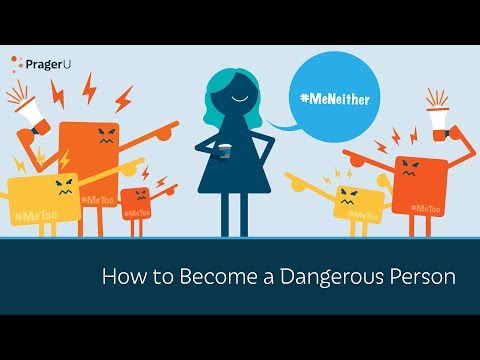
How to Become a Dangerous Person
0
Mackenzie posted on 2019/07/25Ever wondered how to navigate the tricky waters of free speech and cancel culture? This video dives into personal stories and cultural debates, like the MeToo movement, giving you a chance to pick up on simple sentence structures and gain cultural knowledge. It's a fantastic way to understand these hot topics while boosting your English!
Learn this video on the APP!
The VoiceTube App has more in-depth practice for videos!