expletive
US /ˈeksplətɪv/
・UK /ɪkˈspli:tɪv/
C2
n.NounRude expression, usually of surprise or anger
Don't ever utter an expletive in front of your superiors
Video subtitles
Work on YOURSELF - Oprah Winfrey (@Oprah) - #Entspresso

- - Those mother(expletive) never grow anyway, right,
- Those mother(expletive) never grow anyway, right,
- and he goes, "Yeah, (expletive) up at the end though,
and he goes, "Yeah, (expletive) up at the end though,
How Politics Can Drive Us Mad
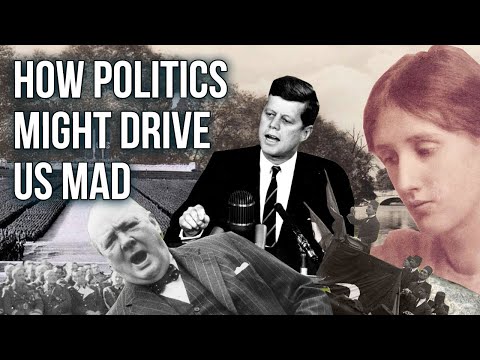
- It's a measure of how much we generally manage to keep political events separate from our internal functioning that it sounds unusual, and possibly eccentric, to speak of such political events as having any power to drive us mad. Of course, we may sometimes sigh at our screens and let out an expletive or two at a given situation in the company of a friend, but somehow madness, that truly extreme state in which we lose a grip on the functioning of our minds, in which we can no longer contain our anxieties or retain perspective, feels exaggerated in relation to political events that don't personally touch us, when no bomb is directly falling on us and no tyrant is explicitly sending us to prison. We associate sanity with not going mad, even when the world does appear, some miles away from us, in its own way, to have gone a little bit mad. But if things are pressing on us with particular force, perhaps more than is generally held to be legitimate, we might turn to the example of the writer Virginia Woolf, one of the most sensitive humans ever to have lived, who did, it seems, lose control of her mind – and eventually of her life – over the rise of fascism in Germany and the outbreak of the Second World War. Virginia Woolf had not been mentally well for a long time. She had been sexually abused by her half-brothers from the age of six until adolescence. She had lost her mother at the age of 13, her beloved half-sister at 15 and her father at 22. It is no wonder that the world didn't feel quite safe, that she was often terrified, that she internalised what was done to her by imagining herself a terrible person, and that she had great difficulty trusting that anyone could be kind, reliable or properly on her side. At the same time, her challenges gave her an enormous appetite for beauty, gentleness, friendship, literature and compassion and sympathy. She held on extra tightly to what felt good outside to make up for all that was frightened and hurt inside. It is this faith that Hitler, a stranger living far away in another land, destroyed for Virginia Woolf. His aggression, his hate-filled and untruthful speeches, his control over the minds of Germans wore away at Woolf's trust in everything. He seemed to paint the world black and remove the hope that she had always already found in short supply. His cruelty echoed too much that had been cruel in her life. The invasion of Poland and then France and all of Western Europe, the beginning of the Blitz and U-Boat campaigns chiselled away at the foundations of Virginia Woolf's belief in reasoned and principled behaviour. The world had lost its way and Woolf could not prevent herself from following suit. She tried very hard to stop the fears, the voices, the anger and distress, but despite the love of her husband, the safeguards gradually fell away. On 28 March 1941, following a particularly senseless and destructive German air raid on London, Virginia Woolf filled her coat pockets with stones and walked into the River
It's a measure of how much we generally manage to keep political events separate from our internal functioning that it sounds unusual, and possibly eccentric, to speak of such political events as having any power to drive us mad. Of course, we may sometimes sigh at our screens and let out an expletive or two at a given situation in the company of a friend, but somehow madness, that truly extreme state in which we lose a grip on the functioning of our minds, in which we can no longer contain our anxieties or retain perspective, feels exaggerated in relation to political events that don't personally touch us, when no bomb is directly falling on us and no tyrant is explicitly sending us to prison. We associate sanity with not going mad, even when the world does appear, some miles away from us, in its own way, to have gone a little bit mad. But if things are pressing on us with particular force, perhaps more than is generally held to be legitimate, we might turn to the example of the writer Virginia Woolf, one of the most sensitive humans ever to have lived, who did, it seems, lose control of her mind – and eventually of her life – over the rise of fascism in Germany and the outbreak of the Second World War. Virginia Woolf had not been mentally well for a long time. She had been sexually abused by her half-brothers from the age of six until adolescence. She had lost her mother at the age of 13, her beloved half-sister at 15 and her father at 22. It is no wonder that the world didn't feel quite safe, that she was often terrified, that she internalised what was done to her by imagining herself a terrible person, and that she had great difficulty trusting that anyone could be kind, reliable or properly on her side. At the same time, her challenges gave her an enormous appetite for beauty, gentleness, friendship, literature and compassion and sympathy. She held on extra tightly to what felt good outside to make up for all that was frightened and hurt inside. It is this faith that Hitler, a stranger living far away in another land, destroyed for Virginia Woolf. His aggression, his hate-filled and untruthful speeches, his control over the minds of Germans wore away at Woolf's trust in everything. He seemed to paint the world black and remove the hope that she had always already found in short supply. His cruelty echoed too much that had been cruel in her life. The invasion of Poland and then France and all of Western Europe, the beginning of the Blitz and U-Boat campaigns chiselled away at the foundations of Virginia Woolf's belief in reasoned and principled behaviour. The world had lost its way and Woolf could not prevent herself from following suit. She tried very hard to stop the fears, the voices, the anger and distress, but despite the love of her husband, the safeguards gradually fell away. On 28 March 1941, following a particularly senseless and destructive German air raid on London, Virginia Woolf filled her coat pockets with stones and walked into the River
- It's a measure of how much we generally manage to keep political events separate from our internal functioning that it sounds unusual and possibly eccentric to speak of such political events as having any power to "drive us mad." Of course, we may sometimes sire at our screens or let out an expletive or two at a given situation in the company of a friend, but
It's a measure of how much we generally manage to keep political events separate from our internal functioning that it sounds unusual and possibly eccentric to speak of such political events as having any power to "drive us mad." Of course, we may sometimes sire at our screens or let out an expletive or two at a given situation in the company of a friend, but
Five Beer Styles You Need To Know | Craft Beer Boys | Jamie Oliver's Drinks Tube

- very, very tasty... as is this. And what, I gotta say is America *expletive* yeah.
very, very tasty... as is this. And what, I gotta say is America *expletive* yeah.
The YouTube Interview with Katy Perry

- expletive bleep bleep bleep.
expletive bleep bleep bleep.
Peripheral Nervous System: Crash Course A&P #12

- and then your brain eventually interpreted that awareness into the perception of pain and decided to pull the tack out and probably say an expletive or two.
and then your brain eventually interpreted that awareness into the perception of pain and decided to pull the tack out and probably say an expletive or two.
- awareness into the perception of pain, and decided to pull the tack out and probably say an expletive or two.
awareness into the perception of pain, and decided to pull the tack out and probably say an expletive or two.
Top 10 Mistakes Left In Rock Songs

- The guitarist messes up the opening chords a couple of times, uttering out an expletive before finally kicking off the song in earnest.
The guitarist messes up the opening chords a couple of times, uttering out an expletive before finally kicking off the song in earnest.
- The guitarist messes up the opening chords a couple of times, uttering out an expletive before finally kicking off the song in earnest.
The guitarist messes up the opening chords a couple of times, uttering out an expletive before finally kicking off the song in earnest.
7 things to say if you make a mistake
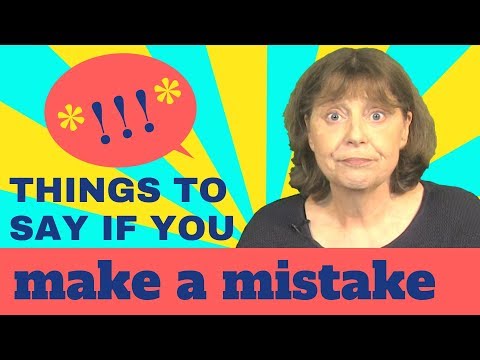
- Well the first thing we say is often an expletive.
Well the first thing we say is often an expletive.
- Well the first thing we say is often an expletive.
Well the first thing we say is often an expletive.
Epstein files tied to Trump sexual assault allegations released

- She alleges that he asked everyone to leave the room and quote "mentioned something to the effect of quote 'Let's teach you how little girls are supposed to be,'" and then describes an encounter where he pushes her head down to his penis and then told agents she bit Trump, who then allegedly struck her and said something like, "Get this little expletive the hell out of here." Now, in her third interview, she allegedly said that she was receiving threatening calls.
She alleges that he asked everyone to leave the room and quote "mentioned something to the effect of quote 'Let's teach you how little girls are supposed to be,'" and then describes an encounter where he pushes her head down to his penis and then told agents she bit Trump, who then allegedly struck her and said something like, "Get this little expletive the hell out of here." Now, in her third interview, she allegedly said that she was receiving threatening calls.
- then describes an encounter where he pushes her head down to his penis and then told agents she bit Trump, who then allegedly struck her and said something like, get this little expletive the hell out of here.
then describes an encounter where he pushes her head down to his penis and then told agents she bit Trump, who then allegedly struck her and said something like, get this little expletive the hell out of here.
20 Times Hated Celebrities Were Publicly HUMILIATED

- Harmon proceeded to play a private, expletive filled voicemail Chase had left him.
Harmon proceeded to play a private, expletive filled voicemail Chase had left him.
- During a live comedy show at Largo in Los Angeles, Harmon proceeded to play a private, expletive-filled voicemail Chase had left him.
During a live comedy show at Largo in Los Angeles, Harmon proceeded to play a private, expletive-filled voicemail Chase had left him.
Trump threatens Iranian infrastructure over Strait of Hormuz | BBC News

- "Open the" — and this is where President Trump uses an expletive —
"Open the" — and this is where President Trump uses an expletive —
- Open the and this is where President Trump uses an expletive: "Strait, you crazy bastards," or "You'll be living in hell.
Open the and this is where President Trump uses an expletive: "Strait, you crazy bastards," or "You'll be living in hell.