
a coordinated assault
US
UK
- Phrase
- A planned and organized attack involving multiple elements working together.
C2Moreadministration
US / ædˌmɪnɪˈstreʃən/
UK /ədˌmɪnɪˈstreɪʃn/
- Uncountable Noun
- Act of giving e.g. medicine to a patient
- The work of running something, e.g. a business
B1TOEICMoreagency
US /ˈedʒənsi/
UK /'eɪdʒənsɪ/
- Noun (Countable/Uncountable)
- Business that provides some service for others
B1TOEICMoreapplause
US /əˈplɔz/
UK /ə'plɔ:z/
- Noun (Countable/Uncountable)
- The sound made by clapping a performance or speech
B1Morearound the world
US /əˈraʊnd ði wɜrld/
UK /əˈraund ðə wɜː(r)ld/
- Phrase
- In or to many countries.
- In various places throughout the world.
A2Moreas long as
US /æz lɔŋ æz/
UK /æz lɔŋ æz/
- Conjunction
- For the period that; provided that.
- For the length of time that
- Preposition
- On the condition that; providing that.
- Having the same length as.
A1Moreas we know it
US /əz wi no ɪt/
UK /əz wi nəu ɪt/
- other
- In the form or way commonly understood or accepted.
B2Moreat home
US /æt hom/
UK /æt həum/
- Phrase
- In one's own residence or country.
- Adjective
- Feeling comfortable and relaxed.
at least
US /æt list/
UK /æt li:st/
- Adverb
- As a minimum
- Not less than
- Phrase
- No less than; at the minimum
- Used to indicate that something is positive in a bad situation.
C2Moreat stake
US /æt stek/
UK /æt steik/
- Phrase
- At risk; that can be lost if something is not successful
- In question; depending on what happens
- Adjective
- At risk; that can be lost if something is not successful.
A1Moreat the same time
US
UK
- Phrase
- Simultaneously; at the identical moment.
- Nevertheless; however; used to introduce a contrasting or qualifying statement.
A1Moreatmosphere
US /ˈætməˌsfɪr/
UK /'ætməsfɪə(r)/
- Noun (Countable/Uncountable)
- Air around us
- Feeling or mood of a place
A2Morebased on
US
UK
- Phrasal Verb
- To use something as the foundation or starting point for something else.
- Preposition
- Using something as the main idea or foundation.
- Relying on something as evidence or justification.
A1Morebuild on
US /bɪld ɑn/
UK /bild ɔn/
- Phrasal Verb
- To develop or expand something; to use something as a foundation for further progress.
- To use something as a base or foundation for further development or success.
A2Moreby example
US
UK
- Phrase
- Through demonstration or serving as a model.
- Through one's own behavior and actions, rather than just words.
A2Morecarbon
US /ˈkɑrbən/
UK /'kɑ:bən/
- Uncountable Noun
- Chemical element with an atomic number of 6
B1Morecatch up
US /kætʃ ʌp/
UK /kætʃ ʌp/
- Phrasal Verb
- To become equal with another person
- To inform others of the latest news
- Verb (Transitive/Intransitive)
- To do something that you have not been able to do recently.
- To meet someone you know in order to talk to them and find out what they have been doing.
A1Morechallenge
US /ˈtʃæləndʒ/
UK /'tʃælɪndʒ/
- Noun (Countable/Uncountable)
- An activity you wish to try that may be hard to do
- Act of formally inviting someone to compete
- Transitive Verb
- To formally invite someone to compete at something
- To question the correctness of something
A2Moreclimate
US /ˈklaɪmɪt/
UK /ˈklaɪmət/
- Noun (Countable/Uncountable)
- Typical weather conditions in a particular place
- The general attitudes, feelings, or opinions that people have at a particular time.
A2Morecome together
US /kʌm təˈɡɛðɚ/
UK /kʌm təˈɡeðə/
- Phrasal Verb
- To assemble or unite; to start working together.
- To form a close relationship or bond.
A1Morecome up with
US /kʌm ʌp wɪð/
UK /kʌm ʌp wið/
- Phrasal Verb
- To think of an idea or solution; produce
A1Morecongress
US /ˈkɑŋɡrɪs/
UK /'kɒŋɡres/
- Noun (Countable/Uncountable)
- Meeting of elected or appointed representatives
- Proper Noun
- American governing body of elected representatives
B1Morecritical to
US
UK
- Adjective
- Extremely important or essential.
- Of decisive importance with reference to the outcome of something; vital.
B2Moredeal with
US /dil wɪð/
UK /di:l wið/
- Verb (Transitive/Intransitive)
- To buy or sell goods or services.
- Phrasal Verb
- To take action to solve a problem or manage a situation.
- To be about; concern.
A1Moredecade
US /ˈdɛkˌed, dɛˈked/
UK /ˈdekeɪd/
- Countable Noun
- Period of 10 years
B1TOEICMoredevelopment
US /dɪˈvɛləpmənt/
UK /dɪ'veləpmənt/
- Noun (Countable/Uncountable)
- Act or process of growing bigger or more advanced
- A new event related to a previous event
A2TOEICMoredirect
US /dɪˈrɛkt, daɪ-/
UK /də'rekt/
- Transitive Verb
- To tell someone in a very clear way to do something
- To show the way by conducting or leading
- Adverb
- Coming straight from something
A2TOEICMoreenergy
US /ˈɛnədʒi/
UK /'enədʒɪ/
- Noun (Countable/Uncountable)
- Physical or mental strength
- Enthusiasm and determination.
A2Morefederal
US /ˈfɛdərəl, ˈfɛdrəl/
UK /'fedərəl/
- Adjective
- Consisting of several united states
- Relating to a system of government in which power is divided between a central authority and constituent political units.
- Proper Noun
- The central banking system of the United States.
B1Morefigure out
US /ˈfɪɡjɚ aʊt/
UK /ˈfiɡə aut/
- Phrasal Verb
- To understand the behavior of someone
- To think through logically to find a solution
- Verb (Transitive/Intransitive)
- To understand or find an answer to something.
- To find a solution to a problem or understand something.
A1Morefill up
US /fɪl ʌp/
UK /fil ʌp/
- Phrase
- Verb (Transitive/Intransitive)
- To make something full.
- To become full.
A1Morefor example
US
UK
- Phrase
- As an illustration or instance.
for free
US /fɔr fri/
UK /fɔ: fri:/
- Phrase
- Without charge; at no cost.
- Adjective
- Available without payment.
A2Morefor the sake of
US /fɔr ði sek ʌv/
UK /fɔ: ðə seik ɔv/
- Phrase
- For the purpose of; in the interest of.
A1Morefuel
US /ˈfjuəl/
UK /'fju:əl/
- Transitive Verb
- To give power to (a mob, anger, etc.); incite
- To provide gas or petrol for something
- Uncountable Noun
- Material used to produce heat or power when burned
A2TOEICMoregallon
US /ˈɡælən/
UK /ˈgælən/
- Noun (Countable/Uncountable)
- Unit of liquid equal to 4 US quarts (3.785 liters)
B1Moregenerate
US /ˈdʒɛnəˌret/
UK /ˈdʒenəreɪt/
- Transitive Verb
- To create or be produced or bring into existence
- To create electricity, heat, energy and power
A2TOEICMoregeneration
US /ˌdʒɛnəˈreʃən/
UK /ˌdʒenəˈreɪʃn/
- Noun (Countable/Uncountable)
- Act or process of producing or causing something
- People born and living at about the same time
A2TOEICMoregive up
US /ɡɪv ʌp/
UK /ɡiv ʌp/
- Phrasal Verb
- To lose hope or admit defeat
- To decide to not start to try solving a problem
- Verb Phrase
- to surrender an item; hand over an item
A1Morego back to
US /ɡo bæk tu/
UK /ɡəu bæk tu:/
- Phrasal Verb
- To return to a starting point
A1Morego beyond
US /ɡo biˈɑnd/
UK /ɡəu biˈjɔnd/
- Phrasal Verb
- To do more than planned or expected; exceed
A1Moregoal
US /ɡol/
UK /ɡəʊl/
- Noun (Countable/Uncountable)
- Something you try to do or achieve; an aim
- (Sports) net into which you put a ball to score
A2TOEICMoregot to
US /ɡɑt tu/
UK /gɔt tu:/
- Verb (Transitive/Intransitive)
- To arrive at some place
- To have the opportunity or permission to do something
- Phrasal Verb
- To appeal to the emotions of; move
- To finally begin to start something after a delay
A1Moregreenhouse
US /ˈɡrinˌhaʊs/
UK /'ɡri:nhaʊs/
- Adjective
- Greenhouse gas that makes the Earth get warmer
- Countable Noun
- Glass building used for growing plants
B1TOEICMorehave to
US /hæv tu/
UK /ˈhæv tə/
- Auxiliary Verb
- Must do
A1Morehead up
US /hɛd ʌp/
UK /hed ʌp/
- Phrasal Verb
- To lead or manage a team, project, or organization.
A1Morein fact
US /ɪn fækt/
UK /in fækt/
- Adverb
- Used to emphasize the truth of a statement, especially one that contrasts with or contradicts something else.
- Used to introduce a more detailed or surprising piece of information.
- Phrase
- Used to emphasize the truth of a statement, especially one that is surprising or contrary to what might be expected.
C1Morein on
US
UK
- Phrase
- To be involved in a secret or plan.
- To be aware of something that is secret or not generally known.
A1Morein power
US /ɪn ˈpaʊɚ/
UK /in ˈpauə/
- Adjective
- Having control of a country or organization.
- Phrase
- During a period of holding authority or control.
B1Morein private
US /ɪn ˈpraɪvɪt/
UK /in ˈpraivit/
- Phrase
- Not in public; in a place where other people cannot see or hear you
- In a confidential manner; not intended for general knowledge
B1Morein the air
US
UK
- Phrase
- Present or circulating in the atmosphere.
- Felt or sensed by many people; circulating as a rumor or feeling.
- Adjective
- Being broadcast on radio or television.
A1Morein the house
US
UK
- Phrase
- Located inside a building used as a dwelling.
- Within a legislative body, such as a parliament or congress.
A1Morein the meantime
US /ɪn ði ˈminˌtaɪm/
UK /in ðə ˈmi:ntaim/
- Phrase
- During the time between two events; meanwhile.
A1Morein the past
US
UK
- Phrase
- During a former period of time; previously.
A1Morein the world
US /ɪn ði wɜrld/
UK /in ðə wɜː(r)ld/
- Phrase
- Used to emphasize a question expressing surprise, confusion, disbelief
- Used to indicate the extent or degree of something, often in a superlative sense
A1Morein times
US
UK
- Phrase
- During periods or moments of.
- During a particular era or period in history.
A1Morein ways
US
UK
- Phrase
- In a manner or by methods that.
- In certain respects or aspects.
A1Moreinstead of
US /ɪnˈstɛd ʌv/
UK /inˈsted ɔv/
- Preposition
- When one thing is replaced by another
- Adverb
- As a substitute or alternative.
A1Moreissue
US /ˈɪʃu/
UK /'ɪʃu:/
- Transitive Verb
- To make something available to be used or sold
- To deliver a statement, etc. in an official manner
- Noun (Countable/Uncountable)
- Important topic discussed, debated or argued over
- Single edition of a magazine
A2TOEICMorejump through hoops
US /dʒʌmp θru hupz/
UK /dʒʌmp θru: hu:ps/
- other
- To do many difficult things to achieve a goal.
B2Morejust kind of
US
UK
- Phrase
- Used to express a feeling or state in a vague or hesitant way.
- Used to indicate something is approximately or generally similar to something else.
A2Morekeystone
US /ˈkiˌston/
UK /'ki:stəʊn/
- Noun
- Central building block at the top of an arch
C2Morekill off
US /kɪl ɔf/
UK /kil ɔf/
- Phrasal Verb
- To eliminate or destroy completely; to cause to die.
look after
US /lʊk ˈæftɚ/
UK /luk ˈɑ:ftə/
- Phrasal Verb
- To take care of someone or something
A1Morelook at
US /lʊk æt/
UK /luk æt/
- Phrasal Verb
- To use your eyes to focus on something
- To focus your eyes on something carefully
A1Morelook to
US
UK
- Phrasal Verb
- Be looking to. be planning to (do something)
- To expect someone to do something for you; rely on
A1Moremove beyond
US
UK
- Phrasal Verb
- To go past or exceed a limit, boundary, or set of expectations.
B2Moreon behalf of
US /ɑn bɪˈhæf ʌv/
UK /ɔn biˈhɑ:f ɔv/
- Phrase
- As the representative of someone
- Acting as a representative of.
B1Moreon earth
US /ɑn ɚθ/
UK /ɔn ə:θ/
- Phrase
- Used to emphasize a question expressing surprise or anger.
- Used to emphasize that something is not possible or will not happen.
A1Moreon record
US /ɑn rɪˈkɚd/
UK /ɔn riˈkɔ:d/
- Adverb
- Formally and publicly stated
- Adjective
- Officially documented or registered.
A1Moreon the line
US /ɑn ði laɪn/
UK /ɔn ðə lain/
- Phrase
- At risk; in a situation where something could be lost.
- Having a great deal of responsibility.
A1Moreon to
US /ɑn tu/
UK /ɔn tu:/
- Preposition
- Toward something; forward
- Aware of someone's activities.
- Adjective
- Aware of someone's deception or illegal activities.
A1Moreover the moon
US /ˈovɚ ði mun/
UK /ˈəuvə ðə mu:n/
- Phrase
A2Morephase down
US /fez daʊn/
UK /feiz daun/
- Phrasal Verb
- To gradually reduce or discontinue something over a period of time.
A1Morepipeline
US /ˈpaɪpˌlaɪn/
UK /ˈpaɪplaɪn/
- Noun
- Line of pipes used for carrying gases or liquids
- Transitive Verb
- To send through a series of pipes
B2Moreplanet
US /ˈplænɪt/
UK /'plænɪt/
- Noun (Countable/Uncountable)
- One of the bodies that orbit the sun
- A different world or sphere of existence.
- Proper Noun
- The earth.
A2Moreplug in
US /plʌɡ ɪn/
UK /plʌɡ in/
- Phrase
B1Morepollution
US /pəˈluʃən/
UK /pəˈlu:ʃn/
- Uncountable Noun
- Dangerous substances released into an environment
- The action of polluting; the state of being polluted.
B1TOEICMorepower on
US /ˈpaʊɚ ɑn/
UK /ˈpauə ɔn/
- Phrasal Verb
- To activate or switch on a device or machine.
B1Moreprofound
US /prəˈfaʊnd, pro-/
UK /prə'faʊnd/
- Adjective
- Requiring deep thought; difficult to understand
- Showing a lot of deep thought or understanding
B1Morepush back
US /pʊʃ bæk/
UK /puʃ bæk/
- Phrasal Verb
- To force someone to withdraw or retreat
- Verb (Transitive/Intransitive)
- To resist or oppose something.
- To move something to a later time or date; to postpone.
A1Morerecorded history
US
UK
- Uncountable Noun
- The period of time for which written records exist.
A2Morereduce
US /rɪˈdus, -ˈdjus/
UK /rɪ'dju:s/
- Verb (Transitive/Intransitive)
- To try to decrease, e.g. your weight if overweight
- To boil a liquid until it has decreased in amount
A2TOEICMorereduce the risk
US
UK
- Phrase
- To lessen the probability of something dangerous or harmful occurring.
A1Morerenewable
US /rɪˈnu:/
UK /rɪˈnju:əbl/
- Adjective
- Being able to be replaced naturally
- Noun
- A resource that can be used again many times
C1Morerepublican
US /rɪˈpʌblɪkən/
UK /rɪˈpʌblɪkən/
- Countable Noun
- Supporter of the conservative US political party
- Adjective
- Of a republic; not favoring a monarchy
B1Moreresponsibility
US /rɪˌspɑnsəˈbɪlɪti/
UK /rɪˌspɒnsə'bɪlətɪ/
- Noun (Countable/Uncountable)
- Job, task or thing you are expected to look after
- A thing to be done because it is morally correct
A2Moresame time
US
UK
- Phrase
- Occurring simultaneously or at the same point in time.
- At the identical time as before; recurring at a fixed hour.
- Noun
- An equal duration or period.
A1Moresenate
US /ˈsɛnɪt/
UK /'senət/
- Noun
- A board of governors at a college or university
B2Moreshow up
US /ʃo ʌp/
UK /ʃəu ʌp/
- Phrasal Verb
- To arrive or be seen at a place, e.g. a party
- To be noticeably better than (someone else)
A1Moresit in on
US
UK
- Phrasal Verb
- To attend a meeting, class, etc., as a visitor or observer.
A1Morespeak up for
US
UK
- Phrasal Verb
- To express support for someone or something, especially publicly.
A1Morespend money
US /spɛnd ˈmʌni/
UK /spend ˈmʌni/
- Phrase
- To use money to buy or pay for something.
A1Morestand up for
US /stænd ʌp fɔr/
UK /stænd ʌp fɔ:/
- Phrasal Verb
- To support someone or an idea, e.g. human rights
A1Moretake off
US /tek ɔf/
UK /teik ɔf/
- Phrasal Verb
- To remove, e.g. your clothes
- To make arrangements to be absent from work
- Verb (Transitive/Intransitive)
- To remove (an item of clothing).
- To depart; to leave.
A1Moretechnology
US /tɛkˈnɑlədʒi/
UK /tek'nɒlədʒɪ/
- Uncountable Noun
- Use or knowledge of science in industry etc.
- Machinery and equipment developed from scientific knowledge.
A2TOEICMorethanks to
US /θæŋks tu/
UK /θæŋks tu:/
- Preposition
- Because of; as a result of.
A1Morethe bottom line
US /ði ˈbɑtəm laɪn/
UK /ðə ˈbɔtəm lain/
- Noun
- The most important thing; the essential point.
- The net income or profit of a company.
A2Morethink about
US /θɪŋk əˈbaʊt/
UK /θiŋk əˈbaut/
- Phrasal Verb
- To consider something carefully.
- To remember or call to mind.
A1Morethink of
US /θɪŋk ʌv/
UK /θiŋk ɔv/
- Phrasal Verb
- To look on as (being something specific); consider
- To consider or remember something.
- Verb (Transitive/Intransitive)
- To imagine or call something to mind
A1Morethreat to
US
UK
- Phrase
- A person or thing likely to cause damage or danger.
- A statement of an intention to inflict pain, injury, damage, or other hostile action on someone in retribution for or opposition to something done or not done.
B2Moreto the moon
US /tu ðə mun/
UK /tu ðə mu:n/
- other
- Increasing quickly and significantly, often in value or excitement.
B2Moretrade in
US /treid ɪn/
UK /treid in/
- Phrasal Verb
- To give something as part of the payment for something else.
B1Moretransition
US /trænˈzɪʃən, -ˈsɪʃ-/
UK /trænˈzɪʃn/
- Noun
- Change from one state, movement, place to another
- Intransitive Verb
- To change state, movement, place, or subject
B1Moretrot out
US /trɑt aʊt/
UK /trɒt aʊt/
- other
- To bring forward an explanation or excuse, often repeatedly.
B2Moretruck in
US /trʌk ɪn/
UK /trʌk ɪn/
- other
- To bring goods or materials by truck to a location.
B2Moreused to
US /juzd tu/
UK /ˈju:st tə/
- Adjective
- Did regularly before, but don't do now
- Auxiliary Verb
- Have done before, but do not do now
A1Morewave in
US /weɪv ɪn/
UK /weɪv ɪn/
- other
- Signal or gesture for someone to enter a place.
B2Morewith it
US /wɪð ɪt/
UK /wið it/
- Adjective
- Intelligent, alert, and up-to-date.
- Understanding and knowledgeable about current trends or information.
A1Morewithstand
US /wɪθˈstænd, wɪð-/
UK /wɪðˈstænd/
- Verb (Transitive/Intransitive)
- To remain unaffected by something or someone
B1TOEICMore
Vocabulary
- have to: Must do
- got to: To arrive at some place
- on earth: Used to emphasize a question expressing surprise or anger.
- think about: To consider something carefully.
- for example: As an illustration or instance.
- look at: To use your eyes to focus on something
- around the world: In or to many countries.
- same time: Occurring simultaneously or at the same point in time.
- on record: Formally and publicly stated
- used to: Did regularly before, but don't do now
- in fact: Used to emphasize the truth of a statement, especially one that contrasts with or contradicts something else.
- figure out: To understand the behavior of someone
- threat to: A person or thing likely to cause damage or danger.
- look after: To take care of someone or something
- as long as: For the period that; provided that.
- at least: As a minimum
- deal with
- at stake: At risk; that can be lost if something is not successful
- take off: To remove, e.g. your clothes
- in the house: Located inside a building used as a dwelling.
- in ways: In a manner or by methods that.
- recorded history: The period of time for which written records exist.
- go back to: To return to a starting point
- go beyond: To do more than planned or expected; exceed
- at home: In one's own residence or country.
- wave in: Signal or gesture for someone to enter a place.
- with it: Intelligent, alert, and up-to-date.
- sit in on: To attend a meeting, class, etc., as a visitor or observer.
- in on: To be involved in a secret or plan.
- on to: Toward something; forward
- thanks to: Because of; as a result of.
- come up with: To think of an idea or solution; produce
- a coordinated assault: A planned and organized attack involving multiple elements working together.
- for free: Without charge; at no cost.
- for the sake of: For the purpose of; in the interest of.
- build on: To develop or expand something; to use something as a foundation for further progress.
- instead of: When one thing is replaced by another
- catch up: To become equal with another person
- as we know it: In the form or way commonly understood or accepted.
- in the air: Present or circulating in the atmosphere.
- give up: To lose hope or admit defeat
- just kind of: Used to express a feeling or state in a vague or hesitant way.
- kill off: To eliminate or destroy completely; to cause to die.
- in the world: Used to emphasize a question expressing surprise, confusion, disbelief
- plug in
- at the same time: Simultaneously; at the identical moment.
- trot out: To bring forward an explanation or excuse, often repeatedly.
- in the past: During a former period of time; previously.
- critical to: Extremely important or essential.
- the bottom line: The most important thing; the essential point.
- on the line: At risk; in a situation where something could be lost.
- power on: To activate or switch on a device or machine.
- fill up
- show up: To arrive or be seen at a place, e.g. a party
- by example: Through demonstration or serving as a model.
- think of: To look on as (being something specific); consider
- based on: To use something as the foundation or starting point for something else.
- in the meantime: During the time between two events; meanwhile.
- spend money: To use money to buy or pay for something.
- truck in: To bring goods or materials by truck to a location.
- reduce the risk: To lessen the probability of something dangerous or harmful occurring.
- look to: Be looking to. be planning to (do something)
- in times: During periods or moments of.
- in private: Not in public; in a place where other people cannot see or hear you
- trade in: To give something as part of the payment for something else.
- phase down: To gradually reduce or discontinue something over a period of time.
- come together: To assemble or unite; to start working together.
- head up: To lead or manage a team, project, or organization.
- jump through hoops: To do many difficult things to achieve a goal.
- move beyond: To go past or exceed a limit, boundary, or set of expectations.
- on behalf of: As the representative of someone
- push back: To force someone to withdraw or retreat
- speak up for: To express support for someone or something, especially publicly.
- stand up for: To support someone or an idea, e.g. human rights
- in power: Having control of a country or organization.
- to the moon: Increasing quickly and significantly, often in value or excitement.
- over the moon
- profound: Requiring deep thought; difficult to understand
- applause: The sound made by clapping a performance or speech
- climate: Typical weather conditions in a particular place
- atmosphere: Air around us
- environment: Natural world in which plants and animals live
- decade: Period of 10 years
- industry: Hard work; being busy working
- fuel: To give power to (a mob, anger, etc.); incite
- issue: To make something available to be used or sold
- state: Region within a country, with its own government
- direct: To tell someone in a very clear way to do something
- federal: Consisting of several united states
- private: Being away from others and quiet
- congress: Meeting of elected or appointed representatives
- generate: To create or be produced or bring into existence
- challenge: An activity you wish to try that may be hard to do
- planet: One of the bodies that orbit the sun
- administration: Act of giving e.g. medicine to a patient
- transition: Change from one state, movement, place to another
- generation: Act or process of producing or causing something
- rest: Time when one relaxes, sleeps, or is inactive
- lead: Wire for electricity, computer, etc.; cable
- withstand: To remain unaffected by something or someone
- agency: Business that provides some service for others
- record: Highest or most extreme level achieved
- economy: Using money, resources in a careful, effective way
- produce: Fresh foods such as fruits and vegetables
- reduce: To try to decrease, e.g. your weight if overweight
- responsibility: Job, task or thing you are expected to look after
- development: Act or process of growing bigger or more advanced
- goal: Something you try to do or achieve; an aim
- energy: Physical or mental strength
- carbon: Chemical element with an atomic number of 6
- technology: Use or knowledge of science in industry etc.
- storm: To act violently or angrily
- act: To behave in a certain way
- build: Your physical shape; physique
- natural: Being as one would expect; being usual or normal
- rise: To wake up and get out of bed after sleeping
- protect: To defend someone or something from harm or danger
- senate: A board of governors at a college or university
- pollution: Dangerous substances released into an environment
- renewable: Being able to be replaced naturally
- republican: Supporter of the conservative US political party
- greenhouse: Greenhouse gas that makes the Earth get warmer
- pipeline: Line of pipes used for carrying gases or liquids
- gallon: Unit of liquid equal to 4 US quarts (3.785 liters)
- keystone: Central building block at the top of an arch
Get the full experience in the app
Learn anywhere with detailed sentence and usage analysis
01:03
She took a brave step forward, leaving behind her comfort zone to chase her dreams.
Vocabulary
- brave
adj. Having courage
- comfort zone
phr. A familiar situation where one feels safe
Explanation
a brave step is a noun phrase, where brave is an adjective modifying the noun step, meaning "a courageous step".
forward is an adverb modifying step, meaning "ahead".
The whole phrase serves as the object, answering the "what" of took (verb) — she took a brave step forward.
Get the full experience in the app
Look up words anytime with pronunciation, part of speech, and usage
brave
US/brev/
UK/breɪv/
adj.Brave
v.t.To bravely face
A2 Elementary
Get the full experience in the app
Practice speaking anytime and get instant pronunciation feedback
Try this speaking exercise.
Try practicing with this sentence.
80
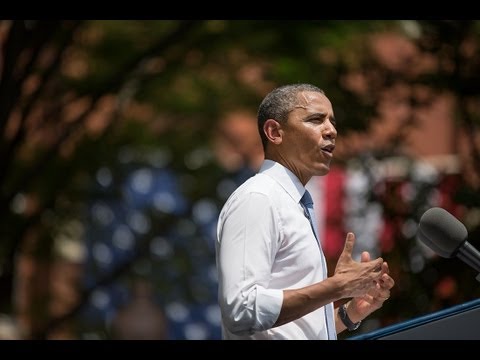
President Obama Speaks on Climate Change
0
Kevin Chen posted on 2019/06/10Ever wondered how to talk about climate action like a world leader? President Obama's powerful speech on climate change is your chance to dive into advanced vocabulary related to carbon pollution and policy. You'll gain cultural depth and master complex sentence structures while learning about this crucial topic!
Learn this video on the APP!
The VoiceTube App has more in-depth practice for videos!