
access
US /ˈæksɛs/
UK /'ækses/
- Noun (Countable/Uncountable)
- Way to enter a place, e.g. a station or stadium
- The opportunity or right to use something or to see someone.
- Transitive Verb
- To be able to use or have permission to use
A2TOEICMoreaccount for
US /əˈkaʊnt fɔr/
UK /əˈkaunt fɔ:/
- Phrasal Verb
- To explain the cause or reason for something
- To form a particular amount or part of something.
- Verb (Transitive/Intransitive)
- To supply a reason or explanation for something.
- To form a particular amount or proportion of something.
A1Moreacute
US /əˈkjut/
UK /əˈkju:t/
- Adjective
- (Of an angle in math) of less than 90 degrees
- Strong; very serious or severe
B1Moreadapt
US /əˈdæpt/
UK /ə'dæpt/
- Transitive Verb
- To change something for a different function
- To change something to fit or suit a new purpose
- Intransitive Verb
- To change your behaviour so that it is easier to live in a new place or situation
B1TOEICMorearc
US /ɑrk/
UK /ɑ:k/
- Noun
- Smoothly curving line or movement
- Intransitive Verb
- To bend in a smooth curve
B2Morearchitect
US /ˈɑrkɪˌtɛkt/
UK /ˈɑ:kɪtekt/
- Noun
- Person who designs and advises on buildings
B1Moreas well as
US /æz wɛl æz/
UK /æz wel æz/
- Adverb
- Also; in addition to
- Preposition
- In addition to; and also.
A1Moreat least
US /æt list/
UK /æt li:st/
- Adverb
- As a minimum
- Not less than
- Phrase
- No less than; at the minimum
- Used to indicate that something is positive in a bad situation.
C2Moreat the same time
US
UK
- Phrase
- Simultaneously; at the identical moment.
- Nevertheless; however; used to introduce a contrasting or qualifying statement.
A1Morebiological
US /ˌbaɪəˈlɑdʒɪkəl/
UK /ˌbaɪəˈlɒdʒɪkl/
- Adjective
- Being related to life and living things
- A substance, such as a detergent, that contains enzymes.
B1Moreblame
US /blem/
UK /bleɪm/
- Transitive Verb
- To say someone is responsible for something bad
- Noun (Countable/Uncountable)
- Act of saying someone did something bad
A2TOEICMorecollaborate
US /kəˈlæbəˌret/
UK /kəˈlæbəreɪt/
- Verb (Transitive/Intransitive)
- To cooperate with or help an enemy
- To work together to complete a task
B1Morecollision
US /kəˈlɪʒən/
UK /kəˈlɪʒn/
- Noun
- Act of crashing into someone or something else
- A clash of opposing ideas or interests.
B2Moreconstruction
US /kənˈstrʌkʃən/
UK /kən'strʌkʃn/
- Noun (Countable/Uncountable)
- Act of building something; thing that is built
- Something that is made using different parts
A2Moredivide
US /dɪˈvaɪd/
UK /dɪ'vaɪd/
- Verb (Transitive/Intransitive)
- To split numbers by another number, e.g. 6 / 2 = 3
- To separate something into equal pieces
- Noun
- A separation or distinction.
A2TOEICMoreelk
US /ɛlk/
UK /elk/
- Countable Noun
- Largest North American deer that has a lot of hair
C1Moreencourage
US /ɛnˈkɚrɪdʒ, -ˈkʌr-/
UK /ɪn'kʌrɪdʒ/
- Transitive Verb
- To increase the chance of something happening
- To make someone more determined or confident
A2TOEICMoreestimate
US /ˈɛstəˌmet/
UK /'estɪmət/
- Noun (Countable/Uncountable)
- Guess or calculation of cost, size or value
- A judgment or opinion.
- Transitive Verb
- To guess or calculate the cost, size or value of
- To form an approximate idea or judgment of.
A2TOEICMoreexpand
US /ɪkˈspænd/
UK /ɪk'spænd/
- Verb (Transitive/Intransitive)
- To make something larger in size, number, amount
A2TOEICMoreflood
US /flʌd/
UK /flʌd/
- Verb (Transitive/Intransitive)
- To quickly appear unexpectedly and in volume
- (Of liquid) to fill or cover something completely
- Noun (Countable/Uncountable)
- A quick unexpectedly volume of something
- Large number of people or things arriving at once
B1Morefor example
US
UK
- Phrase
- As an illustration or instance.
funnel
US /ˈfʌnəl/
UK /ˈfʌnl/
- Transitive Verb
- to send something directly and intentionally.
- To move a thing through a narrow opening or space
- Noun (Countable/Uncountable)
- Cone-shaped tool for pouring liquid into container
- Large metal chimney on ships
B2TOEICMoregenerate
US /ˈdʒɛnəˌret/
UK /ˈdʒenəreɪt/
- Transitive Verb
- To create or be produced or bring into existence
- To create electricity, heat, energy and power
A2TOEICMoregenetic
US /dʒəˈnɛtɪk/
UK /dʒəˈnetɪk/
- Adjective
- Of, relating to, or controlled by genes
- Relating to genes or heredity.
B1Moregrizzly
US /'grɪzlɪ/
UK /'grɪzlɪ/
- Adjective
- Grayish
C1Morehabitat
US /ˈhæbɪˌtæt/
UK /'hæbɪtæt/
- Noun (Countable/Uncountable)
- Natural place where a plant or animal lives
B1Morein some places
US
UK
- Phrase
- In certain locations or areas, but not all.
A1Morein the long run
US
UK
- Phrase
- Eventually; over a long period of time.
A1Moreinstead of
US /ɪnˈstɛd ʌv/
UK /inˈsted ɔv/
- Preposition
- When one thing is replaced by another
- Adverb
- As a substitute or alternative.
A1Morelandscape architect
US
UK
- Noun
- A person who designs outdoor environments, especially parks or gardens, incorporating both natural and man-made elements.
B1Morelikelihood
US /ˈlaɪkliˌhʊd/
UK /ˈlaɪklihʊd/
- Uncountable Noun
- Chance that something might happen
B1TOEICMoremaintain
US /menˈten/
UK /meɪn'teɪn/
- Transitive Verb
- To keep saying something a certain way
- To keep (machine) working by checking, repairing
A2TOEICMoreminor
US /ˈmaɪnɚ/
UK /'maɪnə(r)/
- Adjective
- Not so large in size; not important or valuable
- An interval a half tone smaller than its major
- Noun
- Subject studied in college, but not the main one
- Someone too young to be legally responsible
B1Moremitigation
US /ˌmɪtɪˈɡeɪʃn/
UK /ˌmɪtɪˈgeɪʃn/
- Uncountable Noun
- Act of making less severe or serious
B2Moremoose
US /mus/
UK /mu:s/
- Noun
- Large deer with big antlers found in colder areas
B2Moreobjective
US /əbˈdʒɛktɪv/
UK /əbˈdʒektɪv/
- Adjective
- Being real, rather than simply being an idea
- Not influenced by personal feelings or opinions; impartial.
- Noun
- Something you decide you want to do; goal
A2TOEICMoreoccur
US /əˈkɚ/
UK /əˈkɜ:(r)/
- Intransitive Verb
- To come to pass or to happen
- To be found to exist; to be present.
A2TOEICMoreon average
US /ɑn ˈævərɪdʒ/
UK /ɔn ˈævəridʒ/
- Phrase
- Typically; usually; based on an average calculation.
B1Moreon the other side of
US /ɑn ði ˈʌðɚ ˈsaɪd ʌv/
UK /ɒn ði ˈʌðə ˈsaɪd ɒv/
- Preposition
- Located across something from a given point.
A2Moreonce and for all
US /wʌns ənd fɔr ɔl/
UK /wʌns ænd fɔ: ɔ:l/
- Phrase
- Completely and finally; decisively.
- In a definitive and conclusive manner.
A2Moreper year
US
UK
- Phrase
- For each year; annually.
A2Moreprevent
US /prɪˈvɛnt/
UK /prɪ'vent/
- Transitive Verb
- To stop something from happening or existing
A2TOEICMorereluctant
US /rɪˈlʌktənt/
UK /rɪˈlʌktənt/
- Adjective
- Experiencing or expressing unwillingness to do
- Showing doubt or unwillingness.
B1Morerender
US /ˈrɛndɚ/
UK /ˈrendə(r)/
- Transitive Verb
- To cause to be in a certain state or condition
- To digitally make an image ready for use
- Noun (Countable/Uncountable)
- A first coat of plaster applied to a surface.
B1TOEICMorerestore
US /rɪˈstɔr, -ˈstor/
UK /rɪˈstɔ:(r)/
- Transitive Verb
- To return a thing to its original condition
B1Moreroute
US /rut, raʊt/
UK /ru:t/
- Noun (Countable/Uncountable)
- Way to get from one place to another place; path
- Path or way that people often use
- Transitive Verb
- To send along a particular path or way
A2TOEICMoresame time
US
UK
- Phrase
- Occurring simultaneously or at the same point in time.
- At the identical time as before; recurring at a fixed hour.
- Noun
- An equal duration or period.
A1Moreskeptical
US /'skeptɪkəl/
UK /'skeptɪkəl/
- Adjective
- Doubting that something is true/probable/useful
C2Morestructure
US /ˈstrʌk.tʃɚ/
UK /ˈstrʌk.tʃə/
- Noun (Countable/Uncountable)
- The way in which the parts of a system or object are arranged or organized, or a system arranged in this way
- A building or other man-made object.
- Transitive Verb
- To plan, organize, or arrange the parts of something
A2TOEICMoresustainable
US /səˈsteɪnəbl/
UK /səˈsteɪnəbl/
- Adjective
- Capable of continuing for a long time
- Able to be maintained without running out of
B2Moretally
US /ˈtæli/
UK /'tælɪ/
- Transitive Verb
- To count or reckon up; to score a point
- Noun
- A score or amount
B2Moretransportation
US /ˌtrænspɔ:rˈteɪʃn/
UK /ˌtrænspɔ:ˈteɪʃn/
- Noun (Countable/Uncountable)
- Act of moving people or goods between places
- A system or means of transport, especially public transport.
B1Morevegetation
US /ˌvɛdʒɪˈteʃən/
UK /ˌvedʒəˈteɪʃn/
- Noun (Countable/Uncountable)
- (Of plants) to grow in an area (without humans)
- Plants in general or those growing in one area
B2Morevehicle
US /ˈvi:hɪkl/
UK /ˈvi:əkl/
- Noun (Countable/Uncountable)
- Machine (such as a car) used to carry things
- Means of expressing, showing, or achieving
A2TOEICMoreviable
US /ˈvaɪəbəl/
UK /ˈvaɪəbl/
- Adjective
- Being capable of living, growing, and developing
B1TOEICMore
Vocabulary
- in some places: In certain locations or areas, but not all.
- instead of: When one thing is replaced by another
- account for: To explain the cause or reason for something
- at least: As a minimum
- for example: As an illustration or instance.
- per year: For each year; annually.
- on average: Typically; usually; based on an average calculation.
- on the other side of: Located across something from a given point.
- in the long run: Eventually; over a long period of time.
- as well as: Also; in addition to
- landscape architect: A person who designs outdoor environments, especially parks or gardens, incorporating both natural and man-made elements.
- at the same time: Simultaneously; at the identical moment.
- same time: Occurring simultaneously or at the same point in time.
- once and for all: Completely and finally; decisively.
- access: Way to enter a place, e.g. a station or stadium
- improve: To make, or become, something better
- structure: The way in which the parts of a system or object are arranged or organized, or a system arranged in this way
- sustainable: Capable of continuing for a long time
- effective: Working efficiently to produce a desired result
- skeptical: Doubting that something is true/probable/useful
- blame: To say someone is responsible for something bad
- prevent: To stop something from happening or existing
- reluctant: Experiencing or expressing unwillingness to do
- encourage: To increase the chance of something happening
- divide: To split numbers by another number, e.g. 6 / 2 = 3
- estimate: Guess or calculation of cost, size or value
- occur: To come to pass or to happen
- maintain: To keep saying something a certain way
- state: Region within a country, with its own government
- genetic: Of, relating to, or controlled by genes
- adapt: To change something for a different function
- generate: To create or be produced or bring into existence
- expand: To make something larger in size, number, amount
- render: To cause to be in a certain state or condition
- objective: Being real, rather than simply being an idea
- construction: Act of building something; thing that is built
- risk: To do something potentially dangerous or foolish
- route: Way to get from one place to another place; path
- likelihood: Chance that something might happen
- vehicle: Machine (such as a car) used to carry things
- acute: (Of an angle in math) of less than 90 degrees
- habitat: Natural place where a plant or animal lives
- viable: Being capable of living, growing, and developing
- minor: Not so large in size; not important or valuable
- collision: Act of crashing into someone or something else
- architect: Person who designs and advises on buildings
- biological: Being related to life and living things
- collaborate: To cooperate with or help an enemy
- important: Having power or authority
- restore: To return a thing to its original condition
- build: Your physical shape; physique
- transportation: Act of moving people or goods between places
- flood: To quickly appear unexpectedly and in volume
- change: To exchange one set of clothes for another
- grizzly: Grayish
- include: To make someone, something part of a group
- tally: To count or reckon up; to score a point
- wide: Having a great distance from one side to the other
- remove: To get rid of something completely
- problem: Something difficult to deal with or causes trouble
- funnel: to send something directly and intentionally.
- design: To plan in a particular way to fulfill a purpose
- vegetation: (Of plants) to grow in an area (without humans)
- mitigation: Act of making less severe or serious
- cost: A loss or damage occurring when meeting a goal
- moose: Large deer with big antlers found in colder areas
- arc: Smoothly curving line or movement
- road: Long piece of hard land for cars to travel on
- safety: Device on a gun to prevent accidental shooting
- elk: Largest North American deer that has a lot of hair
Get the full experience in the app
Learn anywhere with detailed sentence and usage analysis
01:03
She took a brave step forward, leaving behind her comfort zone to chase her dreams.
Vocabulary
- brave
adj. Having courage
- comfort zone
phr. A familiar situation where one feels safe
Explanation
a brave step is a noun phrase, where brave is an adjective modifying the noun step, meaning "a courageous step".
forward is an adverb modifying step, meaning "ahead".
The whole phrase serves as the object, answering the "what" of took (verb) — she took a brave step forward.
Get the full experience in the app
Look up words anytime with pronunciation, part of speech, and usage
brave
US/brev/
UK/breɪv/
adj.Brave
v.t.To bravely face
A2 Elementary
Get the full experience in the app
Practice speaking anytime and get instant pronunciation feedback
Try this speaking exercise.
Try practicing with this sentence.
80
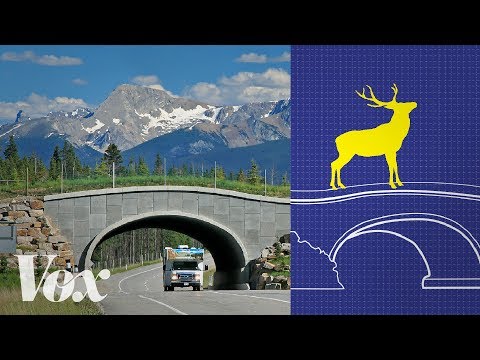
Wildlife crossings stop roadkill. Why aren't there more?
0
Boyeee posted on 2023/07/08Ever wondered why we don't see more wildlife crossings, even though they're great for preventing roadkill? This video dives into the fascinating world of wildlife fencing and habitat connectivity, exploring the real-world challenges and innovative ARC designs used in places like Banff National Park. You'll pick up some advanced vocabulary related to conservation and engineering while learning about this crucial topic!
Learn this video on the APP!
The VoiceTube App has more in-depth practice for videos!