
abnormal
US /æbˈnɔ:rml/
UK /æbˈnɔ:ml/
- Adjective
- Not normal, not typical, not usual, not regular
- Relating to behavior that deviates from the norm.
B1Moreadverse
US /ædˈvɚs, ˈædˌvɚs/
UK /ˈædvɜ:s/
- Adjective
- Negative or harmful
B1TOEICMoreanti
US /ˈæntaɪ, -ti/
UK /'æntɪ/
- Adjective
- A prefix meaning 'against' or 'opposed'
B2Morearousal
US /ə'raʊzl/
UK /ə'raʊzl/
- Noun
- Being woken up from sleep; sexual excitement
B2Moreas a whole
US /æz e hol/
UK /æz ə həul/
- Phrase
- Considering everything together; in general.
- Complete; not divided or incomplete.
- Adjective
- Complete; not divided or fragmented.
A1Moreas well as
US /æz wɛl æz/
UK /æz wel æz/
- Adverb
- Also; in addition to
- Preposition
- In addition to; and also.
A1Moreat least
US /æt list/
UK /æt li:st/
- Adverb
- As a minimum
- Not less than
- Phrase
- No less than; at the minimum
- Used to indicate that something is positive in a bad situation.
C2Moreattain
US /əˈten/
UK /əˈteɪn/
- Transitive Verb
- To reach a desired level or amount over time
B1TOEICMorebad word
US
UK
- Countable Noun
- An offensive or taboo word; a swear word.
A1Morebland
US /blænd/
UK /blænd/
- Adjective
- Plain; flavorless; dull
B1TOEICMorecampaign
US /kæmˈpen/
UK /kæm'peɪn/
- Intransitive Verb
- To work in an organized, active way towards a goal
- Noun (Countable/Uncountable)
- Series of actions meant to achieve a goal
- A planned set of military activities intended to achieve a particular objective.
A2TOEICMorechildhood
US /ˈtʃaɪldˌhʊd/
UK /ˈtʃaɪldhʊd/
- Uncountable Noun
- The time when you are a child
B1Morecome out with
US /kʌm aʊt wɪð/
UK /kʌm aut wið/
- Phrasal Verb
- To go out with someone on a date
- To say something, especially something surprising or controversial.
A1Morecome up
US /kʌm ʌp/
UK /kʌm ʌp/
- Phrasal Verb
- To come closer to someone; approach
- (Of sun) to rise into the sky in the morning
A1Morecondition
US /kənˈdɪʃən/
UK /kənˈdɪʃn/
- Transitive Verb
- To improve something to make it better
- To cause to behave automatically in a certain way
- Noun (Countable/Uncountable)
- Disease or other medical problem
- The state of living you are in, e.g. good health
A2Morecosmos
US /ˈkɑ:zmoʊs/
UK /ˈkɒzmɒs/
- Noun (Countable/Uncountable)
- The universe
B2Morecracker
US /ˈkrækɚ/
UK /ˈkrækə(r)/
- Noun
- Something excellent or that you really like
- Type of dry biscuit or wafer
B2Morecrusader
US /kruˈsedɚ/
UK /kru:ˈseɪdə(r)/
- Countable Noun
- Someone who leads a campaign for a worthy cause
B2Moredecrease
US /dɪˈkris/
UK /dɪˈkri:s/
- Verb (Transitive/Intransitive)
- To reduce the size, amount or number of something
- Uncountable Noun
- Amount by which something has been reduced
B1TOEICMorediet
US /ˈdaɪɪt/
UK /'daɪət/
- Intransitive Verb
- To eat special or less food, as to lose weight
- Noun (Countable/Uncountable)
- Plan of eating to reduce weight or improve health
- The usual food and drink consumed by an organism (person or animal)
A2TOEICMoredue to
US /du tu/
UK /dju: tu:/
- Preposition
- Because of; owing to
- Adjective
- Attributable to; caused by.
A1Moredysfunction
US /dɪsˈfʌŋkʃən/
UK /dɪs'fʌŋkʃn/
- Noun (Countable/Uncountable)
- Failure to act as expected, as in a social context
- Impairment of normal physiological function.
B2Moreeducation
US /ˌɛdʒəˈkeʃən/
UK /ˌedʒuˈkeɪʃn/
- Uncountable Noun
- Academic field studying the practice of teaching
- Process of giving or receiving teaching
A2TOEICMoreestimate
US /ˈɛstəˌmet/
UK /'estɪmət/
- Noun (Countable/Uncountable)
- Guess or calculation of cost, size or value
- A judgment or opinion.
- Transitive Verb
- To guess or calculate the cost, size or value of
- To form an approximate idea or judgment of.
A2TOEICMorefeel like
US
UK
- Intransitive Verb
- To have a desire or inclination for something.
- To have a particular quality or sensation; resemble.
A1Morefiction
US /ˈfɪkʃən/
UK /ˈfɪkʃn/
- Uncountable Noun
- Made-up stories; imagined events
- False statement or account about something
B1Morefor example
US
UK
- Phrase
- As an illustration or instance.
for instance
US /fɔr ˈɪnstəns/
UK /fɔ: ˈinstəns/
- Adverb
- As an example.
- Phrase
- As an example.
- As an illustration or case in point
B1Morefunction
US /ˈfʌŋkʃən/
UK /'fʌŋkʃn/
- Noun
- Social event, or party such as a wedding
- Mathematical operation used in calculations
- Intransitive Verb
- To serve a certain purpose or role
- To be operating, working or achieving its purpose
A2TOEICMorehave to
US /hæv tu/
UK /ˈhæv tə/
- Auxiliary Verb
- Must do
A1Morehealth benefits
US
UK
- Noun (plural)
- Advantages provided by an employer or insurance plan related to healthcare, such as medical, dental, and vision coverage.
- Positive effects on one's physical or mental condition resulting from certain activities or lifestyle choices.
hood
US /hʊd/
UK /hʊd/
- Noun
- Front part of the car that covers the engine
- A head covering attached to a cape, sweater etc.
B2Morehost
US /host/
UK /həʊst/
- Noun (Countable/Uncountable)
- Mass; a great number
- Person who entertains guests
- Transitive Verb
- To be the sponsor of an event, e.g. the Olympics
- To lead or start a party, program, or other event
A2TOEICMorein fact
US /ɪn fækt/
UK /in fækt/
- Adverb
- Used to emphasize the truth of a statement, especially one that contrasts with or contradicts something else.
- Used to introduce a more detailed or surprising piece of information.
- Phrase
- Used to emphasize the truth of a statement, especially one that is surprising or contrary to what might be expected.
C1Morein general
US /ɪn ˈdʒɛnərəl/
UK /in ˈdʒenərəl/
- Phrase
- Typically; usually; on the whole.
- Not specific or detailed; broadly.
- Adjective
- Not detailed or specific; overall.
C2Morein order to
US /ɪn ˈɔrdɚ tu/
UK /in ˈɔ:də tu:/
- Preposition
- For the purpose of; with the aim of.
- Phrase
- In a specific sequence or arrangement.
- With the aim of; for the purpose of.
C1Morein perspective
US /ɪn pɚˈspɛktɪv/
UK /in pəˈspektiv/
- Phrase
- Considered in relation to other things, so as to judge what is truly important.
- Adverb
- Judged in relation to other things and so not seeming as bad or extreme.
C1Morein terms of
US
UK
- Phrase
- With regard to; concerning a particular aspect.
A1Morein times
US
UK
- Phrase
- During periods or moments of.
- During a particular era or period in history.
A1Moreinfancy
US /ˈɪnfənsi/
UK /ˈɪnfənsi/
- Uncountable Noun
- Time of a person's life when he or she is a baby
- The early stage of development of something.
B1TOEICMoreinsert
US /ɪnˈsɜ:rt/
UK /ɪnˈsɜ:t/
- Transitive Verb
- To put something into a certain place or spot
- To add (writing) to something.
- Noun
- Act of putting into a certain place or spot
- A leaflet or section inserted in a magazine or newspaper.
B1TOEICMoreinstead of
US /ɪnˈstɛd ʌv/
UK /inˈsted ɔv/
- Preposition
- When one thing is replaced by another
- Adverb
- As a substitute or alternative.
A1Moreintrospection
US /ˌɪntrəˈspɛkʃən/
UK /ˌɪntrəˈspekʃn/
- Uncountable Noun
- Thinking deeply within yourself, about yourself
- A process of self-examination of one's thoughts, feelings and motives.
C2TOEICMoreissue
US /ˈɪʃu/
UK /'ɪʃu:/
- Transitive Verb
- To make something available to be used or sold
- To deliver a statement, etc. in an official manner
- Noun (Countable/Uncountable)
- Important topic discussed, debated or argued over
- Single edition of a magazine
A2TOEICMorelike anything
US /laɪk ˈɛniθɪŋ/
UK /laɪk ˈeniθɪŋ/
- other
- Used to emphasize strong intensity or effort.
B2Morelittle man
US
UK
- Countable Noun
- A man of short stature.
- An unimportant or insignificant person.
A1Morelook at
US /lʊk æt/
UK /luk æt/
- Phrasal Verb
- To use your eyes to focus on something
- To focus your eyes on something carefully
A1Morelook back
US /lʊk bæk/
UK /luk bæk/
- Phrasal Verb
- To think about past events
A1Morelook for
US /lʊk fɔr/
UK /luk fɔ:/
- Phrasal Verb
- To try to find a thing or person that is lost
- To expect or anticipate something.
A1Morelust
US /lʌst/
UK /lʌst/
- Uncountable Noun
- Sexual desire
B2Moremasturbate
US /ˈmæstɚˌbet/
UK /'mæstəbeɪt/
- Transitive Verb
- To emit semen by self-manipulation of the penis
C1Moremasturbation
US /ˌmæstɚˈbeʃən/
UK /ˌmæstə'beɪʃn/
- Uncountable Noun
- Stimulation of the genitals for sexual pleasure
C1Morenegativity
US /ˌneɡəˈtɪvəti/
UK /ˌnegəˈtɪvəti/
- Uncountable Noun
- Tendency to deny or resist suggestions or commands
B1Moreof course
US /ʌv kɔː(r)s/
UK /ɔv kɔː(r)s/
- Adverb
- Sure ; Certainly
- Phrase
- For sure; certainly
A2Moreorgasm
US /ˈɔrˌɡæzəm/
UK /ˈɔ:gæzəm/
- Noun
- Moment of most intense pleasure when having sex
B2Moreover time
US /ˈovɚ taɪm/
UK /ˈəuvə taim/
- Phrase
- Gradually; as time passes.
- During a long period.
- Adverb
- Gradually; as time passes.
B1Moreperspective
US /pɚˈspɛktɪv/
UK /pə'spektɪv/
- Noun (Countable/Uncountable)
- Artistic method of creating a sense of distance
- Ability to understand what is important in life
B1TOEICMoreplead
US /plid/
UK /pli:d/
- Verb (Transitive/Intransitive)
- To ask or beg for something in an urgent way
- To say if you are guilty of a crime, or not
B1TOEICMorepornography
US /pɔ:rˈnɑ:grəfi/
UK /pɔ:ˈnɒgrəfi/
- Uncountable Noun
- Pictures or stories that stimulate sexual desire
C1Morepositive
US /ˈpɑzɪtɪv/
UK /ˈpɒzətɪv/
- Adjective
- Showing agreement or support for something
- Being sure about something; knowing the truth
- Noun
- A photograph in which light areas are light and dark areas are dark
A2Morepractice
US /ˈpræktɪs/
UK /'præktɪs/
- Noun
- The office and place for legal or medical work
- Doing something many times to become better at it
- Verb (Transitive/Intransitive)
- To work as a doctor or lawyer
- To live according to the teachings of a religion
A2TOEICMorepremature
US /ˌpri:məˈtʃʊr/
UK /ˈpremətʃə(r)/
- Adjective
- Happening before the natural or desired time
B2TOEICMorerather than
US
UK
- Adverb
- More exactly; more correctly
- Preferably; instead
- Preposition
- Instead of
A1Morereach
US /ritʃ/
UK /ri:tʃ/
- Verb (Transitive/Intransitive)
- To come to or arrive at a goal or destination
- To be long enough to get to a certain place
- Uncountable Noun
- Power or control someone has over something
A2TOEICMorereach out
US /ritʃ aʊt/
UK /ri:tʃ aut/
- Phrasal Verb
- To attempt to communicate with someone.
- To offer help and support to someone.
B1Morereligious
US /rɪˈlɪdʒəs/
UK /rɪˈlɪdʒəs/
- Adjective
- Following the rules and beliefs of a faith
- Relating to or manifesting faithful devotion to an acknowledged ultimate reality or deity.
B1Morerely on
US /rɪˈlaɪ ɑn/
UK /riˈlai ɔn/
- Phrasal Verb
- To depend on someone or something
A2Moresexual
US /ˈsɛkʃuəl/
UK /ˈsekʃuəl/
- Adjective
- Relating to men and women and their relationships
- Of the physical activity that can produce babies
A2Moreshift in
US
UK
- Phrasal Verb
- A change or alteration in something.
B2Moresinful
US /ˈsɪnfəl/
UK /ˈsɪnfl/
- Adjective
- (Acts that) break a religious law
B2Moresleep aid
US
UK
- Noun
- A medication or other product used to help someone fall asleep.
- A device or technique used to promote sleep.
C1Moresnicker
US /'snɪkər/
UK /'snɪkə(r)/
- Noun
- A quiet, unkind laugh
- Intransitive Verb
- To laugh at in an unkind way
B2Moresociety
US /səˈsaɪɪti/
UK /sə'saɪətɪ/
- Noun (Countable/Uncountable)
- A group who meet to share values or interests
- Group of people living together
A2TOEICMorestem
US /stɛm/
UK /stem/
- Noun (Countable/Uncountable)
- Long thin central part of a plant, bearing leaves
- Long thin part supporting something e.g. a light
- Transitive Verb
- To remove the stem of a flower or fruit
- To stop something bad from spreading or developing
B1TOEICMorestimulation
US /ˌstɪmjʊ'leɪʃn/
UK /ˌstɪmjʊ'leɪʃn/
- Uncountable Noun
- Arousal of interest or emotions
B1Moresurround
US /səˈraʊnd/
UK /səˈraʊnd/
- Transitive Verb
- To be all the way around something
- To be closely connected to and have an effect on
- Verb (Transitive/Intransitive)
- To be closely connected to and have an effect on
A2Moreterminology
US /ˌtɜ:rməˈnɑ:lədʒi/
UK /ˌtɜ:mɪˈnɒlədʒi/
- Uncountable Noun
- Specific words and expressions used in a field
B2TOEICMorethink of
US /θɪŋk ʌv/
UK /θiŋk ɔv/
- Phrasal Verb
- To look on as (being something specific); consider
- To consider or remember something.
- Verb (Transitive/Intransitive)
- To imagine or call something to mind
A1Morethreesome
US /ˈθrisəm/
UK /ˈθri:səm/
- Number
- Three people considered as a unit
- Countable Noun
- A group of three people
C1Moreto the point
US /tu ði pɔɪnt/
UK /tu: ðə pɔint/
- Adjective
- Expressing something directly and without unnecessary detail.
- Phrase
- Relevant and pertinent to the matter at hand.
A2Moretrend
US /trɛnd/
UK /trend/
- Noun (Countable/Uncountable)
- Current style or fashion
- General direction that is taken
- Intransitive Verb
- To be current and popular
- To move up or down
A2Moretrickle down
US /ˈtrɪkəl daʊn/
UK /ˈtrikl daun/
- Intransitive Verb
- To gradually spread or filter through from top to bottom, especially in economics, referring to the belief that tax cuts or other benefits for the wealthy will ultimately benefit the poor and middle class.
A1Moreused to
US /juzd tu/
UK /ˈju:st tə/
- Adjective
- Did regularly before, but don't do now
- Auxiliary Verb
- Have done before, but do not do now
A1Morevagina
US /vəˈdʒaɪnə/
UK /və'dʒaɪnə/
- Noun
- Lower part of the female reproductive tract
C2Morevibrator
US /ˈvaɪˌbretɚ/
UK /vaɪˈbreɪtə(r)/
- Noun
- Mechanical device that shakes or trembles
B2Morewake up
US /wek ʌp/
UK /weik ʌp/
- Phrasal Verb
- To stop sleeping
- To become fully aware and alert to a situation.
A1Morewith it
US /wɪð ɪt/
UK /wið it/
- Adjective
- Intelligent, alert, and up-to-date.
- Understanding and knowledgeable about current trends or information.
A1More
Vocabulary
- for example: As an illustration or instance.
- with it: Intelligent, alert, and up-to-date.
- think of: To look on as (being something specific); consider
- used to: Did regularly before, but don't do now
- in fact: Used to emphasize the truth of a statement, especially one that contrasts with or contradicts something else.
- look for: To try to find a thing or person that is lost
- health benefits: Advantages provided by an employer or insurance plan related to healthcare, such as medical, dental, and vision coverage.
- wake up: To stop sleeping
- as well as: Also; in addition to
- in order to: For the purpose of; with the aim of.
- of course: Sure ; Certainly
- over time: Gradually; as time passes.
- trickle down: To gradually spread or filter through from top to bottom, especially in economics, referring to the belief that tax cuts or other benefits for the wealthy will ultimately benefit the poor and middle class.
- rely on: To depend on someone or something
- little man: A man of short stature.
- in general: Typically; usually; on the whole.
- due to: Because of; owing to
- sleep aid: A medication or other product used to help someone fall asleep.
- rather than: More exactly; more correctly
- to the point: Expressing something directly and without unnecessary detail.
- in terms of
- have to: Must do
- for instance: As an example.
- like anything: Used to emphasize strong intensity or effort.
- shift in: A change or alteration in something.
- in perspective: Considered in relation to other things, so as to judge what is truly important.
- at least: As a minimum
- in times: During periods or moments of.
- reach out: To attempt to communicate with someone.
- feel like: To have a desire or inclination for something.
- look back: To think about past events
- as a whole: Considering everything together; in general.
- come up: To come closer to someone; approach
- bad word: An offensive or taboo word; a swear word.
- come out with: To go out with someone on a date
- instead of: When one thing is replaced by another
- look at: To use your eyes to focus on something
- perspective: Artistic method of creating a sense of distance
- present: Being in attendance; being there; having turned up
- practice: The office and place for legal or medical work
- positive: Showing agreement or support for something
- campaign: To work in an organized, active way towards a goal
- general: Widespread, normal or usual
- develop: To explain something in steps and in detail
- describe: To tell the appearance, sound, smell of something
- estimate: Guess or calculation of cost, size or value
- function: Social event, or party such as a wedding
- arousal: Being woken up from sleep; sexual excitement
- issue: To make something available to be used or sold
- condition: To improve something to make it better
- society: A group who meet to share values or interests
- premature: Happening before the natural or desired time
- reach: To come to or arrive at a goal or destination
- behavior: The way a person or thing acts; manner
- effect: An advantage, benefit
- religious: Following the rules and beliefs of a faith
- stem: Long thin central part of a plant, bearing leaves
- fiction: Made-up stories; imagined events
- risk: To do something potentially dangerous or foolish
- due: When something is required or expected
- lead: Wire for electricity, computer, etc.; cable
- diet: To eat special or less food, as to lose weight
- trend: Current style or fashion
- normal: Standard or regular way of doing something
- lust: Sexual desire
- decrease: To reduce the size, amount or number of something
- single: One run in cricket or a hit baseball
- fact: Something that is known or proved to be true
- education: Academic field studying the practice of teaching
- catch: Amount of something that has been caught
- pornography: Pictures or stories that stimulate sexual desire
- host: Mass; a great number
- surround: To be all the way around something
- orgasm: Moment of most intense pleasure when having sex
- daily: Happening every day
- stimulation: Arousal of interest or emotions
- change: To exchange one set of clothes for another
- vagina: Lower part of the female reproductive tract
- introspection: Thinking deeply within yourself, about yourself
- bland: Plain; flavorless; dull
- attain: To reach a desired level or amount over time
- terminology: Specific words and expressions used in a field
- infancy: Time of a person's life when he or she is a baby
- sexual: Relating to men and women and their relationships
- abnormal: Not normal, not typical, not usual, not regular
- insert: To put something into a certain place or spot
- childhood: The time when you are a child
- hood: Front part of the car that covers the engine
- adverse: Negative or harmful
- cosmos: The universe
- dysfunction: Failure to act as expected, as in a social context
- anti: A prefix meaning 'against' or 'opposed'
- negativity: Tendency to deny or resist suggestions or commands
- plead: To ask or beg for something in an urgent way
- cracker: Something excellent or that you really like
- masturbation: Stimulation of the genitals for sexual pleasure
- masturbate: To emit semen by self-manipulation of the penis
- snicker: A quiet, unkind laugh
- sinful: (Acts that) break a religious law
- crusader: Someone who leads a campaign for a worthy cause
- threesome: Three people considered as a unit
- vibrator: Mechanical device that shakes or trembles
Get the full experience in the app
Learn anywhere with detailed sentence and usage analysis
01:03
She took a brave step forward, leaving behind her comfort zone to chase her dreams.
Vocabulary
- brave
adj. Having courage
- comfort zone
phr. A familiar situation where one feels safe
Explanation
a brave step is a noun phrase, where brave is an adjective modifying the noun step, meaning "a courageous step".
forward is an adverb modifying step, meaning "ahead".
The whole phrase serves as the object, answering the "what" of took (verb) — she took a brave step forward.
Get the full experience in the app
Look up words anytime with pronunciation, part of speech, and usage
brave
US/brev/
UK/breɪv/
adj.Brave
v.t.To bravely face
A2 Elementary
Get the full experience in the app
Practice speaking anytime and get instant pronunciation feedback
Try this speaking exercise.
Try practicing with this sentence.
80
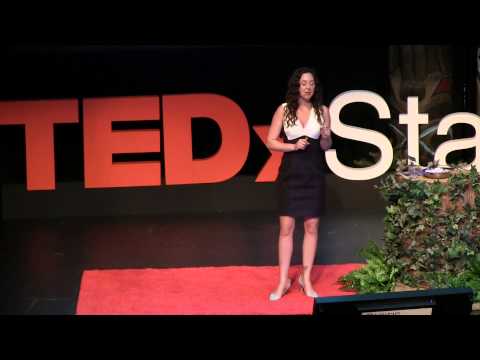
Masturbation Myths | Teesha Morgan | TEDxStanleyPark
0
娃娃 posted on 2019/06/06Ever wondered about those old myths surrounding masturbation? This engaging talk by Teesha Morgan dives deep into historical and modern misconceptions, busting myths about everything from John Harvey Kellogg's bizarre ideas to actual clitoris anatomy. You'll pick up some advanced vocabulary and gain fascinating cultural insights into sexual health!
Learn this video on the APP!
The VoiceTube App has more in-depth practice for videos!