
abandon
US /əˈbændən/
UK /ə'bændən/
- Transitive Verb
- To discard or intentionally get rid of an item
- To withdraw your support, or leave someone
- Uncountable Noun
- Wild, carefree behavior
B1Moreas such
US /æz sʌtʃ/
UK /æz sʌtʃ/
- Pronoun
- Something previously stated or understood
A1Moreas well as
US /æz wɛl æz/
UK /æz wel æz/
- Adverb
- Also; in addition to
- Preposition
- In addition to; and also.
A1Moreat the same time
US
UK
- Phrase
- Simultaneously; at the identical moment.
- Nevertheless; however; used to introduce a contrasting or qualifying statement.
A1Moreautomation
US /ˌɔtəˈmeʃən/
UK /ˌɔ:təˈmeɪʃn/
- Uncountable Noun
- Use of machines to do tasks once done by people
B2Morebear witness to
US
UK
- Verb (Transitive/Intransitive)
- To testify or attest to something; to provide evidence of something.
burden
US /ˈbɚdn/
UK /'bɜ:dn/
- Transitive Verb
- To weigh down with a load; impose a task upon
- Noun (Countable/Uncountable)
- Something difficult to do, manage, or accept
- Something that is carried with difficulty; an oppressive load.
B1Morebureaucracy
US /bjʊˈrɑ:krəsi/
UK /bjʊəˈrɒkrəsi/
- Noun (Countable/Uncountable)
- Governing system with many rules and officials
- A system of government or business administration containing many departments, administrators, and complicated rules.
B2Moreby itself
US /baɪ ɪtˈsɛlf/
UK /bai itˈself/
- Adverb
- Alone; without help or assistance.
- Without any external influence or aid.
A2Morecast off
US /kæst ɔf/
UK /kɑ:st ɔf/
- Phrasal Verb
- To release the ropes holding a boat in place, allowing it to begin its journey.
- To get rid of something that is no longer wanted or needed.
- Transitive Verb
- To estimate the length of (copy) when set in type.
- To remove or take off clothing.
B2Morecitizen
US /ˈsɪtɪzən/
UK /'sɪtɪzn/
- Noun (Countable/Uncountable)
- Person who belongs to and has rights in a country
- A person who is a member of a community.
B1Morecome about
US /kʌm əˈbaʊt/
UK /kʌm əˈbaut/
- Phrasal Verb
- To turn a boat around; (of boat) to turn around
- To take place; happen
A1Moredemand
US /dɪˈmænd/
UK /dɪ'mɑ:nd/
- Noun (Countable/Uncountable)
- Desire customers have to buy product, service
- A strong request for someone to do something
- Transitive Verb
- To strongly request someone to do something
- To need something.
A2TOEICMoredemand on
US
UK
- Noun
- A strong need or requirement that places a burden or strain.
B1Moredividend
US /ˈdɪvɪˌdɛnd/
UK /'dɪvɪdend/
- Countable Noun
- Money given to the owners of stock in a company
- A benefit received as a result of something.
B1Moreexert
US /ɪgˈzɜ:rt/
UK /ɪgˈzɜ:t/
- Transitive Verb
- To make something have an effect on something else
B2TOEICMoreexperiment
US /ɪkˈspɛrəmənt/
UK /ɪk'sperɪmənt/
- Noun (Countable/Uncountable)
- Test performed to assess new ideas or theories
- A course of action tentatively adopted without being sure of the eventual outcome.
- Verb (Transitive/Intransitive)
- To create and perform tests to research something
- To try something new that you haven't tried before
A2TOEICMorefinancial
US /faɪˈnænʃ(ə)l/
UK /faɪˈnænʃl/
- Adjective
- Involving money
- Relating to investments.
- Countable Noun
- A person who provides advice on financial matters.
A2TOEICMorefor nothing
US
UK
- Phrase
- Without payment or reward; to no purpose or effect; in vain
- Free; without cost
A1Moregive it up
US
UK
- Phrasal Verb
- To stop trying to do something
A1Morego back to
US /ɡo bæk tu/
UK /ɡəu bæk tu:/
- Phrasal Verb
- To return to a starting point
A1Moregrasp
US /ɡræsp/
UK /ɡrɑ:sp/
- Noun
- Person's control over something
- Act of holding something strongly in your hands
- Transitive Verb
- To hold something in your hand very tightly
- To understand or make sense of a complex idea
B1TOEICMorehave to
US /hæv tu/
UK /ˈhæv tə/
- Auxiliary Verb
- Must do
A1Moreimpact
US /ˈɪmˌpækt/
UK /'ɪmpækt/
- Noun
- A striking effect or result to hit with force
- Act or force of one thing hitting something else
- Verb (Transitive/Intransitive)
- To hit or strike someone or something with force
- To have a strong effect on someone or something.
A2TOEICMoreimplement
US /ˈɪmpləmənt/
UK /ˈɪmplɪment/
- Transitive Verb
- To start to do something you plan to do
- Noun (Countable/Uncountable)
- A tool
B1TOEICMoreimplementation
US /ˌɪmplɪmənˈteʃən/
UK /ˌɪmplɪmen'teɪʃn/
- Uncountable Noun
- A practical means for accomplishing something
B1TOEICMorein contrast to
US /ɪn ˈkɑntræst tu/
UK /in ˈkɔntræst tu:/
- Phrase
- Differing from something else
A1Morein favor of
US /ɪn ˈfevɚ ʌv/
UK /in ˈfeivə ɔv/
- Phrase
- Expressing support or approval for someone or something.
- To the advantage of; benefiting.
- Preposition
- Supporting or approving of something.
- To the advantage of; to the benefit of.
A1Morein order to
US /ɪn ˈɔrdɚ tu/
UK /in ˈɔ:də tu:/
- Preposition
- For the purpose of; with the aim of.
- Phrase
- In a specific sequence or arrangement.
- With the aim of; for the purpose of.
C1Morein other words
US
UK
- Phrase
- Stating something in a different way, often to make it clearer or more understandable.
in turn
US
UK
- Adverb
- One after the other in a sequence or rotation.
A1Moreindividual
US /ˌɪndəˈvɪdʒuəl/
UK /ˌɪndɪˈvɪdʒuəl/
- Countable Noun
- Single person, looked at separately from others
- A single thing or item, especially when part of a set or group.
- Adjective
- Made for use by one single person
- Having a distinct manner different from others
A2Moreinequality
US /ˌɪnɪˈkwɑ:ləti/
UK /ˌɪnɪˈkwɒləti/
- Uncountable Noun
- Situation where things are not equal, fair
B1Moreinsecurity
US /ˌɪnsɪˈkjʊrətɪ/
UK /ˌɪnsɪ'kjʊərətɪ/
- Uncountable Noun
- Lack of confidence or certainty about yourself
- State of feeling unsafe
B1Morelead to
US /lid tu/
UK /li:d tu:/
- Phrasal Verb
- To result in some action
- Verb (Transitive/Intransitive)
- To have something as a consequence or result.
A1Morelook for
US /lʊk fɔr/
UK /luk fɔ:/
- Phrasal Verb
- To try to find a thing or person that is lost
- To expect or anticipate something.
A1Moremake certain
US
UK
- Transitive Verb
- To ensure or ascertain something.
A1Moremention
US /ˈmɛnʃən/
UK /'menʃn/
- Transitive Verb
- To refer to or talk or write about something
- Uncountable Noun
- Act of referring to or talking about something
- A formal acknowledgement of something
A2TOEICMoremigration
US /maɪˈɡreʃən/
UK /maɪˈgreɪʃn/
- Noun (Countable/Uncountable)
- Process of moving to live in another place
- Movement from one part of something to another.
B1Moreminimum
US /ˈmɪnəməm/
UK /ˈmɪnɪməm/
- Noun (Countable/Uncountable)
- Smallest degree or level that is acceptable
- The lowest recorded or expected temperature.
- Adjective
- Smallest or lowest; the least possible.
- Using or requiring the least possible resources.
B1TOEICMorenegative
US /ˈnɛɡətɪv/
UK /'neɡətɪv/
- Noun
- The opposite to a positive electrical charge
- In grammar, containing words such as 'no' or 'not'
- Adjective
- Being harmful, unwanted or unhelpful
- In mathematics, being less than zero
A2Moreobsolete
US /ˌɑ:bsəˈli:t/
UK /ˈɒbsəli:t/
- Adjective
- Not used anymore because something newer exists
- No longer useful because it has been replaced by something newer and better.
B1TOEICMoreon the market
US
UK
- Phrase
- Available for sale.
- Actively seeking employment.
A2Moreopportunity
US /ˌɑpɚˈtunɪti, -ˈtju-/
UK /ˌɒpə'tju:nətɪ/
- Noun (Countable/Uncountable)
- Time, situation when a thing might be done; chance
- A favorable time or occasion for doing something.
A2TOEICMorepolitical
US /pəˈlɪtɪkəl/
UK /pəˈlɪtɪkl/
- Adjective
- Being active or interested in government matters
- Diplomatic
A2Morepoverty
US /ˈpɑvəti/
UK /ˈpɔvəti/
- Uncountable Noun
- State of being poor
- Lack of something necessary
B1Morepower on
US /ˈpaʊɚ ɑn/
UK /ˈpauə ɔn/
- Phrasal Verb
- To activate or switch on a device or machine.
B1Morepressure
US /ˈprɛʃɚ/
UK /'preʃə(r)/
- Noun (Countable/Uncountable)
- Anxiety caused by difficult problems
- Force, weight when pressing against a thing
- Transitive Verb
- To apply force to something
- To persuade or force someone to do something
A2TOEICMoreprevious
US /ˈpriviəs/
UK /ˈpri:viəs/
- Adjective
- Existing or happening before the present time
- Existing or occurring immediately before in time or order.
- Noun
- A button or link that allows navigation to a preceding item or page.
A2TOEICMoreprogress
US /ˈprɑɡˌrɛs, -rəs, ˈproˌɡrɛs/
UK /'prəʊɡres/
- Verb (Transitive/Intransitive)
- To move forward or toward a place or goal
- To make progress; develop or improve.
- Uncountable Noun
- Act of moving forward
- The process of improving or developing something over a period of time.
A2TOEICMoreproposal
US /prəˈpozəl/
UK /prəˈpəʊzl/
- Noun
- Act of asking someone to marry you
- Offer or plan to people who can decide about it
B1TOEICMorered tape
US /rɛd tep/
UK /red teip/
- Uncountable Noun
- Formalities; paperwork; official procedure
- Official routine or procedure perceived as unnecessarily complex and lengthy, hindering progress.
A2Moreregardless of
US /rɪˈɡɑrdlɪs ʌv/
UK /riˈɡɑ:dlis ɔv/
- Phrase
- Preposition
- Without being affected or influenced by something; despite.
A2Moresame time
US
UK
- Phrase
- Occurring simultaneously or at the same point in time.
- At the identical time as before; recurring at a fixed hour.
- Noun
- An equal duration or period.
A1Morescale
US /skel/
UK /skeɪl/
- Noun (Countable/Uncountable)
- Size, level, or amount when compared
- Small hard plates that cover the body of fish
- Verb (Transitive/Intransitive)
- To change the size of but keep the proportions
- To climb something large (e.g. a mountain)
A2TOEICMoreset up
US /sɛt ʌp/
UK /set ʌp/
- Phrasal Verb
- To make arrangements for something; establish
- Verb (Transitive/Intransitive)
- To arrange or prepare something for use.
- To start a business, organization, etc.
A1Moresignificant
US /sɪɡˈnɪfɪkənt/
UK /sɪgˈnɪfɪkənt/
- Adjective
- Large enough to be noticed or have an effect
- Having meaning; important; noticeable
A2TOEICMoresilicon
US /ˈsɪlɪkən, -ˌkɑn/
UK /ˈsɪlɪkən/
- Uncountable Noun
- Mineral used in making steel and computer parts
B2Moresocial workers
US
UK
- Noun (plural)
- Professionals who work to improve the lives of individuals, families, and communities by providing support, resources, and advocacy.
B1Morestrain
US /stren/
UK /streɪn/
- Transitive Verb
- To remove the water from (food) using a colander
- To injure a muscle, leg etc. by using it too much
- Noun (Countable/Uncountable)
- Injury to a muscle, leg etc. through overuse
- Type or variation of a disease or bacillus
B2Morestrife
US /straɪf/
UK /straɪf/
- Uncountable Noun
- Conflict or discord
C1Moresuch as
US /sʌtʃ æz/
UK /sʌtʃ æz/
- Preposition
- For example; like
A1Morethanks to
US /θæŋks tu/
UK /θæŋks tu:/
- Preposition
- Because of; as a result of.
A1Morethreat to
US
UK
- Phrase
- A person or thing likely to cause damage or danger.
- A statement of an intention to inflict pain, injury, damage, or other hostile action on someone in retribution for or opposition to something done or not done.
B2Moretrial
US /ˈtraɪəl, traɪl/
UK /ˈtraɪəl/
- Noun (Countable/Uncountable)
- Hearing and judgment of a case in court
- Act or process of testing or experimenting
- Transitive Verb
- To be made or done as a test or experiment
A2TOEICMoreturned out
US
UK
- Phrasal Verb
- To arrive for a public event or entertainment
- To happen to be in the end
- Transitive Verb
- To extinguish or switch off lights.
A1Morewelfare
US /ˈwelfer/
UK /ˈwelfeə(r)/
- Uncountable Noun
- Program to help poor/unemployed people with money
B1Morewithdraw from
US
UK
- Phrasal Verb
- To take out or remove (something) from a place or container.
- To stop participating in or being involved with something.
A1Morework at
US /wɚk æt/
UK /wə:k æt/
- Phrasal Verb
- To have a job at a particular place or organization.
- To make an effort to improve something.
A1Moreworrisome
US /ˈwɚrisəm, ˈwʌr-/
UK /ˈwʌrisəm/
- Adjective
- Not reassuring; tending to cause anxiety
C2More
Vocabulary
- regardless of
- have to: Must do
- as well as: Also; in addition to
- such as: For example; like
- look for: To try to find a thing or person that is lost
- lead to: To result in some action
- go back to: To return to a starting point
- bear witness to: To testify or attest to something; to provide evidence of something.
- by itself: Alone; without help or assistance.
- in favor of: Expressing support or approval for someone or something.
- cast off: To release the ropes holding a boat in place, allowing it to begin its journey.
- turned out: To arrive for a public event or entertainment
- in order to: For the purpose of; with the aim of.
- come about: To turn a boat around; (of boat) to turn around
- give it up: To stop trying to do something
- in contrast to: Differing from something else
- for nothing: Without payment or reward; to no purpose or effect; in vain
- red tape: Formalities; paperwork; official procedure
- thanks to: Because of; as a result of.
- power on: To activate or switch on a device or machine.
- set up
- at the same time: Simultaneously; at the identical moment.
- same time: Occurring simultaneously or at the same point in time.
- work at: To have a job at a particular place or organization.
- social workers: Professionals who work to improve the lives of individuals, families, and communities by providing support, resources, and advocacy.
- in turn: One after the other in a sequence or rotation.
- threat to: A person or thing likely to cause damage or danger.
- as such: Something previously stated or understood
- withdraw from: To take out or remove (something) from a place or container.
- on the market: Available for sale.
- demand on: A strong need or requirement that places a burden or strain.
- in other words: Stating something in a different way, often to make it clearer or more understandable.
- make certain: To ensure or ascertain something.
- individual: Single person, looked at separately from others
- significant: Large enough to be noticed or have an effect
- opportunity: Time, situation when a thing might be done; chance
- situation: Place, position or area that something is in
- progress: To move forward or toward a place or goal
- scale: Size, level, or amount when compared
- impact: A striking effect or result to hit with force
- negative: The opposite to a positive electrical charge
- poverty: State of being poor
- effective: Working efficiently to produce a desired result
- experiment: Test performed to assess new ideas or theories
- strain: To remove the water from (food) using a colander
- previous: Existing or happening before the present time
- demand: Desire customers have to buy product, service
- trial: Hearing and judgment of a case in court
- pressure: Anxiety caused by difficult problems
- increase: To make or become larger in size or amount
- implement: To start to do something you plan to do
- burden: To weigh down with a load; impose a task upon
- financial: Involving money
- political: Being active or interested in government matters
- mention: To refer to or talk or write about something
- state: Region within a country, with its own government
- grasp: Person's control over something
- private: Being away from others and quiet
- obsolete: Not used anymore because something newer exists
- labor: To struggle to do something because it's difficult
- equal: Same in shape, size, or number
- rate: To assess something or consider its qualities
- accept: To agree to receive or take something offered
- abandon: To discard or intentionally get rid of an item
- economy: Using money, resources in a careful, effective way
- produce: Fresh foods such as fruits and vegetables
- social: Involving activity with people, e.g. in free time
- discuss: To talk about seriously or in great detail
- insecurity: Lack of confidence or certainty about yourself
- exert: To make something have an effect on something else
- inequality: Situation where things are not equal, fair
- offer: Price you say you are willing to pay for something
- welfare: Program to help poor/unemployed people with money
- public: Owned by the government
- citizen: Person who belongs to and has rights in a country
- proposal: Act of asking someone to marry you
- minimum: Smallest degree or level that is acceptable
- dividend: Money given to the owners of stock in a company
- migration: Process of moving to live in another place
- implementation: A practical means for accomplishing something
- bureaucracy: Governing system with many rules and officials
- strife: Conflict or discord
- silicon: Mineral used in making steel and computer parts
- automation: Use of machines to do tasks once done by people
- worrisome: Not reassuring; tending to cause anxiety
Get the full experience in the app
Learn anywhere with detailed sentence and usage analysis
01:03
She took a brave step forward, leaving behind her comfort zone to chase her dreams.
Vocabulary
- brave
adj. Having courage
- comfort zone
phr. A familiar situation where one feels safe
Explanation
a brave step is a noun phrase, where brave is an adjective modifying the noun step, meaning "a courageous step".
forward is an adverb modifying step, meaning "ahead".
The whole phrase serves as the object, answering the "what" of took (verb) — she took a brave step forward.
Get the full experience in the app
Look up words anytime with pronunciation, part of speech, and usage
brave
US/brev/
UK/breɪv/
adj.Brave
v.t.To bravely face
A2 Elementary
Get the full experience in the app
Practice speaking anytime and get instant pronunciation feedback
Try this speaking exercise.
Try practicing with this sentence.
80
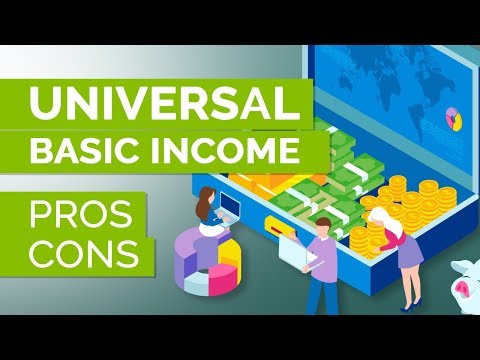
Universal Basic Income | Pros and Cons | UBI
0
王惟惟 posted on 2019/06/03Ever wondered if everyone should get free money? This video dives deep into Universal Basic Income, exploring its pros and cons with real-world examples like the Finland trial! You'll boost your vocabulary with terms like 'macroeconomic' and 'redistribution' while understanding this fascinating policy debate.
Learn this video on the APP!
The VoiceTube App has more in-depth practice for videos!