
ability
US /əˈbɪlɪti/
UK /ə'bɪlətɪ/
- Noun (Countable/Uncountable)
- The power, resources or skill to do something
- A particular skill or talent.
A2TOEICMoreaccount for
US /əˈkaʊnt fɔr/
UK /əˈkaunt fɔ:/
- Phrasal Verb
- To explain the cause or reason for something
- To form a particular amount or part of something.
- Verb (Transitive/Intransitive)
- To supply a reason or explanation for something.
- To form a particular amount or proportion of something.
A1Moreanemia
US /əˈnimiə/
UK /ə'ni:mi:ə/
- Uncountable Noun
- Condition of not having enough red blood cells
B2Moreapplause
US /əˈplɔz/
UK /ə'plɔ:z/
- Noun (Countable/Uncountable)
- The sound made by clapping a performance or speech
B1Moreback into
US /bæk ˈɪntu/
UK /bæk ˈɪntuː/
- Phrasal Verb
- To drive a vehicle backwards into a space or area.
- To accidentally collide with something while moving backwards.
A1Morebacteria
US /bækˈtɪriə/
UK /bæk'tɪərɪə/
- Noun (plural)
- The very small creatures that can cause disease
B2Morebacterium
US /bækˈtɪriəm/
UK /bæk'tɪərɪəm/
- Countable Noun
- The very small creatures that can cause disease
B2Morebetter known as
US /ˈbɛtɚ non æz/
UK /ˈbetə nəʊn æz/
- Phrase
- More widely or commonly recognized by a particular name or description.
A1Morecause
US /kɔz/
UK /kɔ:z/
- Noun
- Belief, goal or organization that people support
- Reason for
- Transitive Verb
- To make something happen; create effect or result
A2Morechemistry
US /ˈkɛmɪstri/
UK /'kemɪstrɪ/
- Uncountable Noun
- The study of the structure of substances
B1Morecome from
US /kʌm frʌm/
UK /kʌm frɔm/
- Phrasal Verb
- To have as your native country or city
A1Moreconsequence
US /ˈkɑnsɪˌkwɛns,-kwəns/
UK /ˈkɔnsikwəns/
- Noun (Countable/Uncountable)
- Importance of a person or thing
- Outcome of an event; result
A2Moreconvert
US /kənˈvɚt/
UK /kən'vɜ:t/
- Verb (Transitive/Intransitive)
- To switch from a religion, belief etc. to another
- To change form, character, or function to another
- Countable Noun
- Person switching from one belief system to another
A2Morecritical
US /ˈkrɪtɪkəl/
UK /ˈkrɪtɪkl/
- Adjective
- Making a negative judgment of something
- Being important or serious; vital; dangerous
A2Morecure
US /kjʊr/
UK /kjʊə(r)/
- Noun
- Something that solves a problem or makes it better
- Medical treatment making a sick person healthy
- Transitive Verb
- To fix or improve a problem
- To make someone healthy or make a disease go away
B1Moredefense
US /dɪˈfɛns/
UK /dɪ'fens/
- Noun (Countable/Uncountable)
- Argument in support of something
- The process of protecting something from attack
B1TOEICMoredeliver
US /dɪˈlɪvɚ/
UK /dɪ'lɪvə(r)/
- Transitive Verb
- To give birth to a child; help a woman give birth
- To save someone from a problem or crisis
A2TOEICMoredisease
US /dɪˈziz/
UK /dɪˈzi:z/
- Noun (Countable/Uncountable)
- Illness that affects a person, animal, or plant
- A disorder of structure or function in a plant, especially one caused by a pathogen.
- Transitive Verb
- To affect with disease; to corrupt or sicken.
A2TOEICMoredisrupt
US /dɪsˈrʌpt/
UK /dɪsˈrʌpt/
- Transitive Verb
- To cause a disturbance in an activity in progress
B2TOEICMoredna
US
UK
- Noun (Countable/Uncountable)
- Chemical in living cells with genetic information
B2Moreevolve
US /ɪˈvɑlv/
UK /ɪ'vɒlv/
- Verb (Transitive/Intransitive)
- To develop certain features
- To develop or change slowly over time
B1Morefiction
US /ˈfɪkʃən/
UK /ˈfɪkʃn/
- Uncountable Noun
- Made-up stories; imagined events
- False statement or account about something
B1Morefor example
US
UK
- Phrase
- As an illustration or instance.
fraction
US /ˈfrækʃən/
UK /ˈfrækʃn/
- Noun (Countable/Uncountable)
- Small part of something
- A numerical quantity that is not a whole number (e.g., 1/2, 0.5).
B1TOEICMorefunction
US /ˈfʌŋkʃən/
UK /'fʌŋkʃn/
- Noun
- Social event, or party such as a wedding
- Mathematical operation used in calculations
- Intransitive Verb
- To serve a certain purpose or role
- To be operating, working or achieving its purpose
A2TOEICMoregene
US /dʒin/
UK /dʒi:n/
- Noun
- Part of cell controlling development of a thing
B1Moregenetic
US /dʒəˈnɛtɪk/
UK /dʒəˈnetɪk/
- Adjective
- Of, relating to, or controlled by genes
- Relating to genes or heredity.
B1Moregenome
US /ˈdʒi:noʊm/
UK /ˈdʒi:nəʊm/
- Noun
- Complete set of genetic material in an organism
B2Moreglobe
US /gloʊb/
UK /gləʊb/
- Noun (Countable/Uncountable)
- A round object, e.g. like the earth; sphere
B1TOEICMorehave to
US /hæv tu/
UK /ˈhæv tə/
- Auxiliary Verb
- Must do
A1Morehelix
US /ˈhilɪks/
UK /'hi:lɪks/
- Noun
- Three-dimensional shape of a cone-like object
C1Morein fact
US /ɪn fækt/
UK /in fækt/
- Adverb
- Used to emphasize the truth of a statement, especially one that contrasts with or contradicts something else.
- Used to introduce a more detailed or surprising piece of information.
- Phrase
- Used to emphasize the truth of a statement, especially one that is surprising or contrary to what might be expected.
C1Morein order to
US /ɪn ˈɔrdɚ tu/
UK /in ˈɔ:də tu:/
- Preposition
- For the purpose of; with the aim of.
- Phrase
- In a specific sequence or arrangement.
- With the aim of; for the purpose of.
C1Morein particular
US /ɪn pɚˈtɪkjəlɚ/
UK /in pəˈtikjulə/
- Phrase
- Specifically; especially.
- Detailed or precise.
A1Morein red
US /ɪn rɛd/
UK /in red/
- Phrase
- Marked or written using the colour red.
- Adjective
- Operating at a financial loss; in debt.
in the way
US /ɪn ði we/
UK /in ðə wei/
- Phrase
- Obstructing someone or something; hindering progress.
- Stored or placed so as to be available or ready when needed.
A1Morein theory
US /ɪn ˈθiəri/
UK /in ˈθiəri/
- Adverb
- According to the stated ideas or principles
- Phrase
- According to the theoretical possibilities rather than actual practice.
B2Moreindividual
US /ˌɪndəˈvɪdʒuəl/
UK /ˌɪndɪˈvɪdʒuəl/
- Countable Noun
- Single person, looked at separately from others
- A single thing or item, especially when part of a set or group.
- Adjective
- Made for use by one single person
- Having a distinct manner different from others
A2Moreinfection
US /ɪnˈfɛkʃən/
UK /ɪnˈfekʃn/
- Noun
- (Computers) Having a computer virus
- Making or becoming sick with a bacteria/virus
A2Moreinstead of
US /ɪnˈstɛd ʌv/
UK /inˈsted ɔv/
- Preposition
- When one thing is replaced by another
- Adverb
- As a substitute or alternative.
A1Morelaboratory
US /ˈlæbrəˌtɔri, -ˌtori/
UK /lə'bɒrətrɪ/
- Noun (Countable/Uncountable)
- A place to do scientific experiments
- A place where tests are done for medical diagnosis.
B1Morelead to
US /lid tu/
UK /li:d tu:/
- Phrasal Verb
- To result in some action
- Verb (Transitive/Intransitive)
- To have something as a consequence or result.
A1Morelike anything
US /laɪk ˈɛniθɪŋ/
UK /laɪk ˈeniθɪŋ/
- other
- Used to emphasize strong intensity or effort.
B2Morelook for
US /lʊk fɔr/
UK /luk fɔ:/
- Phrasal Verb
- To try to find a thing or person that is lost
- To expect or anticipate something.
A1Moremake up
US /mek ʌp/
UK /meik ʌp/
- Phrasal Verb
- To invent or create a story
- To add up to
- Verb (Transitive/Intransitive)
- To invent a story, excuse, etc.
- To compensate for something lost, missed, or deficient.
A1Moremechanism
US /ˈmɛkəˌnɪzəm/
UK /'mekənɪzəm/
- Noun (Countable/Uncountable)
- Part of a machine that performs a certain function
- System or process for achieving a certain result
B1Moremolecular
US /məˈlɛkjəlɚ/
UK /mə'lekjələ(r)/
- Adjective
- About or caused by molecules
B2Moremutate
US /ˈmjutet,mjuˈtet/
UK /mju:'teɪt/
- Intransitive Verb
- To develop into another thing; change
B2Moremutation
US /mjuˈteʃən/
UK /mju:'teɪʃn/
- Noun
- Change that changes genetic structure
B2Moreoccur
US /əˈkɚ/
UK /əˈkɜ:(r)/
- Intransitive Verb
- To come to pass or to happen
- To be found to exist; to be present.
A2TOEICMoreoff target
US /ɔf ˈtɑrgɪt/
UK /ɒf ˈtɑ:gɪt/
- other
- Not accurate or not hitting the intended point.
B1Morepass away
US /pæs əˈwe/
UK /pɑ:s əˈwei/
- Phrasal Verb
- A polite way of saying 'to die'
A1Moreprotein
US /ˈprəʊˌtiːn/
UK /ˈprəʊti:n/
- Noun (Countable/Uncountable)
- Group of molecules made from amino acids
B1Morerather than
US
UK
- Adverb
- More exactly; more correctly
- Preferably; instead
- Preposition
- Instead of
A1Moreresearch
US /rɪˈsɚtʃ, ˈriˌsɚtʃ/
UK /rɪ'sɜ:tʃ/
- Verb (Transitive/Intransitive)
- To study in order to discover new ideas and facts
- To study the market relating to marketing products and services.
- Noun (Countable/Uncountable)
- Study done to discover new ideas and facts
- A particular area or topic of study.
A2TOEICMoreresult
US /rɪˈzʌlt/
UK /rɪ'zʌlt/
- Noun
- Something produced through tests or experiments
- Final score of a competition, election or game
- Intransitive Verb
- To be the outcome of other causes and effects
- To happen or exist as a consequence of something.
A2Morereverse
US /rɪˈvɚs/
UK /rɪ'vɜ:s/
- Noun
- Setting that makes the vehicle go backward
- Instance of a significant change, for the worse
- Verb (Transitive/Intransitive)
- To drive a vehicle backward
- To change to an opposite state, way or condition
B1TOEICMoresearch for
US /sɚtʃ fɔr/
UK /sə:tʃ fɔ:/
- Phrasal Verb
- To try to find someone or something.
B1Moresequence
US /ˈsikwəns, -ˌkwɛns/
UK /'si:kwəns/
- Noun
- Part of a movie showing one part of the story
- A particular order in which related events, movements, or things follow each other.
- Transitive Verb
- To arrange things in an order they should happen
A2TOEICMoreset out
US /sɛt aʊt/
UK /set aut/
- Phrasal Verb
- To arrange something in an orderly fashion
- To give in detail in writing
A1Moreset up
US /sɛt ʌp/
UK /set ʌp/
- Phrasal Verb
- To make arrangements for something; establish
- Verb (Transitive/Intransitive)
- To arrange or prepare something for use.
- To start a business, organization, etc.
A1Moresickle
US /ˈsɪkəl/
UK /ˈsɪkl/
- Noun
- Curved hand tool for cutting down grass/tall plant
C1Moresickle cell anemia
US
UK
- Noun
- A hereditary form of anemia in which abnormal hemoglobin causes red blood cells to become rigid and sickle-shaped, obstructing blood flow.
strand
US /strænd/
UK /strænd/
- Countable Noun
- Long part of a rope, someone's hair, etc.
- Transitive Verb
- To cause to be stuck or trapped somewhere
B2Moresuch as
US /sʌtʃ æz/
UK /sʌtʃ æz/
- Preposition
- For example; like
A1Moresuffer from
US /ˈsʌfɚ frʌm/
UK /ˈsʌfə frɔm/
- Intransitive Verb
- To experience pain or distress; to be badly affected by.
A1Morethanks to
US /θæŋks tu/
UK /θæŋks tu:/
- Preposition
- Because of; as a result of.
A1Moretheory
US /ˈθiəri, ˈθɪri/
UK /ˈθiəri/
- Noun (Countable/Uncountable)
- Ideas or principles that explain facts or events
- An idea or belief about something
A2TOEICMorethink of
US /θɪŋk ʌv/
UK /θiŋk ɔv/
- Phrasal Verb
- To look on as (being something specific); consider
- To consider or remember something.
- Verb (Transitive/Intransitive)
- To imagine or call something to mind
A1Moreto a T
US /tə ə ti/
UK /tə ə ti:/
- other
- Exactly, perfectly fitting or accurate.
B2Moreused to
US /juzd tu/
UK /ˈju:st tə/
- Adjective
- Did regularly before, but don't do now
- Auxiliary Verb
- Have done before, but do not do now
A1Moreviral
US /ˈvaɪrəl/
UK /ˈvaɪrəl/
- Adjective
- Of or caused by a virus
- Becoming very popular by circulating quickly from person to person, especially through the Internet.
B2Morevirus
US /ˈvaɪrəs/
UK /'vaɪrəs/
- Noun
- File secretly put on computers to cause harm
- Living organism that causes disease or sickness
B1Morewarhead
US /ˈwɔrˌhɛd/
UK /'wɔ:hed/
- Noun
- Part of the missile that contains the explosive
C1Morework in
US /wɚk ɪn/
UK /wə:k in/
- Phrasal Verb
- To make an opening for something in your schedule
- To fit person/thing into a schedule or sequence
A1More
Vocabulary
- such as: For example; like
- sickle cell anemia: A hereditary form of anemia in which abnormal hemoglobin causes red blood cells to become rigid and sickle-shaped, obstructing blood flow.
- instead of: When one thing is replaced by another
- used to: Did regularly before, but don't do now
- in theory: According to the stated ideas or principles
- back into: To drive a vehicle backwards into a space or area.
- think of: To look on as (being something specific); consider
- search for: To try to find someone or something.
- make up: To invent or create a story
- like anything: Used to emphasize strong intensity or effort.
- suffer from: To experience pain or distress; to be badly affected by.
- pass away: A polite way of saying 'to die'
- in particular: Specifically; especially.
- better known as: More widely or commonly recognized by a particular name or description.
- work in: To make an opening for something in your schedule
- in the way: Obstructing someone or something; hindering progress.
- rather than: More exactly; more correctly
- in fact: Used to emphasize the truth of a statement, especially one that contrasts with or contradicts something else.
- come from: To have as your native country or city
- in red: Marked or written using the colour red.
- in order to: For the purpose of; with the aim of.
- have to: Must do
- to a T: Exactly, perfectly fitting or accurate.
- account for: To explain the cause or reason for something
- set out: To arrange something in an orderly fashion
- look for: To try to find a thing or person that is lost
- set up
- for example: As an illustration or instance.
- lead to: To result in some action
- off target: Not accurate or not hitting the intended point.
- thanks to: Because of; as a result of.
- individual: Single person, looked at separately from others
- critical: Making a negative judgment of something
- improve: To make, or become, something better
- realize: To become aware of or understand mentally
- evolve: To develop certain features
- consequence: Importance of a person or thing
- applause: The sound made by clapping a performance or speech
- treat: To pay for the food or enjoyment of someone else
- develop: To explain something in steps and in detail
- bacteria: The very small creatures that can cause disease
- disease: Illness that affects a person, animal, or plant
- mutation: Change that changes genetic structure
- ability: The power, resources or skill to do something
- protein: Group of molecules made from amino acids
- research: To study in order to discover new ideas and facts
- viral: Of or caused by a virus
- theory: Ideas or principles that explain facts or events
- function: Social event, or party such as a wedding
- reverse: Setting that makes the vehicle go backward
- mechanism: Part of a machine that performs a certain function
- disrupt: To cause a disturbance in an activity in progress
- occur: To come to pass or to happen
- genetic: Of, relating to, or controlled by genes
- fraction: Small part of something
- cause: Belief, goal or organization that people support
- perform: To carry out an action well or successfully
- sequence: Part of a movie showing one part of the story
- complete: To finish or reach the end of doing something
- result: Something produced through tests or experiments
- deliver: To give birth to a child; help a woman give birth
- introduce: To open an essay to set the scene
- fiction: Made-up stories; imagined events
- lead: Wire for electricity, computer, etc.; cable
- convert: To switch from a religion, belief etc. to another
- infection: (Computers) Having a computer virus
- cure: Something that solves a problem or makes it better
- defense: Argument in support of something
- single: One run in cricket or a hit baseball
- important: Having power or authority
- chemistry: The study of the structure of substances
- program: To make someone act or think in a certain way
- laboratory: A place to do scientific experiments
- point: An item to be discussed
- virus: File secretly put on computers to cause harm
- change: To exchange one set of clothes for another
- include: To make someone, something part of a group
- anemia: Condition of not having enough red blood cells
- bacterium: The very small creatures that can cause disease
- strand: Long part of a rope, someone's hair, etc.
- globe: A round object, e.g. like the earth; sphere
- gene: Part of cell controlling development of a thing
- human: A person; a man, woman or child
- genome: Complete set of genetic material in an organism
- molecular: About or caused by molecules
- mutate: To develop into another thing; change
- warhead: Part of the missile that contains the explosive
- sickle: Curved hand tool for cutting down grass/tall plant
- helix: Three-dimensional shape of a cone-like object
- dna: Chemical in living cells with genetic information
Get the full experience in the app
Learn anywhere with detailed sentence and usage analysis
01:03
She took a brave step forward, leaving behind her comfort zone to chase her dreams.
Vocabulary
- brave
adj. Having courage
- comfort zone
phr. A familiar situation where one feels safe
Explanation
a brave step is a noun phrase, where brave is an adjective modifying the noun step, meaning "a courageous step".
forward is an adverb modifying step, meaning "ahead".
The whole phrase serves as the object, answering the "what" of took (verb) — she took a brave step forward.
Get the full experience in the app
Look up words anytime with pronunciation, part of speech, and usage
brave
US/brev/
UK/breɪv/
adj.Brave
v.t.To bravely face
A2 Elementary
Get the full experience in the app
Practice speaking anytime and get instant pronunciation feedback
Try this speaking exercise.
Try practicing with this sentence.
80
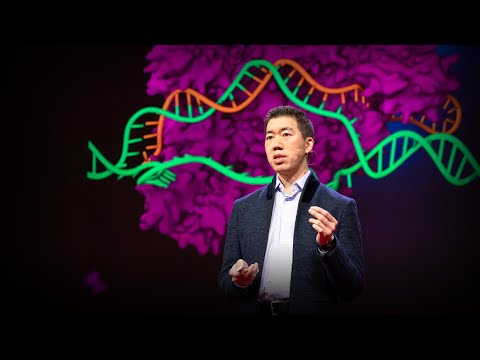
【TED】David R. Liu: Can we cure genetic diseases by rewriting DNA? (Can we cure genetic diseases by rewriting DNA? | David R. Liu)
0
林宜悉 posted on 2019/05/21Ever wondered if we could actually edit our DNA to cure genetic diseases? This fascinating TED talk dives into the cutting-edge science of base editing and CRISPR technology, explaining how scientists are working to correct genetic errors at their source. You'll pick up some seriously advanced vocabulary related to genetics and biotechnology while exploring this incredible scientific frontier!
Learn this video on the APP!
The VoiceTube App has more in-depth practice for videos!